The log drum is the sound that makes amapiano recognisable in two seconds: a deep, woody, bouncing bass that plays melodies under the piano chords. Despite its name, it is not a real drum. It comes from a preset in the music software FL Studio, and its use in amapiano is widely credited to the Soweto producer MDU aka TRP. Today it is the genre's signature, and the sound dancers move to.
Not a real drum
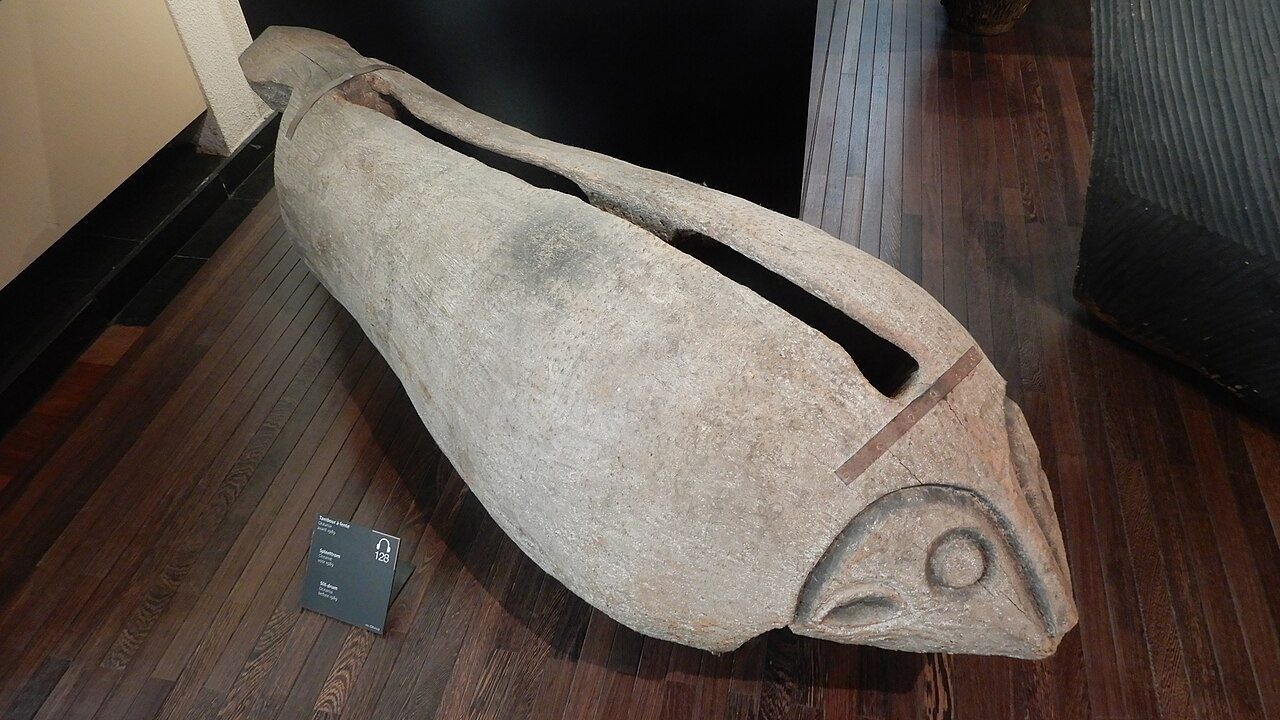
Traditional log drums, or slit drums, exist in many parts of Africa and beyond: hollowed wood with a slit that produces deep tones when struck. Amapiano's log drum borrows the name and some of the feel, but it is electronic.
Mixmag traces it to the "Log Drum" preset of the Fruity DX10, a synth built into FL Studio, the software most amapiano producers use. Producers tune it, shape its length and attack, run it through effects and write their own patterns, so every artist's log drum sounds a little different.
MDU aka TRP
MDU aka TRP, born Mduduzi Mangena, from Soweto, is the producer most often credited with putting the log drum at the heart of amapiano. Interviewed for Red Bull's history of the genre, Kabza De Small gave him the credit, saying that young producers like experimenting with new plug-ins, and that when Mdu figured it out, he ran with it.
Others agree. The rapper Focalistic told Nation Africa that there is no amapiano without the log drum, and thanked Mdu for giving the genre its identity. In 2023, DJ Maphorisa publicly thanked him for "changing our lives" with the log drum and encouraged other artists to send him money, a gesture widely reported in the South African press.
Amapiano's origins as a whole remain disputed between Johannesburg and Pretoria townships, and the log drum was not in every early track. But for most listeners, the genre and the sound have become inseparable.
How it shapes the groove
In amapiano, the kick drum is often light and the log drum carries the bass. It falls between the kicks, slides and bounces, and often plays a melody of its own. Producers build tension by holding it back, then dropping it in.
Kabza De Small even dedicated a song to it. He described "iLog Drum", with Daliwonga, as a love letter to the root of amapiano, Rolling Stone reported.
Variations keep appearing. Mixmag mentions the heavily swung log drum of "bique", a sub-style named after Mozambique.
The log drum and the dance
For dancers, the log drum is the cue. Amapiano dances often hit its accents rather than the kick: knee bounces, shoulder moves and footwork that answer the bass line. When the log drum drops after a long build, the floor reacts. That is why many teachers ask students to listen for it first.
To understand the genre around it, read What Is Amapiano?, and for its most famous producers, Kabza De Small and DJ Maphorisa.
FAQ
What is the log drum in amapiano?
A deep, percussive, pitched bass sound that carries most of amapiano's groove. Despite its name, it is usually made with software, not a physical drum.
Who created the amapiano log drum?
The Soweto producer MDU aka TRP is widely credited with popularising it. Kabza De Small has said that Mdu figured out the sound and ran with it.
How is the log drum made?
Mixmag reports that it comes from the 'Log Drum' preset of FL Studio's built-in synth, the Fruity DX10, which producers tune, process and pattern in their own way.
Sources
- Red Bull, "Amapiano: a history of the South African sound"
- Mixmag, "Amapiano's Second Wave"
- Nation Africa, "The rise and rise of amapiano, 10 years on"
- Rolling Stone, "South African Star Kabza De Small's Key Amapiano Tracks"