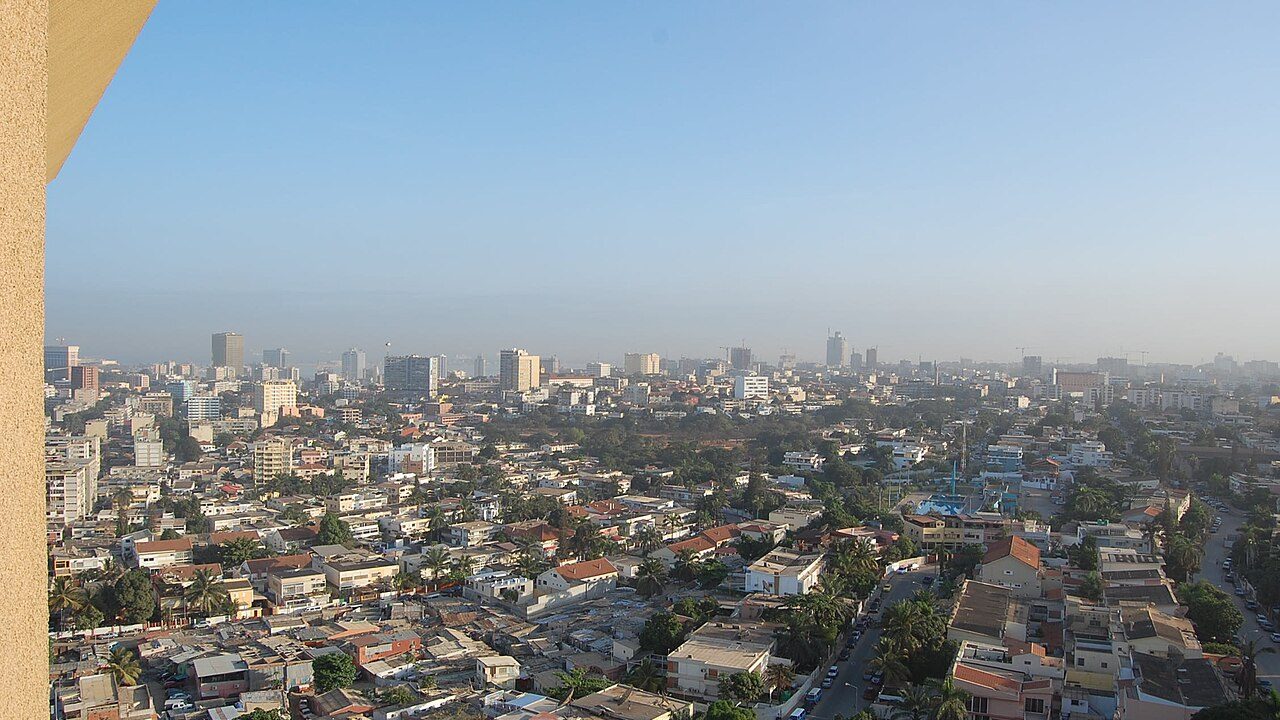
Kizomba is a music genre and a close-embrace partner dance from Angola. It took shape in Luanda in the late 1970s and early 1980s, when musicians mixed the older Angolan semba with the zouk arriving from the French Caribbean. The word itself is Kimbundu for party or celebration. Since the mid-1990s the dance has been taught internationally, first from Portugal, and it now fills social dance festivals across Europe, the Americas and Asia.
That is the short answer. The longer one matters, because almost every part of it has been simplified somewhere along the way.
Where the music comes from
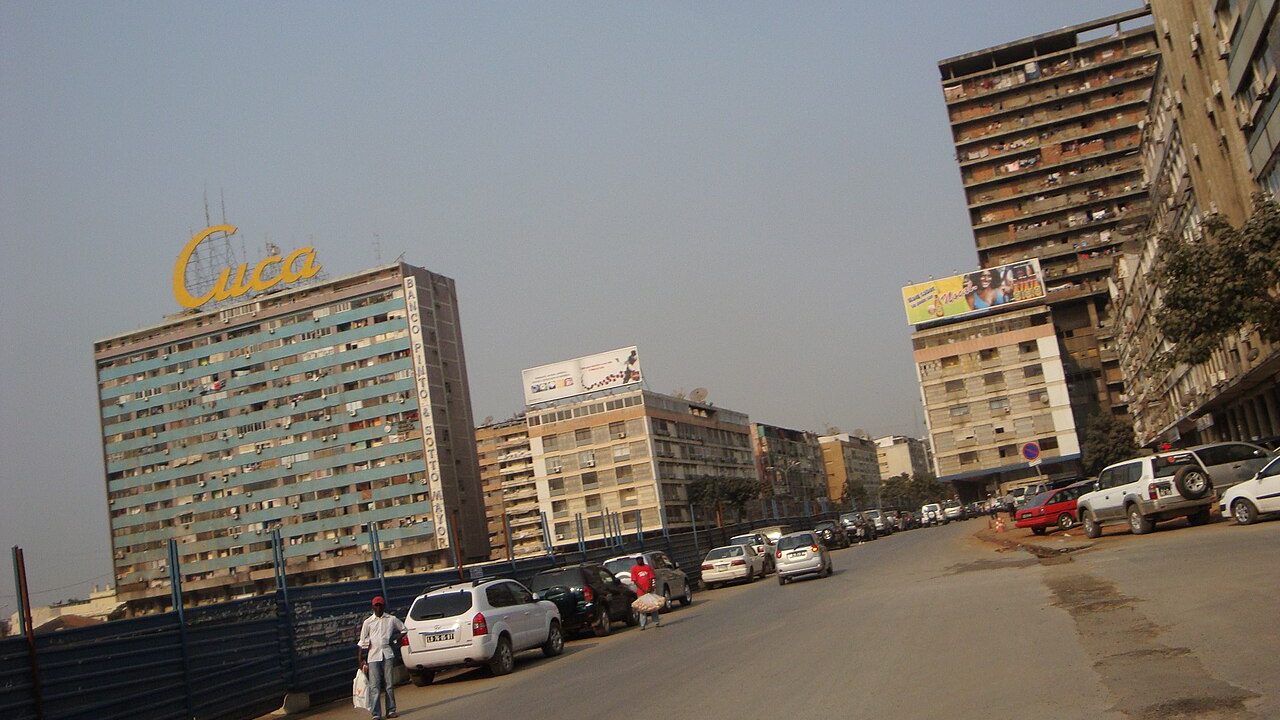
Before kizomba there was semba, the urban music of Luanda's musseques, the neighbourhoods where much of the city's popular culture was made. Semba carried stories, humour and politics, and it had its own partner dance.
In the late 1970s, cassettes and records of Caribbean zouk, made famous by groups like Kassav', were circulating in Angola. Musicians slowed semba's rhythm, borrowed zouk's synthesised textures and romantic tone, and produced something new. The Angolan embassy describes kizomba as the result of that encounter, and credits producers of the 1980s and early 1990s with structuring and consolidating the genre.
That wording is careful, and it is worth keeping. Eduardo Paím is often called the father of kizomba, and his band SOS released an album in the early 1990s that is treated as a milestone. But the embassy does not say he invented it, and Paím himself describes kizomba as a fusion of styles that already existed. We look at that argument in detail in our piece on Eduardo Paím.
A genre that was transnational from the start
The popular story says kizomba was born in Angolan backyards and later exported. The anthropologist Livia Jiménez Sedano, who has done the most sustained academic work on the subject, argues that this story does not explain what the genre actually is. In her reading, the people who made kizomba were connecting dance floors in several cities from the beginning: Luanda, Lisbon, Paris, Praia.
This is why the Cape Verdean side of the story keeps returning. A large part of what DJs in Europe play as kizomba is Cape Verdean music, sung in Kriolu and marketed as cola-zouk or cabo-love. Cape Verdean musicians labelled their adaptations of zouk with their own names while Angolans claimed the word kizomba, and that difference still shapes rivalries between teachers today. We explore the language side in What Language Are Kizomba Songs In?.
How kizomba became a dance you can learn
In Angola, kizomba was danced, not taught. It became a style with a syllabus in Portugal, in the mid-1990s. Jiménez Sedano documents how a Portuguese promoter heard the word in Angolan nightclubs in Lisbon and brought in teachers to give classes in a standardised version. Teachers such as Mestre Pechú, Zé Barbosa and Hélio Santos built the early teaching scene in the late 1990s.
Standardisation had a cost. It reduced, in her words, a wide variety of existing styles to a package of basic steps. It also made the dance portable. A beginner in Warsaw or Seoul can now learn a basic step, a walk and a few figures in a single weekend.
What the dance looks like
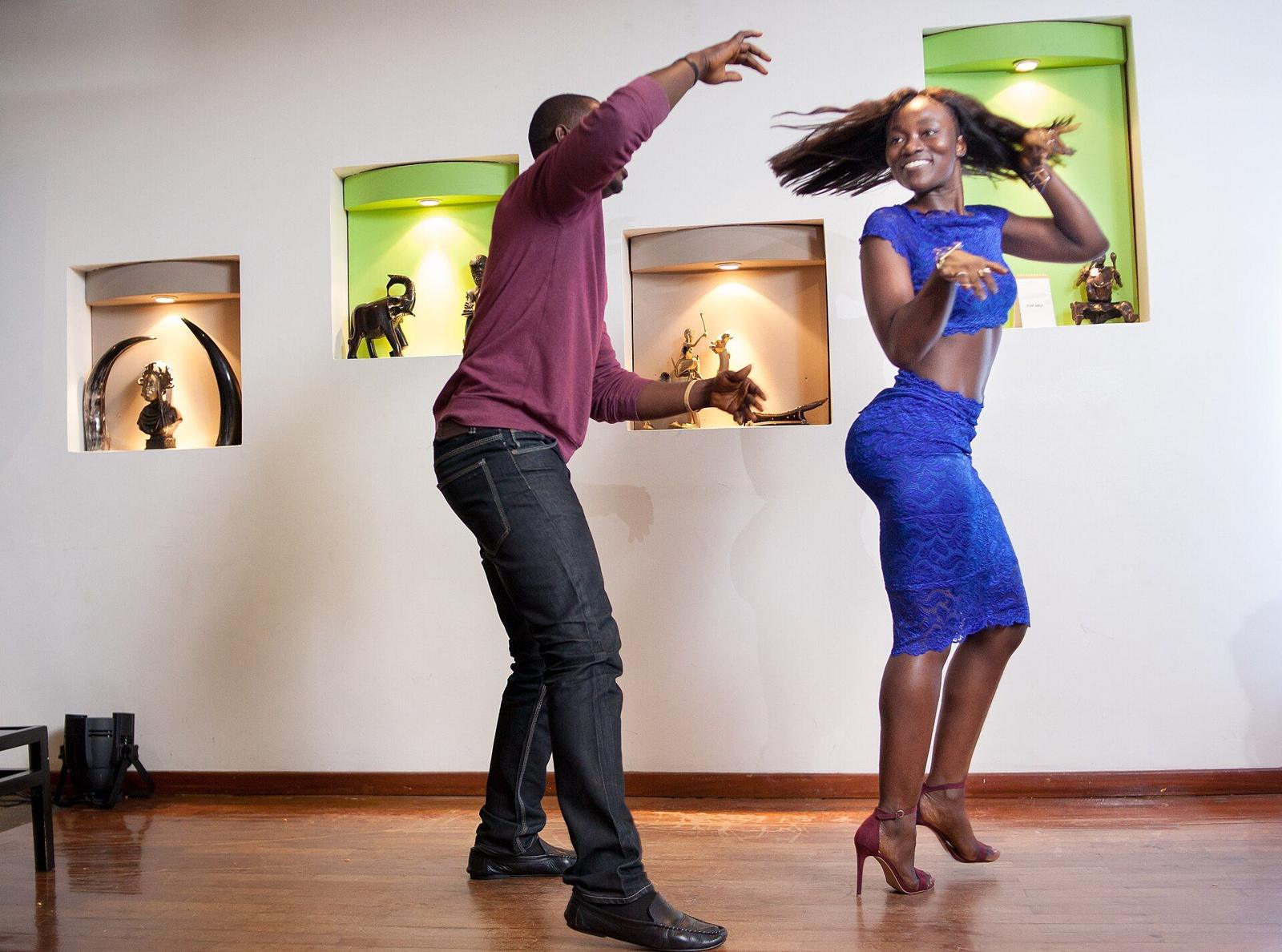
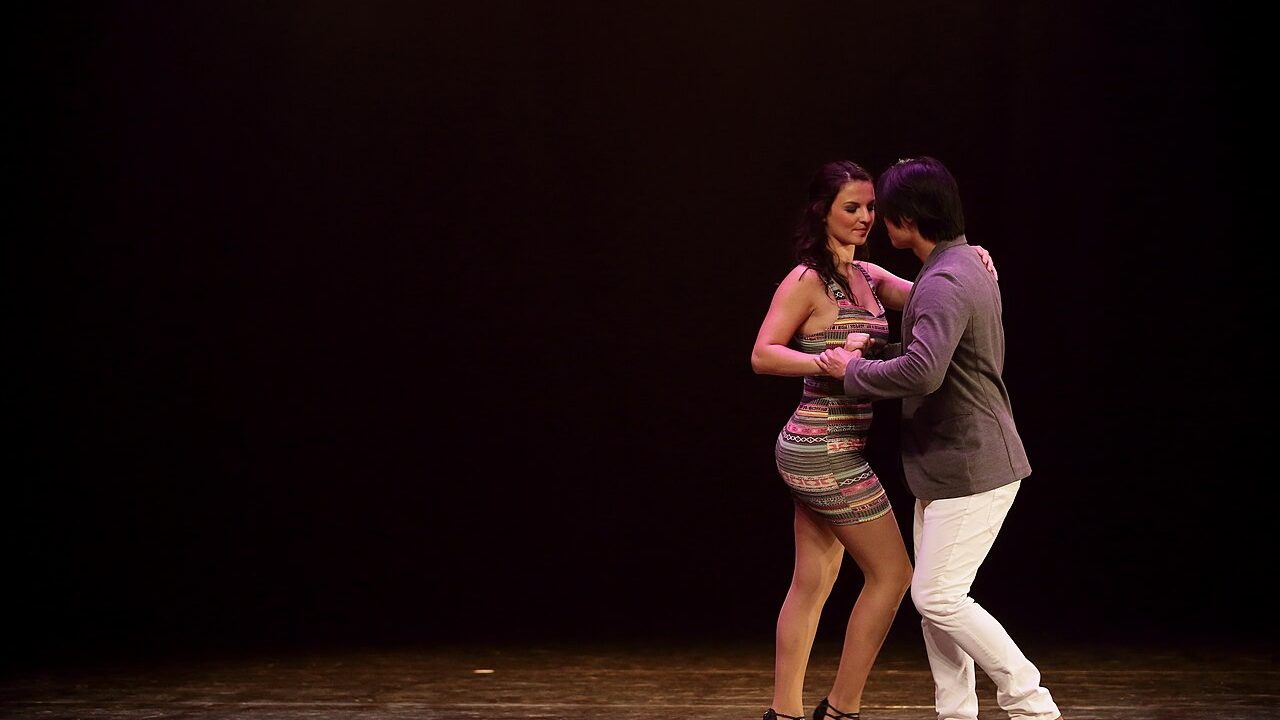
Kizomba is danced in a close embrace, with the partners' upper bodies in contact and the connection carried through the chest and the arm frame. The leader walks, pauses and changes weight; the follower responds. The rhythm is slow on the surface, but much of the dance lives in small weight changes, pauses and the way the couple fills the space between beats.
There is no reliable tempo figure for kizomba, and we do not publish one. Ranges circulate on teaching sites and DJ tools, but none traces back to a measured source. What you can hear for yourself is a slow pulse with busier percussion underneath.
Kizomba and its relatives
Several styles now sit under the wider kizomba umbrella:
- Semba, the older Angolan music and dance, livelier and more playful.
- Urban kiz, a style developed in France around 2010 and named in 2014, with straighter lines and more stops.
- Tarraxo, a slower, darker music associated with Lisbon, and the dance taught to it.
These are not just variations of one dance. Each has a different history, a different community and, often, a different argument about who gets credit.
Heritage and the fear of appropriation
On 4 May 2024 Angola published decrees in the Diário da República, signed by the culture minister Filipe Zau, classing kizomba and Tchianda as national intangible heritage. The stated purpose was blunt: to prevent their usurpation.
That word says a lot about how kizomba is seen at home. A dance that became an international business in Portugal and France, often taught by people with no link to Angola, is now protected by the country it came from. Kizomba is not on the UNESCO list. The Angolan dossier currently under UNESCO review is semba's.
Why it matters on the dance floor
You do not need a history lesson to enjoy a kizomba social. But knowing where the dance comes from changes how you hear the music and how you talk about it. It explains why some Angolan dancers wince at the phrase "kizomba fusion", why teachers argue about urban kiz, and why the Cape Verdean songs you love are not, strictly speaking, Angolan kizomba at all.
The music came out of Luanda. The dance became global through Lisbon and Paris. Both facts are true at once, and the scene is better when it keeps both in view.
FAQ
What does the word kizomba mean?
In Kimbundu, one of Angola's national languages, kizomba means party or celebration. The word was used for gatherings long before it named a music genre.
Is kizomba Angolan or Cape Verdean?
The genre and the name are Angolan. A large share of the music played as kizomba in Europe is Cape Verdean, often sung in Kriolu and sold as cola-zouk or cabo-love. Both histories are real, and they meet on the dance floor.
Is kizomba on the UNESCO heritage list?
No. Angola declared kizomba national heritage in May 2024. The Angolan element currently under UNESCO review is semba, not kizomba.
Who invented kizomba?
No single person. Eduardo Paím is often called the father of kizomba for structuring the genre in the 1980s and 1990s, but even the Angolan embassy speaks of structuring and consolidation, not invention.
Sources
- Embassy of the Republic of Angola, culture pages on kizomba and semba
- Diário da República (Angola), decrees of 4 May 2024 classing kizomba and Tchianda as national intangible heritage
- Livia Jiménez Sedano, "Kizomba beyond Angolan-ness and Lusofonia: The transnational dance floor", Atlantic Studies 17(1), 2020, pp. 91-109
- Livia Jiménez Sedano, "Kizomba Dance: From Market Success to Controversial National Brand", Revue européenne des migrations internationales 35(3-4), 2019