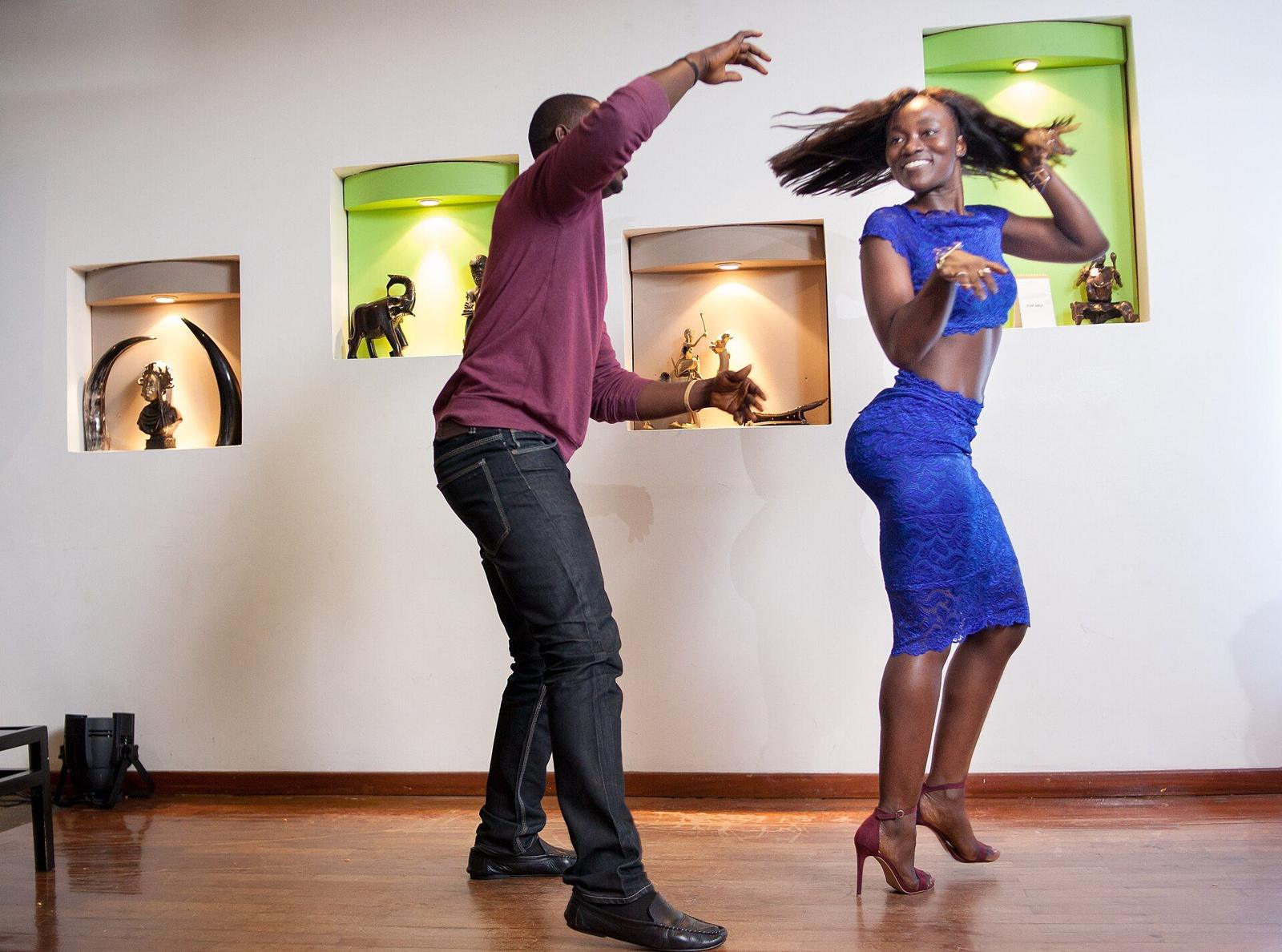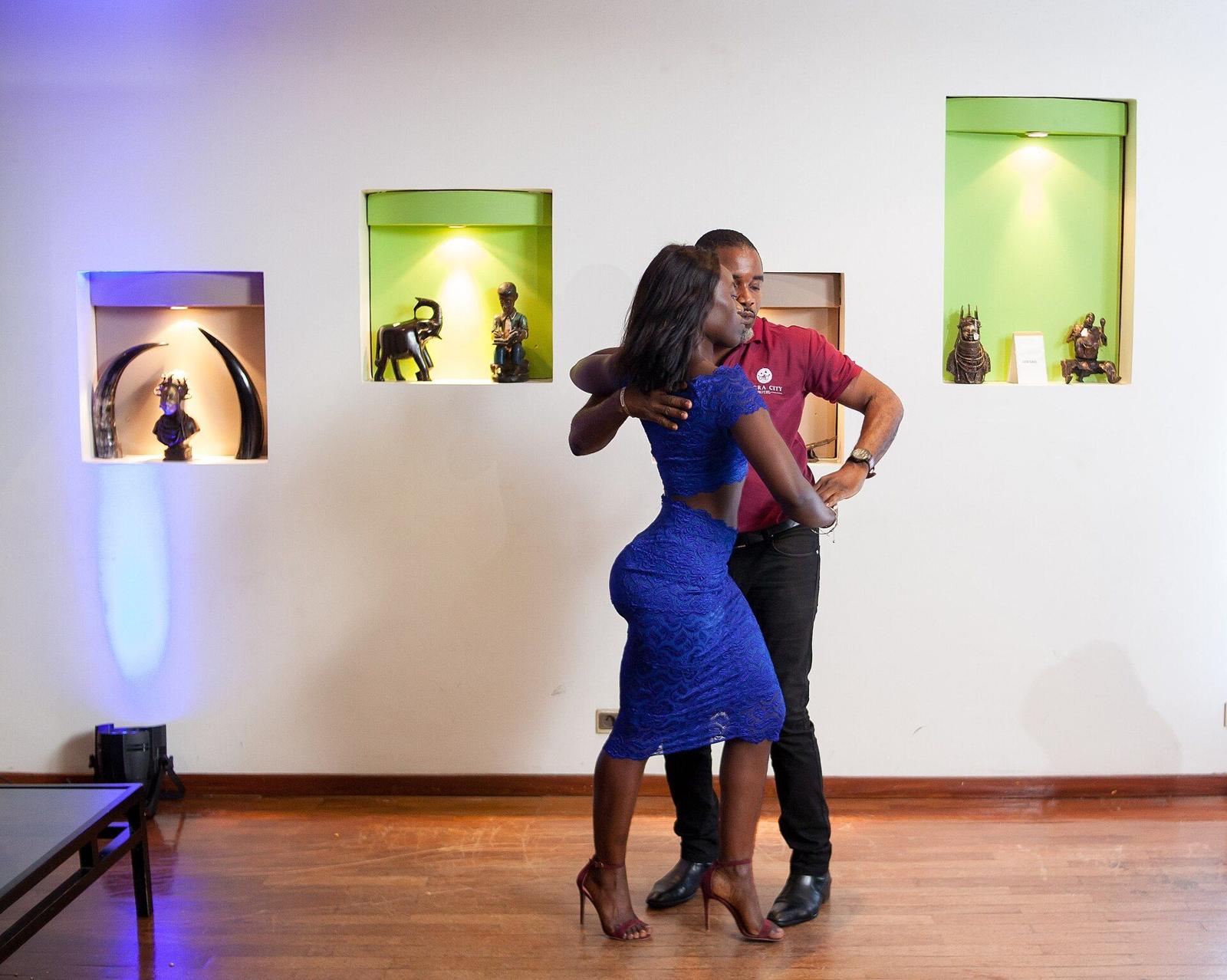
King Piste dances the way he was raised: in Angola, through his older brother's dance school. Today he lives in Lyon, where he teaches semba, kizomba and afro house. He has taught for four years in Africa and eight in Europe. He answered our questions in writing, in French. We translated them and edited them for readability, never for meaning.
He describes himself as a simple, humble person who thinks of others first. His goal as a teacher, he says, is for everyone to find a place on the floor, whatever their level.
Where it started
How did kizomba come into your life?
Very simply, I started when I was very young, thanks to my older brother, who had his own dance school, SK. It was through him.
Who marked your path the most?
Some of them have passed away. But it is thanks to one of them that I carry the stage name King Piste today.
What was the hardest moment?
Facing false testimony and defamation. It was a draining period, but thank God I kept my faith and moved forward. Today everything is fine and I'm grateful for the road I've travelled.
Nobody left on the side
When did you know you wanted to teach, not only dance?
When I saw that many people dance without really understanding the musicality. I also noticed that some women, especially older women, are pushed aside because of their body or their level. That touches me. For me, dance has to be a space for sharing, kindness and pleasure, without judgement.
What defines you as a teacher?
Passion, transmission and sharing. Through kizomba, semba and afro house I want to pass on technique, musicality and culture, in an atmosphere where everyone can progress and enjoy dancing.
What is the hardest thing to teach, the thing steps can't explain?
Culture and musicality. A lot of people today just want to dance without knowing the history, the origins and the musicality of this dance.
"Kizomba is not only danced. It is felt, and it is understood."
Say the right name
What mistake do you see in almost every student?
They call what their teacher teaches "Kiz", when they should respect and own the name Urban Kiz, not kizomba. If everyone made that effort and used the right word, this confusion would no longer exist for the public.
That debate has a long history. We explain it in Kizomba vs Urban Kiz: What's the Difference?
How do you handle roles, respect and consent in class?
We come above all to have fun, share a good moment and enjoy ourselves on the floor. Respect for everyone is essential. Everyone's roles and limits must be respected, and consent is indispensable. Anything to do with private life or personal relationships has no place in our classes.
Culture first
Kizomba is danced all over the world now. What should people know?
Its Angolan roots, its history and the culture of the dance, before focusing on technique. Understanding where it comes from and what it represents helps a dancer learn, feel and pass it on.
What place do music and language have for you?
They matter. Listening to semba, understanding Kimbundu or Cape Verdean Creole, helps me feel the rhythm and the culture. Knowing the artists and the lyrics also changes the way I dance, because I dance more with the music and its story.
What could the international community do better?
Respect the culture more, work more on musicality, and learn to separate private life from the professional setting.
Which misconception would you like to see disappear?
The wars, the jealousy and the judgement. We all come to dance, share, have fun and have a good time, not to create stories or tension. Kizomba should stay a space of pleasure, respect and friendliness.
The scene today
Social media changed how dancers become visible. Good or bad?
Positive, because it lets people discover new teachers and worlds. But it gives a lot of weight to image, sometimes at the expense of teaching and experience. Personally I try to stay authentic and put what I actually pass on ahead of the image I give.
What should someone know before trying to live from dance?
It takes a lot of passion, but also organisation. Travel is enriching, but irregular income, fatigue and managing the work can be hard. You have to be persistent and versatile.
What excites you about the new generation?
The roots and the musicality.
The flag
What does kizomba mean to you today?
Kizomba is the flag that represents my culture in many countries. It makes me very proud to see it shine around the world.
What would you like your students to remember?
That we come into this world to have fun, share and tell a story through dance, without judgement.
What's next?
Creating a big dance project to bring everyone together around our passion.
Quick questions
- A song you could dance to all your life: "Deeper", Nelson Freitas featuring Kaysha
- An artist every kizomba beginner should know: Eduardo Paím
- A festival you love: Mwangolé
- The city whose scene surprised you most: Hard to choose
- Your dance in one word: Joy
- Kizomba in three words: Respect, sharing, solidarity
- One piece of advice for a beginner: Have fun and enjoy it
Follow King Piste
Instagram @king_piste · TikTok @kingpiste · Facebook: Kingpiste Junior
Photos of King Piste will be added to this page shortly.
FAQ
Who is King Piste?
An Angolan kizomba teacher based in Lyon, France. He teaches semba, kizomba and afro house, and has taught for four years in Africa and eight in Europe.
What does King Piste say about kizomba and Urban Kiz?
He says students should use the term Urban Kiz for what they learn, rather than calling it kizomba, and that the public confusion would disappear if everyone used the right word.
Sources
- Written interview with King Piste for #DANCE, answers received 30 August 2026