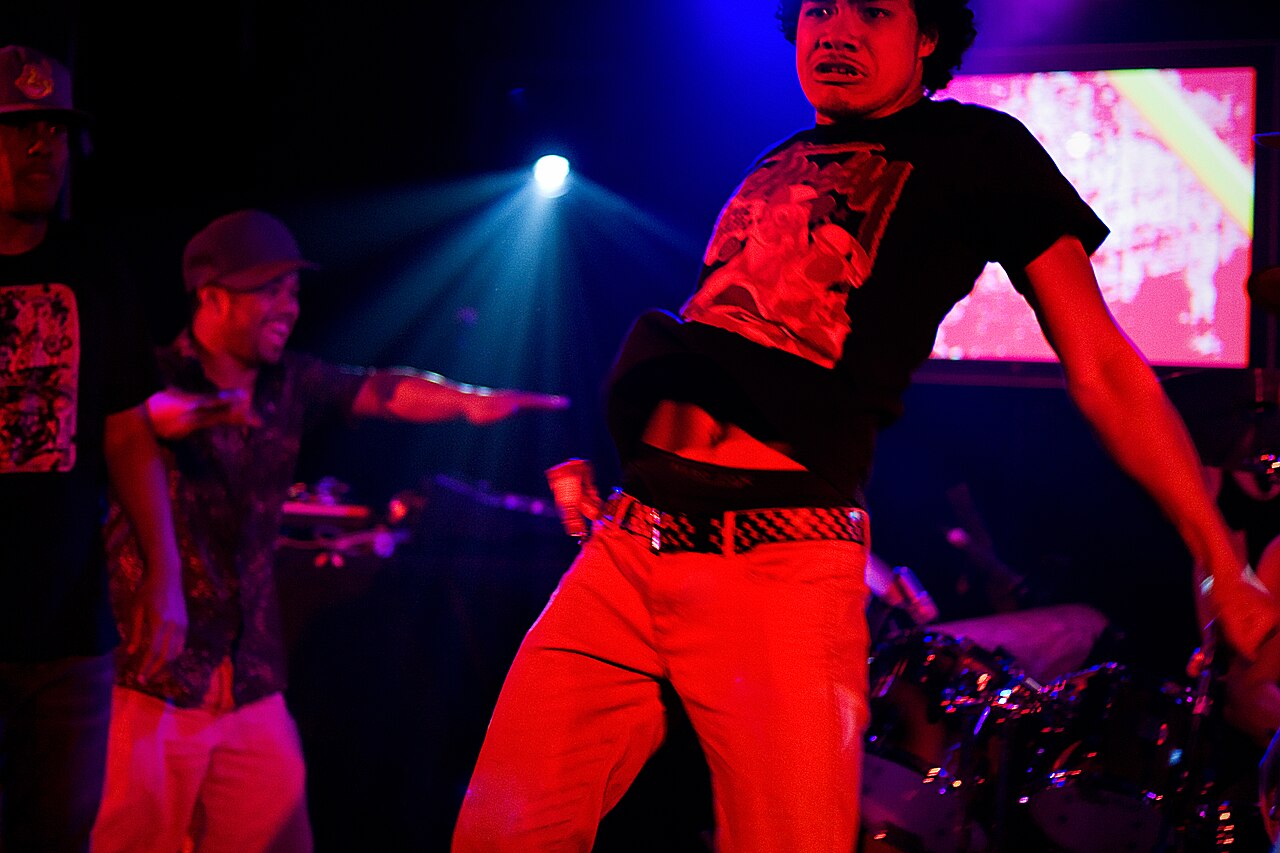
Krump is a street dance born in South Central Los Angeles around the turn of the 2000s. It grew out of clowning, a party style started in the 1990s, and is built on stomps, chest pops, arm swings and jabs, performed in freestyle with extreme intensity. To an outsider it can look like a fight. To its dancers it is a way to release anger and pain without violence, inside a community that functions like a family, and for many of them it is also a form of praise.
From clowning to krump
After the 1992 riots in Los Angeles, a man known as Tommy the Clown started performing in clown make-up to hip-hop music in South Central, at neighbourhood events and children's birthday parties. His style, clowning, attracted young dancers, and crews formed around it.
Some of those dancers wanted something rawer than an act for children's parties. According to the accounts collected around the film Rize, dancers including Ceasare "Tight Eyez" Willis and Christopher "Lil' C" Toler split off to pursue that harder style. The originators most often named are Tight Eyez, Jo'Artis "Big Mijo" Ratti, Lil' C and Marquisa "Miss Prissy" Gardner.
Dates vary between sources, from the late 1990s to the early 2000s. LA Weekly reported that, according to Tight Eyez, it is not clear who started krumping. In one of his instructional videos he goes further, saying that there is only one creator of krump, and that is God.
The name
KRUMP is often spelled out as Kingdom Radically Uplifted Mighty Praise. The word was in use before the acronym, so it is best understood as a backronym. It reflects something real: many krumpers, starting with Tight Eyez, describe the dance in Christian terms, and "praise krump" sets the dance to religious music.
Rize and the world
In 2005, the photographer and director David LaChapelle released Rize, a documentary about clowning and krumping in South Central. NPR described it that June as the story of a street dance phenomenon from the rough streets of South Los Angeles. The film opens with footage of the 1965 Watts riots and the 1992 riots, placing the dance inside the neighbourhood's history.
Rize gave krump international visibility. Within a few years scenes had formed in Canada, Europe and South Africa. Tight Eyez later led the crew Street Kingdom on MTV's America's Best Dance Crew.
How krump works
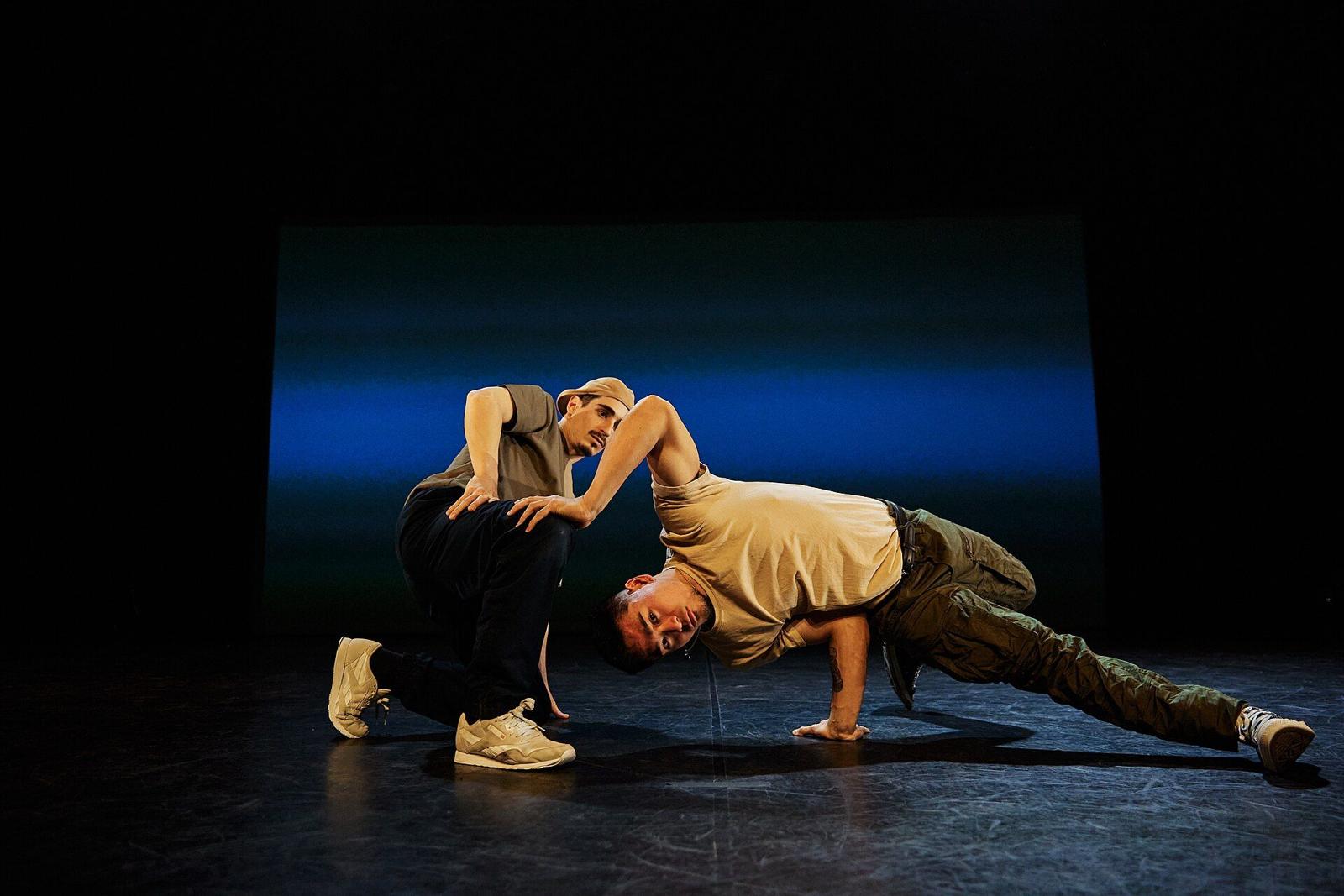
Krump is mainly freestyle. Its vocabulary includes:
- stomps, which Tight Eyez has called the motor of the dance
- chest pops, sharp contractions of the chest
- arm swings, large and small
- jabs and taunts directed at an opponent
Dancers talk about being "buck", excelling in the style and its values, and about "kill-offs", the moment a dancer overwhelms an opponent in a battle.
Fam, sessions and battles
Krump is organised around families, or fam. A senior dancer, the "big homie", passes on knowledge to younger dancers who often carry a version of his name, such as the line of "Eyez" dancers around Tight Eyez.
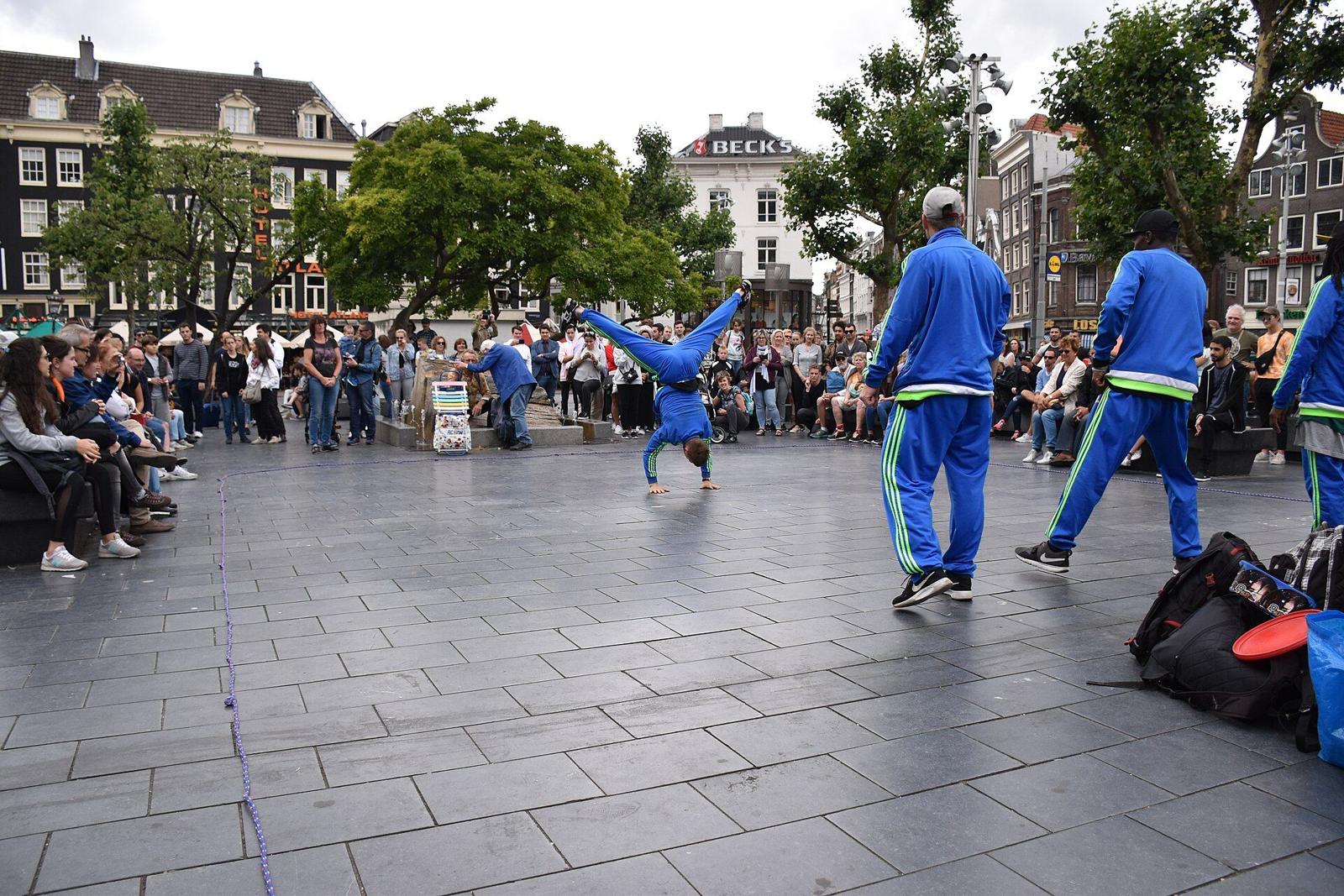
Practice happens in sessions: circles in parking lots, community centres and studios where dancers take turns and the circle reacts. Battles test dancers against each other. The point is not choreography but truth: a krumper is expected to show what he or she is feeling.
Why krump matters
Krump was created by young Black dancers in neighbourhoods that the rest of Los Angeles associated with gangs and violence. It offered another way to be loud, angry and seen. That history is why many dancers insist on teaching its values, not only its moves, and why choreographers who borrow krump for commercial work are often criticised for keeping the energy and dropping the meaning.
If you want to learn it, find a session and a fam rather than a single class. Krump is learnt in the circle.
FAQ
Who created krump?
Krump is credited to dancers from South Central Los Angeles, chiefly Ceasare "Tight Eyez" Willis and Jo'Artis "Big Mijo" Ratti, with Christopher "Lil' C" Toler and Marquisa "Miss Prissy" Gardner also named among its originators. Tight Eyez himself has said that the only creator of krump is God.
What does KRUMP stand for?
It is often written as an acronym for "Kingdom Radically Uplifted Mighty Praise". The word existed before the acronym, so it is better described as a backronym that expresses the faith many krumpers attach to the dance.
What is the difference between clowning and krump?
Clowning was started by Tommy the Clown in South Central in the 1990s as entertainment, including at children's parties. Krump grew out of it as a rawer, more aggressive and more personal style.
Sources
- David LaChapelle, Rize, documentary, 2005
- NPR, "'Rize': Dancing Above L.A.'s Mean Streets", 27 June 2005
- LA Weekly, coverage of krump's originators
- The Red Bulletin, profile of Darren "Outrage" King