Kizomba is an Angolan music genre and partner dance that took shape in the late 1970s and early 1980s. Urban kiz is a partner dance developed by young dancers in the eastern suburbs of Paris from around 2010, and named in 2014. Urban kiz grew out of kizomba, but the two differ in posture, connection, music and, above all, history. Most of the arguments about them come from mixing the two up.
The short comparison
| Kizomba | Urban kiz | |
|---|---|---|
| Origin | Luanda, Angola, late 1970s to 1980s | Paris suburbs, around 2010, named 2014 |
| Embrace | Close, chest connection | More separation, connection through the arms |
| Lines | Rounded, grounded, relaxed knees | Straight lines, extended legs |
| Signature | Walk, pauses, weight changes | Stops, taps, isolations, the half-beat "&" |
| Usual music | Angolan kizomba, Cape Verdean cola-zouk | Ghetto zouk, remixes, electronic tracks |
| Documented founders | None single; Eduardo Paím often called its father | None documented; collective origin |
Different histories
Kizomba is the product of a city and a country. It came out of Luanda's semba, met Caribbean zouk, and was structured by Angolan musicians in the 1980s and early 1990s. Angola declared it national heritage in 2024.
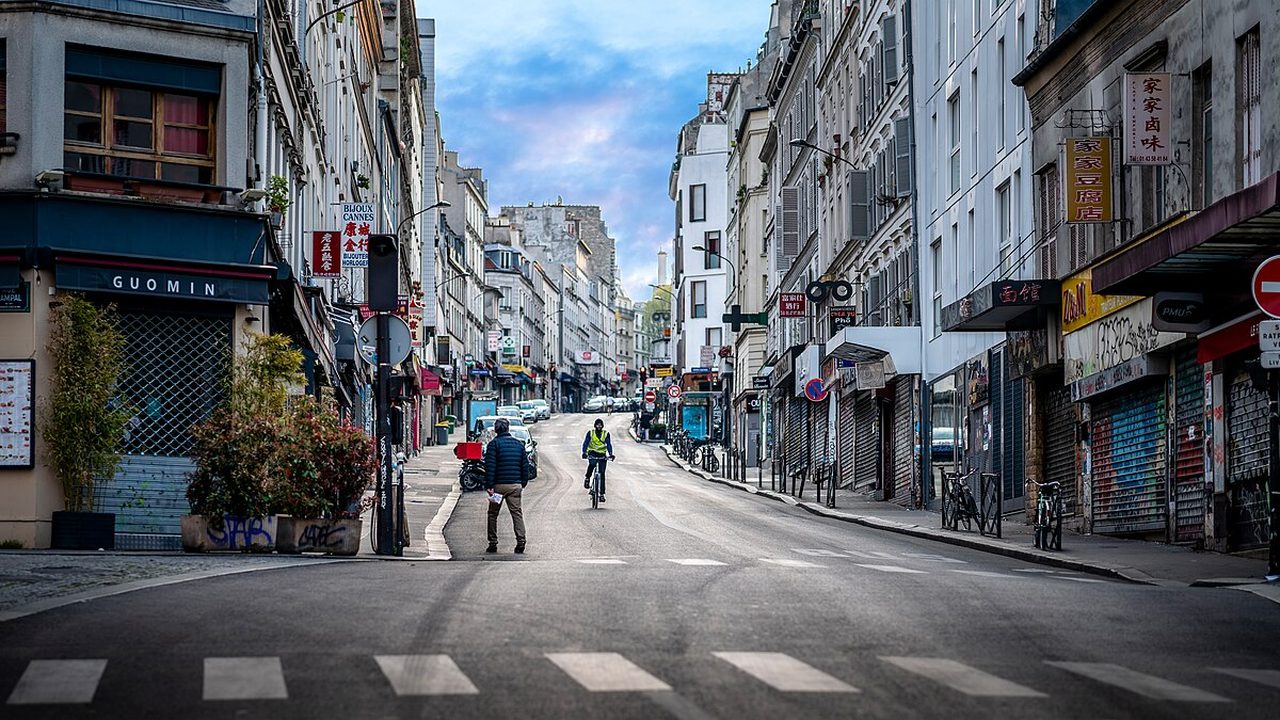
Urban kiz is the product of a generation. The only academic study, by Deborah Puccio-Den, traces it to dancers from Seine-Saint-Denis and other Paris suburbs, and to a gathering place in Noisy-le-Grand. It was danced under names like kizomba 2.0 and French style kizomba before urban kiz became standard.
Both stories are real. They are not the same story.
Different bodies
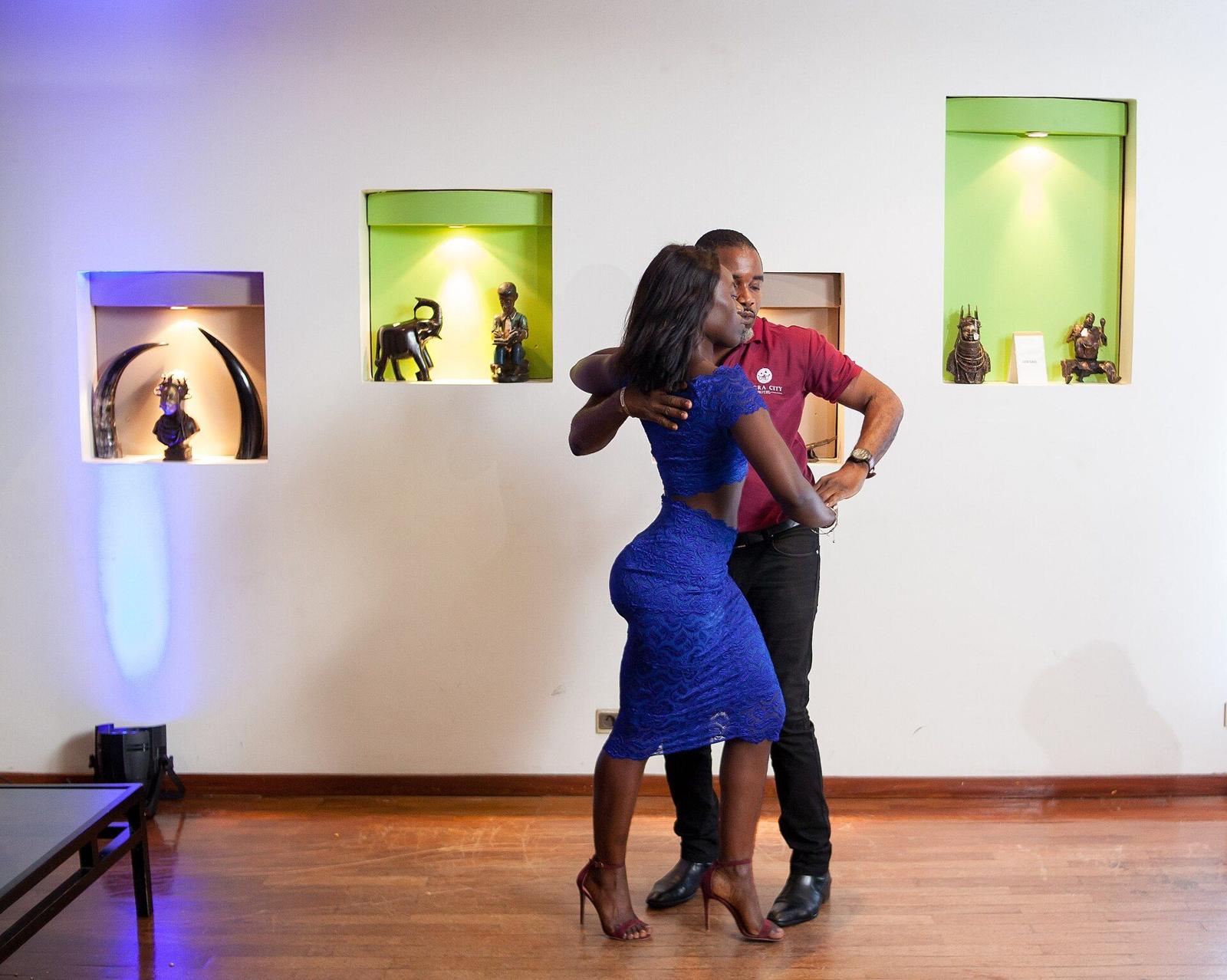
In kizomba, the couple usually stays in a close embrace, and much of the communication happens through the chest. Knees are relaxed, the walk is grounded, and the dance often looks calm from the outside while a lot happens inside it.
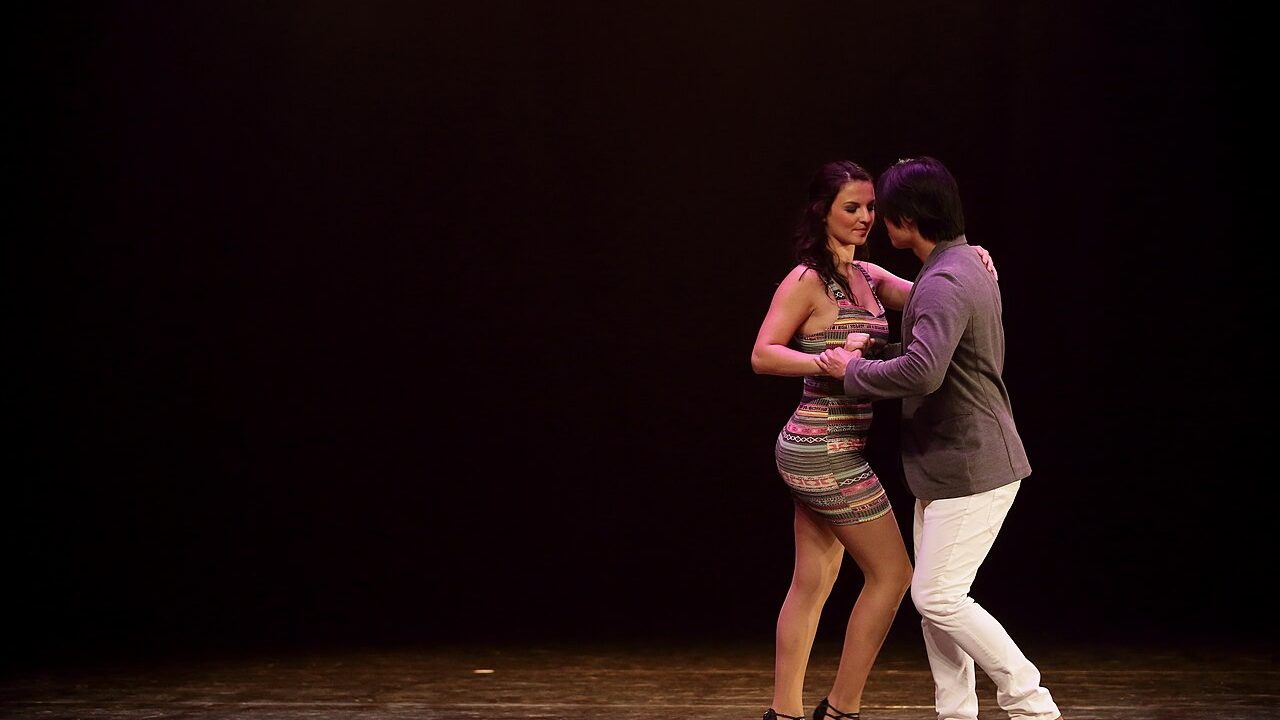
In urban kiz, partners separate more, the connection travels through the arms and frame, and the lines are straighter. Stops, taps and isolations give the dance a sharper, more percussive look, and teachers talk constantly about the half-beat between counts.
Different music
Kizomba is usually danced to Angolan kizomba and to Cape Verdean music sold as cola-zouk or cabo-love. Urban kiz is usually danced to ghetto zouk, a style born in the Netherlands, and to remixes and electronic tracks. Put an urban kiz dancer on a classic Angolan kizomba song and you will often see them slow down and change their dance. The music asks for it.
Why the argument never ended
The tension is not really about technique. It is about names and money.
When urban kiz spread, festivals and schools often sold it under the kizomba name, because kizomba was the brand people recognised. Angolan dancers and teachers objected, not to the existence of a new dance, but to a French dance being marketed as theirs. The AFP recorded the wider worry in 2017, when the Angolan radio presenter Zelo Castelo Branco said that those teaching kizomba abroad were changing the style.
From the other side, the makers of urban kiz insisted from 2014 that they were doing something new, which is exactly why they chose a new name. Many of the bitterest exchanges happen between people who agree on that point and argue about everything around it.
We found no published source in which a named Angolan artist criticises urban kiz by name. The criticism is real, but it lives in conversations, comments and classes, not in documents.
What this means for dancers
If you dance both, the practical advice is simple: call them by their names. Advertise an urban kiz class as urban kiz. Credit kizomba to Angola. Learn the music each one comes from.
That is not politeness. It is how a dance scene with two real histories avoids erasing one of them.
FAQ
Is urban kiz a kind of kizomba?
Urban kiz grew out of kizomba and many dancers learn both. Its makers chose a separate name in 2014 because they saw it as its own style. Many Angolan dancers agree it is a different dance and object only when it is sold as kizomba.
Can you dance urban kiz to kizomba music?
You can, but urban kiz is usually danced to ghetto zouk and remixed or electronic tracks, while kizomba is usually danced to Angolan kizomba and Cape Verdean cola-zouk. The music shapes the dance.
Which should a beginner learn first?
Many teachers start with kizomba because it teaches the walk, the embrace and the musical foundations that urban kiz builds on. Others start with urban kiz directly. There is no single correct order.
Sources
- Deborah Puccio-Den, Silence(s), vol. 1/2, 2024
- Livia Jiménez Sedano, Atlantic Studies 17(1), 2020
- AFP, report on kizomba in Angola, 6 October 2017