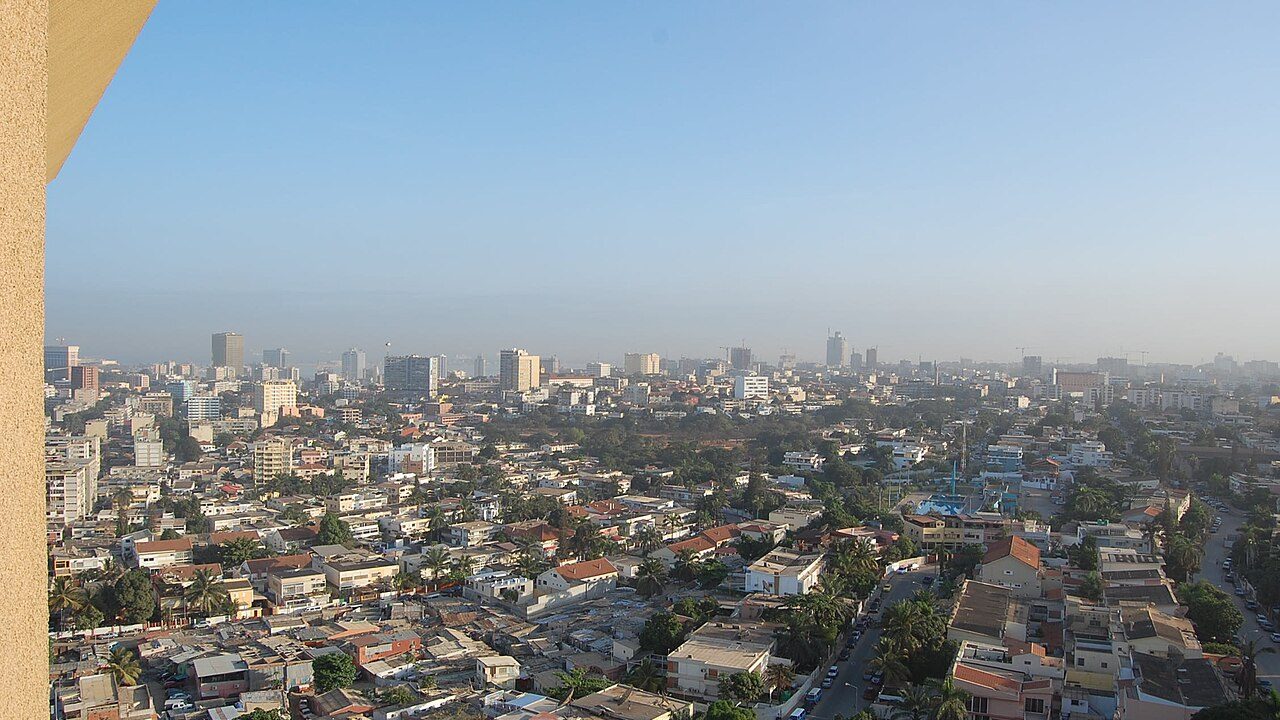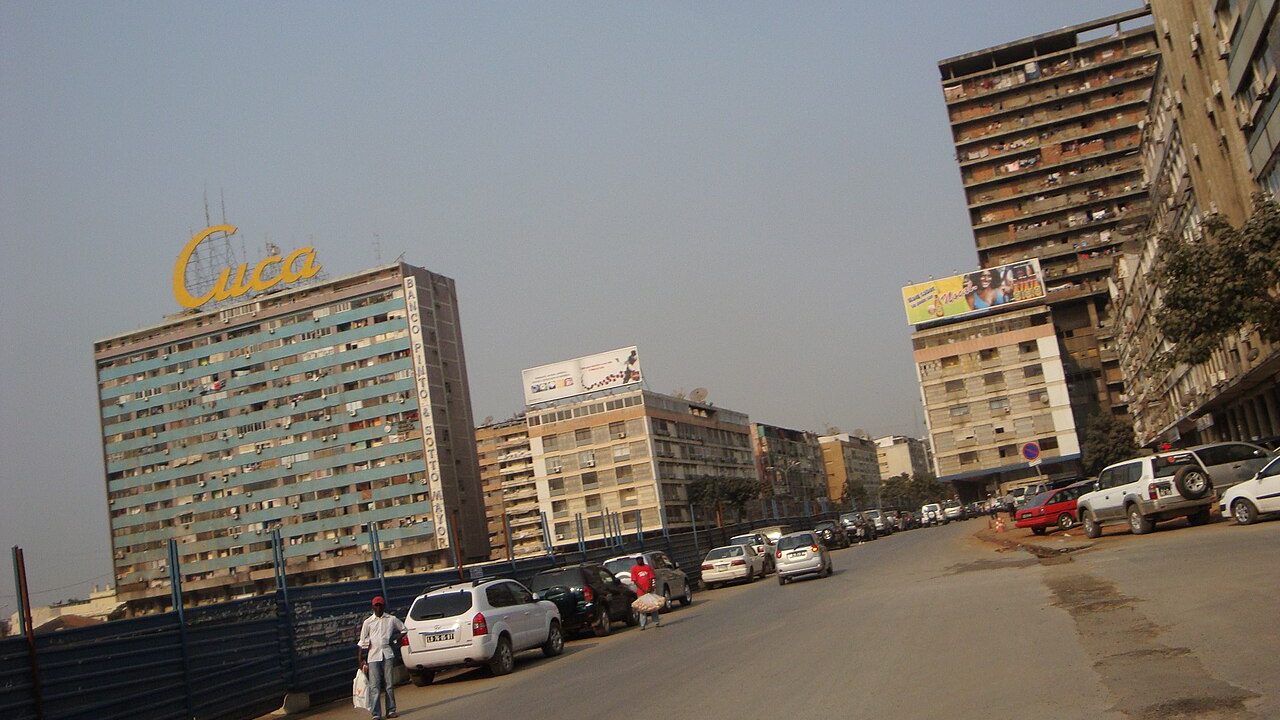
Semba is the urban popular music of Luanda and the partner dance that goes with it. It grew in the city's musseques in the 1940s and 1950s, when musicians transposed older Angolan rhythms onto guitars, and it is the direct ancestor of kizomba. Angola declared semba national heritage in 2023 and has asked UNESCO to inscribe it.
If kizomba is the dance most people meet first, semba is the one that explains it.
The word
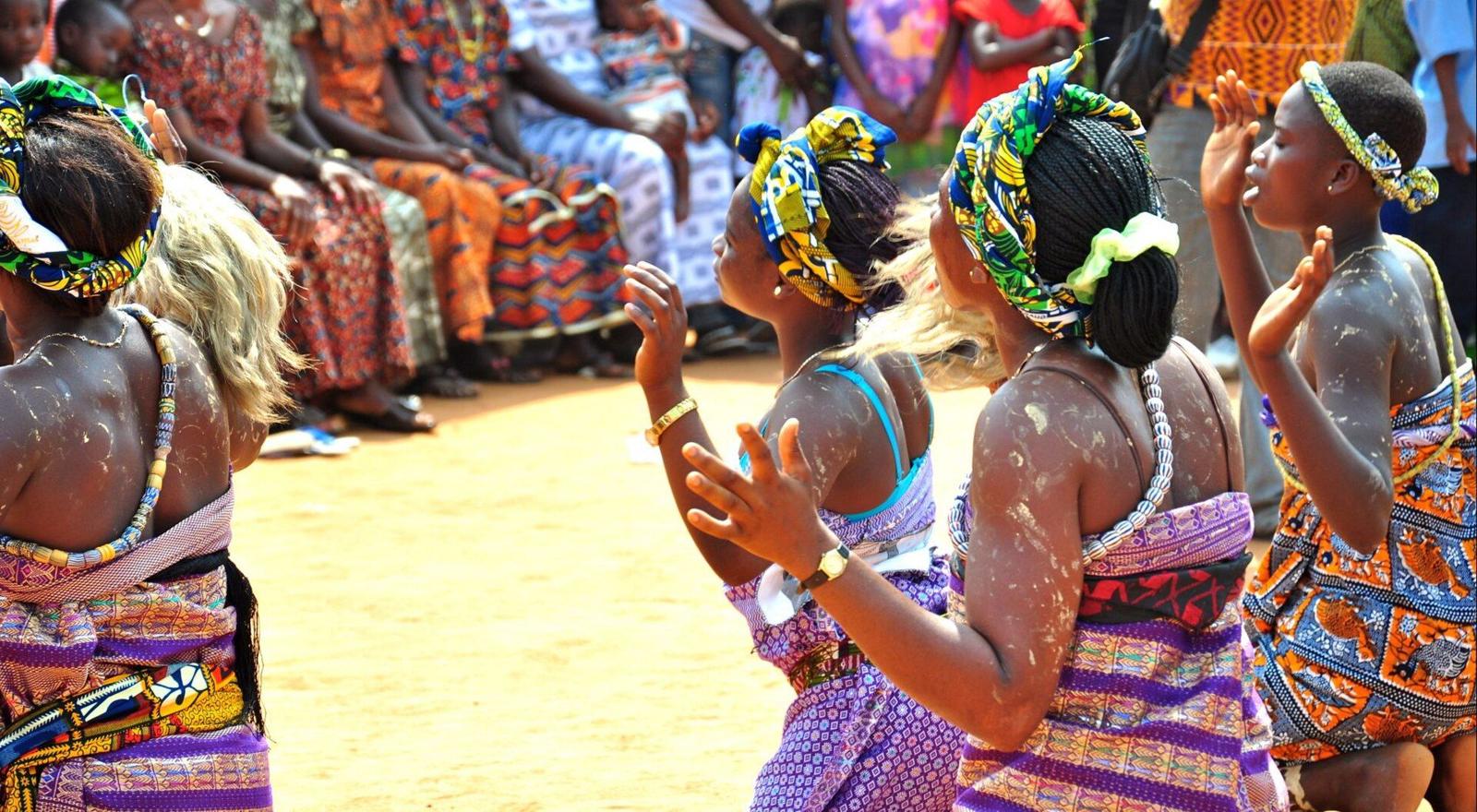
Semba is linked to a Kimbundu expression for a touch of the bellies, the umbigada, a movement in which dancers bring their navels together. Versions of that gesture appear in dances on both sides of the Atlantic.
You will often read that semba gave its name to Brazilian samba. That claim is repeated everywhere and established nowhere. The researcher Baratti, writing in 2022, documents another candidate root, kusamba, meaning to pray. Until the etymology is settled, the honest position is that the two words may be related, and nobody has shown how.
Ngola Ritmos and the birth of modern semba
The group that turned semba into modern urban music was Ngola Ritmos, founded in 1947 in the Bairro Operário of Luanda. Its members included Domingos Van-Dúnem, Mário da Silva Araújo, Francisco Machado and Liceu Vieira Dias.
Their technical breakthrough was to take the rhythms of older forms, massemba and kazukuta, and play them on guitars. That move gave Luanda a sound that was both Angolan and urban, and it carried words that Portuguese colonial authorities did not always want to hear.
The cost was real. Liceu Vieira Dias, close to the nationalist movement, was arrested in 1959 in what became known as the Trial of the Fifty and held for about ten years at the Tarrafal camp in Cape Verde. Other musicians from the same circle were deported with him. Semba was music, and it was also a form of political speech.
Bonga, Os Kiezos and the generations that followed
In the 1960s and 1970s semba spread through bands like Os Kiezos, founded in 1963 in Luanda's Marçal neighbourhood, and through singers who carried it abroad. The best known is Bonga, who recorded Angola 72 in exile in Rotterdam in 1972. We tell their story in Bonga, Os Kiezos and the Semba the War Interrupted.
When kizomba emerged in the late 1970s, it was built on semba: slowed down, softened, mixed with Caribbean zouk. Many of the musicians who shaped kizomba grew up playing semba.
How semba is danced
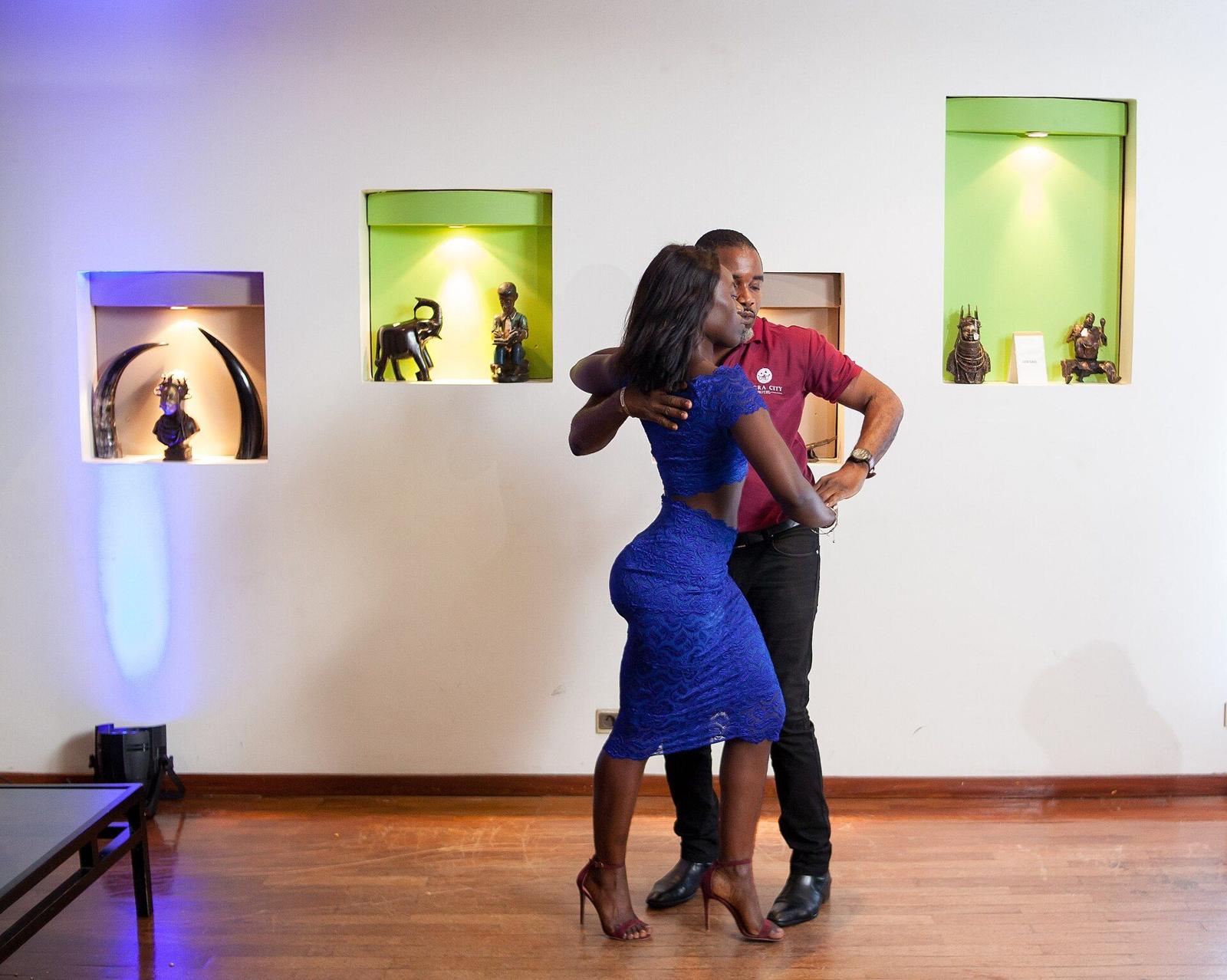
Semba is a partner dance, more open and more playful than kizomba. Couples move across the floor with quick steps, changes of direction and moments of humour, sometimes showing off. Where kizomba stays close and contained, semba likes to travel and to be seen.
On the international circuit, semba is often taught as a side class at kizomba festivals. Angolan teachers frequently insist that it is not "fast kizomba" but the original, and that the order of things matters: kizomba came out of semba, not the other way round.
National heritage and a UNESCO dossier
Angola protected semba before kizomba. Executive Decree no. 54/23, published in the Diário da República on 2 May 2023, classed semba as national heritage, after a ceremony on 18 April 2023.
Angola then submitted dossier no. 2420, "Semba: music and dance in Angola", to UNESCO on 29 March 2025. It is due to be examined at the 21st session of the Intergovernmental Committee in Xiamen, China, from 30 November to 5 December 2026. UNESCO's Angola page lists it as an ongoing nomination. We will update this article with the committee's decision.
One detail rarely makes the headlines: UNESCO had already released $86,050 for safeguarding work on semba, because of declining interest among young Angolans. That is emergency support, not a prize. The researcher Gerhard Kubik counted four active massemba clubs in 1982; by 2018 only one active group remained.
Why semba matters to kizomba dancers
Kizomba dancers outside Angola often meet semba last, as a curiosity. It deserves to come first. The walk, the embrace, the musical humour and even the arguments about who owns the dance all start here.
When an Angolan teacher says that kizomba is not a fusion style, this is what they mean. It has a parent, and the parent is still alive.
FAQ
What is the difference between semba and kizomba?
Semba is the older Angolan music and dance, livelier and more playful, rooted in Luanda's musseques from the 1940s onward. Kizomba emerged in the late 1970s and early 1980s when musicians slowed semba and mixed it with Caribbean zouk.
Is semba on the UNESCO list?
Angola submitted dossier no. 2420, "Semba: music and dance in Angola", in March 2025. It is due to be examined at the 21st session of the UNESCO committee in Xiamen, China, from 30 November to 5 December 2026.
Does semba mean umbigada?
The word is linked to the Kimbundu expression for a touch of the bellies, the umbigada, a movement found in several Angolan and Brazilian dances. The popular claim that semba gave its name to Brazilian samba is not established.
Sources
- Diário da República (Angola), Executive Decree no. 54/23, 2 May 2023
- UNESCO Intangible Cultural Heritage, Angola country page and nomination file no. 2420
- Washington Santos Nascimento, research on Ngola Ritmos and Luanda's urban music (2016)
- Baratti, ATeM 7(2), 2022, on the kusamba etymology