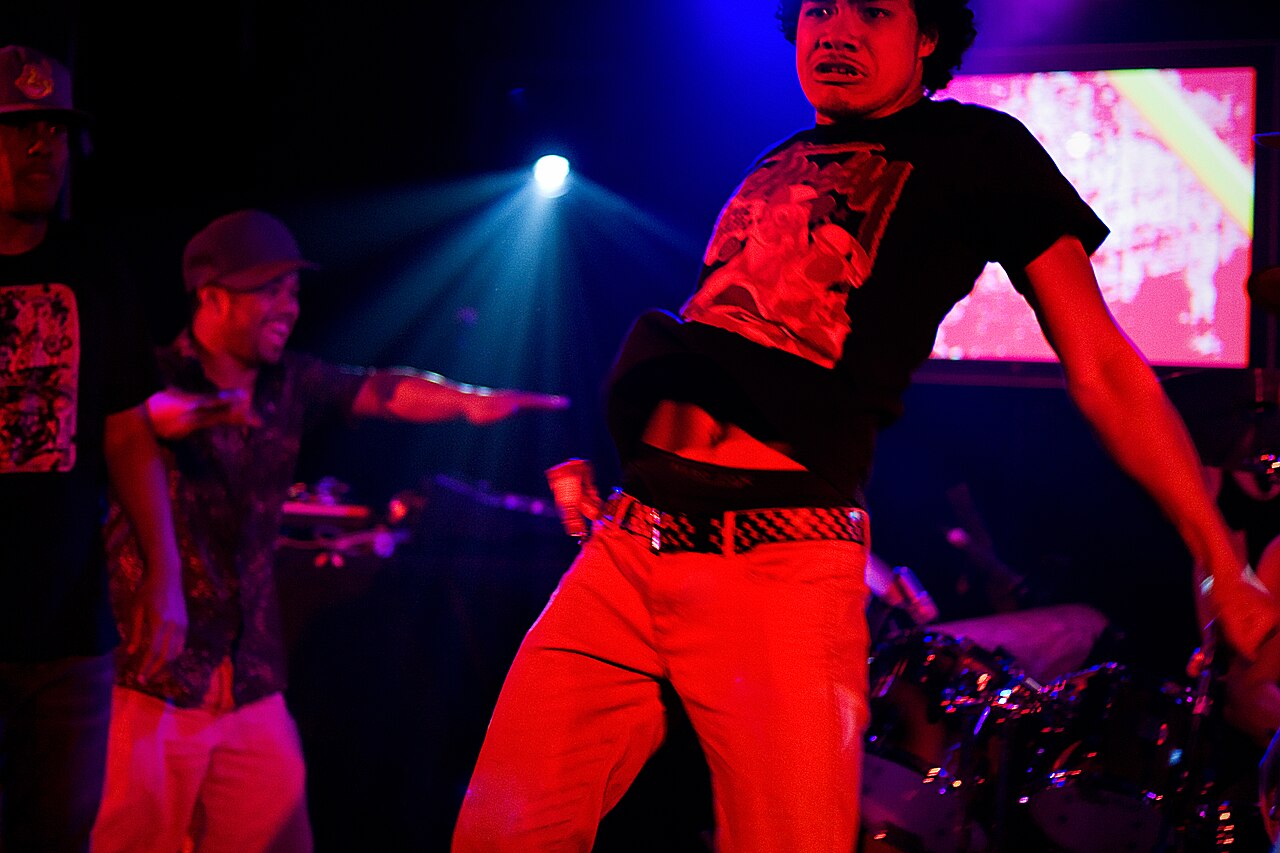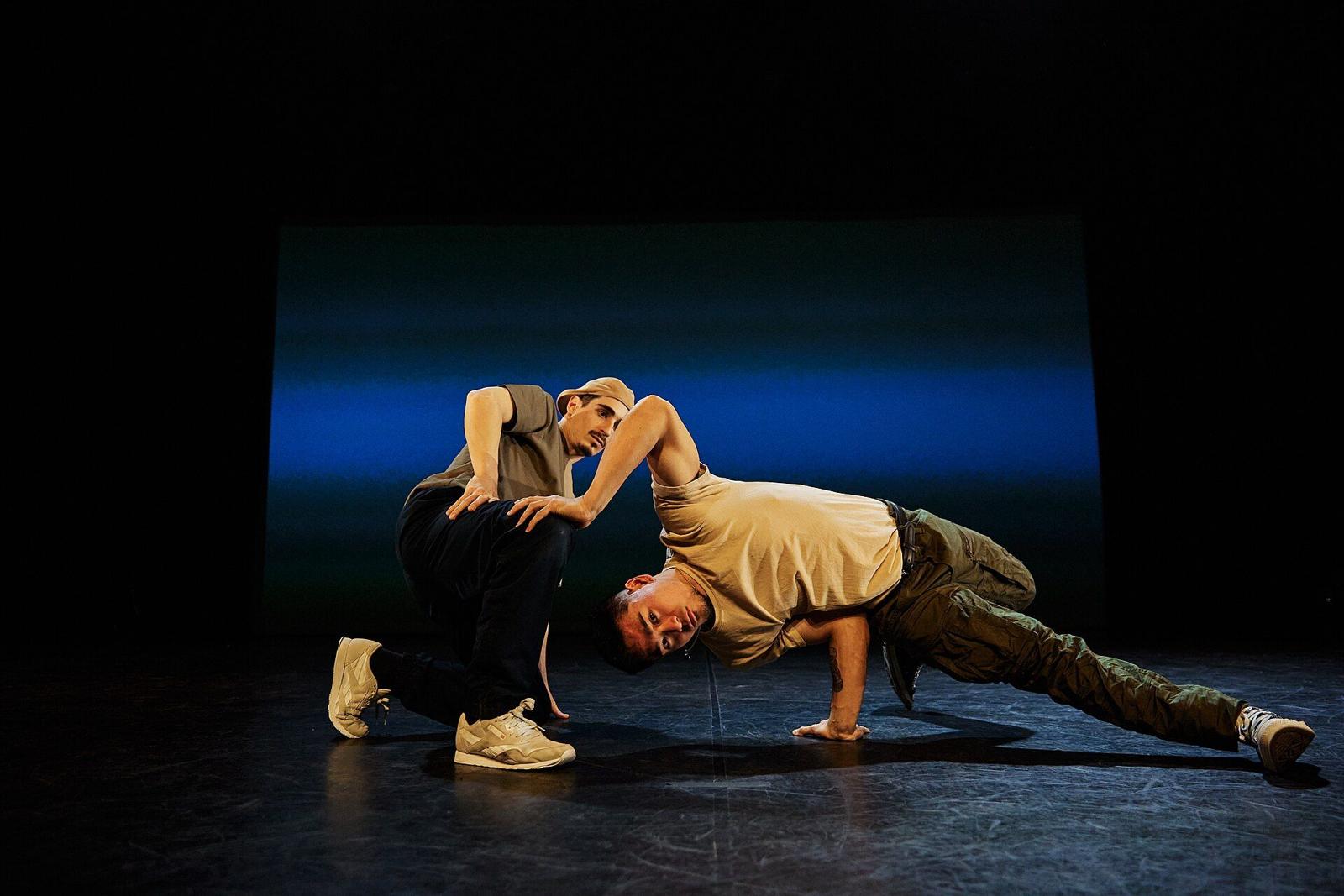
Popping is a funk dance built on hits: quick contractions and releases of the muscles, timed to the beat, so that the body seems to jolt or vibrate. It was born in Fresno, California, in the 1970s and spread through the crew the Electric Boogaloos and the television show Soul Train. It belongs to the family known as the funk styles, alongside locking, and later fed into hip-hop dance, but its roots are older and specifically Californian.
The Boogaloo Sam story
The best-known origin story credits Sam Solomon, known as Boogaloo Sam. As the historian Sean Slusser tells it for PBS SoCal, Sam drew on the spasmodic movements he saw from women "catching the spirit" at First Corinthians Baptist Church in Fresno. By 1975 he was developing secular versions of these movements and sharing them with Fresno dancers and with his younger brother, Timothy Solomon, later known as Popin' Pete.
Sam had also seen the Lockers, the Los Angeles locking crew, on television, and the name "boogaloo" echoes funk dance and James Brown's music.
The other Fresno story
Fresno remembers another beginning. A competing account traces popping to the Tulare housing project, where William "Tick'n Will" Green Jr. and Ricky Darnell McDowell developed foundational moves such as the "old man", the "twist-o flex" and the "neck-o flex" in their apartments. In 1976 they met Sam Solomon at Roeding Park, and he invited them into his new group.
Some dancers from Oakland and the Bay Area argue for a third origin: Bay Area boogaloo, which they say Fresno youth picked up at dances held during the West Coast Relays track meet. Slusser concludes that popping's roots are in Fresno, while recognising that Fresno youth drew on a statewide network linking their city to the Bay Area and Southern California.
As with many dances, the honest answer is that popping had several builders, and the story most often told is the one that reached television.
The Electric Boogaloos
In 1977, the group formed as the Electronic Boogaloo Lockers, practising at the Mary Ella Brown Community Center in west Fresno. Sam later moved to Long Beach, where Popin' Pete joined.
In 1978, the choreographer Jeff Kutash found them performing in Hollywood, shortened the name to the Electric Boogaloos, and booked them for venues and television shows. Sam left the group in 1979 but returned when Soul Train creator Don Cornelius asked for a performance. Their Soul Train appearances made popping visible across the United States.
Popin' Pete went on to work with Michael Jackson, including on "Thriller". Other names associated with the crew include Skeeter Rabbit and, later, Mr. Wiggles.
Popping, boogaloo and locking
Three words are often confused:
- Popping is the technique of hitting: contracting and releasing the muscles.
- Boogaloo is a fluid style of rolls and rotations of the hips, knees and head, developed by Sam alongside popping.
- Locking, from Los Angeles, is a different dance built on freezes and playful, exaggerated gestures.
Because the first crew was called the Boogaloo Lockers, the media often mixed popping and locking into "poplocking". Dancers in the funk styles generally keep them apart.
The style today
Popping is danced to funk, electro and later hip-hop, often in battles. It has its own vocabulary, including waving, tutting, strobing and the "dime stop", where a dancer moving smoothly halts as if stopping on a dime.
The world's major street dance battles have popping categories, and the Electric Boogaloos received a lifetime achievement award in 2012 at The Carnival: Choreographer's Ball in Los Angeles.
Popping's history shows something worth keeping in mind for every dance: the official story is usually the version that reached a camera. Fresno's church, housing project and community centre are where it actually began.
FAQ
Who invented popping?
The most popular account credits Sam Solomon, known as Boogaloo Sam, from Fresno, California, around 1975. A competing Fresno account credits William "Tick'n Will" Green Jr. and Ricky Darnell McDowell, and some Bay Area dancers trace it to Oakland's boogaloo.
Who are the Electric Boogaloos?
The crew founded by Boogaloo Sam in Fresno in 1977, first called the Electronic Boogaloo Lockers. They spread popping and boogaloo through television, notably Soul Train.
Is popping the same as locking?
No. Locking, created in Los Angeles, is built on sudden freezes and big, playful gestures. Popping is built on contracting and releasing muscles to the beat. The Electric Boogaloos' original name mixed the two, which is one reason the word poplocking exists.
Sources
- Sean Slusser, "Straight Outta Fresno: How the Popping Dance Movement Empowered Youth of Color", PBS SoCal Artbound, 17 November 2016
- KQED, "The Hip-Hop Dance Craze Born in Fresno: Popping"