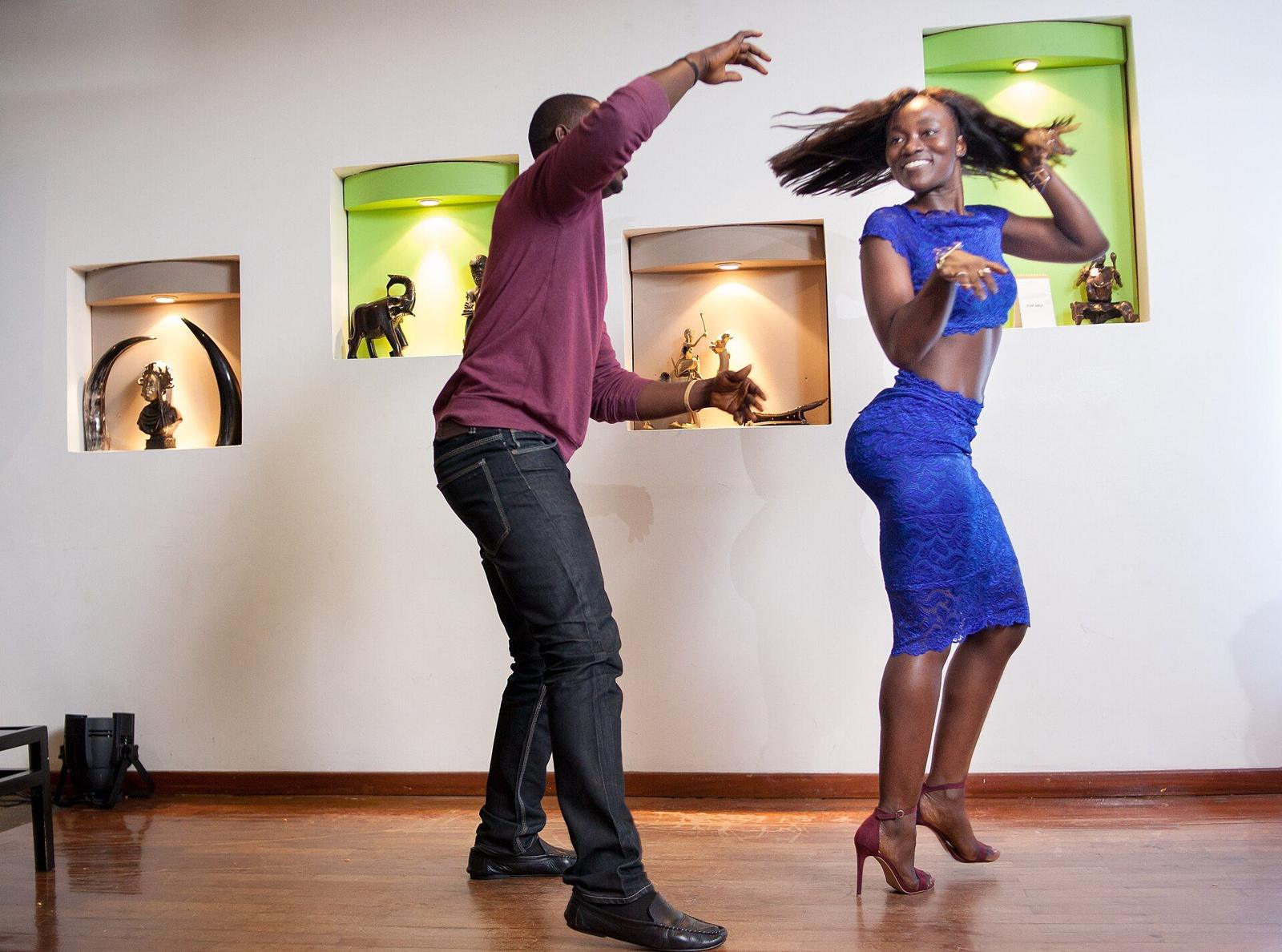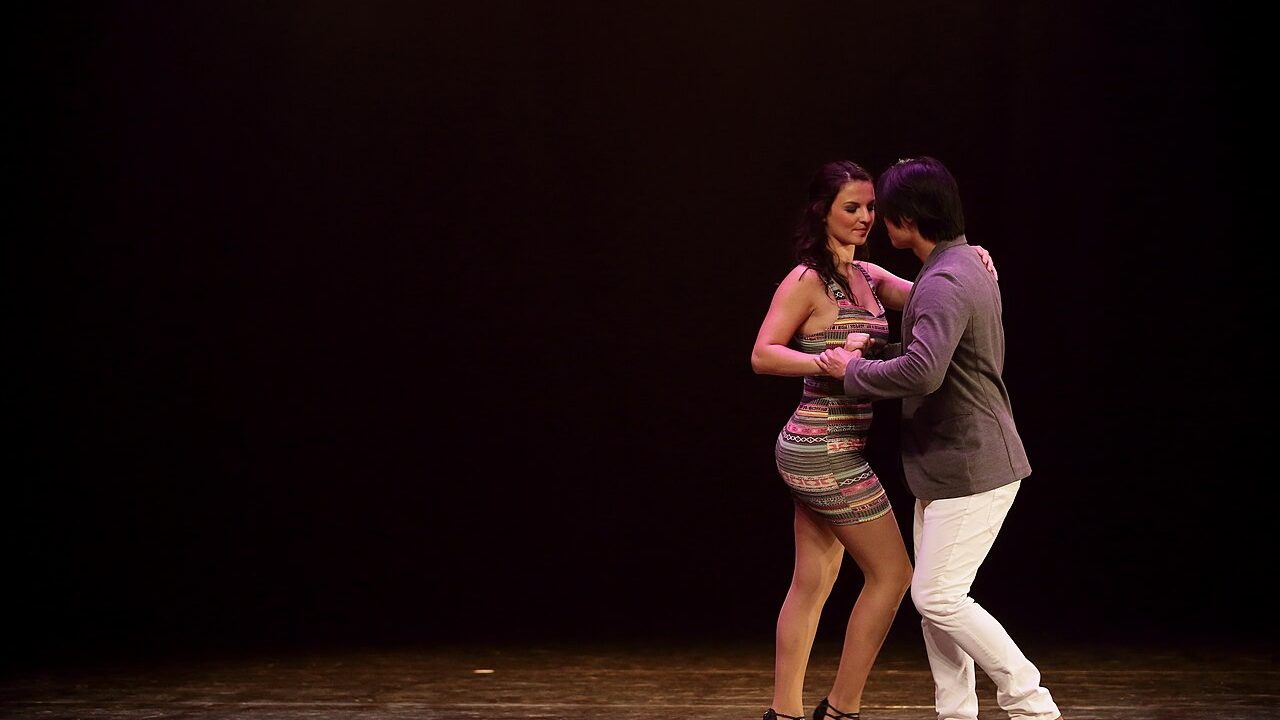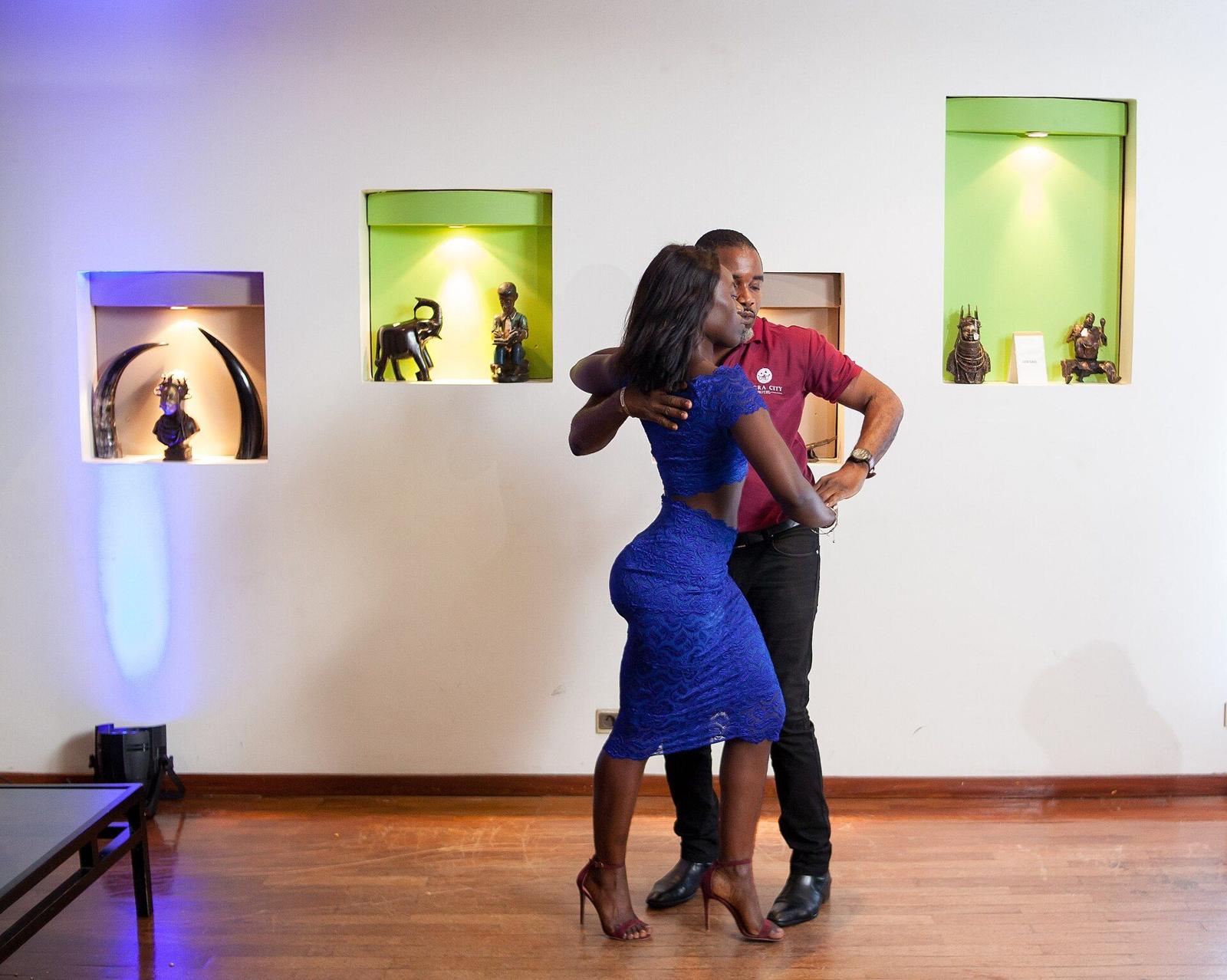
Tarraxo is two things at once. It is a slow, dark, electronic music that grew out of kizomba among Afro-Portuguese producers in and around Lisbon in the late 2000s. And it is the name of a codified partner dance, taught to that music on the international kizomba circuit since the 2010s. The music has Angolan roots. The dance, as it is taught today, was largely built in Europe.
This is a subject close to home for #DANCE: our founder Dawou Tarraxo is one of the pioneers of the dance style. That is exactly why we hold it to the strictest standard of sourcing.
The word
Tarraxa in Portuguese means a screw or bolt, and also the tuning peg of a guitar. Tarraxinha is the diminutive, a little screw. The Portuguese dictionary Priberam lists the word's origin as obscure. You will read that the name comes from the rotation of the wrists or the hips; that explanation appears on blogs and has no documented source.
The vocabulary is unstable. Tarraxinha is the term used in Angola, tarraxo the genre name used in Lisbon, and tarraxa is often used for the dance outside Angola. Some Angolans also say karaxinha, according to an AFP report from 2017.
What is documented about the music
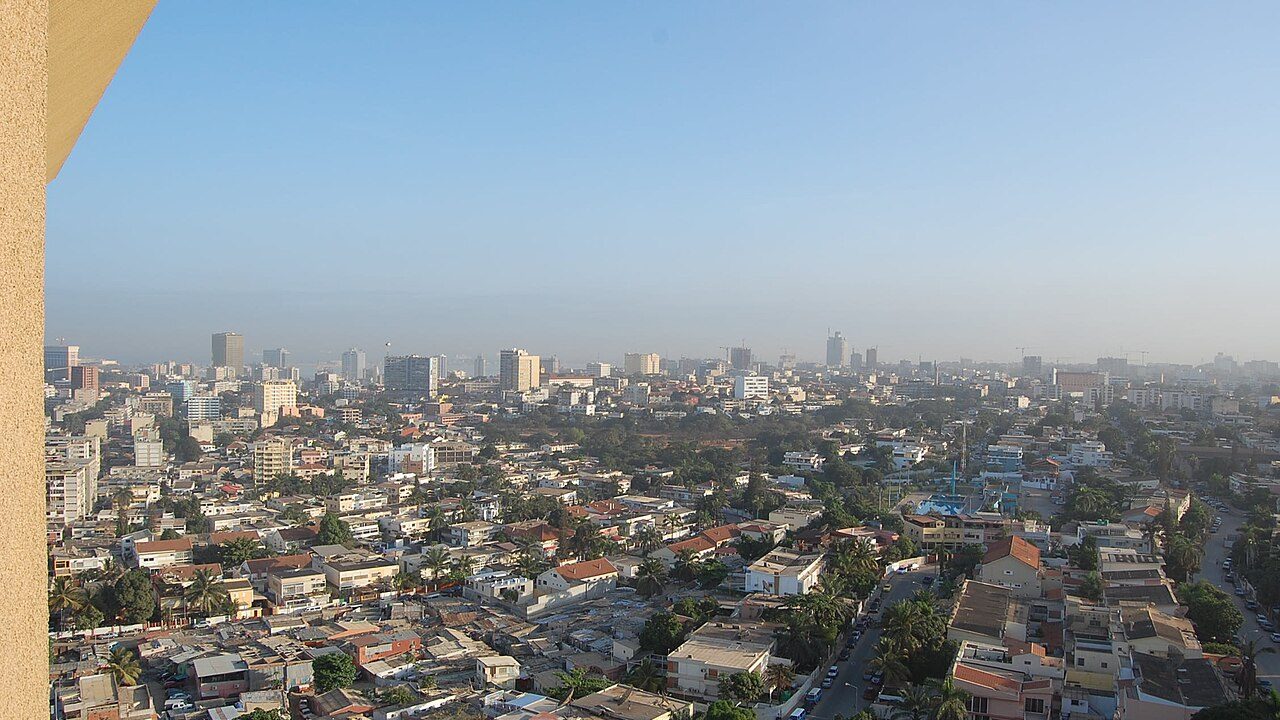
The documented trail points to Luanda first. DJ Znobia, from the Bairro do Rangel, is described by DJ Mag as a pioneer of the Angolan kuduro and tarraxinha scenes, and by Mixmag as a pioneer of the tarraxinha genre. His productions date from the late 1990s to the mid-2000s.
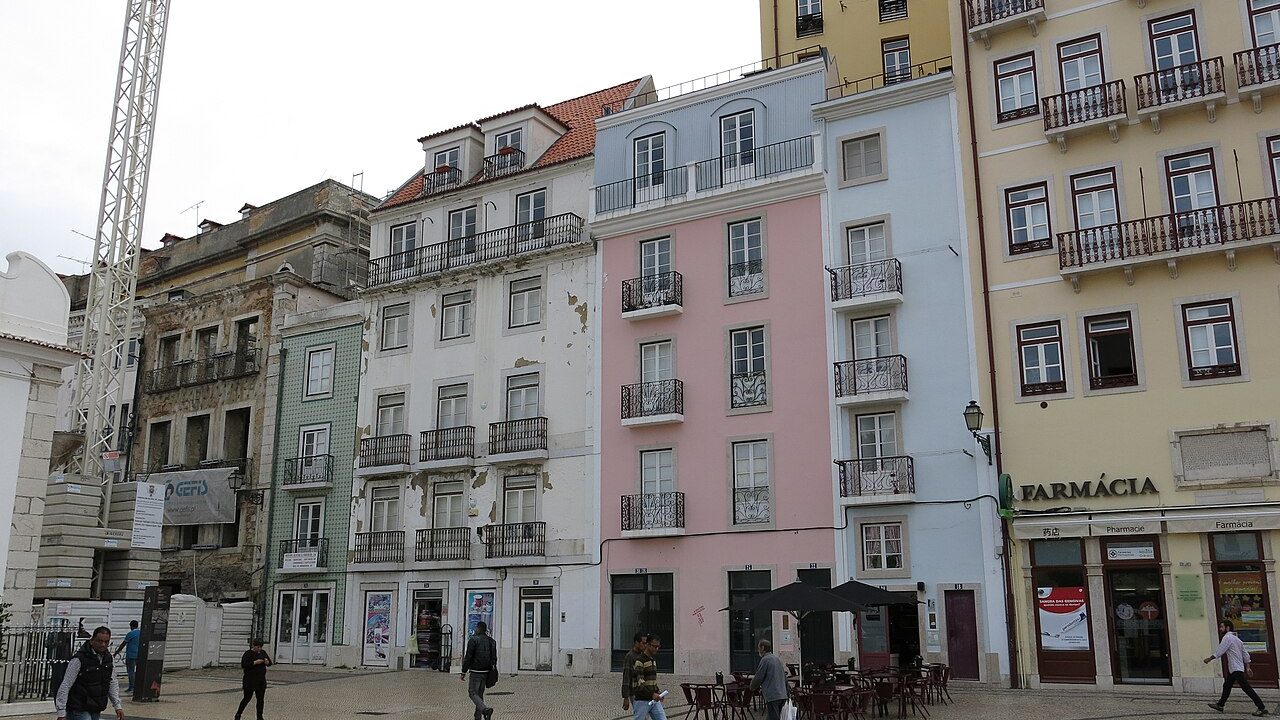
In Lisbon, the music took a new direction. DJ Matabaya, interviewed in 2014, placed the oldest tarraxo he knew in the Bairro da Jamaica around 2008, while hedging the date himself. The best source on the genre is the Lisbon label Príncipe Discos. Its co-founder Jose Moura put it simply in 2016: tarraxo started off close to kizomba, but was getting increasingly dark and synthetic. The producer most consistently associated with the sound is DJ BeBeDeRa, signed to Príncipe.
One fact rarely appears in dance-school histories. Raw tarraxo was practically banned from clubs in Portugal. DJ UmbFox told OkayAfrica in 2014 that playing it in Portuguese clubs would cost you your bookings because of its highly charged, raunchy nature. It lived at private Afro-Portuguese parties.
A formula you will hear in the scene, and which works as a description rather than a definition: tarraxinha is to kizomba what dub is to reggae.
Three claims that do not hold up
"Tarraxinha comes from Benguela." We found no independent source for this. The chain leads back to dance-school pages and festival marketing, then to an encyclopaedia entry citing a dance blog. The pages making the claim give three incompatible dates. What is documented points to Luanda.
"Tarraxo is around 90 BPM." The only documented figure, about 90 BPM, describes fodencia, a related style, according to DJ UmbFox. It should not be extended to tarraxo in general. We do not publish a tempo for tarraxo.
"Tarraxinha is static, tarraxo travels." This neat distinction comes from a single blog and from festival pages. No measured or academic source supports it.
What the scholarship says about the dance
The only academic description of tarraxinha comes from a paragraph by Livia Jiménez Sedano, published in 2019. She does not describe a separate dance. She describes a passage within kizomba: slow, coordinated, sinuous movements with the partners' hips in close contact.
That matters. It means the codified tarraxo taught today, with its own syllabus, figures and festival classes, is a recent creation. It was developed later and largely in Europe by named teachers who did real work and deserve credit for it, rather than having their work dissolved into a vague claim of ancient tradition. Nothing in that history makes the dance less legitimate. It makes it recent and traceable.
How Angolans talk about it
Two Angolan voices recorded by the AFP in 2017 show the tension. A troupe leader, Mateos Vandu Mavila, refused to let his dancers perform tarraxinha at weddings or festivals because it was far too sensual. The radio presenter Zelo Castelo Branco put the wider worry in one line: everybody dances kizomba, which is good, but those teaching it abroad are changing the style.
We found no published debate about consent specific to tarraxo, and no source describing the leader's frame in technical terms. Both questions are discussed in the scene. Neither has been documented, and we will not invent the documentation.
Tarraxo and kizomba today
On the dance floor, tarraxo usually sits inside kizomba events: a slower set, a separate class, a late-night room. Its relationship with urban kiz is close and sometimes contested, and its musical home is still Lisbon, where the producers keep pushing the sound somewhere darker.
The honest summary is short. Angolan roots, a Lisbon genre, a European-built dance, and real people at every step who should be named.
FAQ
Is tarraxo the same as tarraxinha?
The terms overlap and are used inconsistently. Tarraxinha is the Angolan word, tarraxo the genre name used in Lisbon, and tarraxa often names the dance outside Angola. Spellings such as tarrachinha also circulate.
Where does tarraxo come from?
The music has Angolan roots and was constituted as a genre among Afro-Portuguese producers in and around Lisbon in the late 2000s. The codified dance taught on the international circuit was developed later, largely in Europe.
What tempo is tarraxo?
There is no reliable tempo figure for tarraxo in general. The only documented number, around 90 BPM, refers to fodencia, a related style, not to tarraxo as a whole.
Sources
- Bandcamp Daily, interview with Jose Moura of Príncipe Discos, November 2016
- OkayAfrica, DJ UmbFox interview, February 2014
- AFP, report on kizomba and tarraxinha in Angola, 6 October 2017
- Livia Jiménez Sedano, Revue européenne des migrations internationales 35(3-4), 2019
- DJ Mag and Mixmag profiles of DJ Znobia, 2023