Bachata is the music and couple dance of the Dominican Republic. UNESCO describes it as a fusion of rhythmic bolero with other Afro-Antillean genres such as son, cha-cha-cha and merengue, sung mostly about love, passion and nostalgia. First recorded in 1962, dismissed for decades as the music of the poor, it was inscribed on UNESCO's list of intangible heritage in 2019 and is now danced in almost every city that has a social dance scene.
A word for a party
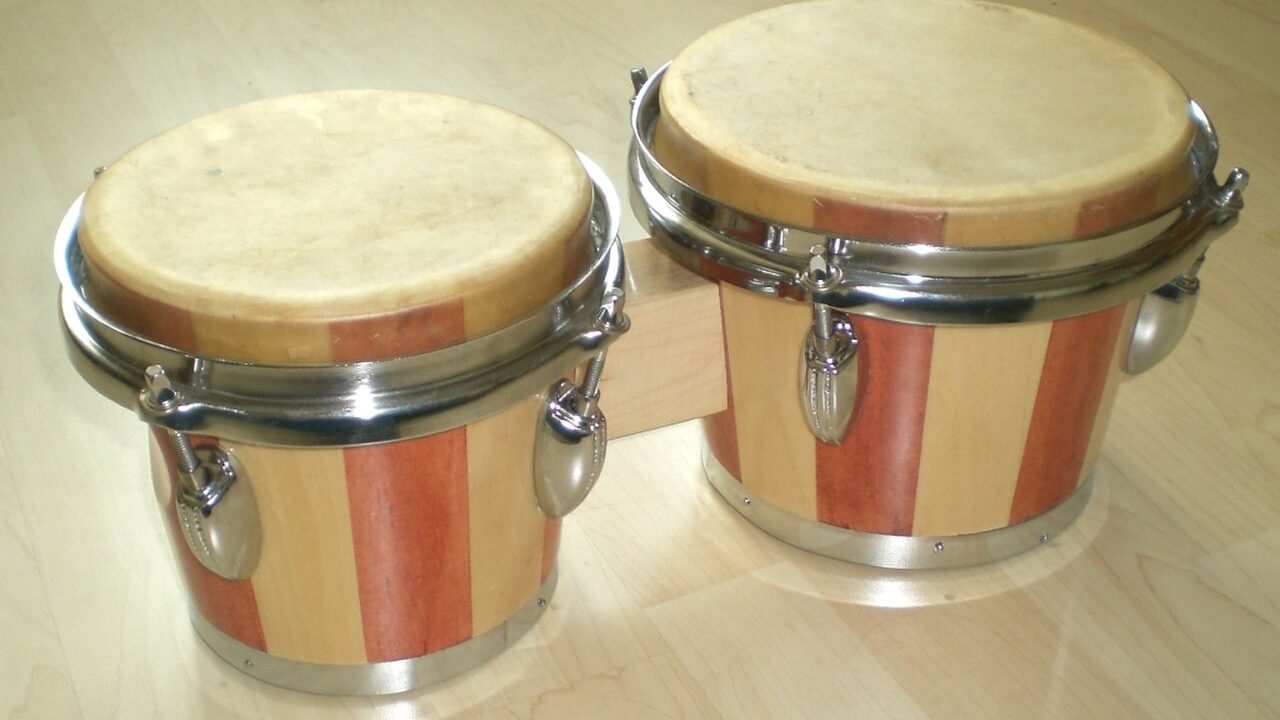
UNESCO notes that the word bachata, presumed to be of African origin, first meant a lively gathering rather than a musical genre. The music now called bachata grew in the Dominican countryside and in the poor neighbourhoods that rural migrants built around Santo Domingo, played on guitars, bongos, maracas or güira, and later bass.
1962: the first record
The first recording is credited to José Manuel Calderón, with "Borracho de amor" and "Condena", made in 1962 at the studios of Radio Televisión Dominicana. The guitarist Edilio Paredes, quoted by the researcher Julie A. Sellers, remembers that the style was then called bolero de guitarra.
The date matters. Rafael Trujillo, who ruled the Dominican Republic as a dictator, was killed in 1961, and the years that followed opened space for new popular music and new recording.
Not everyone accepts Calderón as the starting point. When UNESCO inscribed bachata in 2019, the sociologist and producer Tommy García told Diario Libre he did not believe bachata began with Calderón and placed the definition of the genre in the 1980s. Both views describe the same truth: bachata existed informally before anyone recorded it, and took its modern shape much later.
Music of bitterness
For years the music was known as música de amargue, music of bitterness. Calderón himself told Diario Libre that the name was forced on it by discrimination, because "bachata" was used as a put-down. Middle-class and elite Dominicans associated it with bars, brothels and rural poverty, and radio largely ignored it.
The sound kept changing anyway. In 1987, Blas Durán recorded "Mujeres hembras" with an electric guitar, a turning point for the genre's sound.
Respectability and the world
In 1990, Juan Luis Guerra released Bachata Rosa, which won a Grammy in 1992. It gave the genre a polish and a prestige it had never had, and is routinely credited with making bachata acceptable to wider audiences.
From the late 1990s, the Dominican diaspora in New York pushed it further. The group Aventura, from the Bronx, mixed bachata with R&B and hip-hop and became the genre's biggest international act. In 2021 their collaboration with Bad Bunny, "Volví", reached number one on Billboard's Hot Latin Songs chart.
The dance
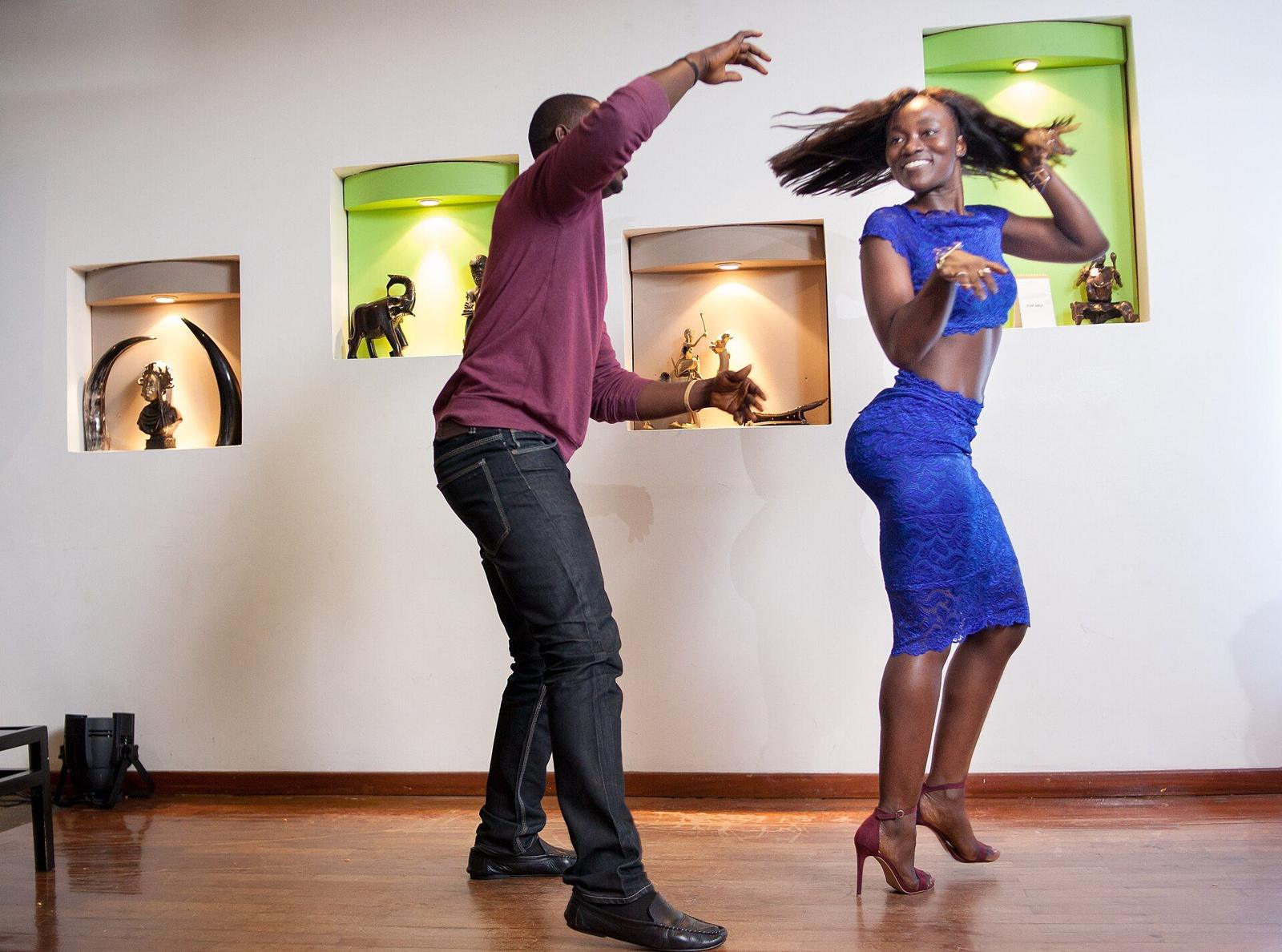
UNESCO describes the dance as a couple dance with a sensual hip movement and a simple eight-step structure. In the Dominican Republic it is learnt spontaneously from childhood, and UNESCO counts more than a hundred academies, studios and schools teaching it.
The original social dance was danced close, in the closed position inherited from bolero. Dominican style today also includes fast footwork and playful turns.
Bachata Sensual and the styles debate
Outside the Caribbean, bachata became a different object. The most influential international style, Bachata Sensual, was developed in Cádiz, Spain, by Jorge "Korke" Escalona and Judith Cordero. Their own academy dates it to 2004; other sources say around 2005. It adds body waves, isolations and a more fluid, dramatic partner connection, with influences from other partner dances including zouk.
Alongside it you will hear about bachata moderna, fusion styles and more recent concepts. On the festival circuit these styles dominate.
That has created a recurring argument, similar to the one between kizomba and Urban Kiz: many dancers learn bachata as a European studio style and never encounter the Dominican dance or its history. The UNESCO inscription is a reminder that the music and dance belong first to a community, and that its roots are in Dominican neighbourhoods, not in congress ballrooms.
Where the scene meets
International bachata life runs largely through festivals and congresses, the model we trace in Who Invented the Dance Congress?. If you travel to them, know your rights as a ticket holder too: see our guide to what comes back when a festival is cancelled.
Bachata's journey, from a word for a party to a record made the year after a dictator's death, to heritage of humanity, is one of the great stories of Caribbean music. Dancing it well includes knowing where it comes from.
FAQ
Where does bachata come from?
From the Dominican Republic. UNESCO describes it as a fusion of rhythmic bolero with other Afro-Antillean genres such as son, cha-cha-cha and merengue.
What was the first bachata recording?
José Manuel Calderón is credited with the first recordings, "Borracho de amor" and "Condena", made in 1962 at the Radio Televisión Dominicana studios. At the time the style was called bolero de guitarra.
Who created Bachata Sensual?
Jorge "Korke" Escalona and Judith Cordero, in Cádiz, Spain. Their academy dates the style to 2004; other sources say around 2005.
Is bachata UNESCO heritage?
Yes. The music and dance of Dominican bachata was inscribed on UNESCO's Representative List of the Intangible Cultural Heritage of Humanity in December 2019, at the committee session in Bogotá.
Sources
- UNESCO Intangible Cultural Heritage, Music and dance of Dominican Bachata, element 01514 (2019)
- Julie A. Sellers, Bachata and Dominican Identity, McFarland, 2014
- Diario Libre, "El origen de la bachata genera controversia", December 2019
- Goandance, artist pages of Korke y Judith and Judith Cordero