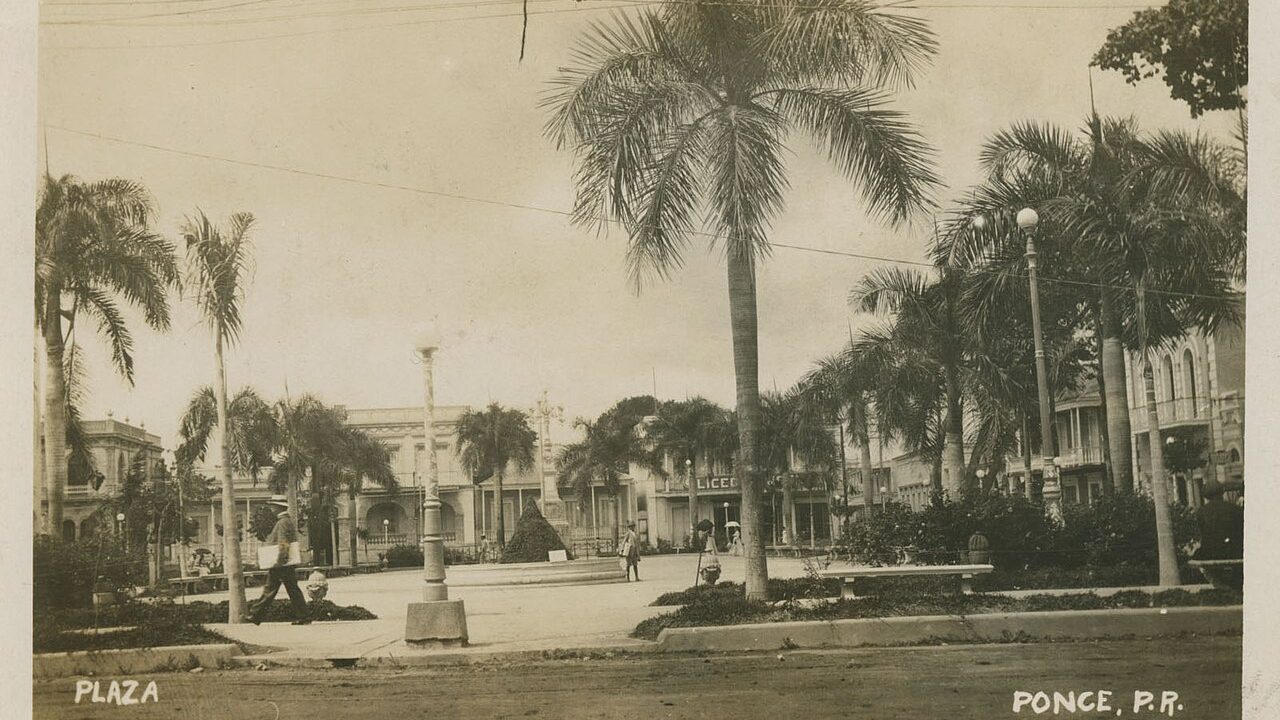
Héctor Lavoe was the voice of New York salsa. Born Héctor Juan Pérez Martínez on 30 September 1946 in Ponce, Puerto Rico, he moved to New York as a teenager, joined Willie Colón's band in 1967 and became a star of the Fania label, then a soloist with hits like "El Cantante" and "Periódico de ayer". Fans called him El Cantante de los Cantantes, the singer of singers. He died in New York on 29 June 1993, aged 46, but his songs remain among the most danced in salsa.
From Ponce to New York
Lavoe grew up in the Machuelo Abajo barrio of Ponce, in a musical family. Biografías y Vidas notes that he grew up listening to the popular music of Puerto Rico and singers such as Chuíto el de Bayamón and Daniel Santos, whose jíbaro country style influenced him deeply.
He arrived in New York at 17, with little formal training but a voice and a phrasing that stood out. His stage name is usually explained as a play on la voz, the voice.
Willie Colón and El Malo
In 1967, Lavoe became the singer of trombonist Willie Colón's band. Their first album, El Malo, launched a run of records, among them Guisando, La Gran Fuga, Lo Mato and El Juicio, and the much-loved Christmas albums Asalto Navideño. Songs like "Canto a Borinquen" made the duo stars.
Their sound was rough, streetwise and full of humour, with Colón's trombones and Lavoe's improvised lines, his soneos, answering the chorus. It became one of the signature sounds of Fania, the label whose story we tell in The Fania All-Stars at the Cheetah.
Going solo
After the partnership with Colón ended, Lavoe launched his own band as lead singer. According to El Nuevo Diario, his first solo album, La Voz, earned a gold record, and Latin NY magazine named him best male vocalist of 1976.
His solo hits include "El Cantante", written by Rubén Blades, "Bandolera" by Colón and "Periódico de ayer" by Tite Curet Alonso. El Caribe recalls that it was Colón who suggested to Blades that nobody could sing "El Cantante" better than Lavoe. The song, about the singer who entertains everyone while hiding his own pain, became his signature.
He also toured and recorded with the Fania All-Stars, sharing stages with Celia Cruz, Ray Barretto, Johnny Pacheco and many others. Our portrait of Celia Cruz covers another great voice of that era.
A difficult life
Lavoe's life was marked by tragedy and addiction. El Caribe describes a man worn down by personal losses, drug use and HIV contracted in the late 1980s. He died of a heart attack linked to complications of AIDS in June 1993. His remains were later reburied in Ponce. His story has been told in two films, El Cantante (2006) and Lavoe (2011).
Why dancers still love him
Lavoe's records are made for the dance floor: strong grooves, long montunos and a singer who plays with the rhythm, answers the band and makes you want to move. They are staples of salsa socials around the world, and especially of New York-style dancing, which we explore in Salsa On2.
When a DJ drops "El Cantante" or "Periódico de ayer", the floor fills. More than three decades after his death, the singer of singers is still singing for dancers.
FAQ
Who was Héctor Lavoe?
Héctor Juan Pérez Martínez, born on 30 September 1946 in Ponce, Puerto Rico, was a salsa singer known as El Cantante de los Cantantes. He died in New York on 29 June 1993, aged 46.
What are Héctor Lavoe's most famous songs?
With Willie Colón: 'El Malo' and 'Canto a Borinquen'. As a soloist: 'El Cantante', written by Rubén Blades, 'Periódico de ayer', written by Tite Curet Alonso, and 'Bandolera', written by Colón.
Why was he called Lavoe?
The stage name is usually explained as a play on 'la voz', the voice.
Sources
- Wikipedia, "Héctor Lavoe"
- Biografías y Vidas, "Héctor Lavoe"
- El Nuevo Diario (Santo Domingo), "Héctor Lavoe cumpliría hoy 74 años de edad", 30 September 2020
- El Caribe, "30 años de la muerte de Héctor Lavoe, la voz definitiva de la salsa", 2023