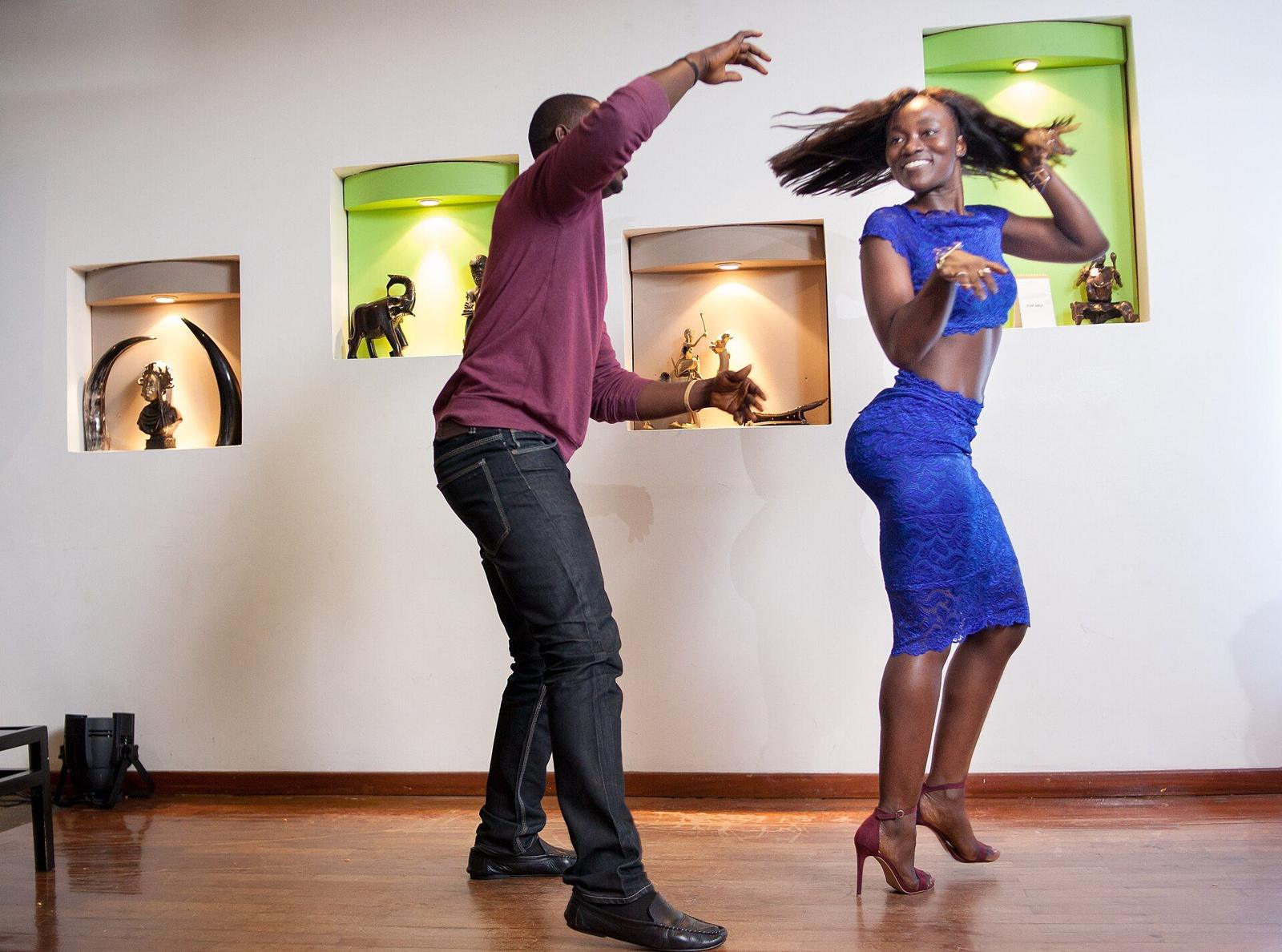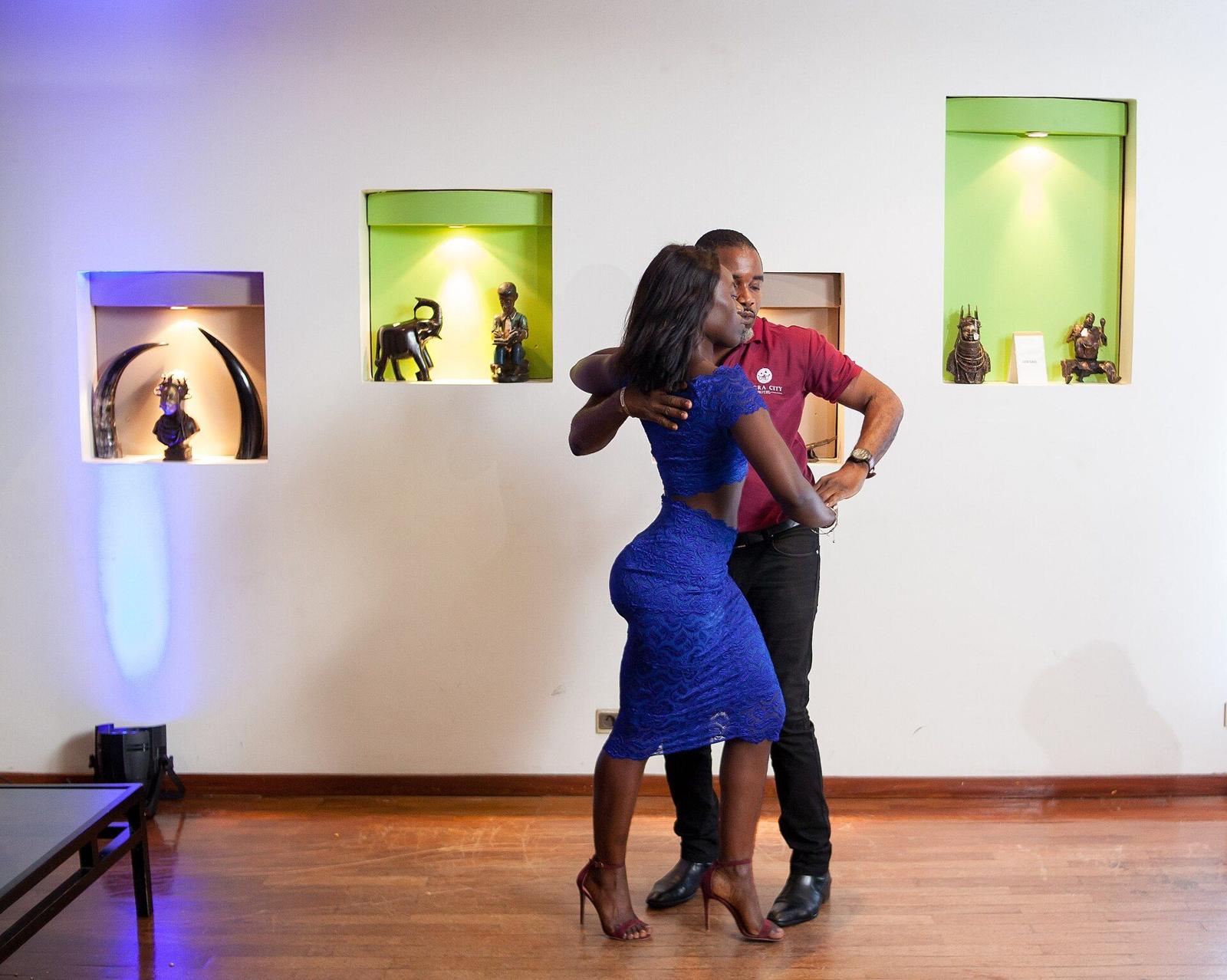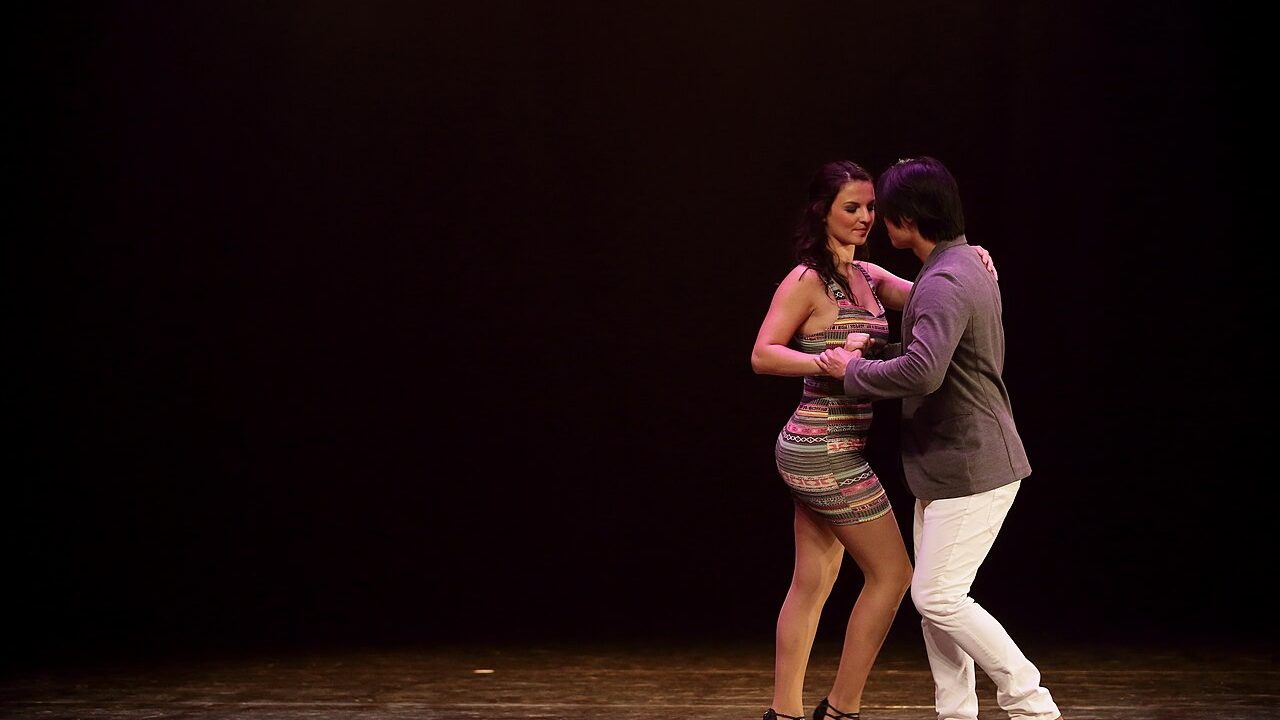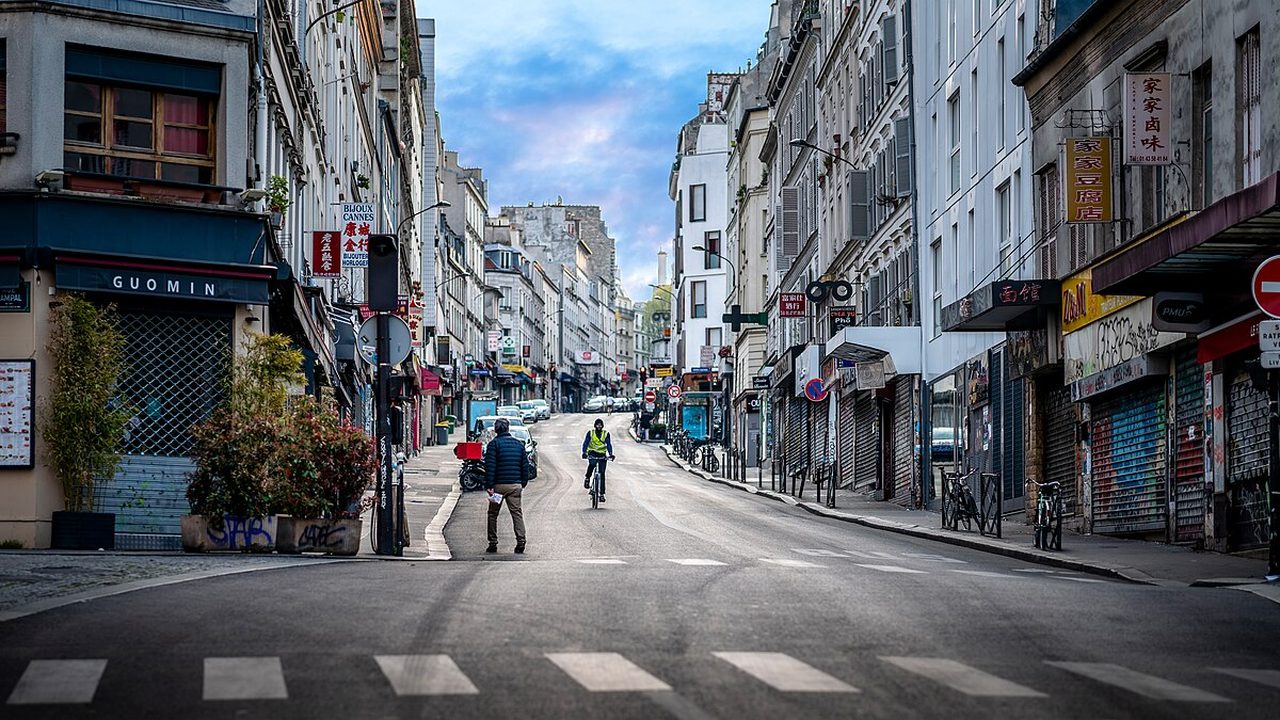
Urban kiz is a partner dance that grew out of kizomba among young dancers in the eastern suburbs of Paris, from around 2010. It was given its current name in 2014. Compared with kizomba, it uses straighter lines, more separation between partners, connection through the arms, and a vocabulary of stops, taps and isolations that play with the music's subdivisions.
Most online histories of urban kiz start with a founder. The documented history starts with a place.
A park in Noisy-le-Grand
The only academic research on the subject is an article by the anthropologist Deborah Puccio-Den, published in 2024 in the journal Silence(s). She traces the style to dancers from Seine-Saint-Denis, the département known as the 93, and from other stigmatised suburbs around Paris.
The key location she identifies is Park Futbol in Noisy-le-Grand, where dancers gathered from around 2010. She notes that it stood about 850 metres from the Gymnase de la Butte Verte, which burned during the riots of 2005. The detail is not decorative. Urban kiz was made by young people from neighbourhoods that French public life often described only through their problems, and the dance gave them a different way to be seen.
Puccio-Den records small details that say a lot about the culture: T-shirts reading Raconte pas ta vie !!! ("Don't tell your life story"), and a DJ who talked about keeping silence even inside the noise.
Before it was called urban kiz
The name urban kiz was adopted in 2014. Before that, the same dancing went by kizomba 2.0, French style kizomba, new style kizomba or kizomba fusion. Another label recorded in the period was "Urban Mafia".
The change of name was not cosmetic. It marked the moment when a group of dancers decided that what they were doing was no longer a variation of kizomba but something with its own identity, a claim that is still argued about. We look at that argument in Kizomba vs Urban Kiz.
The founder question
You will find teachers credited as the founders of urban kiz in encyclopaedia entries and on their own websites. We checked. Those attributions rest on YouTube videos, a self-published book and self-descriptions. None is supported by independent documentation.
That does not mean those teachers did not shape the style. Some clearly did, and the international spread of urban kiz owes a great deal to a handful of instructors who travelled and taught it. It means the documented origin is collective, and any single name presented as "the founder" goes further than the evidence.
How urban kiz is danced
The best technical description comes from teachers rather than researchers, so treat it as practice, not theory. In a 2021 self-published guide, the teacher Kelvin Kramp described its core features:
- separation between partners rather than a constant chest connection
- connection carried through the arms and frame
- straight lines and extended legs
- stops, taps and isolations
- the principle of the "&", using the half-beats between counts
Urban kiz is usually danced to ghetto zouk and to electronic or remixed tracks. Ghetto zouk itself was born in the Netherlands; the singer Nelson Freitas, born in Rotterdam, is one of its best-known voices.
There is no reliable tempo figure for urban kiz, and we do not publish one. We also found no source documenting the saída or the often-repeated idea that urban kiz is defined by "softness". Both appear in teaching material without evidence.
Urban kiz and tarraxo
Urban kiz is often danced next to tarraxo, and the two share rooms, DJs and teachers at festivals. Their musical roots are different: tarraxo came out of Lisbon's Afro-Portuguese production scene in the late 2000s, while urban kiz grew on the dance floors of the Paris suburbs. On the international circuit, the boundary between them is often blurred, sometimes deliberately.
Why it matters
Urban kiz is one of the few partner dances of the last twenty years whose birthplace can be located almost to the street. That is a gift for a dance culture. It means the people who made it can still be found, asked and credited, if the scene is willing to do the work instead of repeating founder myths.
FAQ
Where did urban kiz start?
In the eastern suburbs of Paris, especially Seine-Saint-Denis (the 93). The only academic study traces a key gathering place to Park Futbol in Noisy-le-Grand, from around 2010. The name urban kiz was adopted in 2014.
Who founded urban kiz?
No individual founder is documented. Several teachers are credited online or credit themselves, but those claims rest on videos and self-published material. The documented picture is collective.
What were urban kiz's earlier names?
Kizomba 2.0, French style kizomba, new style kizomba and kizomba fusion were all used before urban kiz became the standard name.
Sources
- Deborah Puccio-Den, Silence(s), vol. 1/2, 2024, DOI 10.56698/silences.208
- Kelvin Kramp, self-published technical writing on urban kiz, 2021 (cited as a teacher's account)