Zanku, also called legwork, is a Nigerian street dance built on fast, energetic footwork. It took over Nigeria at the end of 2018, when the rapper Zlatan Ibile released the single "Zanku (Legwork)" and made the dance his signature. Zlatan says the word is an acronym for "Zlatan Abeg No Kill Us". Like shoki and shaku shaku before it, the dance is widely traced to the streets of Agege in Lagos, and it soon spread across Africa and beyond through social media.
Where it comes from
As with most street dances, the true origin is hard to pin down. Pulse Nigeria wrote in December 2018 that dance steps are usually inspired by older dances or adaptations of trending moves, and that Agege was fast becoming the new home of viral dances. The Native notes that Zlatan himself paid homage to Agege, shouting out the district at the start of the song.
Zlatan gave OkayAfrica another detail: he said he noticed the dance on visits to The Shrine, the famous Lagos venue, and refashioned it into a trend.
Agege's role is no accident. The same neighbourhood is linked to shaku shaku, the craze of 2017, and to shoki before it.
Zlatan and the songs
Zlatan Ibile, born Omoniyi Temidayo Raphael in Lagos in 1994, was already making a name in street-hop. According to Wikipedia, the dance appeared in his 2018 video "Jogor", with Lil Kesh and Naira Marley, and in Chinko Ekun's hit "Able God", released in October 2018 with Zlatan and Lil Kesh. OkayAfrica notes that zanku found ample space in "Able God".
Then came "Zanku (Legwork)" at the end of 2018, which named the dance outright. Its success led Zlatan to call his debut album Zanku, released on 3 November 2019. He told The Guardian Nigeria that when legwork blew up with the song, he made sure to protect the name.
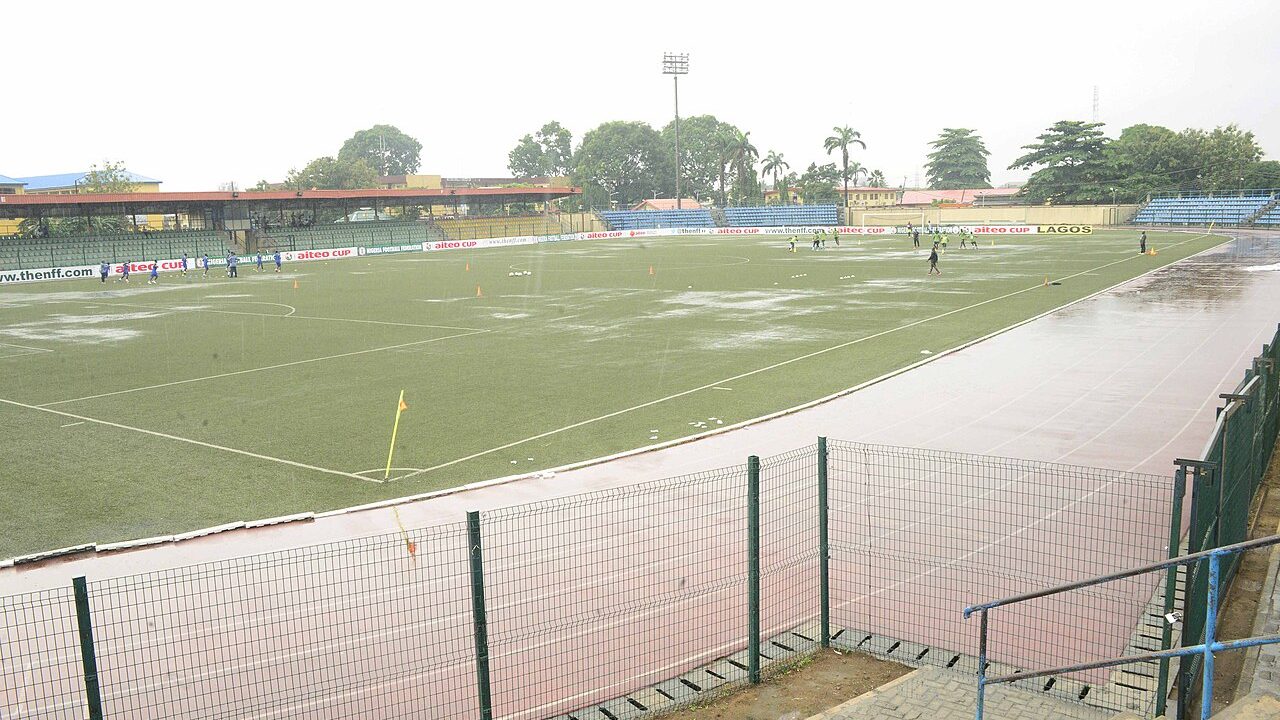
Pulse's December 2018 report on the craze opened with Small Doctor's Omo Better concert at Agege Stadium, one of the big street concerts of that season.
How it looks
Zanku is all about the legs. Dancers move with quick foot shuffles, kicks and jumps, often with the arms and chest adding rhythm. Rather than a fixed routine, it is a style: a base of fast legwork that each dancer personalises.
Because it is energetic and fun to film, it spread quickly online, with people challenging each other to out-dance their friends. Spin-offs and variations followed, including dancers who built their own names on legwork.
From Lagos to the world
Zanku travelled further than many Nigerian dances. The Native describes how Zlatan took over the role Olamide had long played as the main exporter of dance steps from the edges of Lagos. Within a couple of years, legwork moves were turning up in dance videos far beyond Nigeria, even in Beyoncé's video for "Already", according to an essay on African dance by Unruly.
The story fits a pattern we follow in How TikTok changed the way African music goes global: street dances now travel as fast as the songs that carry them.
Zanku and its cousins
Zanku belongs to a family of West African street dances that rise with a song and a scene. Ghana's azonto opened the door internationally; shoki, shaku shaku and zanku followed from Lagos. Each one carries the energy of its moment, and each one started on the street before it reached the charts.
FAQ
What is zanku?
A Nigerian street dance, also called legwork, built on quick, energetic footwork. It became a national craze at the end of 2018 through the rapper Zlatan Ibile.
What does zanku mean?
Zlatan has said it is an acronym for 'Zlatan Abeg No Kill Us'. The exact origin of the word is still debated.
Where does zanku come from?
It is widely traced to the streets of Agege in Lagos, the same district linked to shoki and shaku shaku. Zlatan has also said he noticed the dance at The Shrine in Lagos and refashioned it.
Sources
- Wikipedia, "Zlatan (musician)"
- Pulse Nigeria, "Zanku: the new viral dance that has taken over the Nigerian music scene", 12 December 2018
- OkayAfrica, "Is zanku set to be the new dance craze of 2019?"
- The Native, "The life and times of Nigerian dance royalty, Zanku"
- The Guardian Nigeria, "Zlatan: Afrobeats' merchant of hope"