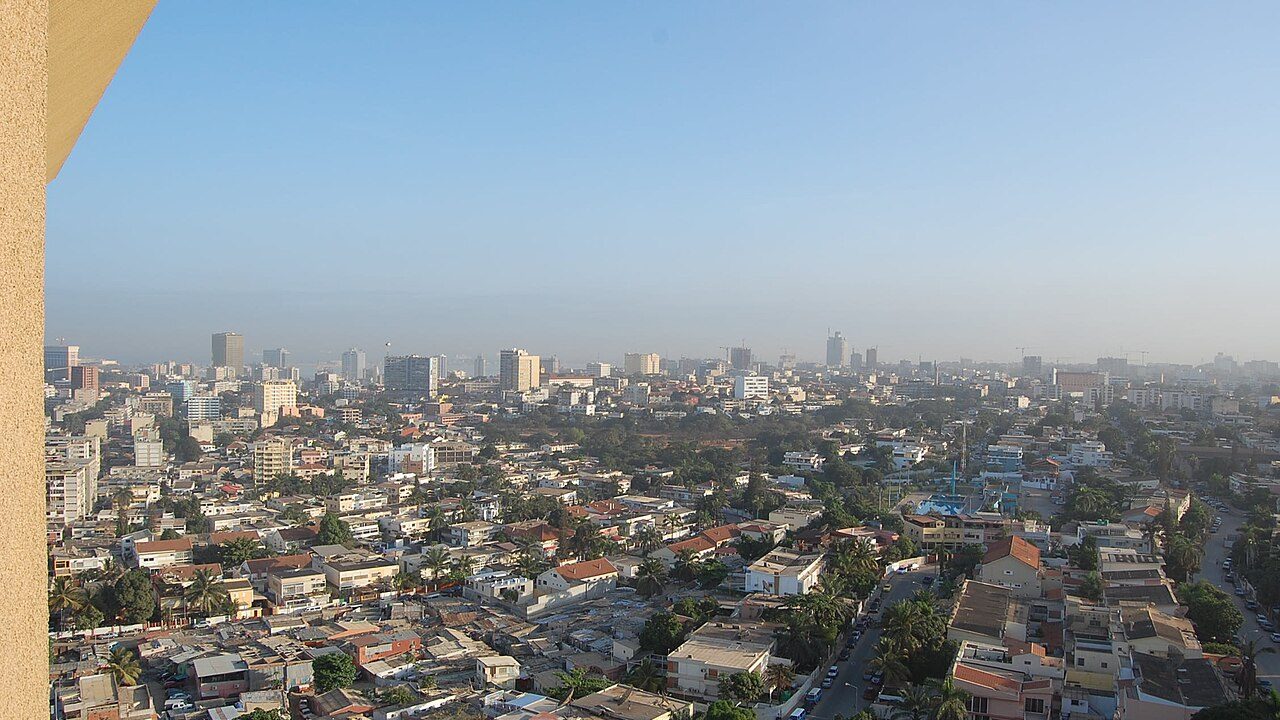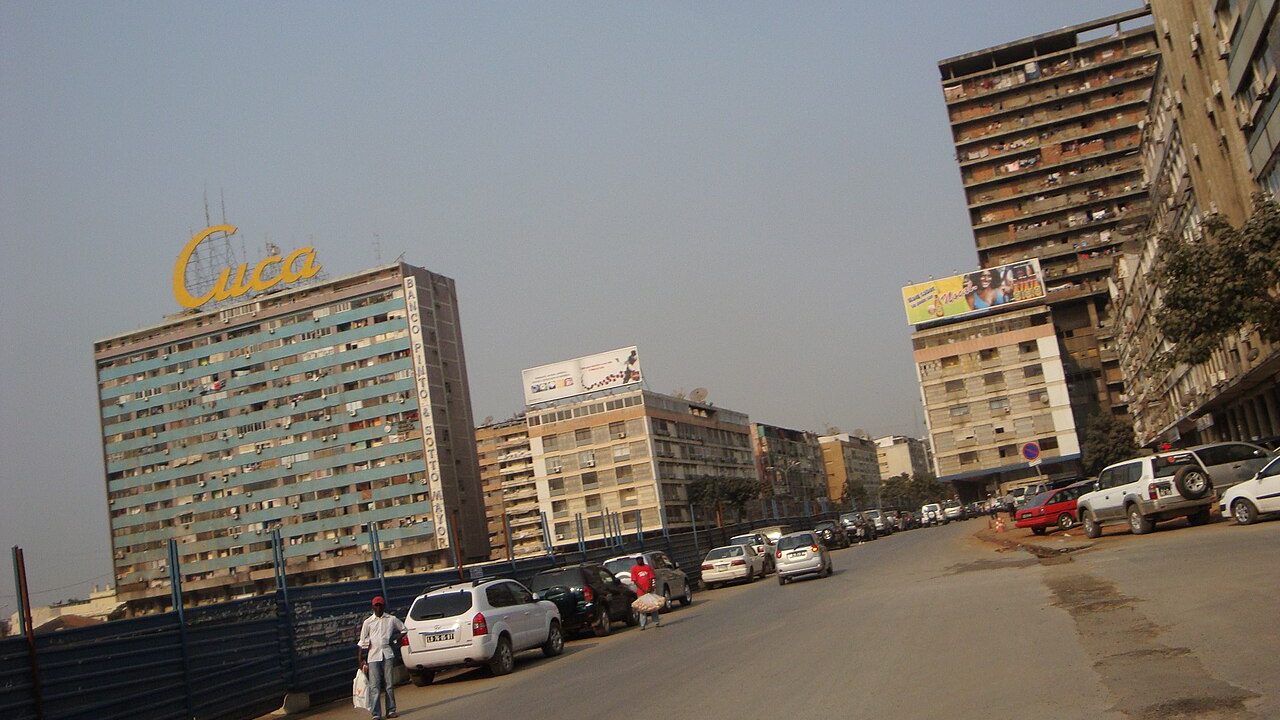
Most Angolan kizomba is sung in Portuguese. A large share of the music played as kizomba on European dance floors is Cape Verdean and sung in Kriolu, a Creole with a mostly Portuguese vocabulary. Some tracks mix Portuguese, Kriolu and English, and a few Angolan artists sing in Kimbundu. Which language you hear says a great deal about where a song was made.
Angola: Portuguese at the centre
Article 19 of Angola's Constitution makes Portuguese the only official language. The state commits to value and promote the country's other languages, but none of them is co-official.
The 2014 census, which asked about languages spoken at home and allowed several answers, found Portuguese spoken by 71% of the population: 85% in towns and 49% in the countryside. Umbundu followed at 23%, then Kikongo at 8.2%, Kimbundu at 7.8% and Chokwe at 6.5%.
Be careful with figures you see elsewhere. Depending on the question asked, sources give very different shares for "native" Portuguese speakers. We publish only the home-language figures from the 2014 census, because they come from a defined question.
Why the songs are not in Kimbundu
Kizomba was born in Luanda, a Kimbundu-speaking region, so why are so few of its lyrics in Kimbundu? The answer is political history.
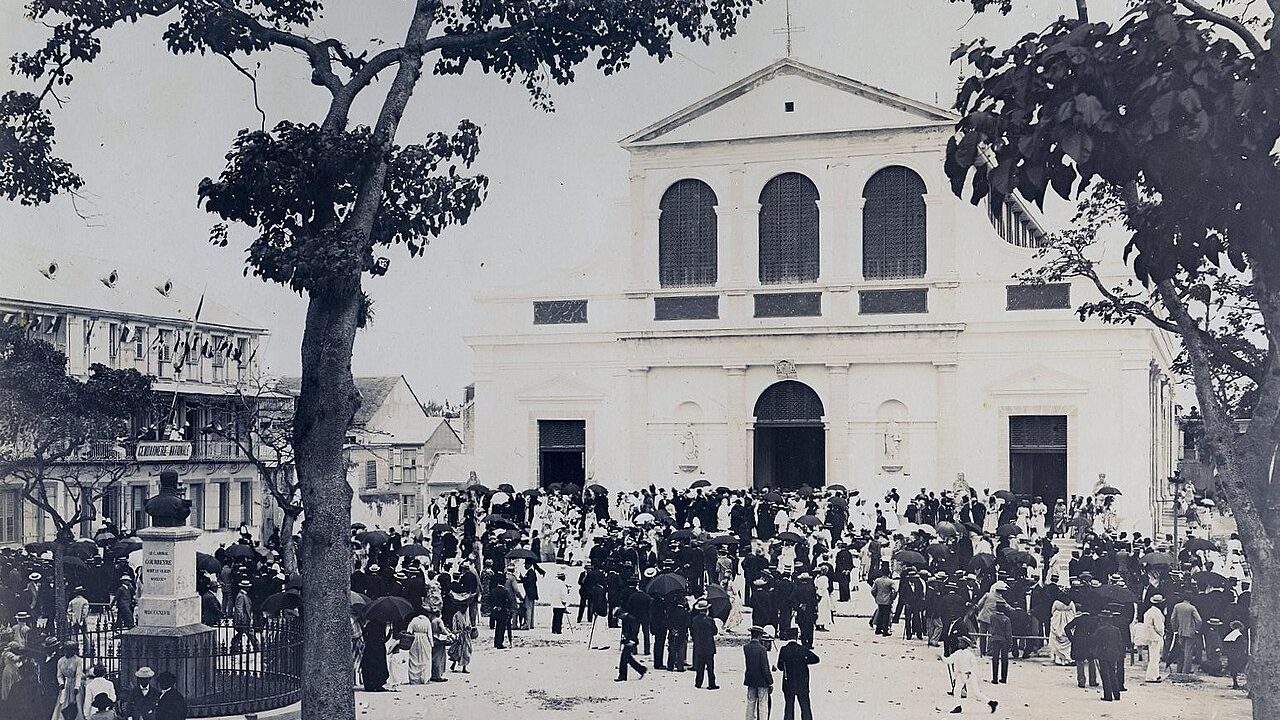
A colonial decree of 1921 banned the teaching of indigenous languages in Catholic mission schools, tolerating them in catechism only as a step toward Portuguese. Research published in the Revista da Abralin describes Portuguese in colonial Angola as an instrument for ranking, silencing and isolating African languages.
After independence, Angola created a National Institute of Languages in 1979 and produced its first six alphabets in 1980. Several languages were taught experimentally in the first school years. A legislative package to recognise Angolan languages of African origin has been discussed but is not yet law.
There are exceptions on record. Bonga sings in both Portuguese and Kimbundu, and older semba used Kimbundu far more freely than most kizomba.
Cape Verde: Kriolu, officially unofficial
Cape Verde is the other half of the story. Portuguese is its only official language. The 1992 Constitution promises to create the conditions to make Cape Verdean Creole official on a par with Portuguese. That promise has not yet been kept; President José Maria Neves said in November 2024 that he hoped to see it done for the fiftieth anniversary of independence. The main obstacle is standardisation across islands. A writing system, ALUPEC, was institutionalised in 2009, but its use has never been compulsory.
Kriolu has two main branches, Sotavento and Barlavento, with the Santiago and São Vicente varieties most widely spoken. Its vocabulary is largely Portuguese, with contributions from West African languages such as Mandinka, Wolof and Fula.
The one language claim backed by an international institution concerns the morna, inscribed by UNESCO in 2019. The inscription notes that while morna lyrics were also written in Portuguese in the past, today they are mainly composed in Cape Verdean Creole.
The diaspora inversion
Cape Verde's 2021 census counted 491,233 residents. The International Organization for Migration estimates that about twice as many Cape Verdeans live abroad. In other words, many Kriolu speakers live in Lisbon, Rotterdam, Boston and Paris, which are exactly the cities where the kizomba scene grew.
The anthropologist Livia Jiménez Sedano describes how Cape Verdean musicians labelled their adaptations of zouk cola-zouk or cabo-zouk while Angolans claimed the word kizomba, and how that difference fed rivalries between Angolan and Cape Verdean teachers. Eduardo Paím put the Angolan side in one sentence: it's not zouk, it is kizomba.
The singer Nelson Freitas, born in Rotterdam to Cape Verdean parents, told Público in 2016 that his biggest hit mixed English, Creole and Portuguese, and that when he started, the style had no exact name; now people called it kizomba.
What we cannot tell you
No study measures the Angolan share against the Cape Verdean share of the international kizomba repertoire. We also do not attribute a language to individual artists unless a published source says which language they sing in. Many websites do both, confidently. We would rather tell you what is unknown.
If you want to understand what the songs actually say, read our guide to kizomba lyrics, which explains why we translate themes rather than reproducing words.
FAQ
Are kizomba songs in Portuguese or Creole?
Both. Angolan kizomba is mostly sung in Portuguese. A large share of the music played as kizomba in Europe is Cape Verdean and sung in Kriolu, a Portuguese-based Creole. Some songs mix Portuguese, Kriolu and English.
Why don't Angolan singers use Kimbundu more?
Portuguese is Angola's only official language, and colonial policy pushed African languages out of schools. A 1921 decree banned teaching indigenous languages in Catholic mission schools except as a step toward learning Portuguese.
Is Cape Verdean Creole an official language?
Not yet. Portuguese is Cape Verde's only official language. The 1992 Constitution promises the conditions for making Creole official alongside Portuguese, but that has not happened.
Sources
- Constitution of the Republic of Angola, article 19
- INE Angola, 2014 census results (published 2016), languages spoken at home
- Revista da Abralin, on the 1921 colonial decree and language policy in Angola
- UNESCO, Morna, musical practice of Cabo Verde, element 01469 (2019)
- Livia Jiménez Sedano, Atlantic Studies 17(1), 2020
- Público (Portugal), interview with Nelson Freitas, April 2016