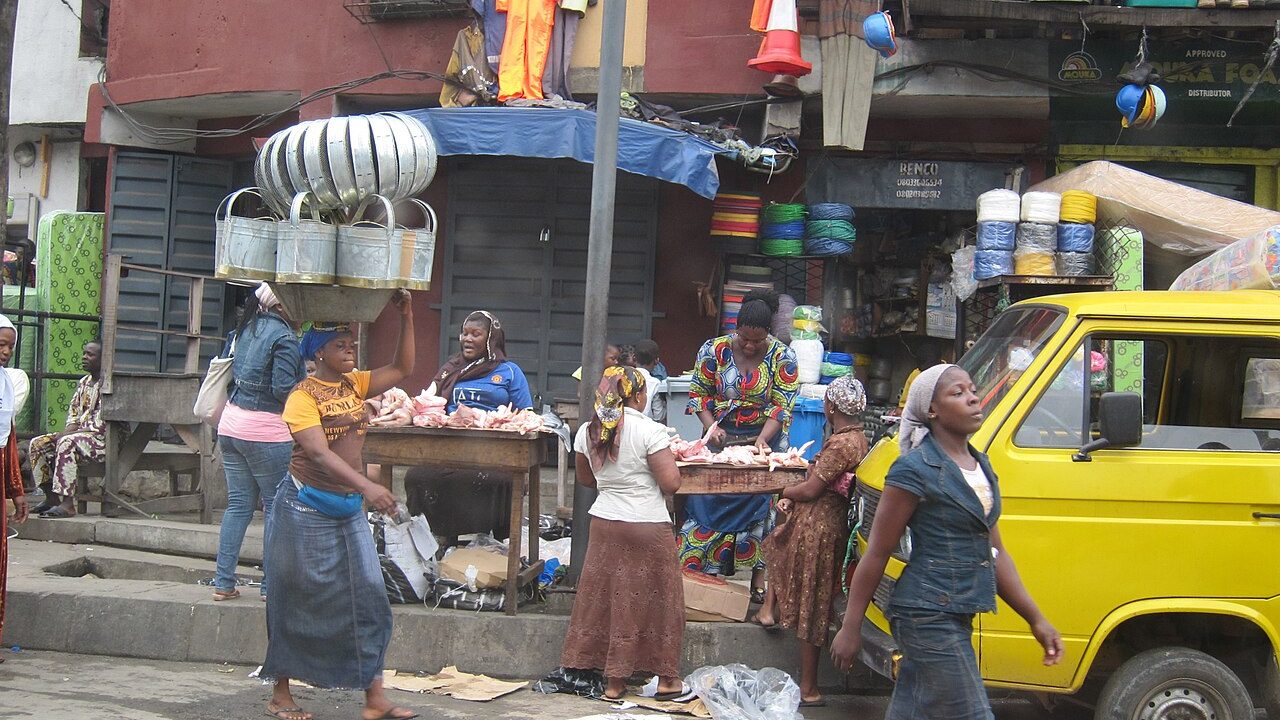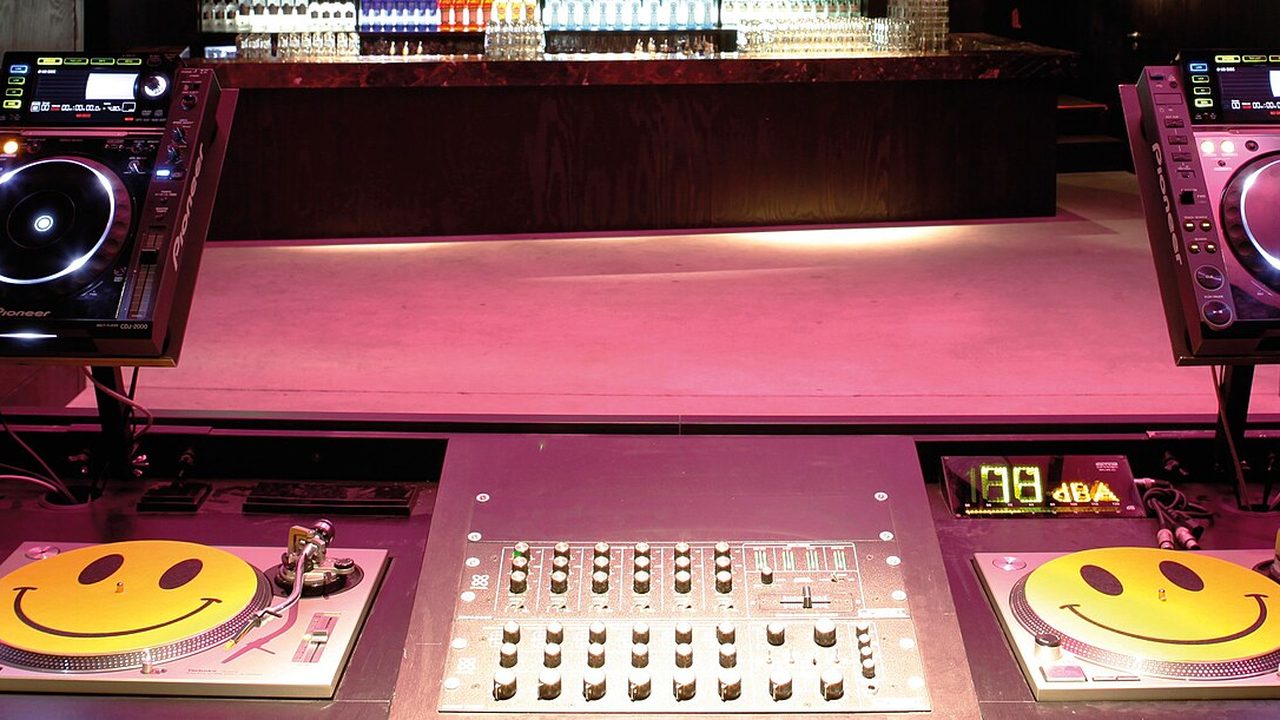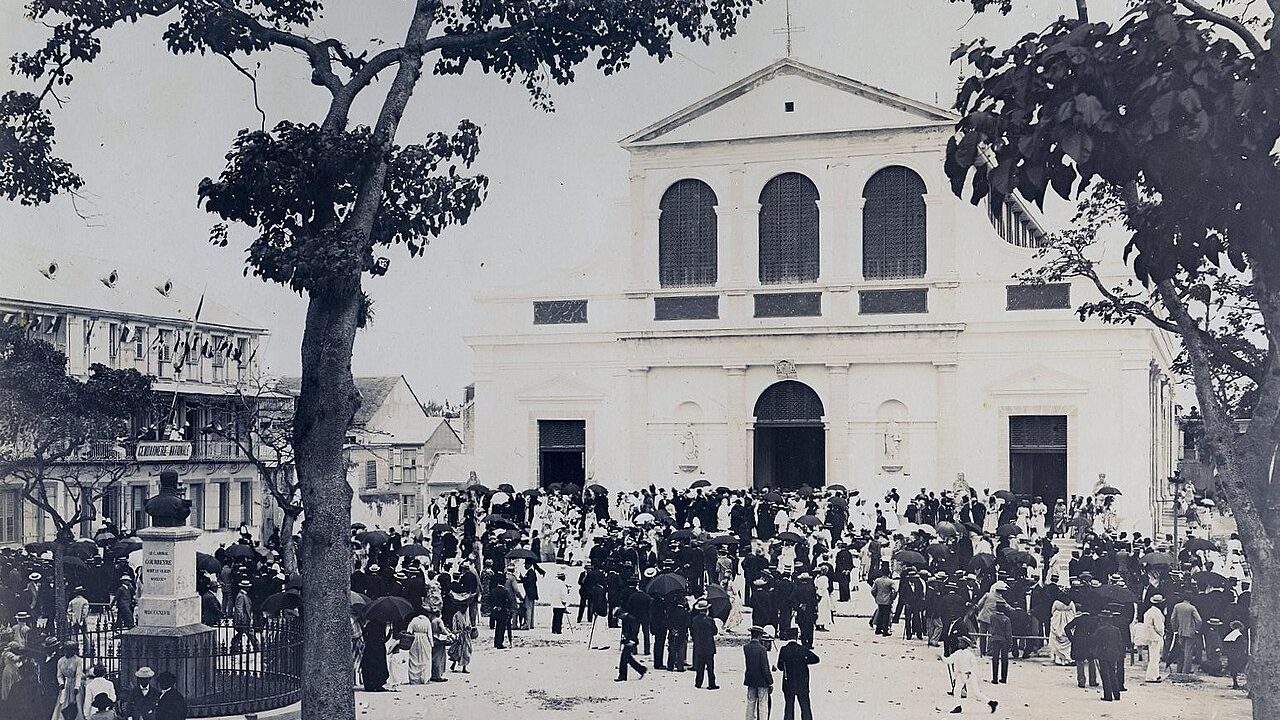
Africa has dozens of popular music genres, and many of the sounds now heard in clubs worldwide began as local scenes in specific cities: Accra, Lagos, Kinshasa, Luanda, Johannesburg, Durban, Cairo, and also Paris. This guide covers the genres that matter most to dance culture, with what is documented about where they come from, and where the evidence runs out.
West Africa
Highlife (Ghana). The guitar and horn music of 20th-century Ghana, a foundation for much of West African pop. Ghanaian highlife was inscribed on UNESCO's list of intangible heritage on 10 December 2025.
Afrobeat (Nigeria). The big-band political music created by Fela Kuti and Tony Allen in the late 1960s and 1970s, mixing highlife, jazz and funk. Not to be confused with Afrobeats. Full story in Afrobeats vs Afrobeat.
Afrobeats (Nigeria, Ghana, London). An umbrella name for contemporary West African pop that took hold in London around 2010. Wizkid, Burna Boy, Davido, Tems and Rema are among its best-known names.
Hiplife (Ghana). Highlife meets hip-hop; the term is credited to Reggie Rockstone, whose album Makaa Maka came out in 1997.
Azonto (Ghana). A dance and music style that became an international craze in the early 2010s. Its exact origins are uncertain, as OkayAfrica has said plainly.
Alté (Nigeria). An alternative scene; the term is attributed to the collective DRB LasGidi around 2014.
Coupé-décalé (Côte d'Ivoire and Paris). Created in Paris, at the Atlantis club, by the Ivorian collective known as the Jet Set around Douk Saga (1974-2006). Their 2002 hit "Sagacité" carried a melody arranged by David Tayorault, in a project pushed by the producer David Monsoh; DJ Jacob is credited with the words coupé and décalé. CNN places its emergence in the late 1990s and just before the Ivorian civil war began in September 2002, so a range is more honest than a single year.
Central Africa
Congolese rumba (DR Congo and Republic of Congo). The guitar-led sound of the two Congos, inscribed by UNESCO in 2021 after a joint nomination.
Ndombolo (DR Congo). A fast, dance-driven style from the 1990s. Credit is shared between Radja Kula, associated with the dance around 1995, and Tutu Caludji, the atalaku (shouter) of Wenge Musica, associated with its signature cry.
Southern Africa
Semba and kizomba (Angola). Semba is the older urban music of Luanda; kizomba grew from it in the late 1970s and 1980s with Caribbean zouk. Angola's sona was inscribed by UNESCO in 2023, and its semba dossier is under review in December 2026. See What Is Semba?.
Kuduro (Angola). Fast, electronic and acrobatic, born in Luanda in the 1990s and carried internationally by Lisbon's Buraka Som Sistema.
Kwaito (South Africa). House music slowed down to around 90 BPM in the 1990s, the sound of post-apartheid township youth.
Afro house (South Africa). House music at 120 to 128 BPM with African percussion and chants. See What Is Afro House?.
Gqom (South Africa). A dark, minimal, broken-beat sound from Durban, associated with the township of Clermont from around 2011, with DJ Lag, Rudeboyz, Menchess and Distruction Boyz among its names.
Amapiano (South Africa). Jazzy keys and the synthesised log drum, from Gauteng in the 2010s. See What Is Amapiano?.
East and North Africa
Ethio-jazz (Ethiopia). Created by Mulatu Astatke in Addis Ababa in the early 1970s, the clearest single attribution on this list.
Bongo Flava (Tanzania). Swahili pop and hip-hop from Dar es Salaam, especially the Kinondoni district.
Gengetone (Kenya). A Nairobi street sound launched around Ethic's "Lamba Lolo" on 31 May 2018. Not to be confused with the genge of the 1990s.
Raï (Algeria). The popular music of western Algeria, inscribed by UNESCO in December 2022.
Mahraganat (Egypt). Electro-shaabi from the El Salam district of Cairo, from around 2004. On 16 February 2020 the musicians' union, led by Hany Shaker, banned licences for mahraganat performers after a Valentine's concert at Cairo Stadium.
Where the evidence is thin
For some genres, including makossa and afro house, precise origin stories circulate without strong sourcing. Where we could not find a documented answer, we have said so rather than filling the gap. A guide that tells you what is unknown is more useful than one that sounds certain about everything.
FAQ
Which African music genres are on the UNESCO list?
Among others: Congolese rumba (2021), Algerian raï (2022), Angola's sona (2023), Ghanaian highlife (December 2025). Haiti's kompa, a Caribbean genre with African roots, was inscribed in December 2025. Angola's semba is under review in December 2026.
Was coupé-décalé created in Côte d'Ivoire?
It was created in Paris, by the Ivorian collective known as the Jet Set around Douk Saga, at the Atlantis club, before spreading to Abidjan and across West Africa.
What is the difference between kwaito and amapiano?
Kwaito emerged in South Africa in the 1990s by slowing house music down to around 90 BPM. Amapiano emerged in Gauteng in the 2010s, with jazzy keys and the synthesised log drum bass.
Sources
- UNESCO Intangible Cultural Heritage: Congolese rumba (01711), Raï (01894), Sona (Angola), Highlife (2025), The Compas of Haiti (02273)
- CNN, report on the origins of coupé-décalé
- OkayAfrica, reporting on azonto and gqom
- DJ Mag, MDU aka TRP interview, 2 October 2023