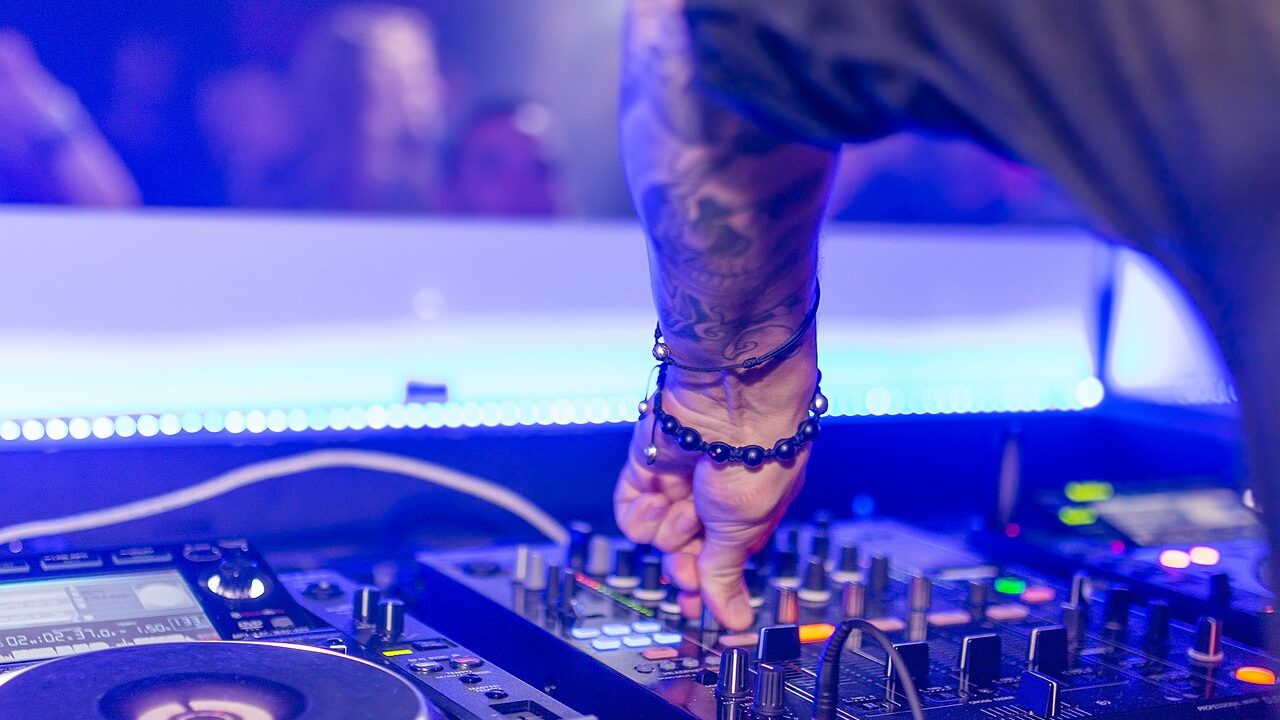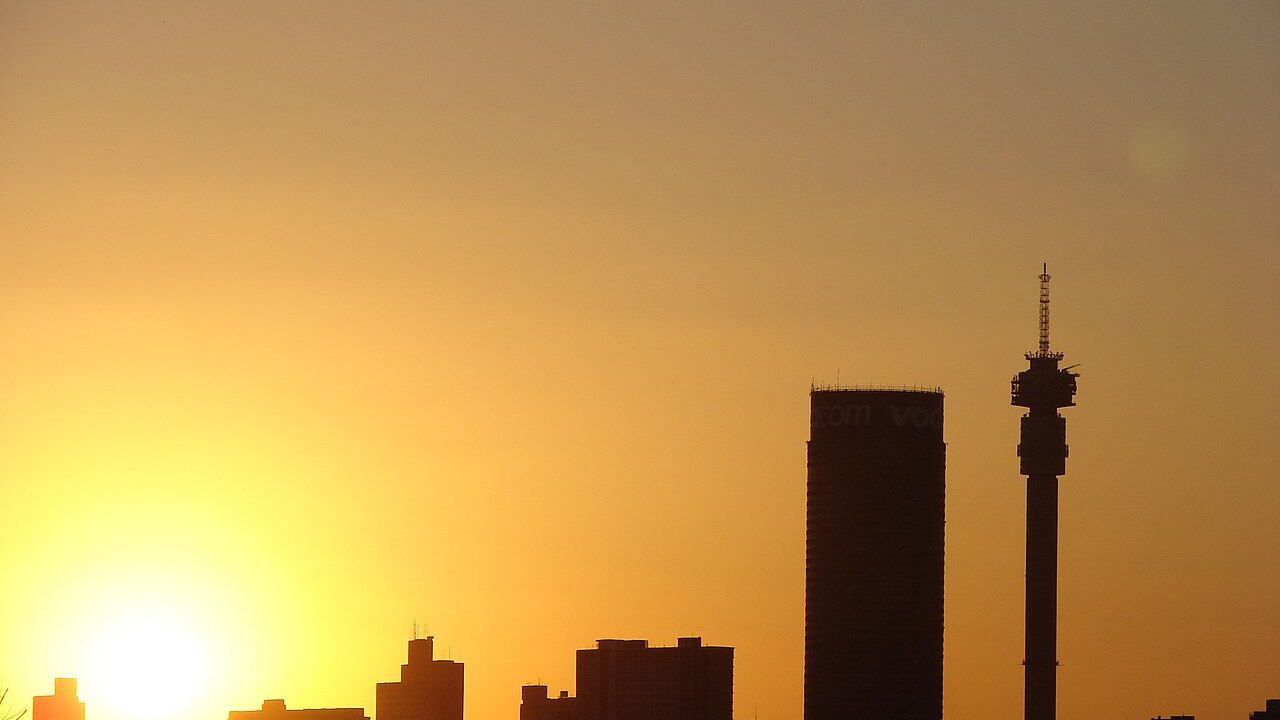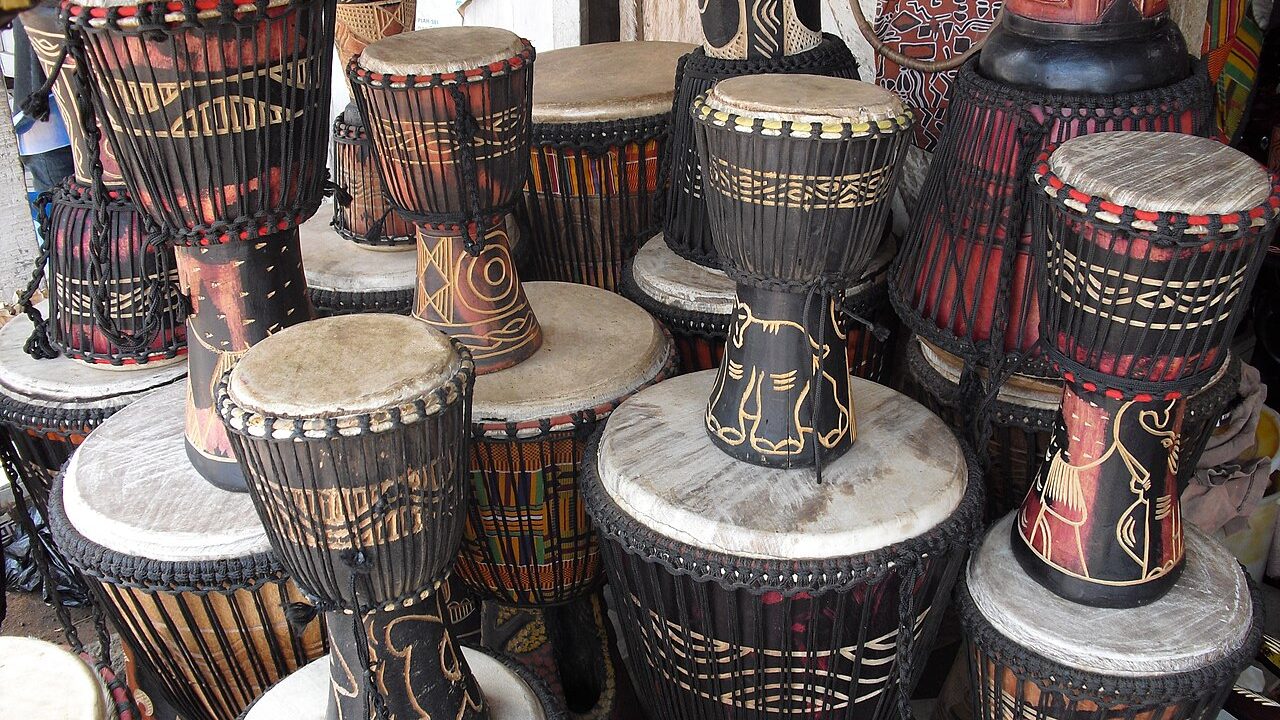
Afro house is a style of house music rooted in South Africa. It usually runs between 120 and 128 BPM, most often around 122 to 124, and combines four-on-the-floor house rhythms with African percussion, chants, deep basslines and long, hypnotic builds. The sound developed from South Africa's house scene in the 1990s and 2000s. The label "afro house" became a retail category much later.
From Chicago to the townships
House music reached South Africa from Chicago around 1987. Local DJs and producers made it their own, and one branch slowed it right down: kwaito, which dropped the tempo from around 120 BPM to around 90, with producers such as Oskido and Arthur Mafokate shaping the sound of the 1990s.
Other South African producers kept the house tempo and pushed it toward deeper, more percussive grooves, adding vocals in local languages and rhythms drawn from across the continent. That branch is what the world now calls afro house.
A label invented by a store
The name came after the music. The online DJ store Beatport created an Afro House category in 2017 to track a sound coming out of South Africa.
Categories change how music is sold and discovered, and this one changed who was visible. In Beatport's own 2024 year-end review, the top five afro house artists were Hugel, Keinemusik, Maz, Stryv and Disclosure. None of them is South African. That is one retailer's data, not the whole market, but it shows how a genre named after a continent can be led by producers from elsewhere.
The sound
Afro house tracks usually share a few features:
- a steady four-on-the-floor kick
- layered African percussion and shakers
- chants, call-and-response vocals or spoken phrases
- long intros and breakdowns built for DJ mixing
- deep, warm basslines
On tempo, be careful. Some sites give 145 to 165 BPM for afro house. That figure is wrong. The genre sits in the normal house range.
Black Coffee and the global stage
No artist did more to take South African house to the world's biggest clubs than Black Coffee. His album Subconsciously won the Grammy for Best Dance/Electronic Music Album at the 64th ceremony on 3 April 2022. His story, from Umlazi to that stage, is in Black Coffee and the Global Story of Afro House.
Is there an afro house dance?
Not as a codified style. People dance to afro house in clubs and festivals the way they dance to house anywhere. But South Africa has its own documented dance traditions linked to related music: isiPantsula, from Alexandra and Sophiatown in the 1950s and 1960s; S'bujwa, from Soweto around 1990; Bhenga, from Durban's gqom scene.
A newer movement, 3Step, builds tracks with three kicks per bar instead of four. Thakzin's "Magnificent Dance", released on Sondela Records in December 2022, became one of its references.
Afro house and amapiano
Afro house is often confused with amapiano. They share South African roots and some DJs, but differ in tempo feel, structure and the famous log drum. Our comparison Afro House vs Amapiano explains how to tell them apart on the dance floor, and our guide to African music genres places both in a wider family.
FAQ
What tempo is afro house?
Afro house generally sits between 120 and 128 BPM, with most tracks around 122 to 124. Figures of 145 to 165 BPM that circulate online are wrong.
Is there an afro house dance?
There is no codified dance called afro house. South African dance styles danced to related music include isiPantsula, S'bujwa and Bhenga, and newer moves such as 3Step.
When did afro house become a genre label?
The sound developed in South Africa from the house scene of the late 1980s onward. The online store Beatport created an Afro House category in 2017.
Sources
- Beatport, 2024 year-end review
- Recording Academy, 64th Grammy Awards results, 3 April 2022