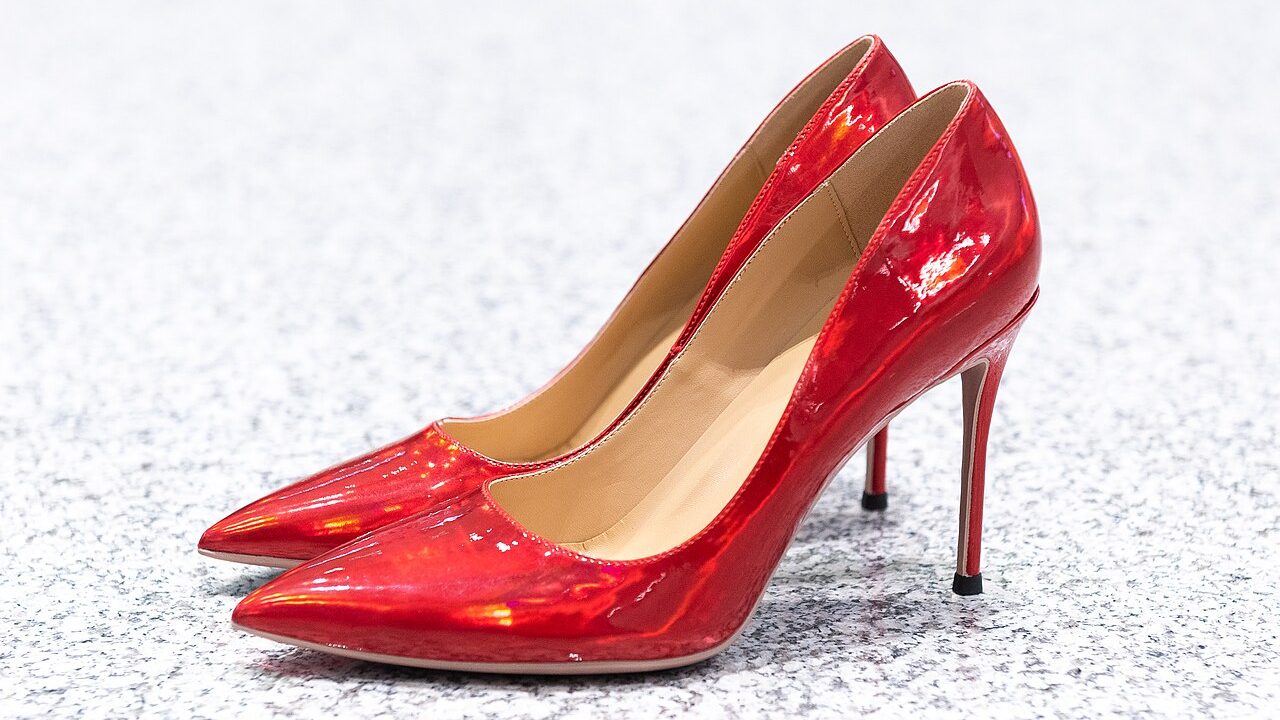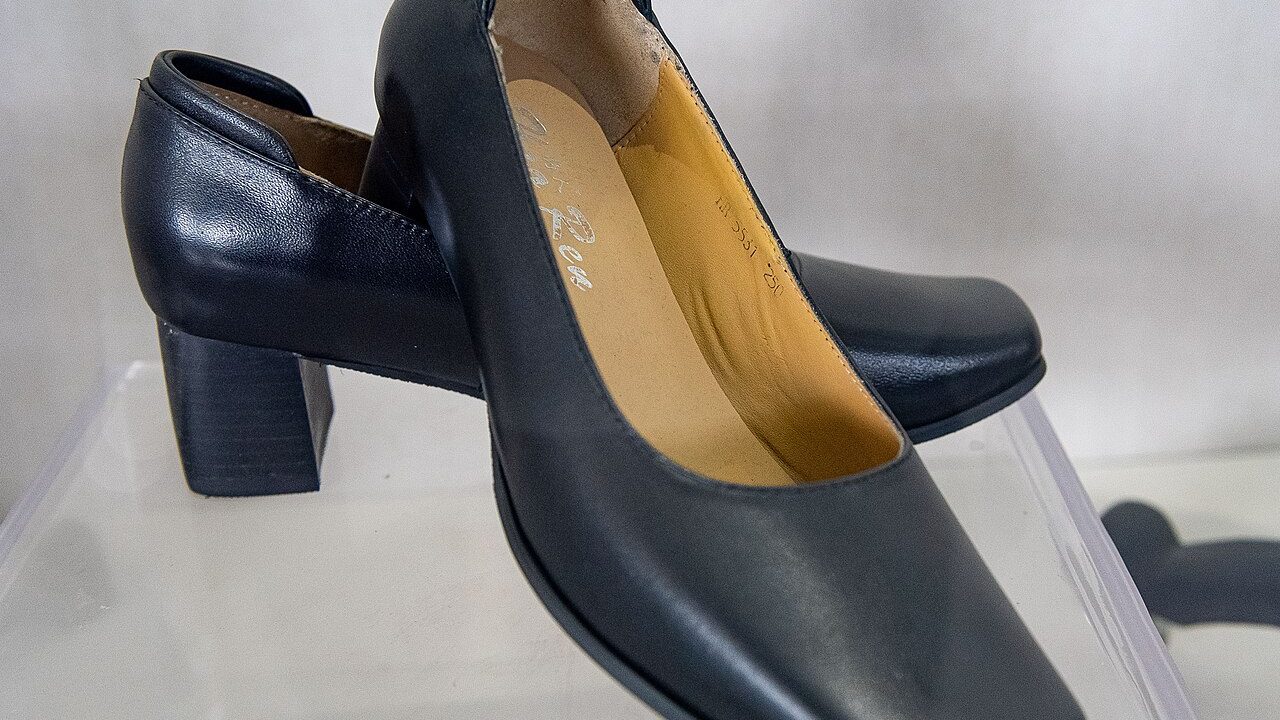
Yes, high heels put real strain on the body, and podiatrists are clear about it: they shift weight onto the front of the foot, make the ankle less stable and change how the knees, hips and back work. Most of the research and medical advice concerns wearing heels for long hours, day after day, not a weekly dance class. Still, the same forces are at work when you dance in heels, often with jumps and turns on top. Heels dancers who prepare their bodies, choose their shoes carefully and rest well can enjoy the style while limiting the risks.
This article gives general information, not medical advice. If you have pain or an existing condition, see a podiatrist or physiotherapist.
What heels do to the foot
In a flat shoe, your weight is spread between heel and forefoot. In a high heel, it moves forward. Banner Health's podiatrist Travis Jensen explains that heels put more weight than normal on the forefoot, increasing pressure on the ball of the foot.
Corewell Health's podiatrist Marisha Stawiski says studies show that high heels, when worn day after day, can cause strains that lead to hip, knee, foot and ankle problems, as well as pain and numbness in the ball of the foot. Narrow, tight shoes add calluses and blisters, and pointed toes can irritate nerves.
Ankles and tendons
Heels make the ankle less stable, which is why sprains are a common risk. Philadelphia Magazine, reporting on a 2012 study of women who wore heels for at least 40 hours a week for two years, noted changes in the muscles and tendons of the calf. A podiatrist quoted in the article warned that the Achilles tendon can shorten over time, making flat shoes uncomfortable.
The study was small, nine women, and concerned everyday wear, but it shows why calf flexibility matters for anyone who spends time in heels.
What this means for dancers
A heels class is shorter than a working day in heels, but it asks more of the body: balance on one foot, turns, floorwork, quick changes of direction. There is little research on heels dance itself, so the honest answer is that we do not know exactly how weekly classes compare with daily wear. What is clear is that the same areas, ankles, calves, knees and the ball of the foot, take the load.
A few sensible habits follow from that advice:
- Start low and wide. A block heel is far more stable than a stiletto. Our guide to heels dance shoes explains what to look for.
- Warm up and strengthen. Ankle and calf exercises help, and so does working on balance in flat shoes first.
- Stretch your calves after class. It counters the shortened position heels put them in.
- Build up slowly. Short sessions in heels at first, more as your body adapts.
- Listen to pain. Sharp or lasting pain is a reason to stop and get advice, not to push through.
Corewell Health adds that people with severe bunions, hammertoes, arthritis or similar conditions may not be able to wear high heels comfortably at all.
Heels are for everyone, carefully
Heels dance has opened up to dancers of every gender, as the career of Yanis Marshall shows, and many people find confidence and joy in it. Knowing what heels do to the body is part of dancing in them well. If you are new to the style, start with What is heels dance?.
FAQ
Is heels dance bad for your feet?
Wearing high heels for long periods puts more pressure on the front of the foot and can strain the ankles and knees, according to podiatrists. A class once or twice a week is not the same as wearing heels all day, but the same strains apply, so preparation and recovery matter.
What heel height is safest for beginners?
Lower and wider heels are more stable. Podiatrists often advise keeping everyday heels low, and dancers usually start with a block heel before moving to stilettos.
Should I see a doctor before starting heels classes?
If you have foot pain, bunions, arthritis or past ankle injuries, it is worth asking a podiatrist or physiotherapist before you start.
Sources
- Corewell Health, Health Beat, interviews with podiatrists on high heels
- Banner Health, "5 ways your high heels can harm your feet and body"
- Philadelphia Magazine, "Study: high heel shoes can alter how you walk, permanently", 24 February 2012