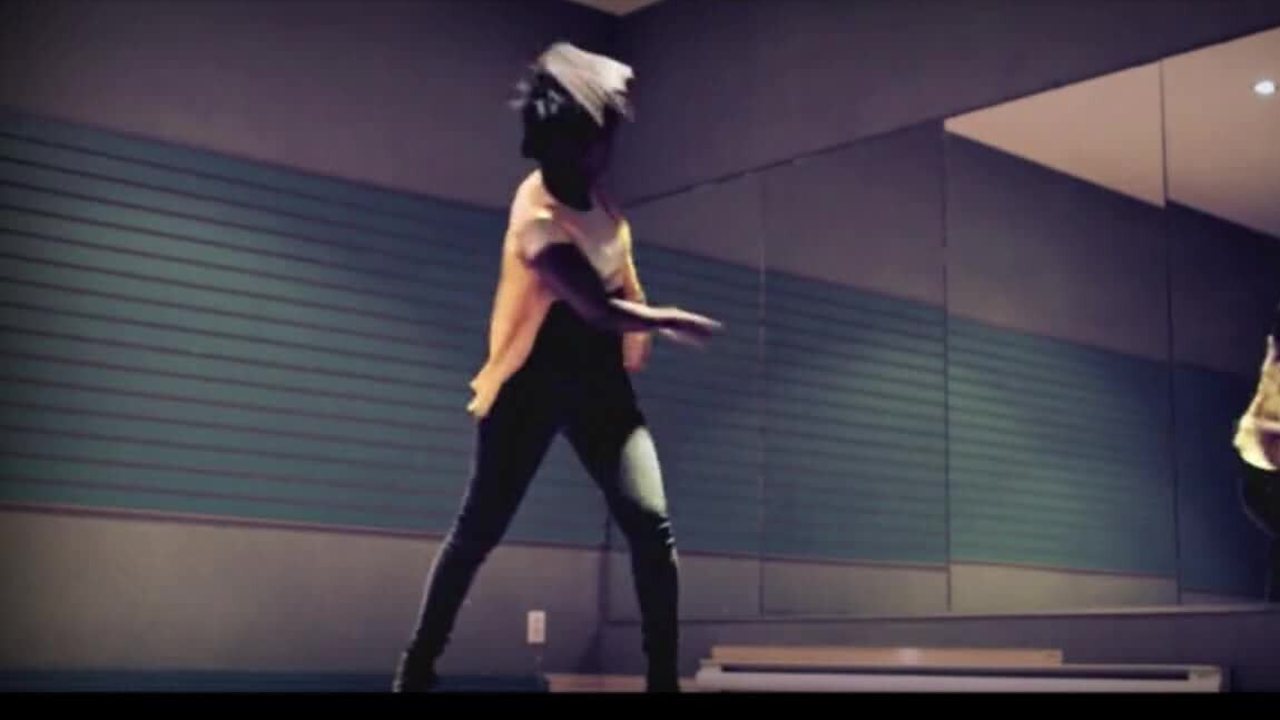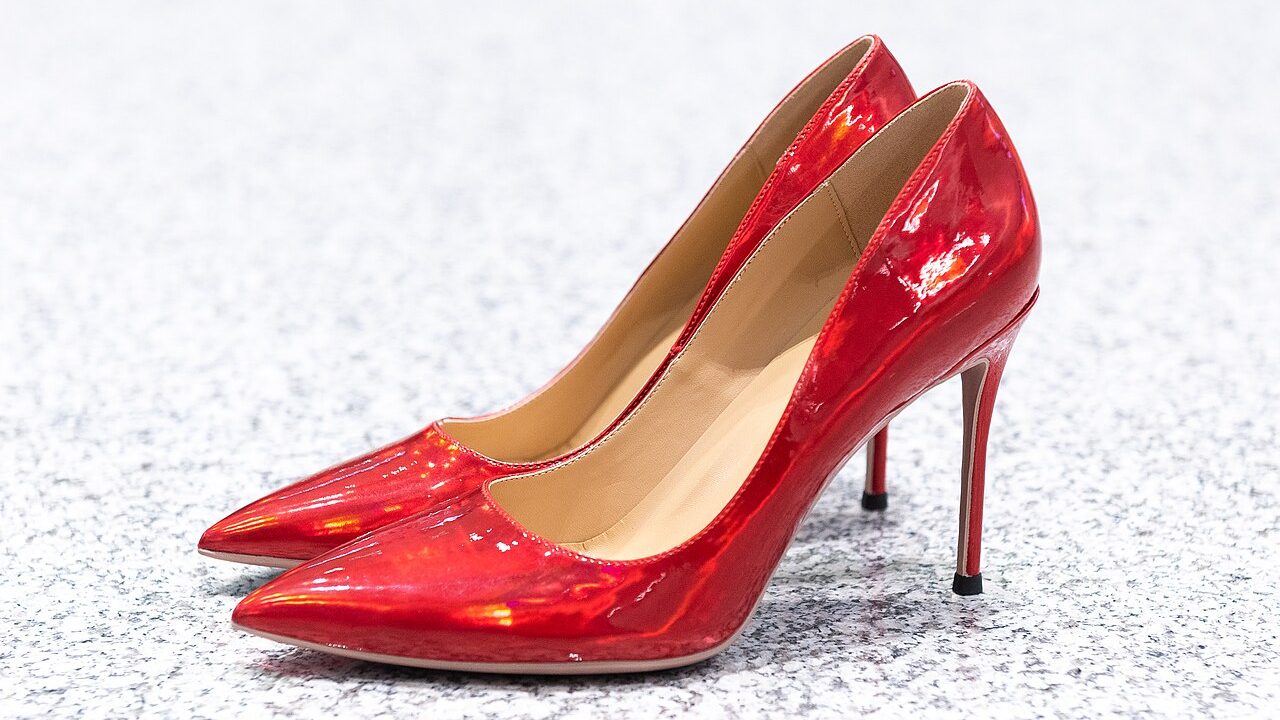
You do not need the highest stilettos to start heels dance. For a first pair, what matters is stability: a moderate heel, support around the ankle, a sole that lets you turn without slipping and a fit that holds your foot. Height and style can come later. This is a practical guide, based on what heels teachers commonly recommend; if you have any foot, knee or back problem, ask a professional before you start.
Heel height
Start lower than you think. A moderate heel, often around 7 to 9 cm, gives you the posture and feel of heels while keeping your ankles safe as you learn. Once you can walk, turn and drop to the floor with control, you can move up.
The shape of the heel matters as much as its height. A slightly thicker heel or block heel is more stable than a very thin stiletto.
Ankle support
Heels choreography involves walks, turns, floor work and sudden stops. Shoes with an ankle strap or boots that hold the ankle reduce the risk of the foot slipping out or rolling. Avoid open mules and loose slingbacks for class.
The sole
On a studio floor, a sole that is too grippy stops you turning; one that is too slippery makes you fall. Smooth leather or suede soles are often used for turning. Some dancers put a thin layer of tape on very sticky soles, or lightly sand very slippery ones. Always test the floor gently before a full class.
Platforms
A small platform under the toes reduces the effective slope of the foot and can make a high heel feel easier. Heavy platforms, however, change your balance and make footwork clumsy. Walk in them before you buy.
Fit and comfort
- The heel should not lift out of the shoe when you rise on your toes.
- Your toes should not be squeezed; you will be standing on them a lot.
- Break your shoes in at home before wearing them for a full class.
- Kneepads are worth having: heels choreography often goes to the floor.
When to move up
Move to higher or thinner heels when you can do the whole class without losing balance, and when your ankles do not ache the next day. Strength work for ankles and calves helps.
Why it matters
Heels dance is about confidence, line and attitude, from Fosse jazz to voguing and waacking. Read What Is Heels Dance? for its history, and Single Ladies and Bob Fosse for the routine that took it mainstream. The right shoes are what let you enjoy all of it without getting hurt.
FAQ
What heel height should I start with in heels class?
Most beginners are better off with a moderate heel, around 7 to 9 cm, and a stable, not too thin heel. You can move higher once your ankles and balance are stronger.
Do I need special shoes for heels dance?
Not at first. Many people start with a comfortable pair of their own heels with ankle support. Dedicated dance heels or boots with suede or smooth soles make turns easier later.
Are platform heels better for beginners?
A small platform can reduce the effective height and feel more stable, but heavy platforms change your balance. Try them on and walk before you buy.
Sources
- #DANCE editorial advice, compiled from common teaching practice in heels classes