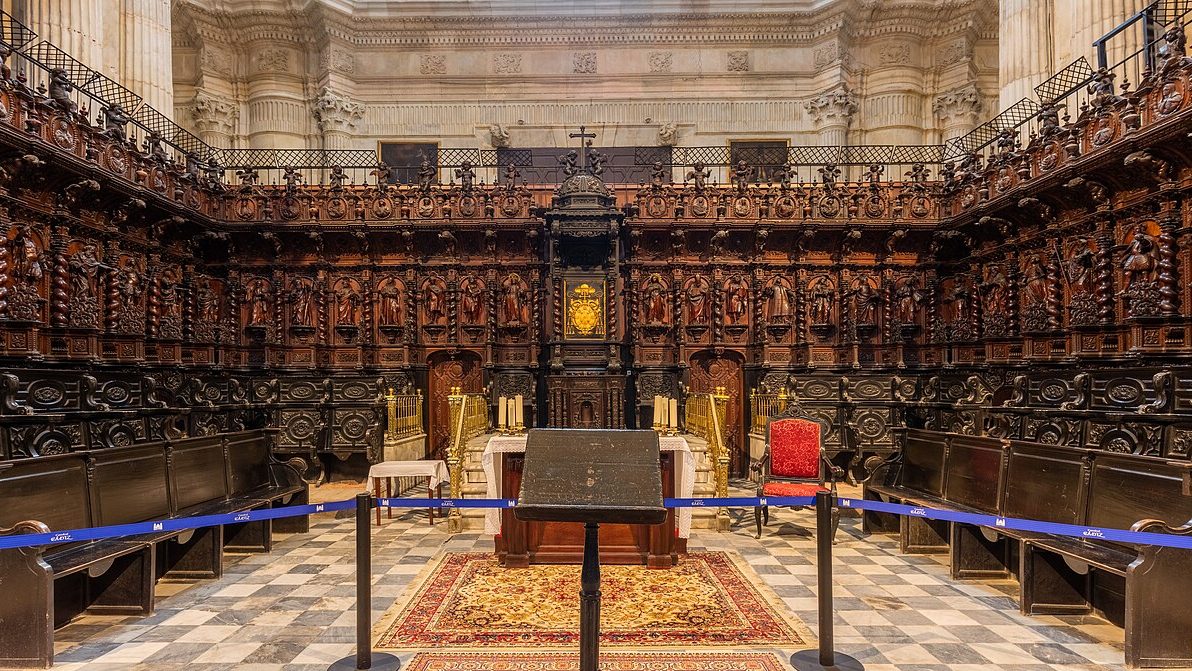
Bachata Sensual is a style of bachata created in Cádiz, in southern Spain, by Jorge "Korke" Escalona and Judith Cordero. Their official academy dates it to 2004. Built on body waves, isolations, head movements and dips, and influenced by Brazilian Zouk, it became in the 2010s the most widely taught bachata style on the international festival circuit. It is also at the centre of a long debate about the dance's Dominican roots.
From a basic step in Cádiz
Bachata reached Europe as music before it arrived as a dance. Western dancers began creating their own forms of the dance from the late 1990s, often with little contact with the Dominican way of dancing it.
According to Korke's own account, he learned only the basics of bachata in 1998, a step to the side, and began developing his own movement inspired by the music. Influenced by Brazilian Zouk and other partner dances, he started using longer movements and isolations to interpret the instruments. With Judith, who brought elements of ballet and modern dance, he turned it into a method.
A method and a brand
What made Bachata Sensual spread was organisation as much as style. Korke and Judith built a teaching system, and certified official instructors. By 2012, Diario de Cádiz was describing the city as a showcase of bachata during an international championship held there.
The style travelled through congresses and social media videos. Its dramatic look, slow waves, dips, the follower's head and hair movement, worked well on video and drew new dancers to bachata.
What it looks like
Bachata Sensual keeps the basic bachata count, but it changes the feel:
- body waves and isolations through the torso, chest and hips
- head movements and dips, borrowed in spirit from zouk
- a lead that works through the whole body, not only the arms
- slower, smoother music, often remixes of pop and R&B songs
Because head movements and dips can strain the neck and back, good teachers insist on technique and on the follower's comfort.
The debate
Bachata is Dominican. UNESCO, which inscribed the music and dance of Dominican bachata as intangible heritage in 2019, describes a culture born in the Dominican Republic's rural and working-class communities, which we explore in What Is Bachata?.
Some Dominican dancers and teachers criticise international styles for erasing that origin, with less footwork, less of the playful connection and, sometimes, little knowledge of the music's history. Supporters of Bachata Sensual answer that it is a new branch, clearly named, that has brought millions of people to bachata.
Both points can be true. Many festivals now program Dominican bachata classes alongside sensual ones, and more dancers learn both.
Learning it
If you start with Bachata Sensual, take at least a few classes in Dominican bachata, and listen to the classics, from Juan Luis Guerra's Bachata Rosa to the bachateros of the barrios. Your dancing will be richer, and you will know where the dance comes from.
FAQ
Who created Bachata Sensual?
Jorge 'Korke' Escalona and Judith Cordero, from Cádiz in southern Spain. Their official academy dates the style to 2004.
What is the difference between Bachata Sensual and Dominican bachata?
Dominican bachata is the original social dance, with fast footwork and a close, playful connection. Bachata Sensual focuses on body waves, isolations, head movements and dips, with influences from Brazilian Zouk.
Is Bachata Sensual danced in the Dominican Republic?
It is an international festival style developed in Europe. In the Dominican Republic, bachata is mostly danced in the Dominican way.
Sources
- Diario de Cádiz, "Cádiz, escaparate de la Bachata en el campeonato internacional", 27 October 2012
- Korke & Judith, official Bachata Sensual academy, history
- Salsa Vida, "History of Bachata Dance and Music"
- UNESCO Intangible Cultural Heritage, Music and dance of Dominican Bachata (2019)