Bachata and salsa share dance floors, festivals and many of the same dancers, but they are different dances. Bachata comes from the Dominican Republic, is usually slower and is built on a simple eight-count step with a hip movement. Salsa comes from Cuban music reshaped in New York, is faster and is built on turns and partner patterns. For most beginners, bachata is quicker to start; salsa takes longer but opens a huge musical world. Many dancers end up learning both.
Different origins
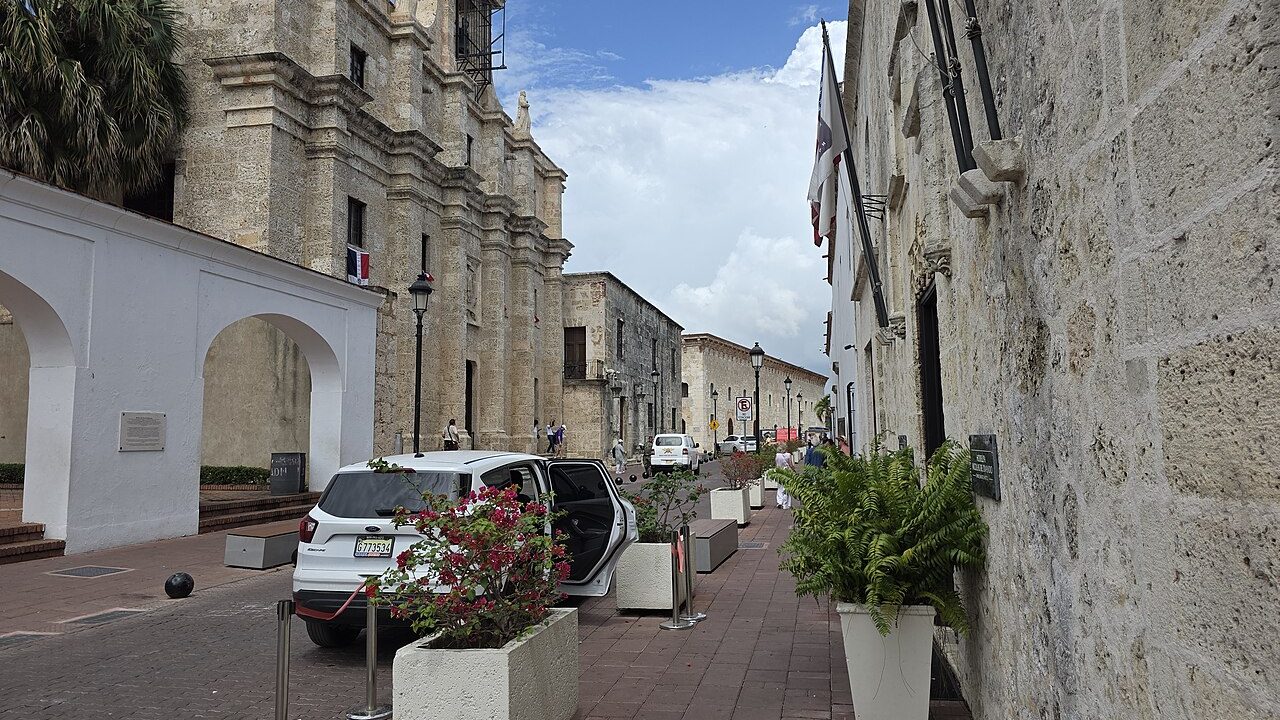
Bachata is Dominican. UNESCO, which inscribed it as intangible heritage in 2019, describes it as a fusion of rhythmic bolero with other Afro-Antillean genres, sung mostly about love, passion and nostalgia. Its story is told in What Is Bachata?.
Salsa is rooted in Cuban son, mambo and related Afro-Cuban styles, and took its modern sound and its name among Cuban and Puerto Rican musicians in New York in the 1960s and 1970s. We tell that story in Where Did Salsa Come From?.
Different music
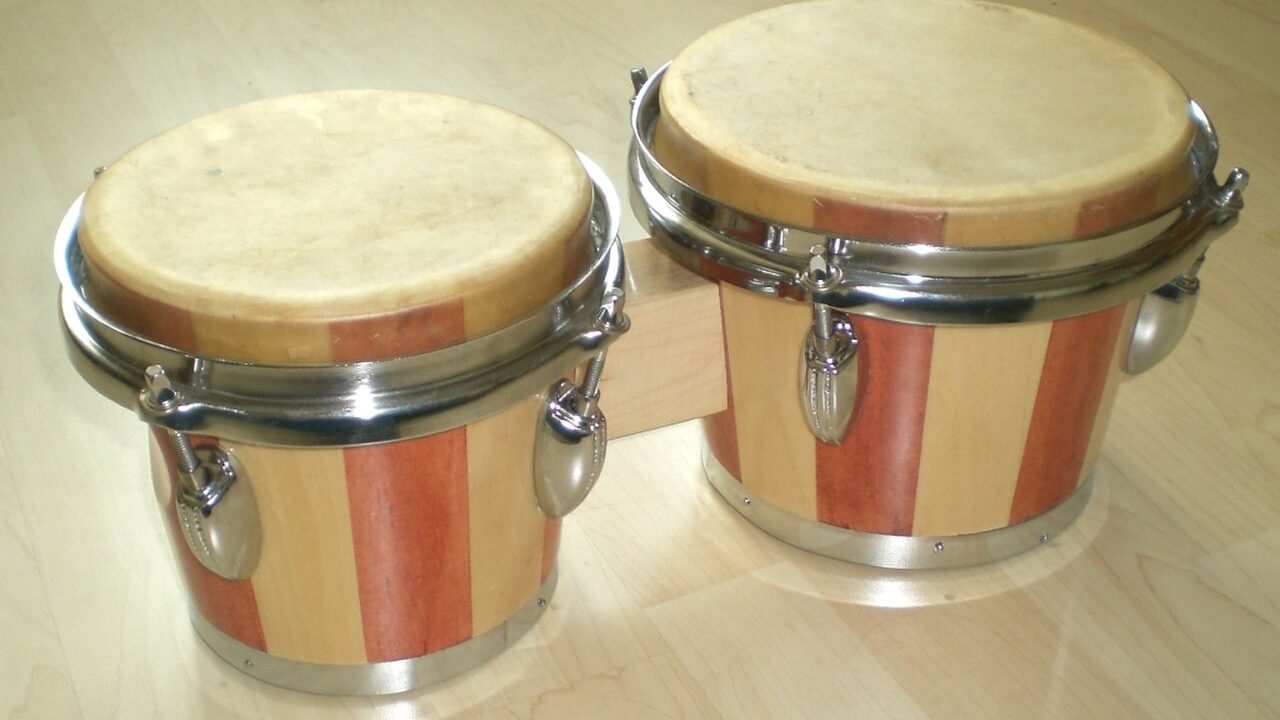
Bachata is built around guitars, often a lead guitar with bright melodic lines, plus bass, bongos and güira. The feel is romantic and, in modern productions, often smooth and slow.
Salsa is a big-band music at heart: piano, bass, congas, timbales, bongos, trumpets and trombones, organised around the clave. It is usually faster and more percussive, with sections built for spins and shines.
Different feel
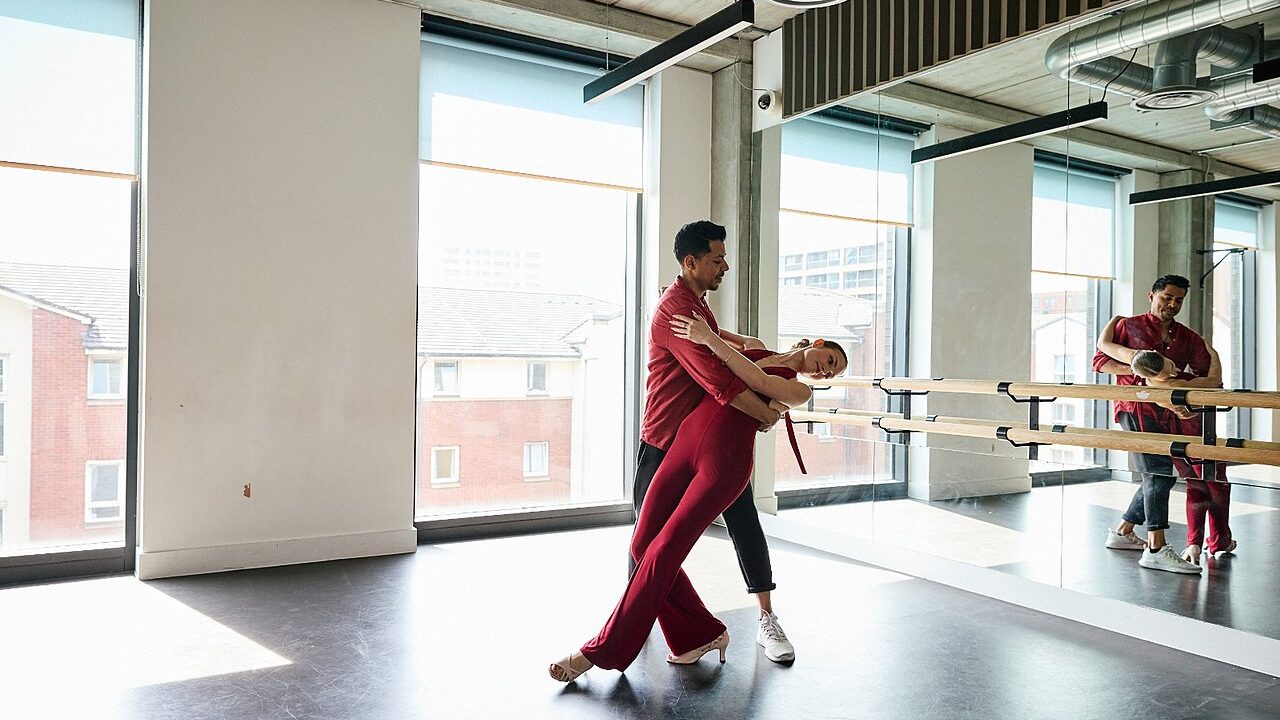
In social bachata, partners often dance close, and the movement comes from the hips and body. International styles such as Bachata Sensual add waves and isolations; Dominican style adds fast footwork.
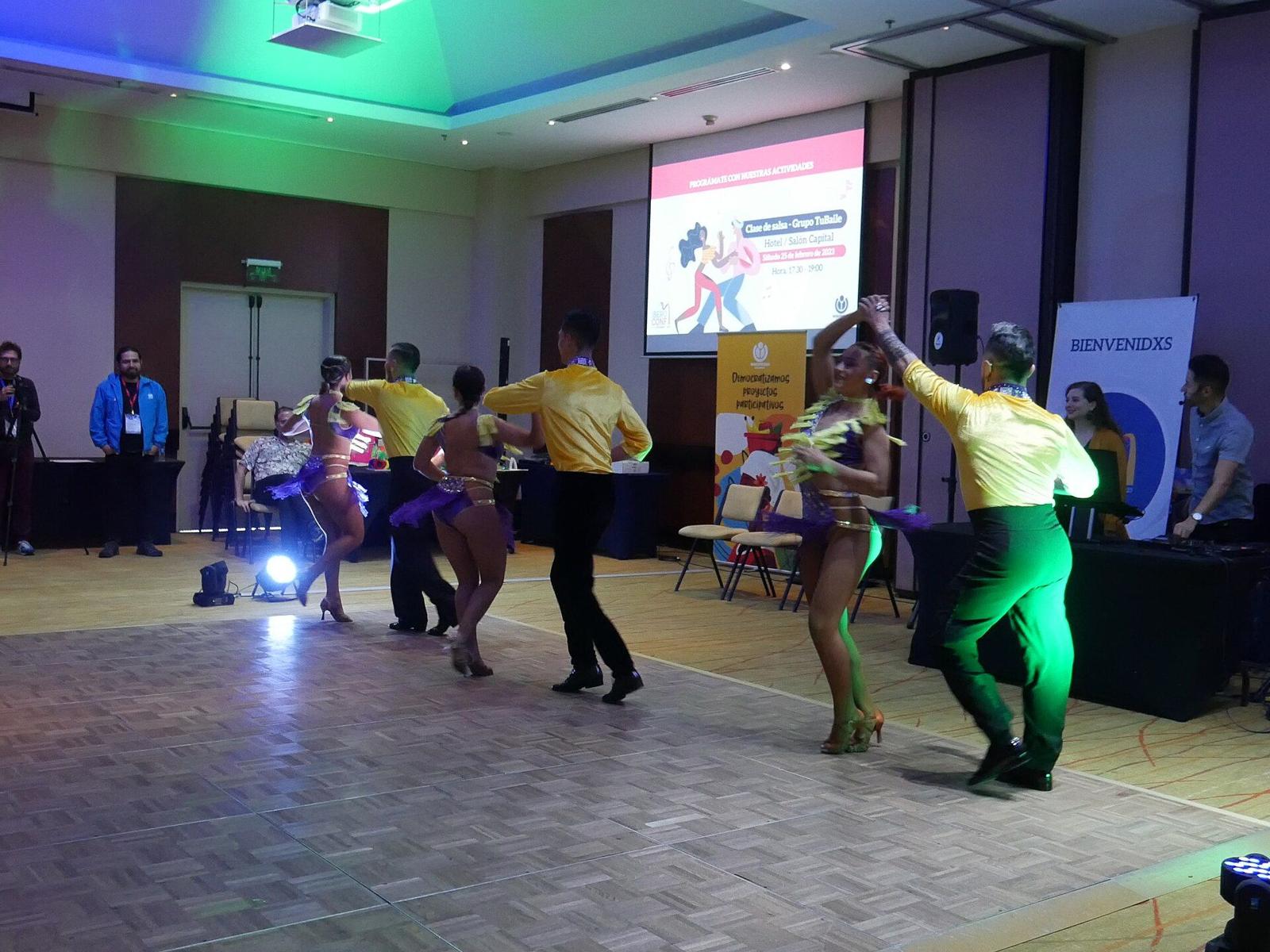
In salsa, partners usually dance more open, with turns, hand changes and patterns. The lead is very visible, and the follow's spins are part of the show. There are many styles, from Cuban casino in a circle to linear styles from New York and Los Angeles.
Which is easier?
For a complete beginner, bachata's basic step is usually quicker to pick up: it is slower and the structure is simple. Most people can dance a basic social bachata after a few classes.
Salsa usually takes longer at the start. The speed, the timing and the turn patterns demand more practice before a social dance feels comfortable. The reward is a dance that adapts to an enormous range of music.
How to choose
- Choose bachata first if you want to be on the social floor quickly, enjoy close connection and slower music, or are drawn to the modern international scene.
- Choose salsa first if you love percussion, horns and fast music, enjoy turns and patterns, or want a dance with a long musical history to explore.
- Learn both if you plan to go to SBK socials and festivals, where both are played all night. Many schools teach them side by side.
Whatever you pick, learn some of the culture with the steps. And when you start travelling to events, read Who Invented the Dance Congress? to understand the circuit you are joining.
FAQ
Is bachata easier than salsa?
For most beginners, the basic step of bachata is quicker to learn because it is slower and simpler. Salsa usually takes longer at the start, mainly because of its speed and turn patterns.
Where do bachata and salsa come from?
Bachata comes from the Dominican Republic. Salsa's music is rooted in Cuban son and was shaped by Cuban and Puerto Rican musicians in New York.
Can you dance bachata and salsa at the same party?
Yes. Most social dance events and SBK festivals play salsa, bachata and kizomba in rotation, so many dancers learn more than one.
Sources
- UNESCO Intangible Cultural Heritage, Music and dance of Dominican Bachata, element 01514 (2019)
- National Park Service, "Salsa Is More Than Salsa", updated August 2023