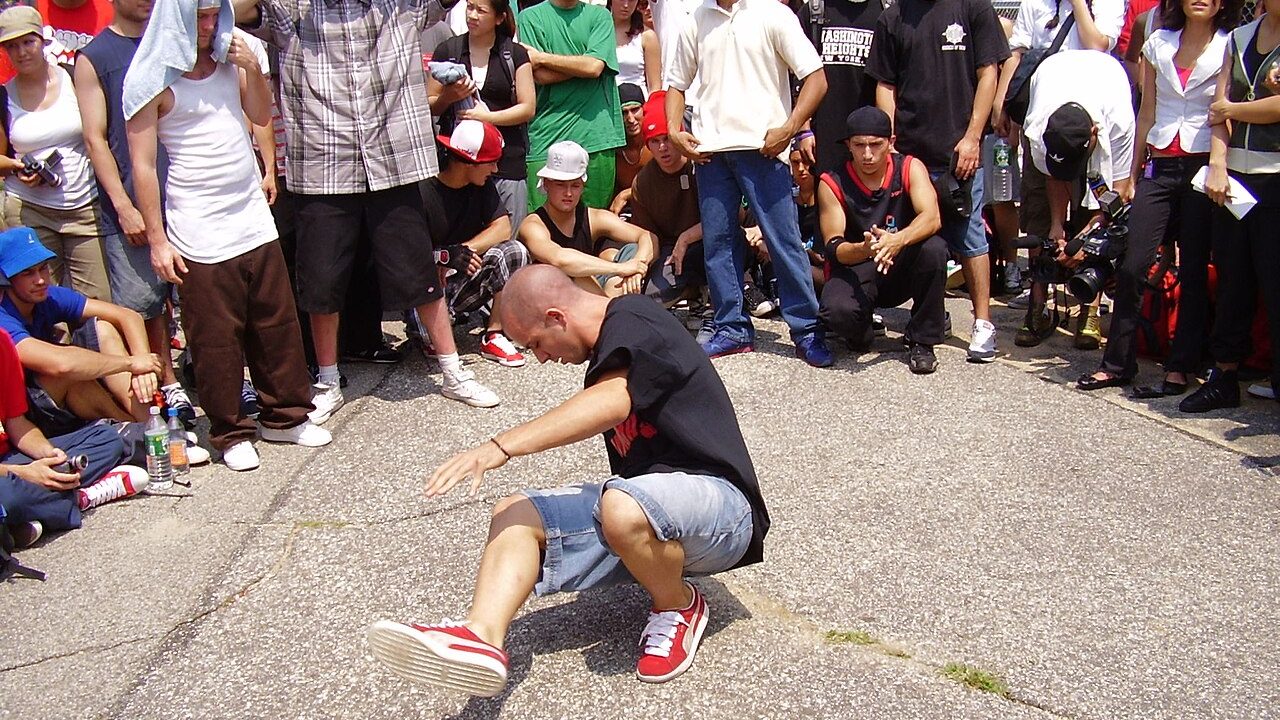
Breaking, often called breakdancing, was born at block parties in the Bronx in the 1970s, as part of early hip-hop culture. Nearly fifty years later it became an Olympic sport: it made its debut at the Paris 2024 Games, where B-Girl Ami of Japan and B-Boy Phil Wizard of Canada won the first gold medals. It will not return in Los Angeles in 2028, so for now its Olympic story is a single chapter.
The Bronx
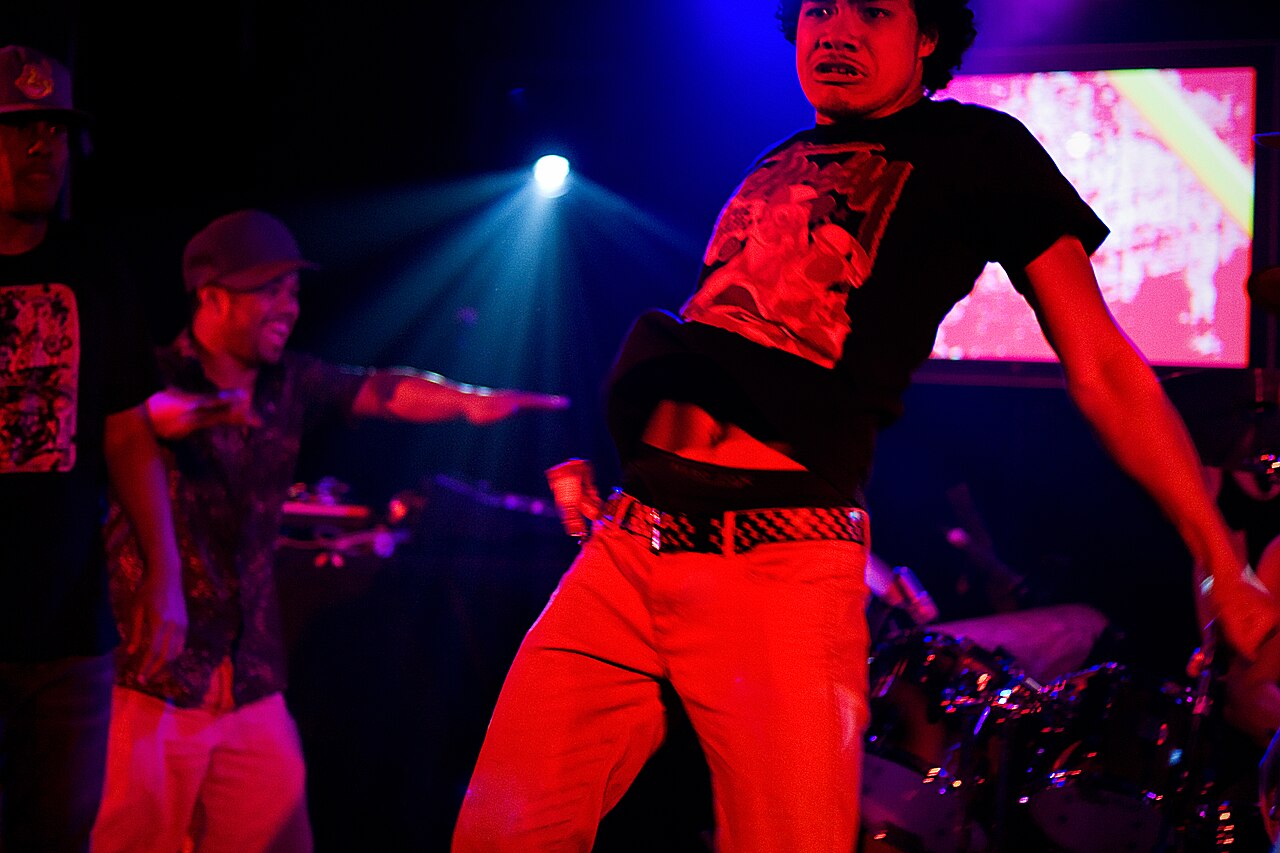
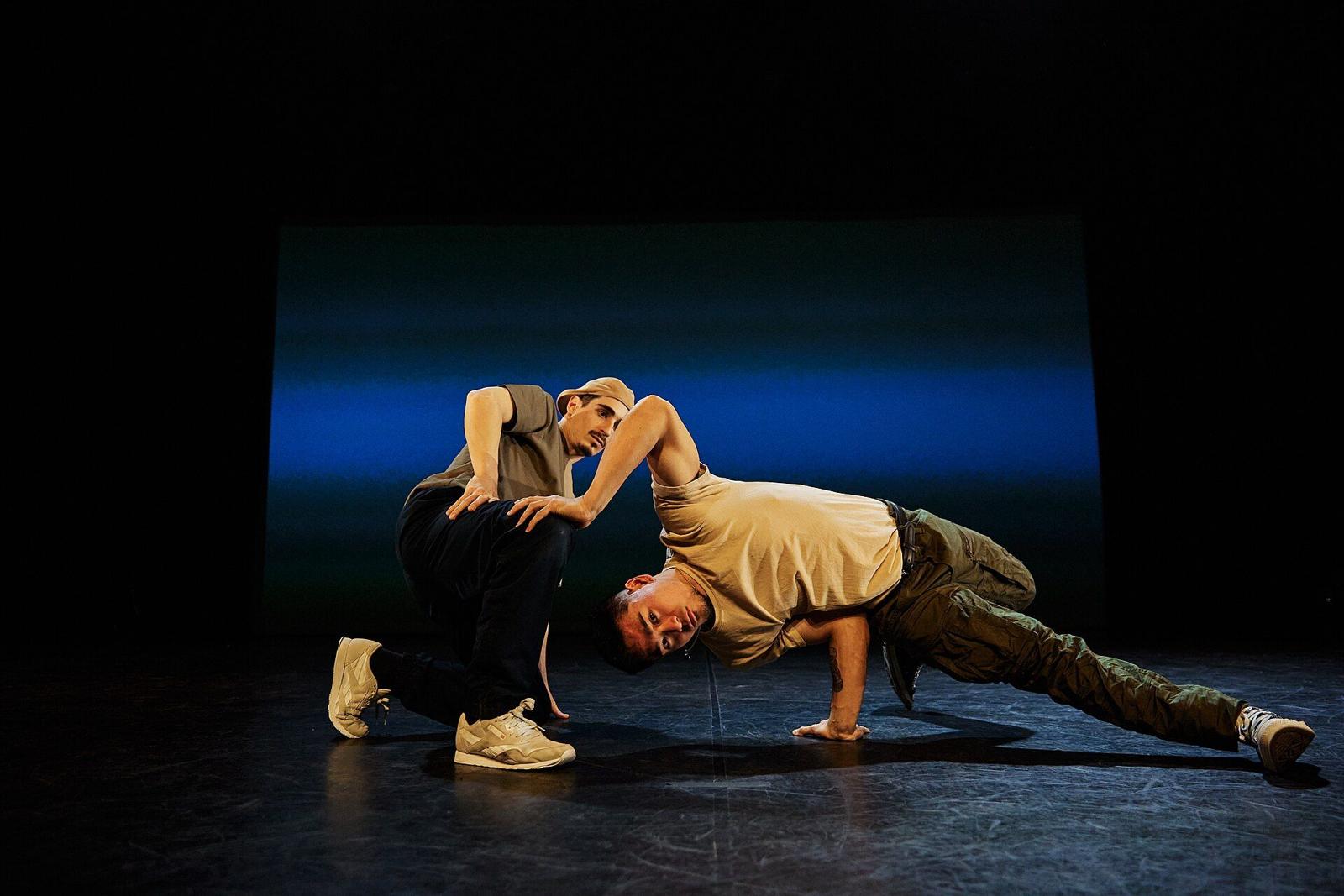
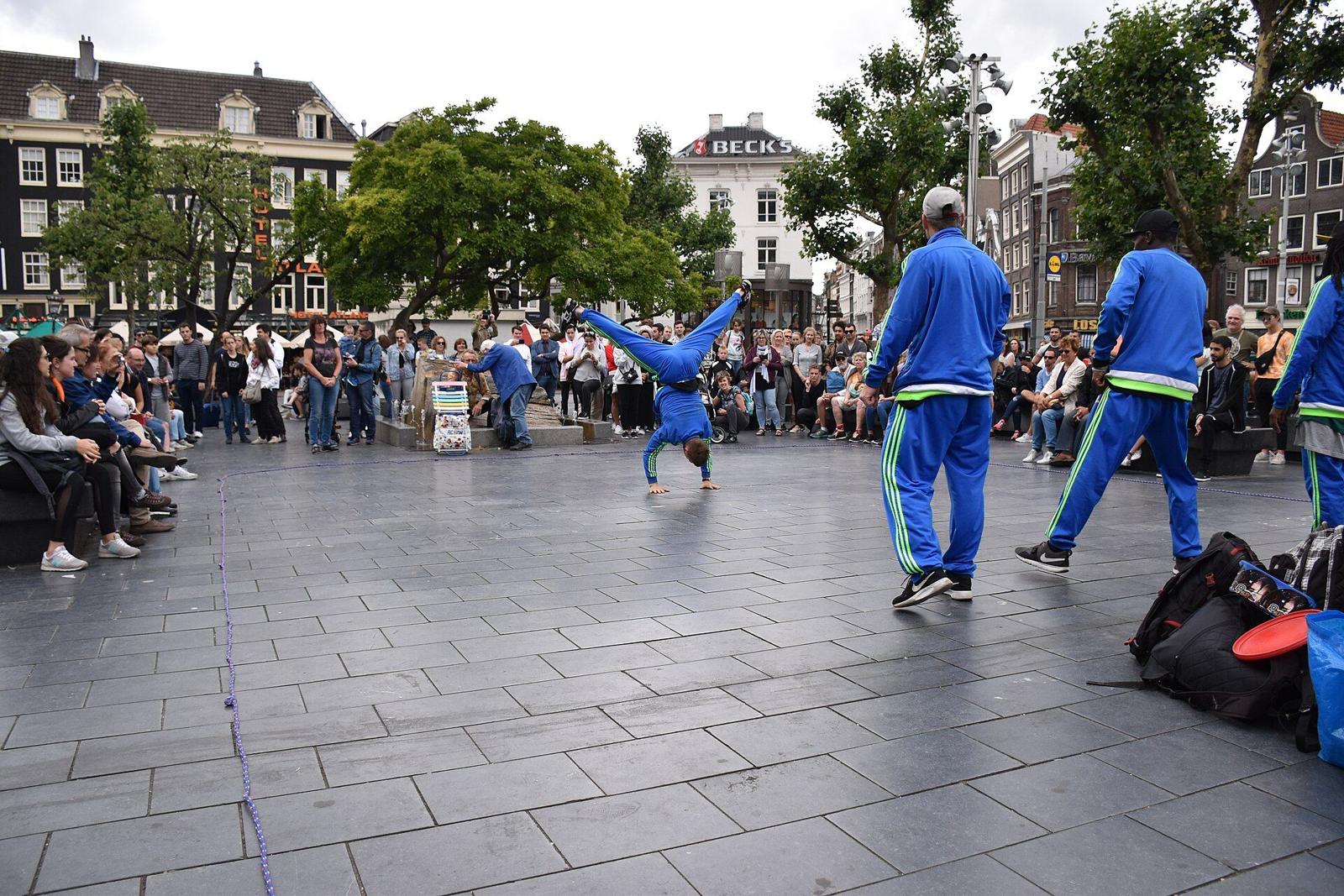
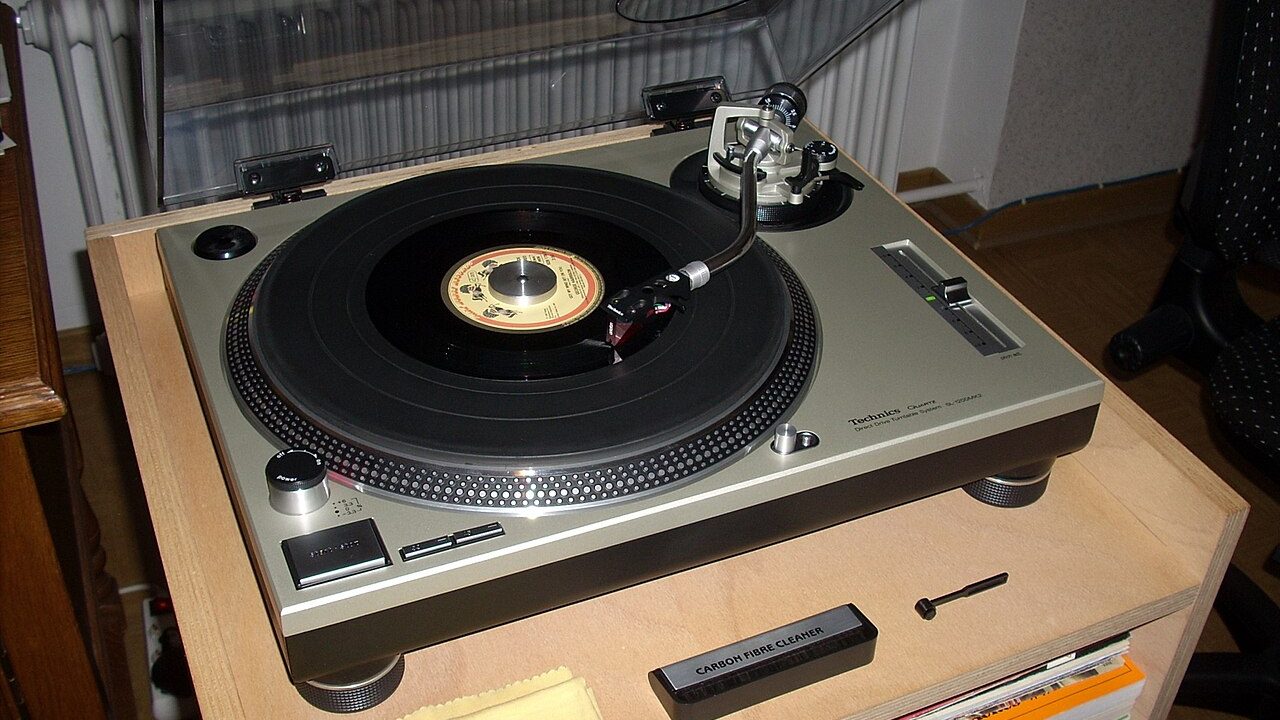
Breaking grew in the Bronx in the 1970s, danced to the instrumental breaks that DJs extended at parties, which is where the "b" in b-boy and b-girl comes from. Dancers developed toprock, footwork, freezes and spinning power moves, and crews competed in circles and battles.
From there it travelled with films, television and tours to Europe, Asia and Latin America, where scenes grew strong enough to produce many of today's champions.
The road to Paris
Breaking was tested at the 2018 Youth Olympic Games in Buenos Aires, then added to the Paris 2024 programme as one of the extra sports the host city was allowed to propose. CBC reported that organisers hoped it would attract a younger and more diverse audience. The World DanceSport Federation, better known for ballroom, became its governing body for the Olympics, which many breakers questioned.
Paris 2024
The competition took place on a round stage at Place de la Concorde in August 2024.
- In the B-Girls event, Ami Yuasa of Japan won gold, ahead of Dominika Banevič, B-Girl Nicka, of Lithuania, and Liu Qingyi, B-Girl 671, of China.
- In the B-Boys event, Philip Kim, Phil Wizard, of Canada won gold, ahead of Danis Civil, Dany Dann, of France, and Victor Montalvo of the United States.
The event also produced the most-discussed performance of the Games, by Australia's Rachael Gunn, B-Girl Raygun, whose routine was widely mocked online. The reaction said more about how little the general public knew about breaking than about the dancers who had spent years qualifying.
Not in Los Angeles
Even before Paris, it was known that breaking would not be on the programme for Los Angeles 2028, a decision that frustrated American pioneers, since the dance was born in the United States. Phil Wizard called the decision disappointing. The World DanceSport Federation has said it hopes breaking can return in Brisbane in 2032.
What the Olympics changed
The Games gave breaking its largest audience ever and new funding in some countries. They also exposed a debate the culture had been having for years: whether judging, federations and sport formats fit an art form born in cyphers, where style, character and the response to music matter as much as difficulty.
For many breakers, the circle, the jam and battles run by the culture itself remain the heart of it, Olympics or not. The same tension runs through other street styles, from krump to popping.
FAQ
Was breaking in the Olympics?
Yes. It made its Olympic debut at Paris 2024, at Place de la Concorde, as an additional sport chosen by the local organisers.
Who won Olympic gold in breaking?
B-Girl Ami (Ami Yuasa) of Japan won the women's event and B-Boy Phil Wizard (Philip Kim) of Canada won the men's event, ahead of Dany Dann of France.
Will breaking be at the 2028 Olympics?
No. It is not on the programme for Los Angeles 2028. The World DanceSport Federation has said it hopes for a return in Brisbane in 2032.
Sources
- CBC Sports, "Olympic breaking had its moment. But will we ever see it at the Games again?", August 2024
- Smithsonian Magazine, "Breaking just made its Olympic debut. Will it return in 2032?", August 2024
- NBC New York, "Will breaking be at the 2028 Olympics?", August 2024
- UPI, on Team USA's breaking team and LA 2028, 28 June 2024