Grandmaster Flash, born Joseph Saddler in Barbados in 1958 and raised in the Bronx, is the DJ who turned the turntable into an instrument. His quick mix theory used two copies of the same record to repeat and stretch a short drum break, so the most exciting part of a song could last as long as the dancers wanted. That idea fed directly into cutting, scratching and the beats rappers spit over. With his group Grandmaster Flash and the Furious Five, he also released "The Message" in 1982, one of the first rap songs about life in America's inner cities.
The problem: breaks were too short
In the mid-1970s, Bronx party DJs had noticed something. Dancers went wild during the break, the short instrumental passage of a funk or soul record when the drums take over. But a break might last only a few seconds. Kool Herc, whose story we tell in Kool Herc, 1520 Sedgwick and the birth of hip-hop, had started playing two copies of a record to extend it.
Flash wanted to do it with precision. He told NPR's Fresh Air in 2023 that some breaks were maybe ten seconds long, and that his thinking turned into what he called the quick mix theory: taking two duplicate copies of a record and moving the discs back and forth to repeat a passage.
How the quick mix theory works
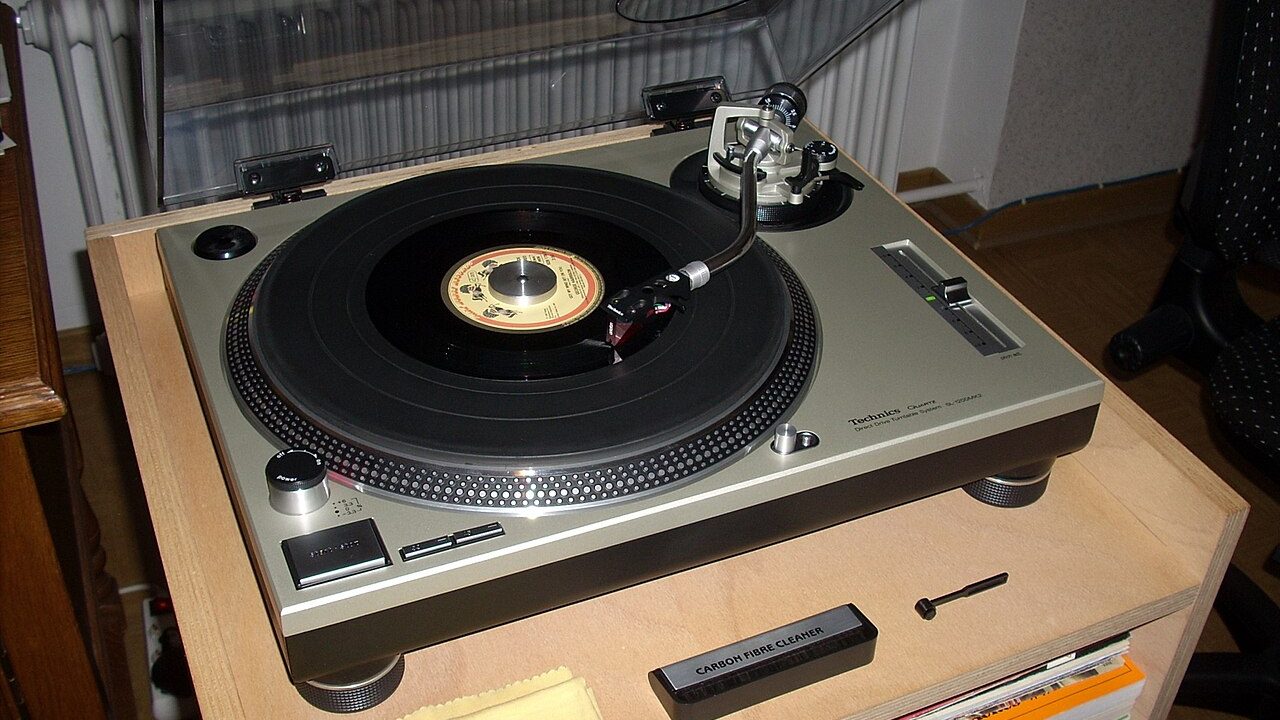
The idea is simple to describe and hard to do. The DJ puts the same record on two turntables. While the break plays on one, he finds the start of the same break on the other, spinning it back by hand. When the first copy reaches the end of the break, he switches to the second, then cues the first again, and so on.
Wikipedia describes the quick mix theory as a fingertip-to-vinyl and crossfader technique, and notes that it served the break-dancer and the rapper by lengthening the drum breaks. To make it work, Flash needed the record to slip smoothly under his fingers while the turntable kept spinning, which led to what we now call the slipmat.
He also used techniques that went with it, such as the backspin, spinning a record back to the start of a passage, and punch phrasing, dropping short bursts of one record over another. Flash told Fresh Air about another idea he called the "clock theory", marking records so he could find the exact spot quickly.
Teaching the next generation
Flash did not keep his methods to himself. He told Fresh Air that his first student was Grandwizzard Theodore, who became famous for needle drops, placing the needle exactly at the start of a break.
HITS Daily Double quotes Flash summing up his legacy: the quick mix theory turned DJs into musicians and allowed the DJ to play the turntable like an instrument.
Grandmaster Flash and the Furious Five
Around Flash grew a crew of MCs, the Furious Five, among them Melle Mel and Cowboy. Their skill at rhyming over Flash's breaks made them stars of the Bronx party scene. They released "Superrappin'" in 1979, and soon moved to Sugar Hill Records.
In the early 1980s Flash also recorded "The Adventures of Grandmaster Flash on the Wheels of Steel", one of the first records to capture a DJ's live turntable work, cuts and scratches included.
The Message
In 1982, the group released "The Message". With its slow beat and its picture of poverty, stress and violence in the city, it changed what rap could talk about. The Norwegian encyclopedia Store norske leksikon describes it as one of the first rap songs about living conditions in American ghettos, and as the start of political hip-hop.
It was a turning point for the music, though the group split soon afterwards over money.
Honours
In 2007, Grandmaster Flash and the Furious Five became the first hip-hop act inducted into the Rock and Roll Hall of Fame, introduced by Jay-Z. In 2019, Flash became the first hip-hop artist to receive the Polar Music Prize, according to Wikipedia. He still tours and plays DJ sets.
Why dancers should care
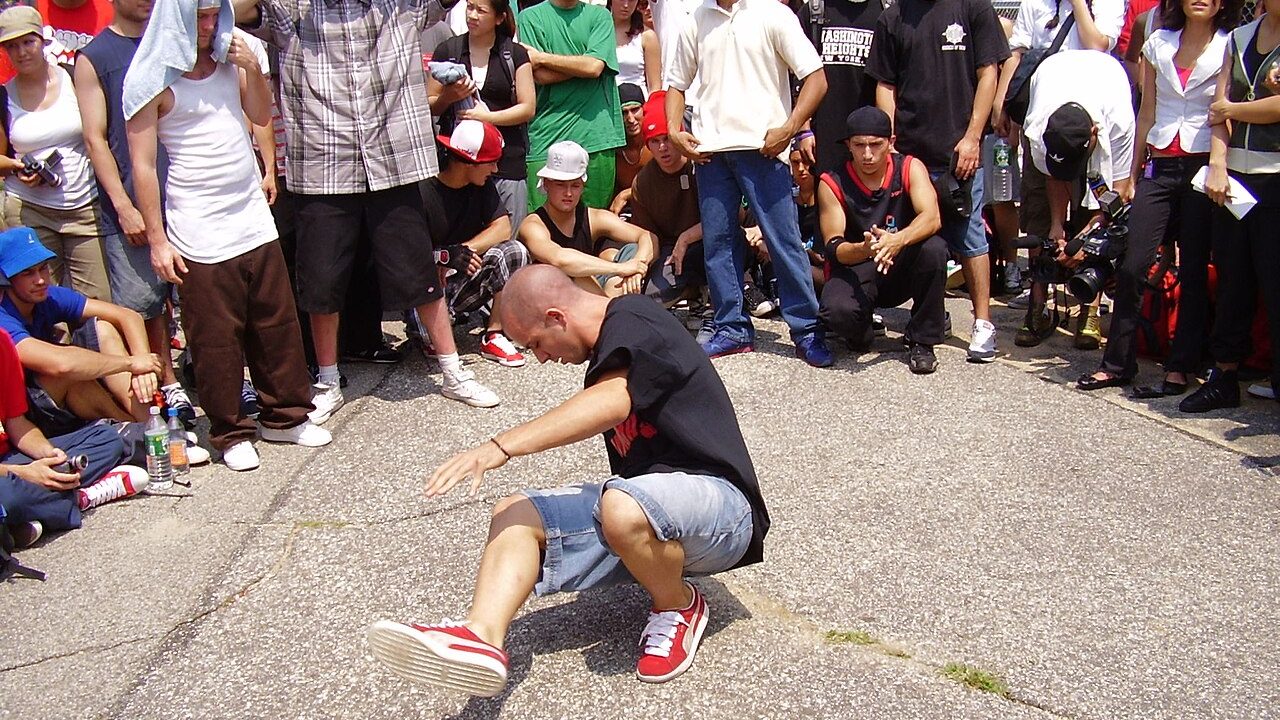
The quick mix theory was built for dancers. B-boys and b-girls wanted longer breaks to show their moves, and Flash gave them exactly that. Breaking, which we follow in Breaking: from the Bronx to the Olympics, grew up dancing to those stretched-out drums.
Every time a DJ loops a break today, on vinyl or software, there is a little of Flash in it. To see where DJing fits in the wider culture, read The elements of hip-hop.
FAQ
Who is Grandmaster Flash?
Joseph Saddler, born in Barbados in 1958 and raised in the Bronx, is a pioneering hip-hop DJ known for his quick mix theory and for the group Grandmaster Flash and the Furious Five.
What is the quick mix theory?
A DJ technique that uses two copies of the same record to repeat and extend a short drum break, cueing one copy while the other plays. It helped give birth to cutting and scratching.
What is 'The Message'?
A 1982 single by Grandmaster Flash and the Furious Five, released on Sugar Hill Records. It is one of the first rap songs about life in America's inner cities and is often seen as the start of political hip-hop.
Sources
- Wikipedia, "Grandmaster Flash"
- NPR, Fresh Air, "Fresh Air celebrates 50 years of hip-hop: Grandmaster Flash", 28 August 2023
- HITS Daily Double, on Grandmaster Flash and the quick mix theory
- Store norske leksikon, "Grandmaster Flash and the Furious Five"
- American Songwriter, "The origin story of Grandmaster Flash"