Gqom and amapiano are both South African electronic dance music, both born in the townships, and both have travelled the world. But they sound very different. Gqom emerged in Durban in the early 2010s: a minimal, raw, dark and bass-heavy sound that usually avoids the steady four-on-the-floor kick of house music. Amapiano grew in the townships of Gauteng, around Johannesburg and Pretoria, and became a global craze in the early 2020s with jazzy pianos, deep house grooves and its signature log drum bass. Put simply, gqom hits hard and dark; amapiano rolls smooth and warm.
Gqom: Durban's broken beat
Gqom is a South African electronic dance music and a subgenre of house that emerged in Durban in the early 2010s. It was pioneered by a young generation of producers including Naked Boyz, Rudeboyz, Sbucardo, Griffit Vigo, Nasty Boyz, DJ Lag, Menzi Shabane, Distruction Boyz and Citizen Boy.
The word comes from the Zulu language: an onomatopoeic combination of click consonants that suggests a drum hit, a bang or a ricochet, close to the sound of a kick drum. Gqom has several other names and offshoots, including sgubhu and 3-step.
Musically, traditional gqom is defined by a minimal, raw and repetitive sound with heavy bass, and, unlike most other South African electronic music, it usually does not use the four-on-the-floor kick pattern. It is described as dark and hypnotic, with tom rolls, Zulu chants and a sound credited to Griffit Vigo called the "sweep", which resembles a broom. Lyrics are sparse: often one phrase or a few lines repeated again and again.
Gqom was made in a do-it-yourself way. Young, tech-savvy DJs produced it with software such as FL Studio and shared it themselves on file-sharing platforms. It grew in Durban's clubs and in its minibus taxis, which played it loudly across the city, then spread to the rest of KwaZulu-Natal.
Gqom goes global
Gqom's first big stars came in the mid-2010s. Babes Wodumo, singer and choreographer of "Wololo", was nominated for a BET Award. Distruction Boyz, the duo of Que DJ and Goldmax, had a hit with "Omunye", and both acts were nominated for the MTV Europe Music Award for Best African Act. The Italian label Gqom Oh, run by Nane Kolè, helped bring the sound to Europe.
In 2018, Babes Wodumo appeared on the Black Panther soundtrack curated by Kendrick Lamar. In 2019, DJ Lag produced "My Power" for Beyoncé's The Lion King: The Gift, with the singers Busiswa and Moonchild Sanelly.
Amapiano: the pianos of Gauteng
Amapiano is a hybrid of kwaito, deep house, gqom, jazz, soul and lounge music, defined by piano melodies, synths and wide, percussive basslines. Its name comes from the Zulu word for "pianos".
Its origins are disputed. There is no single founder, and accounts differ about where it started in Gauteng's townships. Because it shares features with Pretoria's bacardi house, some say it began in Pretoria, but that remains uncertain. What is bacardi house?
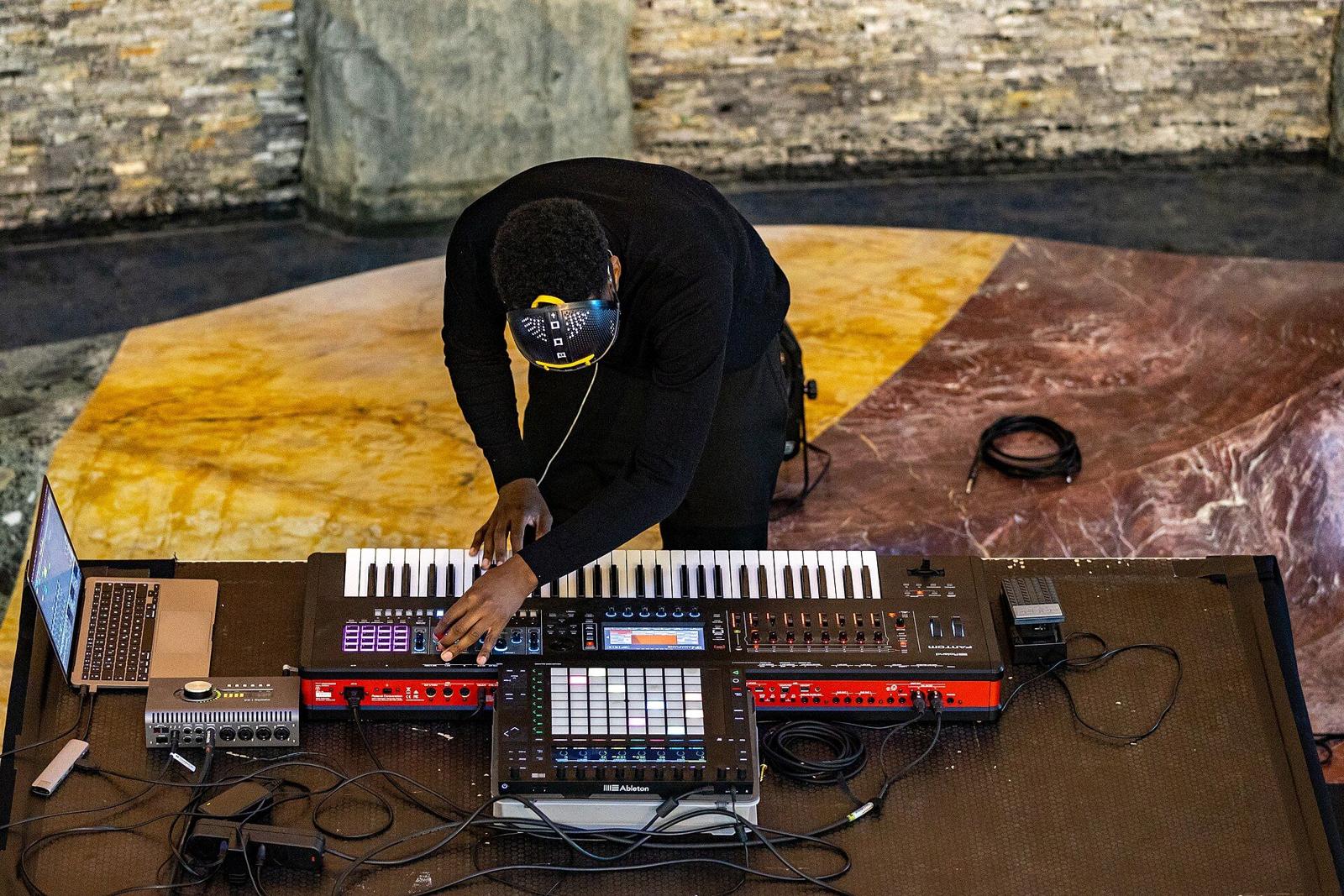
Its most recognisable element is the log drum, an electronic, percussive bassline. The producer Kabza De Small credits the Soweto producer MDU aka TRP with figuring out the log drum sound, while an electronic log drum sound in South African music goes back further, possibly to the kwaito pioneer M'du Masilela. The log drum explained.
Amapiano is sung in many of South Africa's official languages and has spawned many variants, from soulful private school piano to Nigerian afropiano and Tanzanian bongopiano. Stars such as Kabza De Small, DJ Maphorisa, Uncle Waffles and Tyla took it to the world, and Tyla's "Water" won a Grammy. Tyla and Water.
Side by side
| Gqom | Amapiano | |
|---|---|---|
| Where | Durban, KwaZulu-Natal | Gauteng townships (Johannesburg, Pretoria) |
| When | Early 2010s | Popular from the early 2020s |
| Feel | Dark, raw, hypnotic | Warm, jazzy, smooth |
| Groove | Usually no four-on-the-floor kick | Deep house groove with a percussive bassline |
| Signature sound | Heavy bass, tom rolls, chants, the "sweep" | Piano melodies, log drum bassline |
| Vocals | One phrase repeated | Sung and chanted, often in several languages |
| Key names | DJ Lag, Distruction Boyz, Babes Wodumo, Rudeboyz | Kabza De Small, DJ Maphorisa, Kelvin Momo, Tyla |
How the two connect
The two genres are not rivals so much as neighbours. Amapiano drew on gqom from the start: the genre's sample packs often include sounds taken from gqom. And as amapiano grew, gqom producers answered with hybrids. Gqom 2.0, which emerged around the turn of the 2020s, slowed gqom down and fused it with amapiano, afro house and afro tech. Even pop crossed over: Tyla's early single "Overdue", with Kooldrink and DJ Lag, mixed pop, amapiano and gqom.
Both genres also draw on kwaito, Durban's local version in the case of gqom, and both live in the same ecosystem of township parties, taxi sound systems and viral dance videos.
The dances
Gqom and amapiano each come with their own dance culture. Gqom's energy suits sharp, explosive moves, and Babes Wodumo's choreography was part of her appeal; she showed gqom dance moves in her video with Major Lazer. Amapiano moves, from the vosho to the pouncing cat, spread online in the 2020s and became a global phenomenon. Amapiano dance moves.
Where to start listening
- Gqom: Babes Wodumo, "Wololo"; Distruction Boyz, "Omunye"; DJ Lag's productions.
- Amapiano: Kabza De Small and DJ Maphorisa; Kelvin Momo for the soulful side; Tyla, "Water".
- Crossover: Kooldrink, DJ Lag and Tyla, "Overdue".
Frequently asked questions
What is the difference between gqom and amapiano? Gqom is Durban's raw, bass-heavy broken beat of the early 2010s; amapiano is the piano and log drum sound that took over the 2020s.
Where does the word gqom come from? From Zulu click consonants suggesting a drum hit or a bang.
Where does amapiano come from? From Gauteng's townships. Its exact origin is disputed and it has no single founder.
Are gqom and amapiano related? Yes. Amapiano borrows gqom sounds, and hybrids such as gqom 2.0 mix the two.
FAQ
What is the difference between gqom and amapiano?
Gqom emerged in Durban in the early 2010s and is minimal, raw, dark and bass-heavy, usually without a four-on-the-floor kick. Amapiano became popular in the early 2020s and is built on jazzy piano melodies, deep house and the log drum bassline.
Where does the word gqom come from?
It is an onomatopoeic word made of Zulu click consonants, suggesting a drum hit, a bang or a ricochet, close to the sound of a kick drum.
Where does amapiano come from?
From the townships of Gauteng, South Africa's most populous province. Its exact origin is disputed: some accounts point to Johannesburg's townships, others to Pretoria, and there is no single founder.
Are gqom and amapiano related?
Yes. Amapiano sample packs often use sounds from gqom, and later hybrids such as gqom 2.0 slowed gqom down and mixed it with amapiano and afro house.
Sources
- Wikipedia, "Gqom", "Amapiano", "DJ Lag", "Babes Wodumo" and "Distruction Boyz"