Street dance is an umbrella term for a family of dance styles that grew outside dance studios, at parties, in parks, schoolyards and clubs, mostly in the United States from the 1970s onwards. The best-known are breaking, popping, locking, hip-hop, house, waacking, voguing and krump. They are often grouped together, taught in the same schools and judged at the same events, but each has its own city, its own music and its own pioneers. This guide takes them one by one, with a quick way to recognise each.
Why "street" dance?
The name is literal. These dances were created in whatever open space was available: streets, block parties, parks, school yards and nightclubs. Many of the people who created them, mostly young African Americans and Latinos, were not welcome in dance studios. Street dances are usually improvised and social: dancers interact with each other and with the crowd, often in a circle called a cypher, and test themselves in battles.
Breaking
Where and when: the Bronx, New York, early 1970s. Music: breakbeats, funk and hip-hop. How to spot it: dancers go down to the floor, spin, and hold acrobatic freezes.
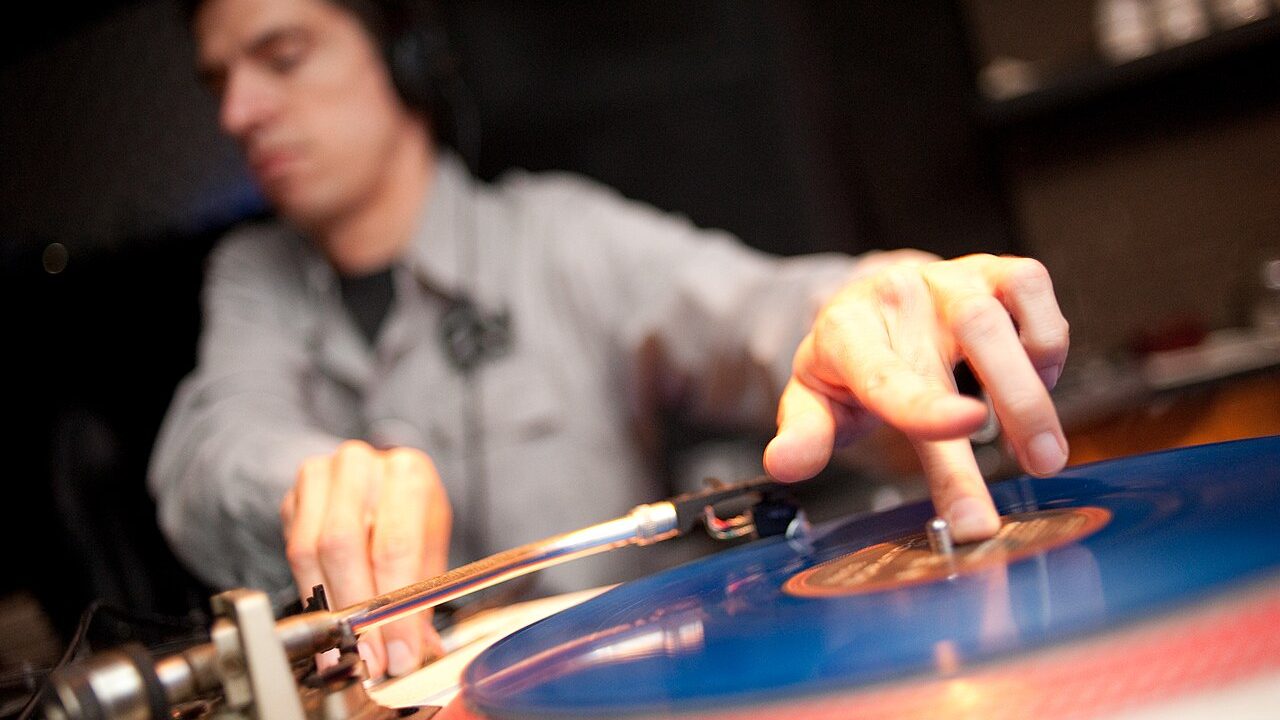
Breaking, or b-boying and b-girling, is the first hip-hop dance. It grew at block parties where DJ Kool Herc and others stretched out the instrumental "break" of funk records. It has four foundations: toprock, danced standing; downrock or footwork, on hands and feet; freezes; and power moves. "Breakdance" is the media's word; dancers say breaking. It became an Olympic discipline at Paris 2024. More on breaking.
Popping
Where and when: Fresno, California, 1970s, from the earlier boogaloo of Oakland. Music: funk. How to spot it: sharp jerks in the body, as if electricity were running through it.
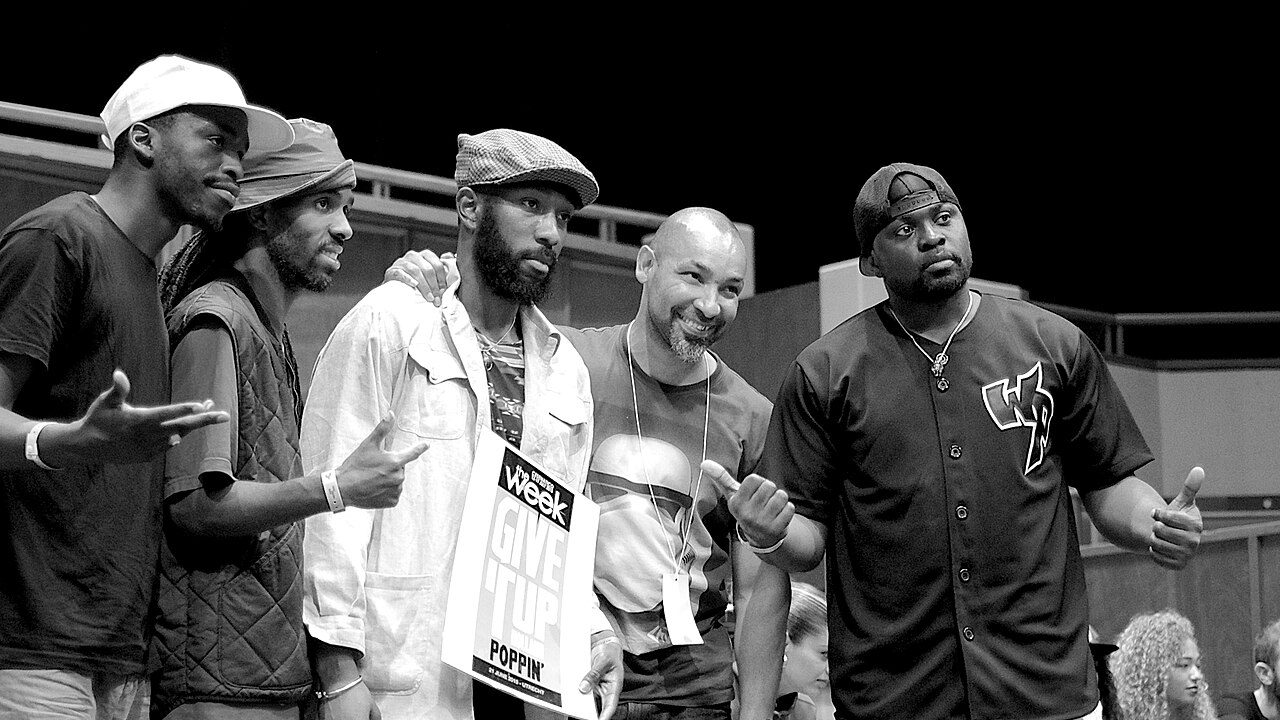
Popping is based on quickly contracting and relaxing muscles to create a jerk called a pop or hit, timed to the beat. Boogaloo Sam and his crew, the Electric Boogaloos, made it famous. The word is often used for a whole family of illusion styles, such as waving, tutting, animation and gliding, although some pioneers, Popin' Pete among them, insist those are separate styles with their own creators. More on popping.
Locking
Where and when: Los Angeles, around 1969. Music: funk, especially James Brown. How to spot it: big, fast arm movements that suddenly freeze, pointing, and a lot of smiling.
Don Campbell created locking, originally called Campbellocking. The lock is a sudden freeze after a fast movement, held for a moment before the dancer carries on at the same speed. Locking is playful and theatrical, with moves such as points, the scooby doo and the stop 'n go, and a recognisable dress style of striped socks, suspenders and big hats. Campbell's crew The Lockers spread it, notably on the TV show Soul Train. More on locking.
Popping and locking are often confused, and "pop-locking" is not a real style: the two have separate histories, moves and competition categories. Popping vs locking.
Hip-hop: party dances and new style
Where and when: New York and beyond, from the 1980s. Music: hip-hop, R&B. How to spot it: a bouncy groove, social steps with names, and, in the studio version, hard-hitting choreography.
As breaking spread in the 1980s, hip-hop social dances grew around it, from the Roger Rabbit and the Running Man to later dances such as the Dougie. The studio world then created a choreographed hip-hop, often called new style, the kind seen in music videos. Strictly speaking, popping and locking are funk styles, not hip-hop. The dance historian Moncell Durden goes further, telling Racked that hip-hop dance is only breaking and the social dances. What is hip-hop dance?
House
Where and when: the club scenes of Chicago and New York, 1980s. Music: house music. How to spot it: fast, complex footwork, a rippling torso, and moves that drop to the floor and back up.
House dance grew from the improvised club dancing of New York's underground disco venues, such as the Loft, and from the house music that emerged in the early 1980s. Its three main elements are footwork, jacking, a rhythmic, rippling movement of the torso, and lofting, floor-based moves. It is deeply social and still lives on club floors as much as on stages. More on house dance.
Waacking
Where and when: the gay clubs of Los Angeles, 1970s. Music: disco and post-disco. How to spot it: fast rotating arm movements over and around the head, poses, and a lot of attitude.
Waacking grew from punking, a dance from 1970s LA gay clubs whose name came from an insult. The "whack" was one of its arm movements, and the wider club scene renamed the dance waackin', later waacking. Soul Train again gave it exposure. It is known for its rotational arm work, posing and expressiveness. More on waacking.
Voguing
Where and when: the ballroom scene of Harlem, New York, grown from the 1960s to the 1980s. Music: house and ballroom beats. How to spot it: sharp, model-like poses, hand performance, spins and dips to the floor.
Voguing comes from the ballroom culture of Black and Latino gay men and trans women in Harlem. It takes its name from Vogue magazine, because it was inspired by the poses of fashion models. Madonna's song "Vogue" and the documentary Paris Is Burning, both from 1990, made it visible worldwide. The ballroom world has its own houses, categories and rules. More on voguing.
Krump
Where and when: South Central Los Angeles, early 2000s. Music: hip-hop. How to spot it: stomps, chest pops, arm swings, and raw, intense energy.
Tight Eyez and Big Mijo created krump, which grew from clowning, the more playful style started by Tommy the Clown in 1992. It is highly expressive, often described by its dancers in spiritual terms, and it went global after the 2005 documentary Rize. More on krump.
Local styles worth knowing
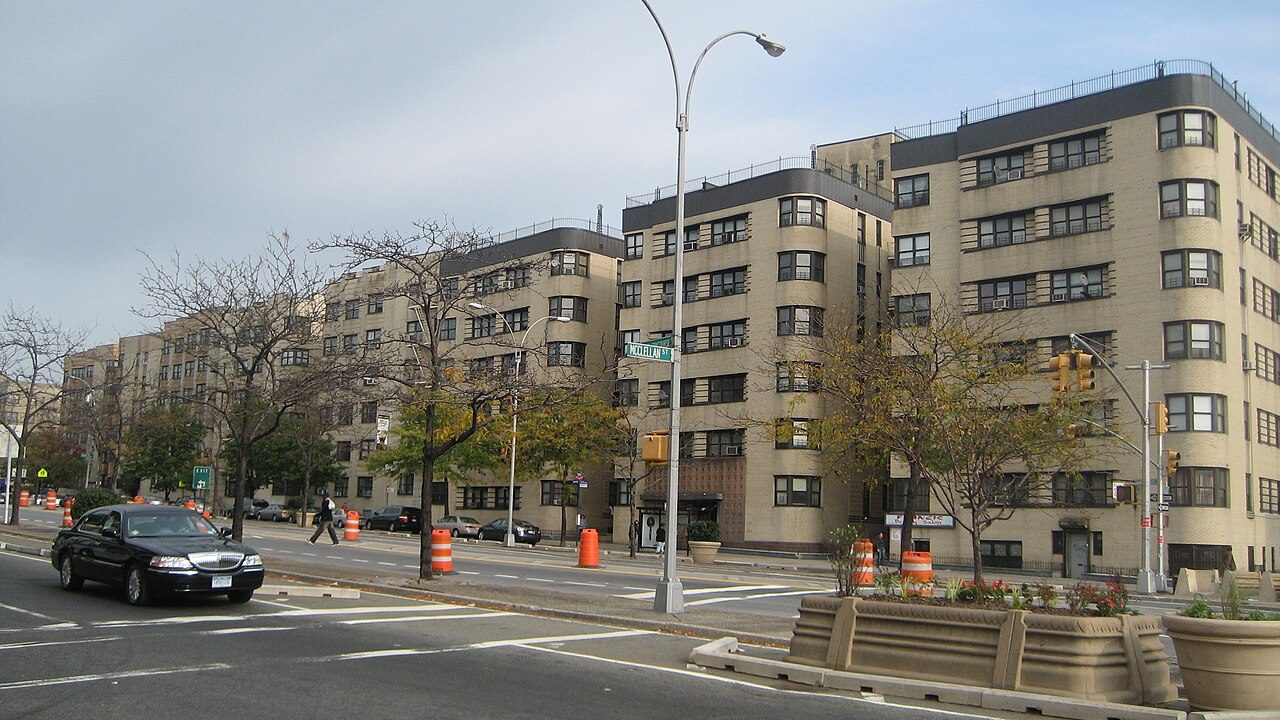
Street dance never stopped producing local styles. Litefeet emerged in Harlem, New York. Memphis jookin', from the 1980s, is known for gliding and balancing on the tips of sneakers. Turfing was created in Oakland in 2002, and jerkin' spread from Los Angeles around 2009. Outside the United States, Jamaican dancehall and South African pantsula have their own street traditions and battles.
Quick comparison
| Style | Born | City | Main music |
|---|---|---|---|
| Locking | Around 1969 | Los Angeles | Funk |
| Breaking | Early 1970s | The Bronx, New York | Breakbeats, funk, hip-hop |
| Waacking | 1970s | Los Angeles | Disco |
| Popping | 1970s | Fresno (from Oakland boogaloo) | Funk |
| Voguing | 1960s to 1980s | Harlem, New York | House, ballroom beats |
| House | 1980s | Chicago and New York | House |
| Hip-hop social dances | 1980s | New York and beyond | Hip-hop, R&B |
| Krump | Early 2000s | South Central Los Angeles | Hip-hop |
How to choose a style
Watch first. Go to a jam or battle, or watch battle footage online, and notice which style makes you want to move. Then look for a teacher who knows the history and foundations of that style, not only choreography. Most street dancers end up learning several styles, but almost all of them started by falling for one.
Frequently asked questions
What are the main street dance styles? Breaking, popping, locking, hip-hop, house, waacking, voguing and krump, plus many local styles such as jookin' and turfing.
What is the difference between popping and locking? Popping uses muscle hits to jerk the body; locking freezes into positions after fast moves and is more playful.
Is breaking the same as breakdancing? Yes. Breaking is the dancers' name; breakdancing is the media's.
Why is it called street dance? Because these styles grew outside studios, at parties, in parks and clubs and on the street.
FAQ
What are the main street dance styles?
The best-known are breaking, popping, locking, hip-hop (party dances and new style), house, waacking, voguing and krump. Many newer local styles, such as Memphis jookin' and turfing, also belong to the family.
What is the difference between popping and locking?
Both are funk styles from California. Popping uses quick muscle contractions, called hits, to create a jerk in the body. Locking freezes or 'locks' into a position after fast movements, then continues, and is more playful and comic.
Is breaking the same as breakdancing?
Yes. Breaking, or b-boying and b-girling, is the name dancers use. Breakdancing is the name the media popularised in the 1980s, often applied wrongly to other street styles too.
Why is it called street dance?
Because these styles developed outside dance studios in the 1970s and after, at parties, in parks, schoolyards, clubs and on the street, often among young people who had no access to studios.
Sources
- Wikipedia, "Street dance", "Hip-hop dance", "Locking (dance)", "Popping", "House dance", "Waacking" and "Vogue (dance)"
- Racked interview with Moncell Durden, quoted in Wikipedia, "Hip-hop dance"