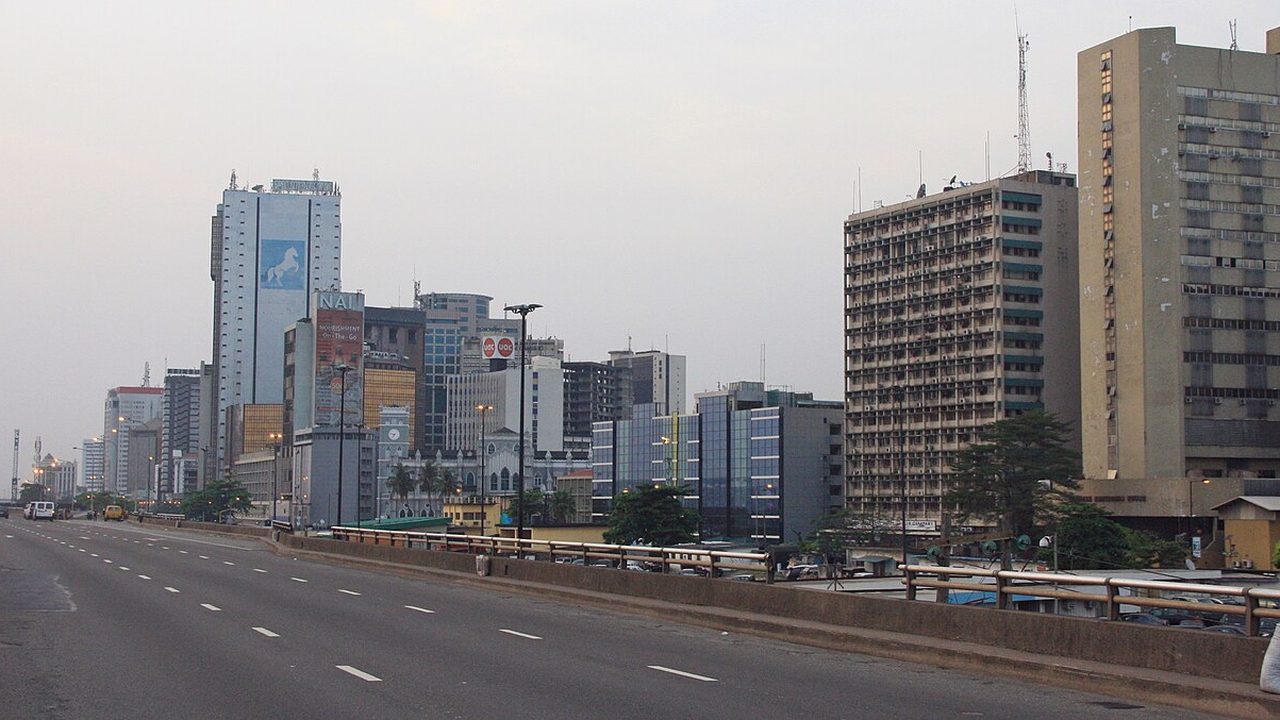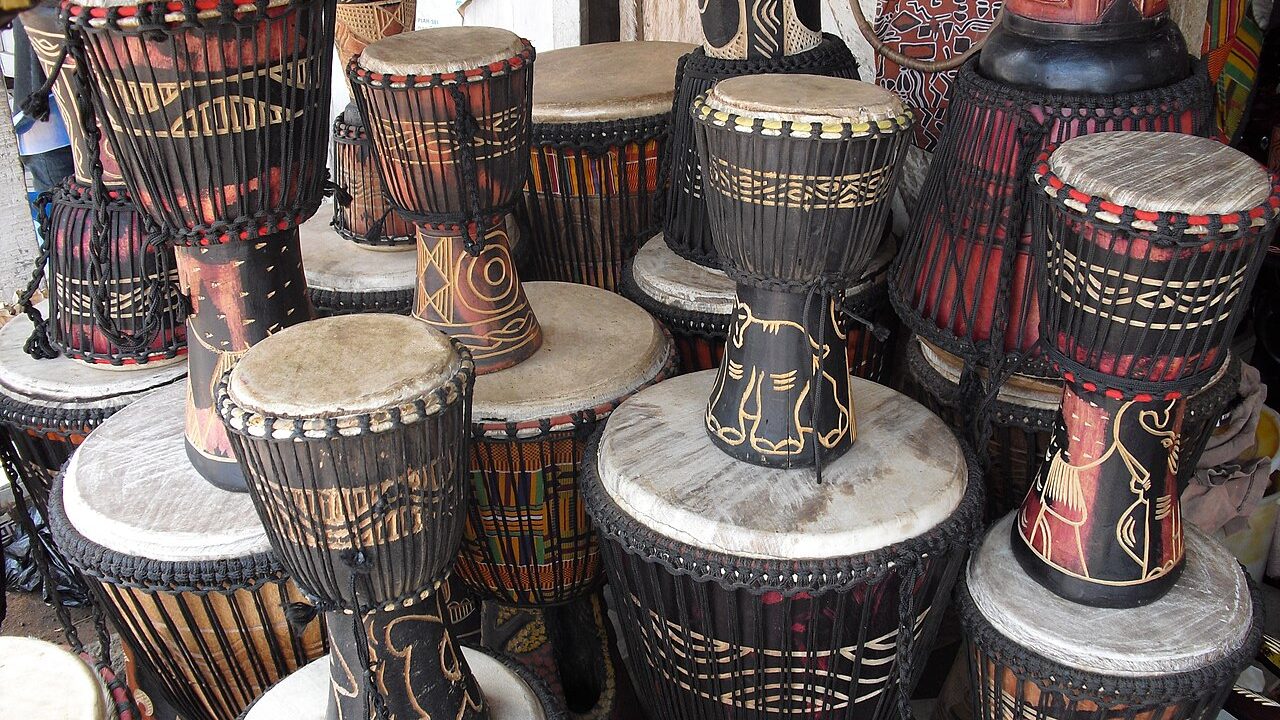
Afrobeat, without an s, was created in Nigeria at the end of the 1960s and the start of the 1970s by the bandleader Fela Kuti and his drummer Tony Allen. Fela is regarded as the principal innovator of the genre, which combines West African music with American funk and jazz. Allen, his drummer and musical director from 1968 to 1979, built the rhythmic engine that made it work. Fela himself gave the clearest answer to the question: without Tony Allen, there would be no afrobeat. Here is how the two of them created it, and why both names belong in the story.
Fela before afrobeat
Fela Aníkúlápó Kuti, born Olufela Olusegun Oludotun Ransome-Kuti on 15 October 1938 in Abeokuta, grew up in a well-known family. His mother, Funmilayo Ransome-Kuti, was an anti-colonial feminist activist, and his father was an Anglican minister and school principal.
In 1958 he went to London, where he formed a band called Koola Lobitos and played a fusion of jazz and highlife. Back in newly independent Nigeria in 1963, he re-formed the band and trained as a radio producer.
Tony Allen, the drummer who played like no one else
Tony Oladipo Allen, born in Lagos on 20 July 1940, started playing drums at 18 while working as an engineer for a radio station. He grew up with his father's jùjú records, American jazz and the highlife of Nigeria and Ghana, and studied jazz drummers such as Art Blakey and Max Roach, as well as the Ghanaian drummer Guy Warren, later known as Kofi Ghanaba.
In 1964, Fela invited him to audition for the jazz-highlife band he was forming. He was struck by Allen's sound and asked him how he came to be the only drummer in Nigeria who played jazz and highlife like that. Allen became an original member of Koola Lobitos.
1969: America changes everything
In 1969, Fela took the band to the United States and spent ten months in Los Angeles. There he discovered the Black Power movement through Sandra Smith, a supporter of the Black Panther Party. The encounter changed his politics, and his music followed.
Back in Lagos, the band became Africa '70, with Tony Allen as musical director. Its new, militant sound mixed the heavy groove of soul with jazz, highlife and the polyrhythms of Yoruba music. Fela called it afrobeat. Wikipedia's account lists its ingredients as apala, funk, jazz, highlife, salsa, calypso and traditional Yoruba music.
Who did what
The division of labour was unusual. Allen recalled that Fela wrote out the parts for every musician in the band except one: him. Allen was the only member who created his own parts, and Fela would ask him what kind of rhythm he wanted to play.
That is why both names matter. Fela composed the songs, arranged the horns and guitars, led the band and wrote the lyrics, increasingly political ones. Allen invented the drumming: a dense, fluid pattern that combined jazz technique with West African polyrhythm. Brian Eno later described him as perhaps the greatest drummer who has ever lived.
What afrobeat sounds like
Fela's songs were long: at least 10 to 15 minutes on record, many reaching 20 or 30, often with a long instrumental introduction before he started to sing. The music rests on interlocking parts:
- Drums that lock into a hypnotic, polyrhythmic groove.
- A bass line that repeats and anchors the song.
- Electric guitars in the West African style, each repeating a short chordal or melodic riff, giving the music its structure.
- A big horn section playing riffs and solos.
- Call-and-response vocals, with Fela singing and the chorus answering.
Fela mostly sang in Nigerian Pidgin English, so that people all over Africa, with their many languages, could follow his lyrics.
The Shrine and the Kalakuta Republic
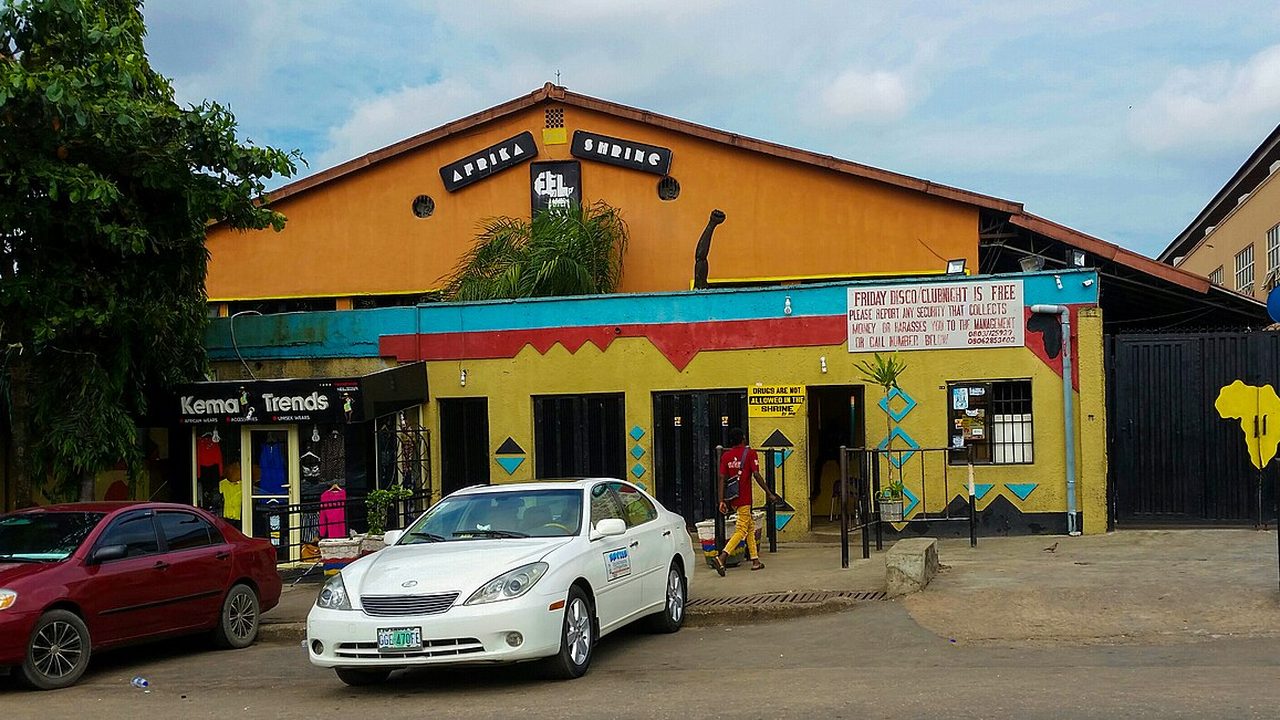
In 1970, Fela founded the Kalakuta Republic, a commune, recording studio and home for many people connected to the band, which he declared independent from military rule. He performed regularly at his own club, first called the Afro-Spot and later the Afrika Shrine.
His songs targeted Nigeria's military governments directly. In 1977, Fela and Africa 70 released Zombie, which mocked soldiers as mindless zombies. The album was a huge success, and the government responded by raiding the Kalakuta Republic with a thousand soldiers. Fela was injured, and his mother died of injuries from the attack. He was later jailed in 1984 by the government of Muhammadu Buhari and released after 20 months.
After Africa '70
Tony Allen left Africa '70 in 1979. He went on to a long solo career and collaborated with musicians from many genres, notably with Damon Albarn in the Good, the Bad & the Queen and Rocket Juice & the Moon. He kept recording until the end of his life, including the album Rejoice with Hugh Masekela, released in 2020. He died in Paris on 30 April 2020, aged 79.
Fela kept recording and touring through the 1980s and 1990s with new bands. He died on 2 August 1997. Since then, his son Femi Kuti has overseen reissues of his music, the musical Fela! has played off-Broadway and on Broadway, and bands such as Antibalas have carried afrobeat to new audiences. In 2026, Fela was inducted into the Rock and Roll Hall of Fame.
Afrobeat and afrobeats
The names are almost identical, which causes endless confusion. Afrobeat is Fela and Allen's 1970s sound: long, band-based, jazz-influenced and political. Afrobeats, with an s, is a broad label for the West African pop of the 2000s and 2010s, the music of Wizkid, Davido and Burna Boy. Today's stars still draw on Fela: Burna Boy, whose grandfather Benson Idonije once managed him, has sampled his music, but afrobeats is a different genre. Afrobeats vs afrobeat.
Where to start listening
- Fela Kuti and Africa 70, Zombie (1977).
- Fela Kuti, Black President (1981), a compilation with "Sorrow, Tears and Blood".
- Tony Allen, his solo albums, to hear the drummer on his own terms.
- Tony Allen and Hugh Masekela, Rejoice (2020).
Frequently asked questions
Who created afrobeat? Fela Kuti, its principal innovator, with his drummer and musical director Tony Allen.
When was afrobeat created? At the end of the 1960s and the start of the 1970s, after Fela's 1969 stay in the United States.
What is the difference between afrobeat and afrobeats? Afrobeat is Fela's 1970s band music; afrobeats is the broader West African pop of the 2000s and 2010s.
What is a famous afrobeat song? "Zombie" (1977), Fela's attack on the Nigerian military.
FAQ
Who created afrobeat?
Fela Kuti is regarded as its principal innovator, and his drummer and musical director Tony Allen is widely recognised as a co-founder. Fela once said that without Tony Allen there would be no afrobeat.
When was afrobeat created?
At the end of the 1960s and the start of the 1970s. After a ten-month stay in the United States in 1969, Fela and his band, renamed Africa '70 with Tony Allen as musical director, developed the new sound in Lagos.
What is the difference between afrobeat and afrobeats?
Afrobeat is Fela Kuti's 1970s fusion of Yoruba music, highlife, jazz and funk, with long songs and political lyrics. Afrobeats, with an s, is a broader label for West African pop from the 2000s and 2010s.
What is a famous afrobeat song?
'Zombie' (1977), a scathing attack on the Nigerian military, is one of Fela Kuti's best-known songs. It provoked a violent army raid on his Kalakuta Republic commune.
Sources
- Wikipedia, "Fela Kuti" and "Tony Allen (musician)"