Bachata is built on an eight-count side-to-side step: three steps and a tap to one side, then three steps and a tap to the other. Counted out loud, it goes 1, 2, 3, tap, 5, 6, 7, tap. The tap on 4 and 8, often done with a small lift of the hip, is what gives bachata its look. That simple pattern is why many people choose bachata as their first partner dance: you can dance a basic with a stranger after one class. This guide covers the side basic, the original Dominican box step, the hip movement and the styles you will meet.
A quick word on where bachata comes from
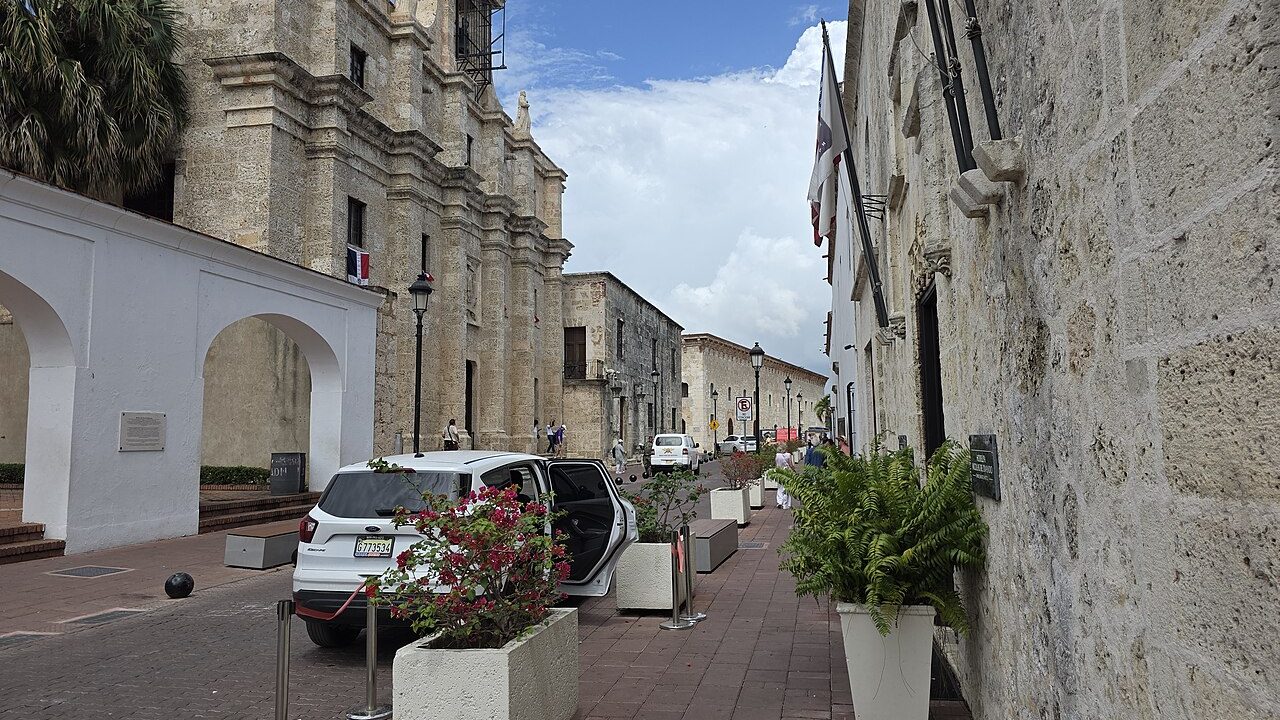
Bachata is a social couple dance from the Dominican Republic, connected to bachata music. The original dance appeared there in the 1960s, danced in closed position, close like the bolero. It spread internationally in the late 20th century and has kept changing ever since. Knowing that helps: the steps you will learn in a European studio are a younger version of something Dominicans have danced at home and at parties for decades.
Step 1: count the music
Bachata music is counted in eights. You step on 1, 2 and 3, and on 4 you tap instead of stepping. Then 5, 6, 7 and a tap on 8.
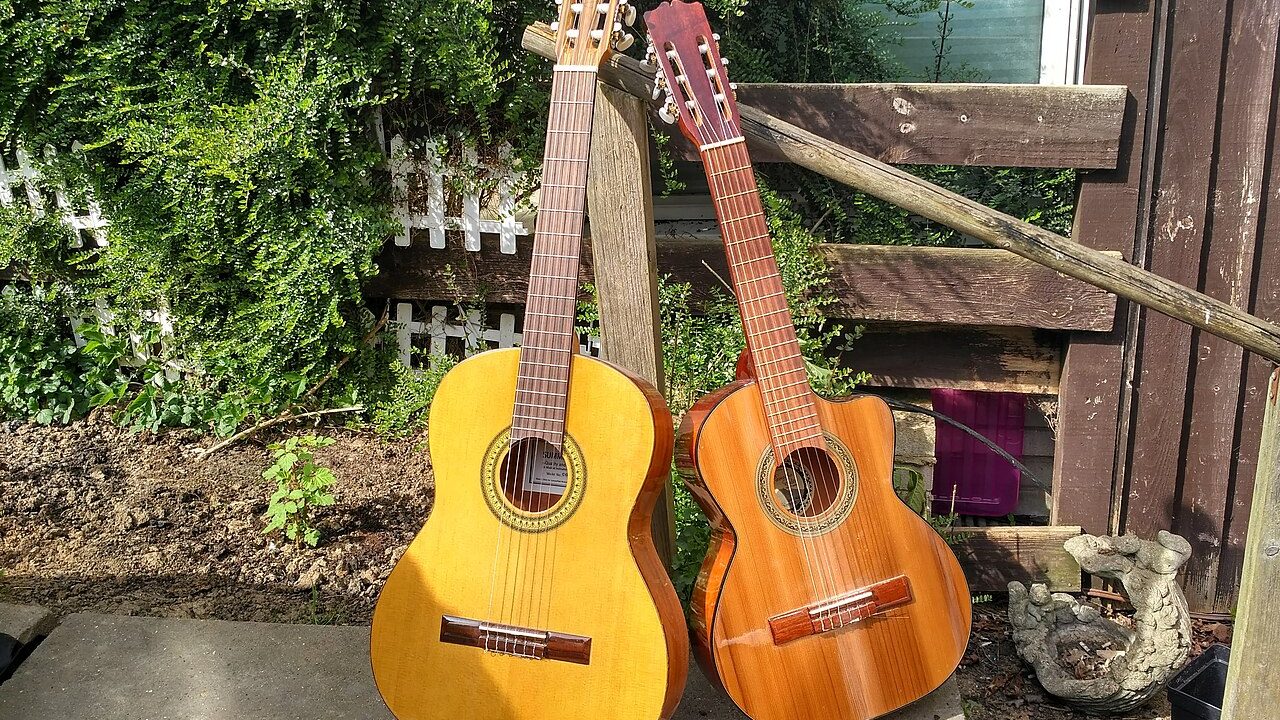
The music helps you. In most bachata, the guitar and the percussion mark the beat clearly, and the change of direction falls naturally on 1 and 5. Before you move, put on a bachata song and count out loud for a full minute, clapping on 4 and 8.
Step 2: the side basic
This is the step taught in most schools outside the Dominican Republic. The description is for the leader. The follower does the mirror image, starting with the right foot.
To the left (1 to 4):
- On 1, step to the left with your left foot.
- On 2, bring your right foot next to your left and put your weight on it.
- On 3, step to the left again with your left foot.
- On 4, tap your right foot next to your left, without putting weight on it.
To the right (5 to 8):
- On 5, step to the right with your right foot.
- On 6, bring your left foot next to your right.
- On 7, step to the right again with your right foot.
- On 8, tap your left foot next to your right.
Keep the steps small, about shoulder width or less. Your knees stay soft, and your weight moves fully onto each foot. If the tap feels awkward, start by simply lifting the heel of the tapping foot.
Step 3: add the hip
The hip movement is what turns a side step into bachata. It comes from the knees, not from pushing the hips sideways. When you bend one knee and straighten the other, the hip on the straight-leg side rises naturally. Change weight cleanly on every count and the hips follow.
On the tap, many dancers add a small "pop" or lift of the hip. In its classic description, bachata has a pronounced hip movement on 4 and 8 that sets it apart from bolero or son. For beginners, a simple tap or a slight lift of the foot is enough. The bigger hip action comes with practice, and it should never be forced.
Step 4: the Dominican box step
The original Dominican basic does not travel from side to side. It moves within a small square: side, side, forward and tap, then side, side, back and tap. This box step was inspired by the bolero and grew over time to include the tap and syncopations, extra steps in between the beats.
Try it slowly. It feels more compact than the side basic and keeps you close to your partner, which is how bachata was first danced. If you go to a Dominican social, you will see the box step, fast footwork and a lot of improvisation with the music.
Step 5: dance with a partner
Bachata can be danced in closed position, the partners close together, in semi-closed position, or in open position, holding hands at arm's length.
In closed position, the leader's right hand rests on the follower's back and the follower's left hand on the leader's shoulder, while the other two hands join at about shoulder height. The leader steps left as the follower steps right, so both travel the same way.
Your first figures will usually be a basic in open position, a right turn for the follower and a simple cross-body movement. Turns and hand movements in bachata are often borrowed from salsa and cha-cha. A class is the best place to learn them, because the lead and the timing matter more than the footwork.
The styles you will hear about
Bachata has grown into several styles, and schools often specialise:
- Dominican bachata: the original social dance, with the box step, close connection, expressive hips and lots of footwork. More on Dominican bachata.
- Bachata moderna: the side-to-side style that dance schools in the West began using in the late 1990s, with a close connection, soft hips and some ballroom-style styling and dips.
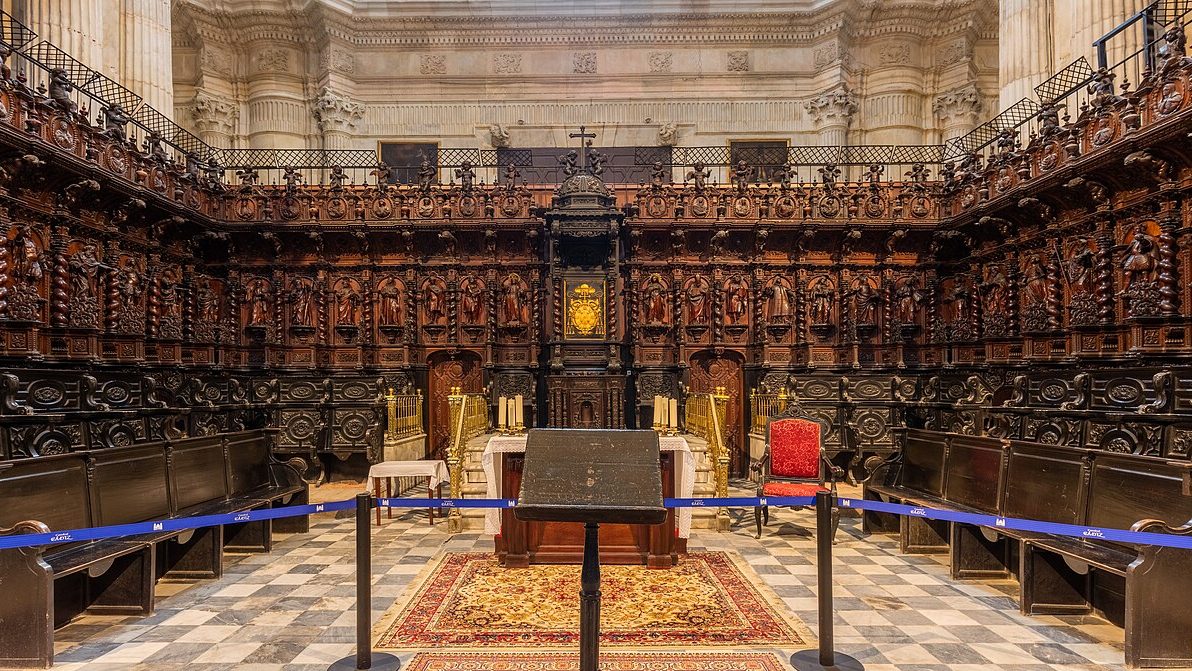
- Bachata sensual: created in Cádiz, Spain, by Korke Escalona and Judith Cordero, with body waves and circular movements influenced by Brazilian zouk and a strong focus on leading and following. More on bachata sensual.
- Bachata fusion: bachata mixed with another dance, such as hip-hop, often to bachata songs with a modern production.
As with salsa, the best choice is the style danced at the socials near you. The basic step is shared, so nothing you learn first is wasted.
Common beginner mistakes
- Steps that are too big. They make you late and pull your partner off balance.
- Forcing the hip. Let it come from the knees and the weight change.
- Forgetting the tap. Stepping on 4 instead of tapping puts you on the wrong foot for the next phrase.
- Looking at your feet. Look at your partner, or at least ahead. Your feet will follow the count.
- Squeezing your partner's hands. A light, steady connection is easier to lead and to follow.
How to practise
Ten minutes of basics a day does more than one long session a week. Start with slow bachata songs and count out loud. When the side basic feels automatic, practise switching to the box step and back without stopping. Then go to a social and dance with as many partners as possible: every partner teaches you something about leading or following.
What to listen to first
Bachata has a huge catalogue, from the guitar-driven sound of its early decades to the polished romantic hits of artists such as Juan Luis Guerra, Aventura and Prince Royce. For practice, choose songs with a steady tempo and a clear guitar line, and avoid very fast tracks until your basic is solid.
Frequently asked questions
What is the basic step in bachata? Side, close, side, tap on 1 to 4, then the same to the other side on 5 to 8.
Is bachata easy to learn? The basic is one of the easiest in partner dancing. Leading, following and turns take longer.
What is the difference between Dominican and sensual bachata? Dominican is the original style, with a box step and footwork. Sensual comes from Cádiz and uses body waves influenced by Brazilian zouk.
Do you need a partner to learn bachata? No. Classes rotate partners, and the basic and footwork can be practised alone.
FAQ
What is the basic step in bachata?
An eight-count side-to-side step. You step to the side on 1, close on 2, step to the side again on 3 and tap or lift the hip on 4, then do the same in the other direction on 5, 6, 7 and 8.
Is bachata easy to learn?
The basic step is one of the easiest in partner dancing, which is why many people start with bachata. Leading, following, turns and musicality take longer, as in any partner dance.
What is the difference between Dominican and sensual bachata?
Dominican bachata is the original style from the Dominican Republic, with a box step, fast footwork and a lot of play with the music. Sensual bachata was created in Cádiz, Spain, and uses body waves and circular movements influenced by Brazilian zouk.
Do you need a partner to learn bachata?
No. Group classes usually rotate partners, and you can practise the basic step, the hip movement and footwork alone.
Sources
- Wikipedia, "Bachata (dance)" and "Bachata (music)"