To choose a salsa, bachata or kizomba festival, start with three questions: which styles it really focuses on, which level it is designed for, and what kind of weekend you want, more learning or more social dancing. Then check the line-up, the socials, the venue and the pass, and read the refund policy before you pay. SBK festivals, also called congresses, now take place almost every weekend somewhere in the world, and they differ far more than their posters suggest. This guide walks you through the choice.
What an SBK festival is
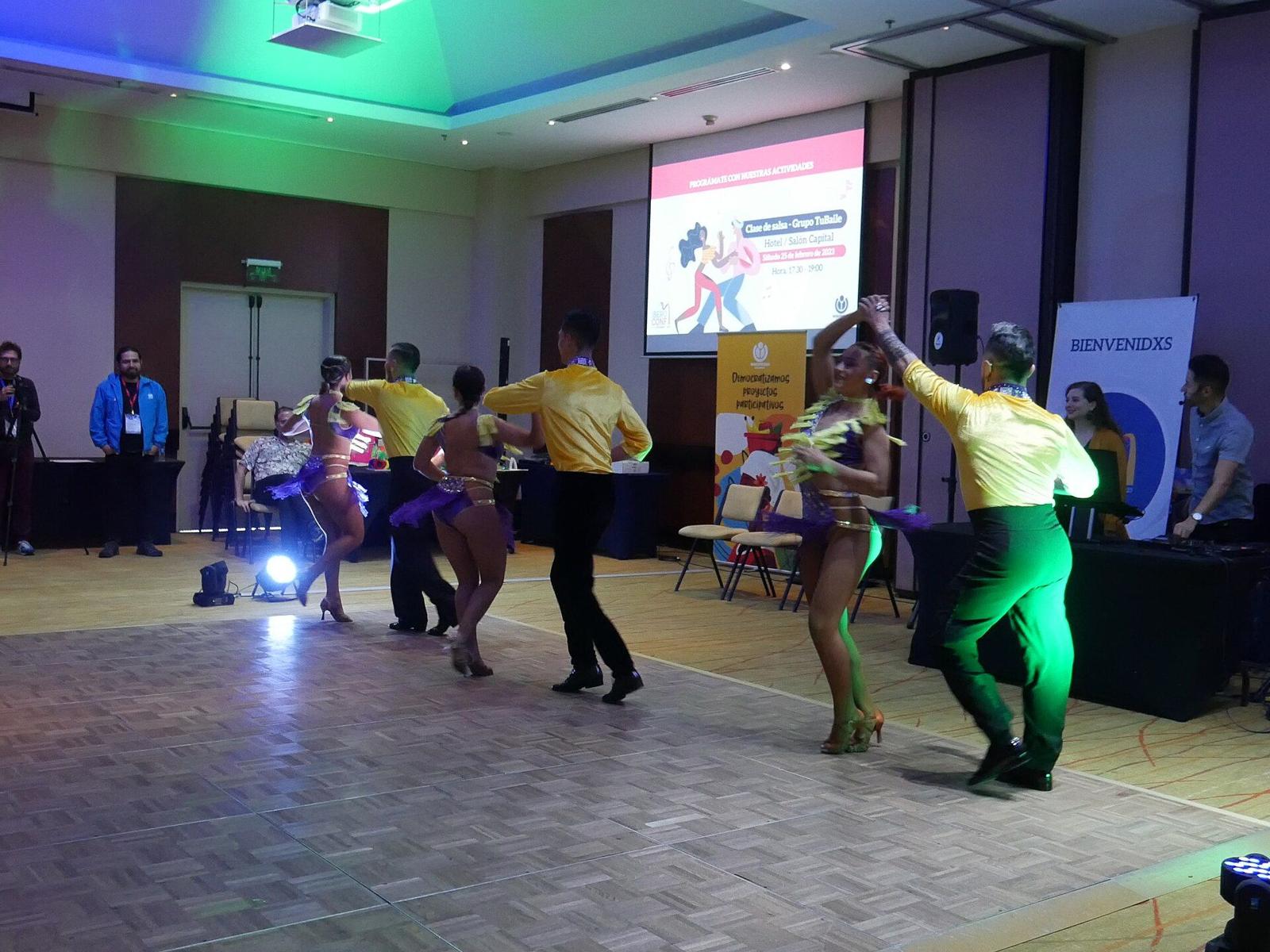
An SBK festival is a dance event, usually from Friday to Sunday, built around salsa, bachata and kizomba. During the day, visiting teachers give workshops. In the evening there are shows, and then social dancing in several rooms, often until early morning. Many festivals also add Brazilian zouk, Cuban salsa, urban kiz, tarraxo or afro classes.
The congress format has its own history, which we tell in Who invented the dance congress?.
1. Check the real focus
"SBK" on a poster does not mean equal space for all three dances. Some festivals are mainly salsa events with one bachata room; others are bachata festivals with a little kizomba. Look at:
- The workshop schedule: how many hours per style?
- The rooms: is there a dedicated room for your dance at night, and until what time?
- The DJs: who plays your style, and do you like their sets? Many DJs share mixes online.
- The sub-styles: salsa on 1, on 2 or Cuban? Bachata Dominican, moderna or sensual? Kizomba traditional or urban kiz? A great festival for one sub-style can be disappointing for another.
2. Match the level
Many festivals publish levels for each workshop, sometimes with an audition or a level check. Be honest about where you are. A beginner in an advanced workshop learns little and slows the room; an advanced dancer in a beginner class gets bored.
If you are new, look for festivals that offer beginner or improver tracks, or a bootcamp before the main weekend. If you are experienced, look for smaller, advanced workshops, technique sessions, or artist "intensives".
3. Look past the big names
A long line-up of famous artists is not always the best sign. Ask yourself:
- Do these teachers teach well, or just perform well? Watch their class recaps online if they post them.
- How many workshops will each artist actually teach? Some big names teach only one or two.
- How big are the classes? Hundreds of dancers in one hall makes it hard to learn anything.
Smaller festivals with fewer, well-chosen teachers often give more for your time.
4. Judge the socials
For many dancers, the parties are the real heart of the festival. Check:
- The floor: a proper wooden or dance floor is easier on your knees than tiles or carpet.
- The space: is the venue big enough for the number of passes sold? A packed floor is fun for an hour and tiring for three nights.
- The air: ventilation and air conditioning matter more than you think at 2 a.m.
- The music: which DJs, which rooms, and is there a balance between classic and new music?
- The atmosphere: do people dance with strangers, or stay in their own groups? Reviews from friends who have been are worth more than any marketing video.
5. Think about the venue and the city
Hotel festivals, where workshops, parties and rooms are in the same building, are convenient: you can rest between classes and dance until late without worrying about transport. City festivals spread across venues let you see more of the place but cost time and energy.
Consider the travel time and cost, the season, and whether you want to turn the trip into a holiday. Festivals in big hubs are easier to reach and usually draw a more international crowd.
6. Understand the passes
Most festivals sell several kinds of pass:
- Full pass: workshops, shows and parties. Best if you want to learn.
- Party pass: evenings only. Good if you mainly want to social dance.
- Day passes or single parties: useful for local dancers.
- Packages with hotel rooms, sometimes with meals.
Early-bird prices are often much cheaper, but they lock you in early. Check whether passes are transferable or refundable, and whether there is a role balance system for couples or leaders and followers, which some festivals use to keep classes even.
7. Read the small print
Before you pay, read:
- The refund and cancellation policy. What happens if the festival is cancelled, postponed or changes its line-up? What if you cannot come?
- The code of conduct. Serious festivals publish one, with a clear way to report harassment or unsafe behaviour, and a team on site to handle it.
- Photo and video rules. Many festivals film everything. If you care about your image, check their policy.
We have looked at what happens to your money when a festival is cancelled in The festival is cancelled. Which of your three bookings actually comes back?, and at filming and consent in That clip of you is in next year's promo.
Red flags
- No clear schedule a few weeks before the event.
- No published refund policy, or one that changes after you have paid.
- No code of conduct or contact for safety concerns.
- Artists announced who later say they were never booked.
- Pressure to pay quickly with no written confirmation.
Your first festival: a few tips
- Learn the basics first. Festivals are much more fun when you can dance a basic with anyone.
- Pace yourself. You do not need to attend every workshop and dance until 6 a.m. every night.
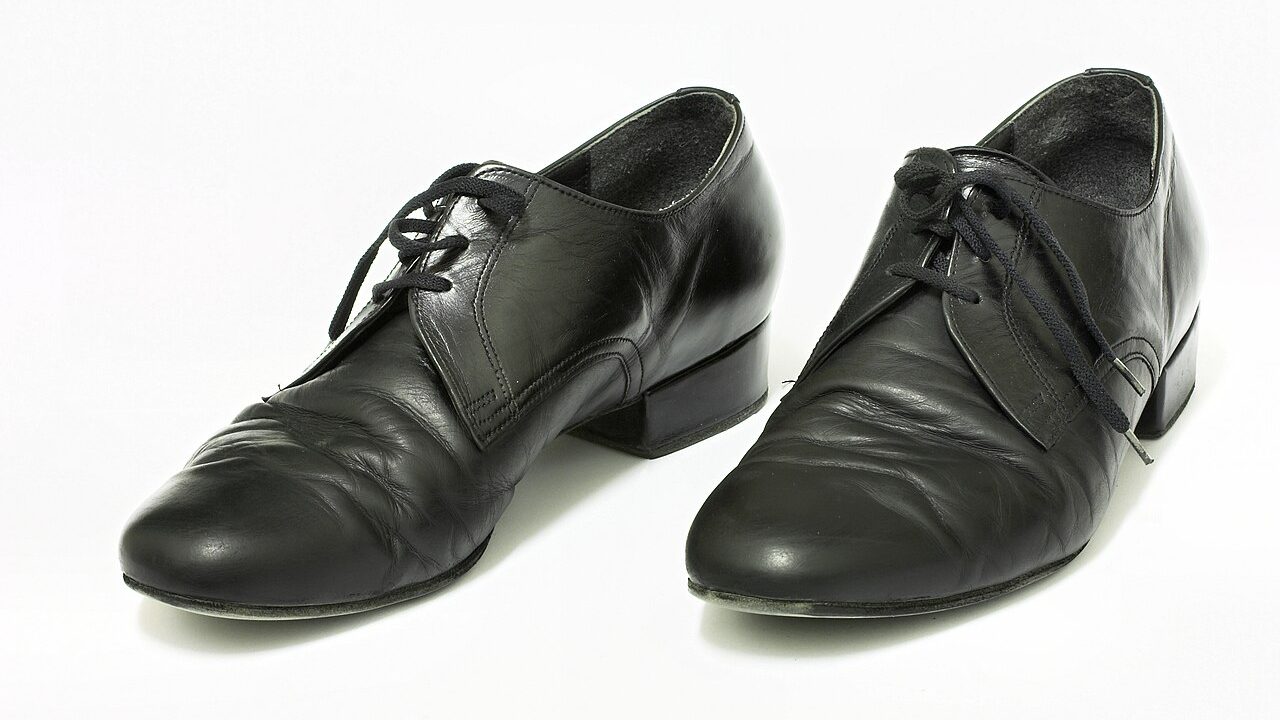
- Bring two or three pairs of shoes, water, deodorant and a change of clothes for the evening.
- Ask people to dance, and accept that some will say no. Most festival dancers are happy to dance with newcomers.
- Take notes or record the workshop recaps if the teachers allow it, so you remember the material at home.
Frequently asked questions
What is an SBK festival? A weekend event built around salsa, bachata and kizomba, with workshops, shows and late-night socials.
Should I go to a festival as a beginner? Yes, if it offers beginner workshops and you know the basic steps.
What kind of pass should I buy? A full pass to learn, a party pass to mostly social dance.
What happens if a festival is cancelled? It depends on the organiser's terms, the law and how you paid. Read the refund policy before buying.
FAQ
What is an SBK festival?
A dance event, usually over a weekend, built around salsa, bachata and kizomba, with workshops by visiting teachers during the day, shows in the evening and social dancing late into the night.
Should I go to a festival as a beginner?
Yes, if the festival offers beginner or improver workshops and you have learned the basic steps first. Dancing with many new partners in one weekend is one of the fastest ways to improve.
What kind of pass should I buy?
A full pass usually gives access to workshops, shows and parties. A party pass covers only the evenings. If you mostly want to dance socially, a party pass can be enough; if you want to learn, choose a full pass.
What happens if a festival is cancelled?
It depends on the organiser's terms, the law where you live and where the festival is held, and how you paid. Read the refund policy before buying, and book flights and hotels with that risk in mind.
Sources
- #DANCE, "Who invented the dance congress?" and "The festival is cancelled. Which of your three bookings actually comes back?"