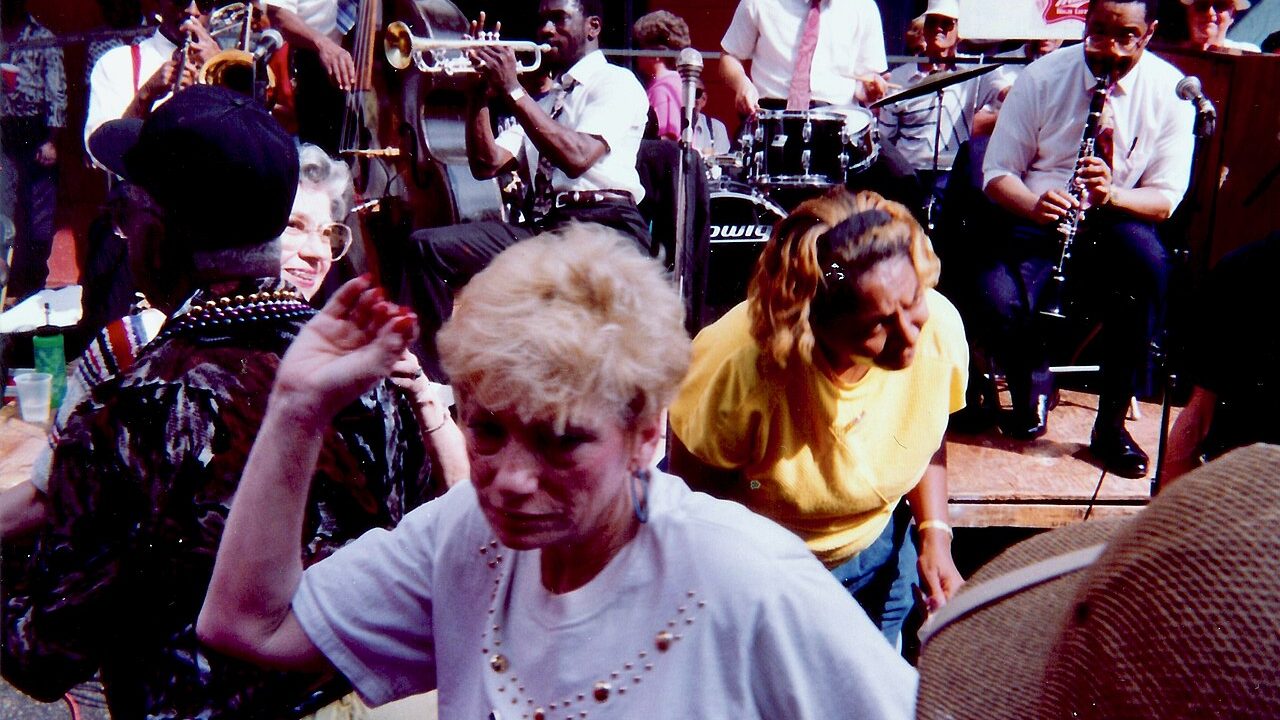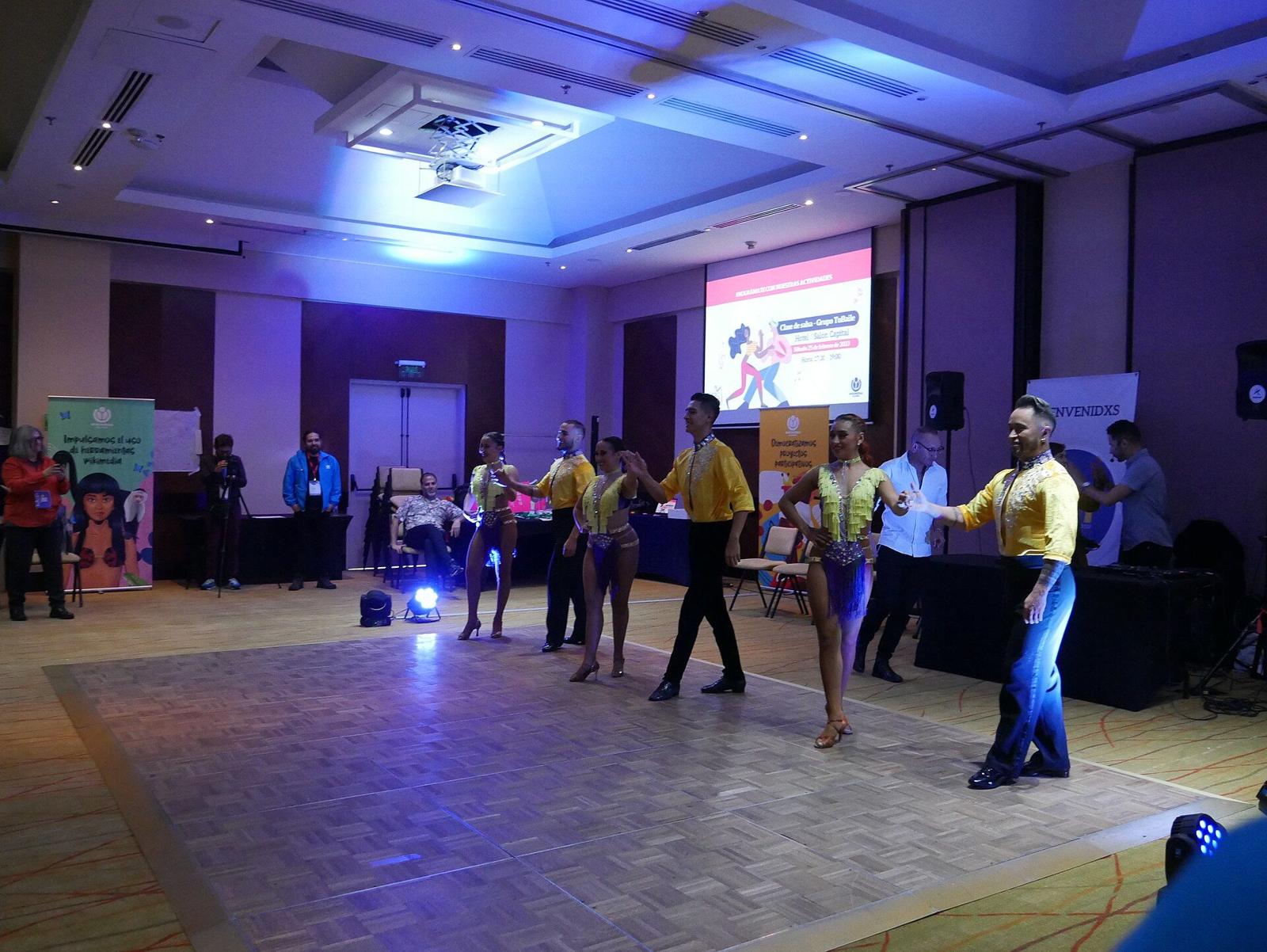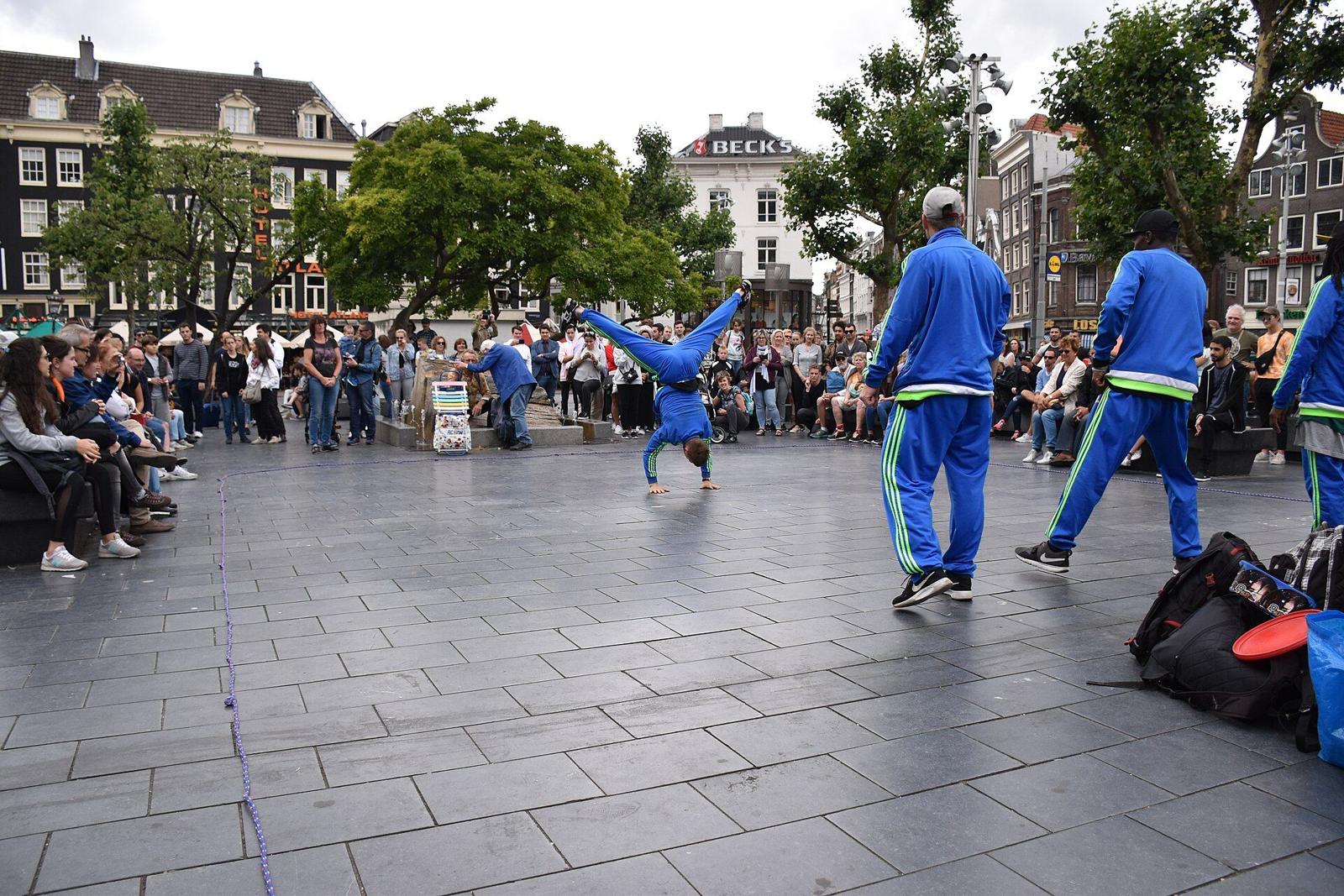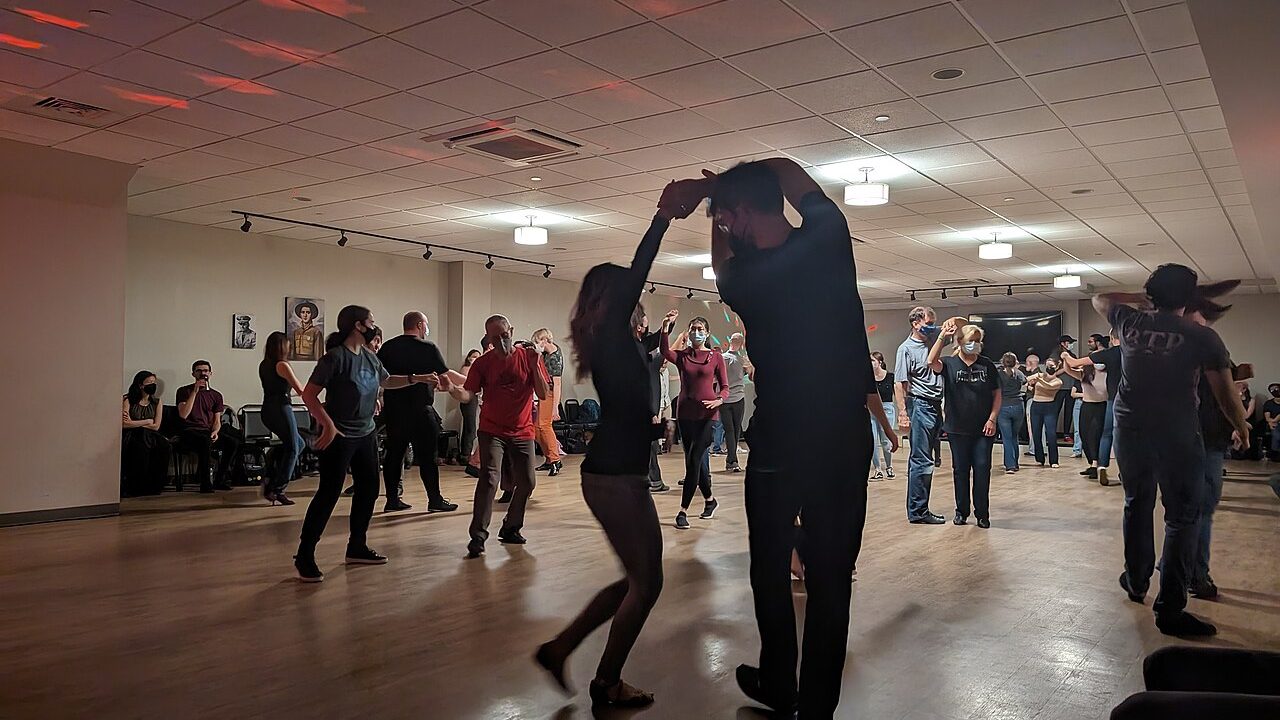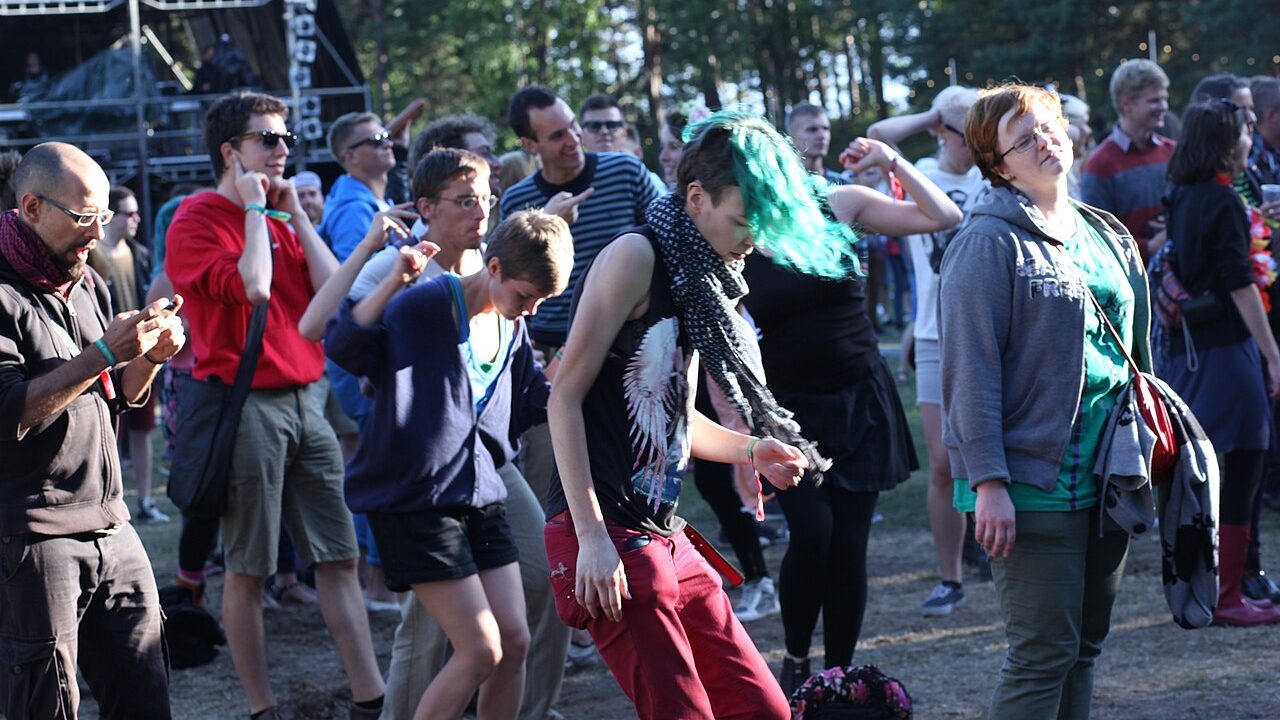
At most dance festivals, photographers and videographers work the social floor. The footage is great marketing, and next year it appears in the promo reel. If you are in it and did not want to be, European data protection law gives you more power than most organisers realise. An image of you is personal data. A sign at the entrance does not create consent. And your right to object puts the burden on the organiser, not on you.
Your image is personal data
Data protection authorities agree that photos and videos of identifiable people are personal data under the GDPR. The Irish Data Protection Commission, one of Europe's lead regulators, has said so explicitly in its guidance on events.
That does not mean every photo is forbidden. It means there must be a legal basis for taking and using it.
Why the sign at the door is not consent
Many festivals rely on a notice: "By entering, you agree to be photographed." That is not consent in the GDPR's sense.
Recital 32 of the GDPR and the European Data Protection Board's guidelines on consent (paragraph 79) say that pre-ticked boxes and the mere fact of proceeding with a service do not count as consent. Consent has to be a clear, specific, active choice.
So what does the sign do? It creates an expectation. The Irish regulator notes that consent may not be practical at large events and points instead to the organiser's legitimate interest, as long as people's data is used in a way they would reasonably expect and that has a minimal impact on their privacy. A clear sign helps make filming expected. It does not make every later use acceptable.
The right that shifts the burden
Under article 21 of the GDPR, you can object to processing based on legitimate interest. Once you do, the organiser must stop unless it can demonstrate compelling legitimate grounds that override your interests. That is a high bar for a promo clip.
You can also request erasure under article 17. In a decision of 28 June 2021, Slovenia's data protection authority ordered the deletion of 88 photos under article 17. It was not a festival case, but it shows regulators enforce this right on photographs.
A photo of you dancing is not automatically sensitive data, according to recital 51. The usual GDPR rules apply.
How to ask
- Write to the organiser, identify the image or video (link and timestamp), and say you object under article 21 and request erasure under article 17.
- Ask them to remove it from their own channels and to stop using it in future promotion.
- If they refuse or ignore you, you can complain to the data protection authority in your country.
What good organisers do
The best festivals make filming visible and optional: clear notices, a coloured wristband or lanyard for people who do not want to be filmed, photographers briefed to respect it, and a simple removal request process. It costs little, and it builds trust on a dance floor where many people, for many reasons, would rather not appear online.
FAQ
Does a sign at the festival entrance mean I consented to being filmed?
No. Under GDPR guidance, simply proceeding with a service does not amount to consent. A sign sets expectations that may support the organiser's legitimate interest, which is a different legal basis.
Can I ask a festival to remove a photo or video of me?
Yes. You can object under article 21 of the GDPR, and the organiser must then show compelling legitimate grounds to continue using it. You can also request erasure under article 17.
Is a photo of me sensitive data?
Not automatically. Recital 51 of the GDPR says photographs are not systematically treated as special category data.
Sources
- Irish Data Protection Commission, guidance on photography and video at events
- GDPR, recitals 32 and 51, articles 17 and 21
- European Data Protection Board, Guidelines 05/2020 on consent, paragraph 79
- Slovenian data protection decision of 28 June 2021