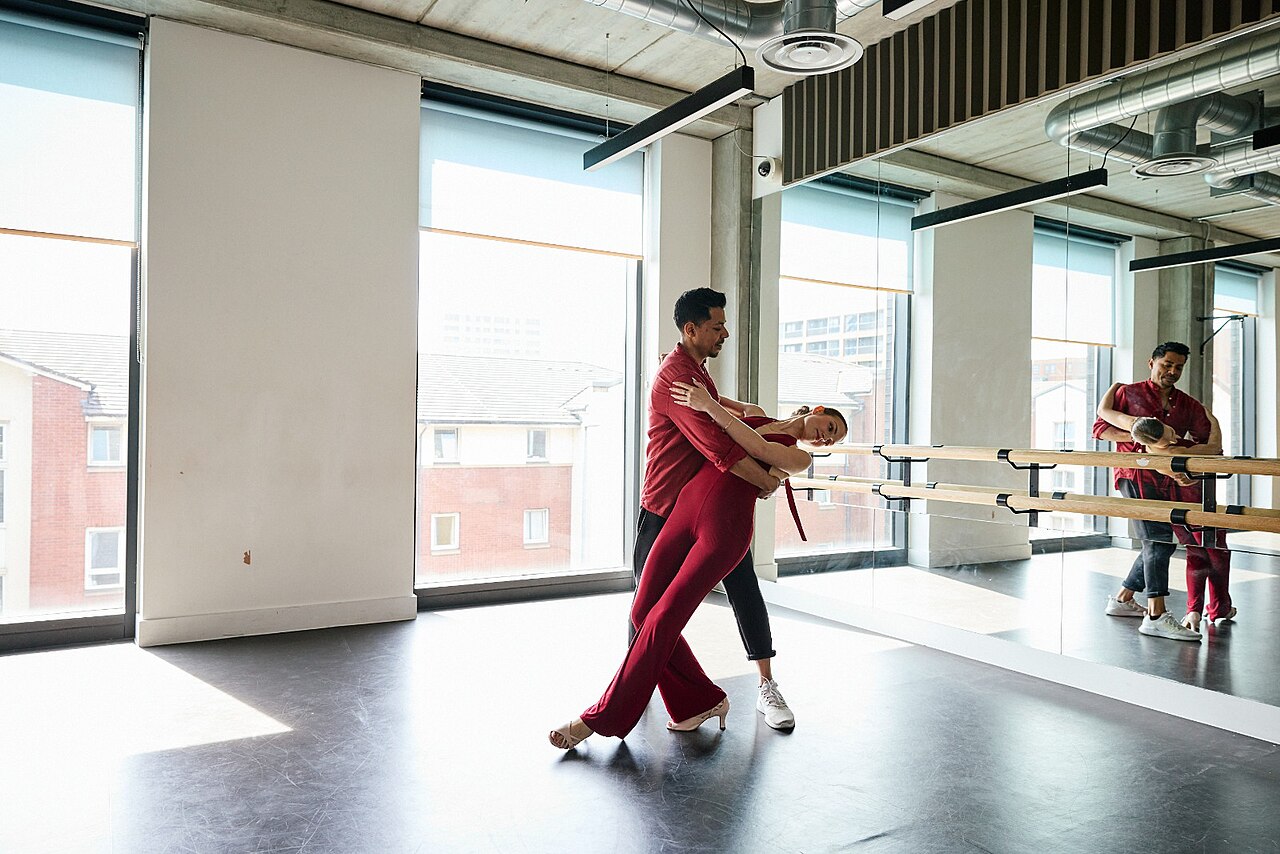
Música de amargue, "bitter music", was one of the first names for bachata. In the 1960s and 1970s the genre was the sound of the Dominican Republic's countryside and its poorest city neighbourhoods: guitar songs of heartbreak, hardship and desire, played in bars and small venues and almost absent from radio and television. Middle and upper-class Dominicans looked down on it. The word amargue captured both the mood of the songs and the bitterness of the lives behind them. As bachata reached the mainstream in the 1980s and 1990s, the more neutral word bachata replaced it.
A party before it was a genre
The word bachata is older than the music it now names. Wikipedia explains that before the 1960s, under the dictatorship of Rafael Trujillo, a bachata was an impromptu party in el campo, the countryside, with singing, dancing and melancholy, bittersweet songs. The people who played and listened were mostly poor and working-class.
Trujillo's regime was marked by heavy censorship, and it stigmatised the music of these rural parties. According to Wikipedia, bachata became associated in the minds of the middle and upper classes with poverty, delinquency, lack of education and prostitution. It was also called música cachivache, music of little worth, and música de guardia, music for low-ranking soldiers and policemen.
The first records
After Trujillo's death in 1961, the music industry opened up. People from the countryside migrated to Santo Domingo, the capital, and kept playing the songs that spoke of their struggles. In 1962, José Manuel Calderón recorded "Borracho de amor" and "Qué será de mí (Condena)", considered the first bachata records, a story we tell in José Manuel Calderón and the first bachata record.
Studios recorded bachateros who could pay for the service, and records were sold cheaply to people and shops. In the countryside, colmados, the corner stores, bought popular bachata records and played them on jukeboxes for their customers.
Radio Guarachita and the closed doors
For years, one station carried the music almost alone. Radio Guarachita, run by Radhamés Aracena from 1966, was the only station that centred bachata, according to Wikipedia; Aracena also worked with bachateros on their records. In the 1970s the genre was barely heard on other stations and hardly mentioned on television or in print.
Bachateros were barred from upper-class venues. They played instead in bars, brothels and small venues in poor city neighbourhoods and in the countryside. The music's frank lyrics about sex, despair and hardship, and the fact that most of its singers had no formal education, fed what Wikipedia describes as a campaign against bachata as a form of cultural backwardness.
That is the world in which the name música de amargue took hold. The music was bitter because the songs were about loss and longing; it was also bitter because of how society treated the people who made it.
What amargue sounds like
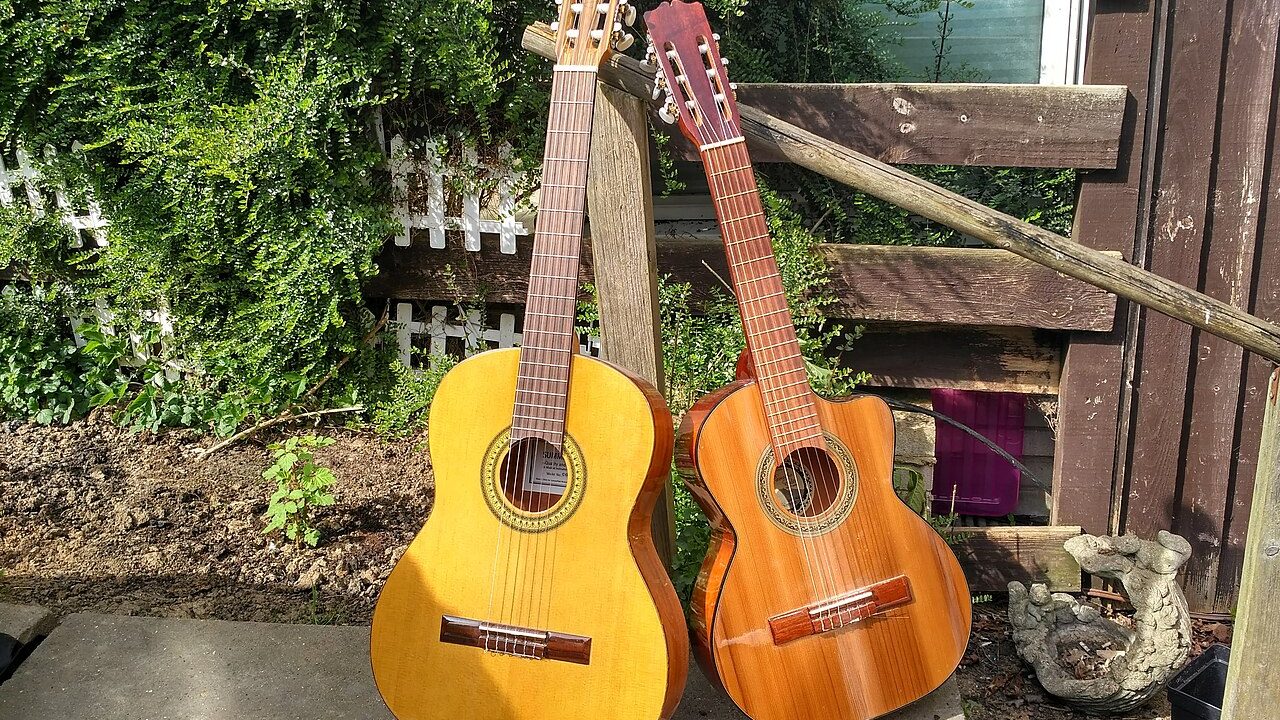
Early bachata grew from the guitar bolero and the troubadour tradition common across Latin America. The voice sits high and emotional, the lead guitar answers it with fast arpeggios, and the songs turn around betrayal, jealousy, drinking and lost love. In the 1960s and 1970s the percussion was light, with maracas rather than the güira used later.
If you listen to early recordings today, the word makes sense at once. Even a fast song often carries a lament.
How bachata won respect
The change came step by step:
- The 1980s. Blas Durán introduced the electric lead guitar, faster tempos and multitrack recording; his 1987 bachata-merengue "Mujeres hembras" was the first bachata recorded with an electric guitar, Wikipedia notes. Popular demand pushed more radio stations to play the music, and bachateros started appearing on television.
- The early 1990s. Luis Vargas and Antony Santos became the first generation of pop bachata stars.
- 1990. Juan Luis Guerra released Bachata Rosa, which won a Grammy and is credited with making the genre more acceptable, even though its songs are closer to bolero. See Juan Luis Guerra and Bachata Rosa.
- The 2000s. Aventura, led by Romeo Santos, modernised the sound and filled arenas, as we explain in Aventura and the birth of urban bachata.
- 2019. UNESCO inscribed the music and dance of Dominican bachata as intangible cultural heritage.
Along the way, the neutral word bachata replaced amargue as the genre's name. The mood did not disappear: heartbreak remains its favourite subject.
Why it matters for dancers
Dancers who learn bachata in studios abroad often meet it as a smooth, polished style. Knowing about amargue changes how you hear the music. The Dominican style, with its footwork and its play with the guitar, comes from those bars and neighbourhood parties, and the sadness in the lyrics is part of the music's identity, not a contradiction of the dance.
It is also a reminder of how often popular dances begin as music that respectable society rejects, from tango to hip-hop. Bachata's journey from bitter music to world heritage took about fifty years.
FAQ
What does música de amargue mean?
Amargue means bitterness. Música de amargue, bitter music, was an early name for bachata, linked to its songs of heartbreak, hardship and despair.
Why was bachata looked down on?
It came from poor and working-class communities, was played in bars and small venues, and its lyrics often spoke of sex and hardship. Middle and upper-class Dominicans long saw it as low-class music.
When did bachata stop being called amargue?
The more neutral word bachata gradually replaced amargue as the genre reached the mainstream in the 1980s and 1990s.
What did the word bachata mean before?
Before the 1960s, a bachata was an informal party in the Dominican countryside, with music, singing and dancing.
Sources
- Wikipedia, "Bachata (music)", consulted November 2026
- UNESCO Intangible Cultural Heritage, Music and dance of Dominican Bachata (2019)
- #DANCE, "José Manuel Calderón and the first bachata record", "Juan Luis Guerra and Bachata Rosa" and "What is Dominican bachata?", with their own sources