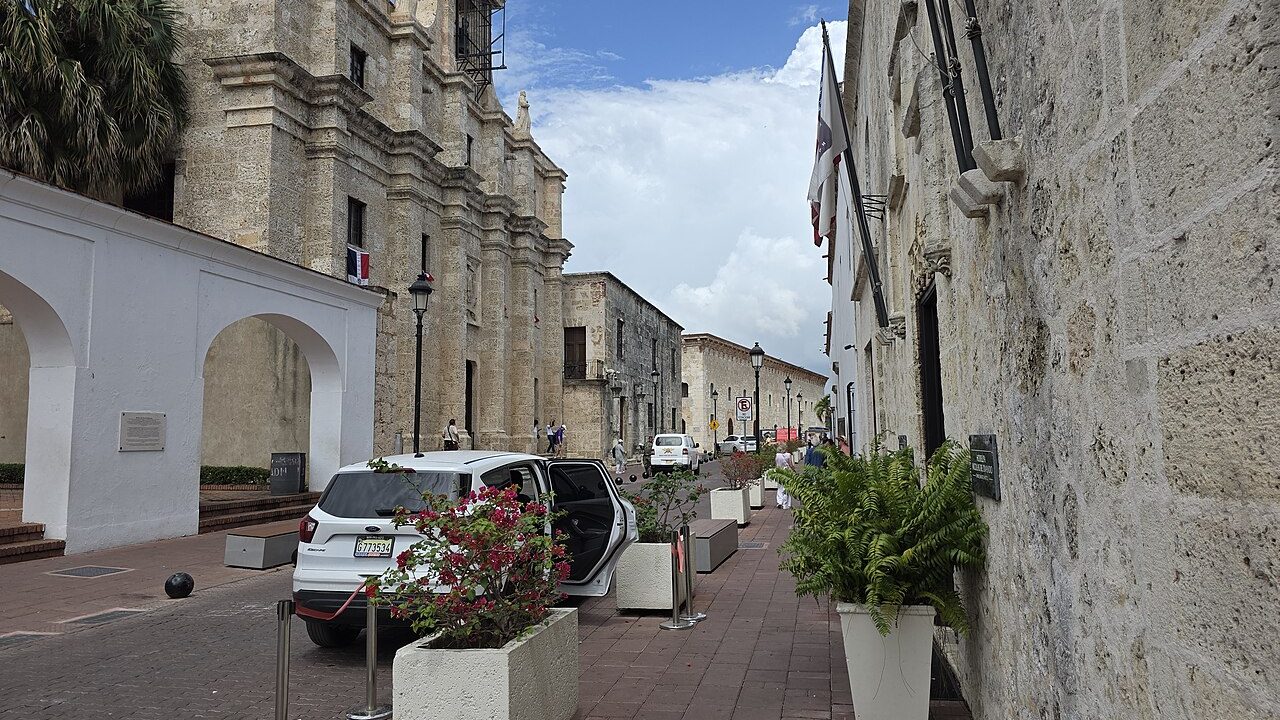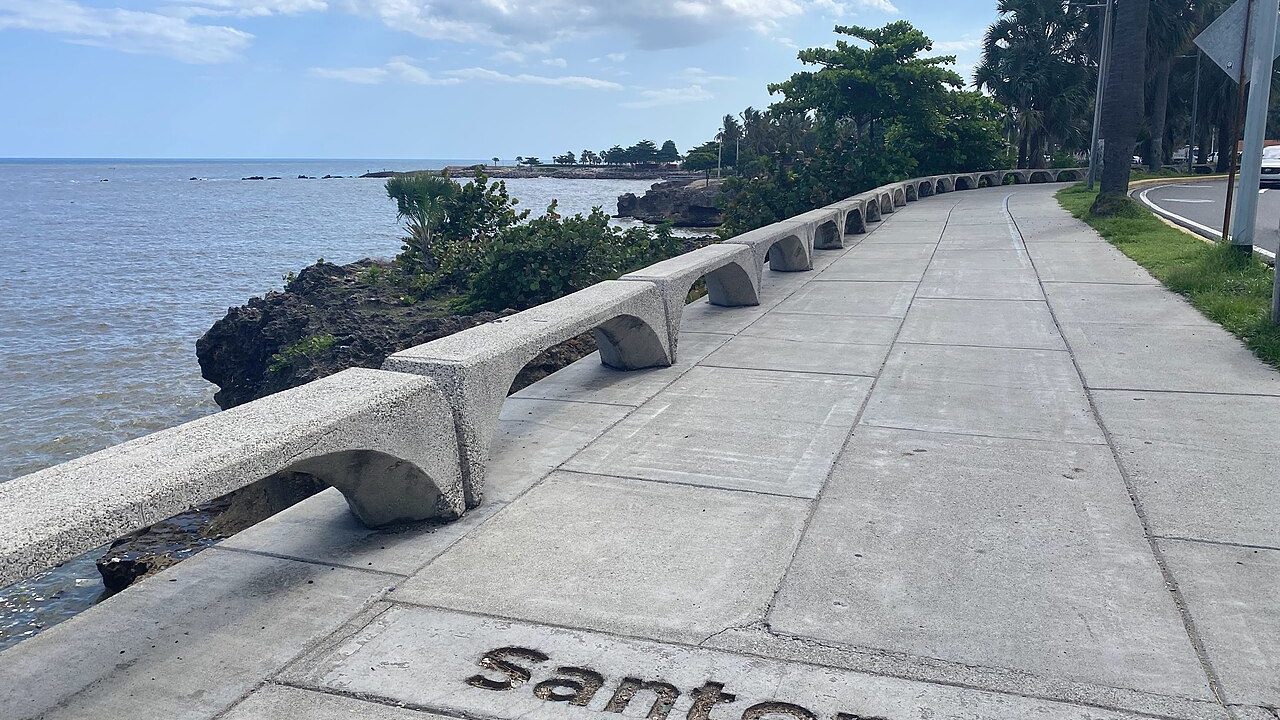
Dominican bachata is bachata as it is danced in the Dominican Republic, where the music was born. It is usually upright, grounded and playful, with lots of footwork and syncopation, and it follows the music closely: when the guitar gets busy, so do the feet. In the Dominican Republic nobody calls it "Dominican" bachata; it is simply bachata. The label exists in international scenes to tell it apart from modern and sensual bachata, the styles developed abroad.
Where it comes from
Bachata music grew up in the Dominican Republic in the 1960s, from guitar boleros recorded by singers such as José Manuel Calderón. The dance grew with it, in homes, bars and neighbourhood parties.
According to Wikipedia, which cites Julie A. Sellers' book on bachata and Dominican identity, the early social dance was done in a closed position, like the bolero, often in a close embrace. As the music got faster over the decades, the dancing became faster and more playful too.
How it looks
Salsa Vida describes Dominican bachata as usually the most footwork-heavy, playful and music-driven of the main styles. A few features stand out:
- Footwork. Quick steps, syncopations and small direction changes, often improvised to the rhythm.
- The basic. Bachata's four-count basic, three steps and a tap, with a small hip movement on the fourth beat.
- Few turn patterns. Compared with salsa, partners turn less and play more with rhythm.
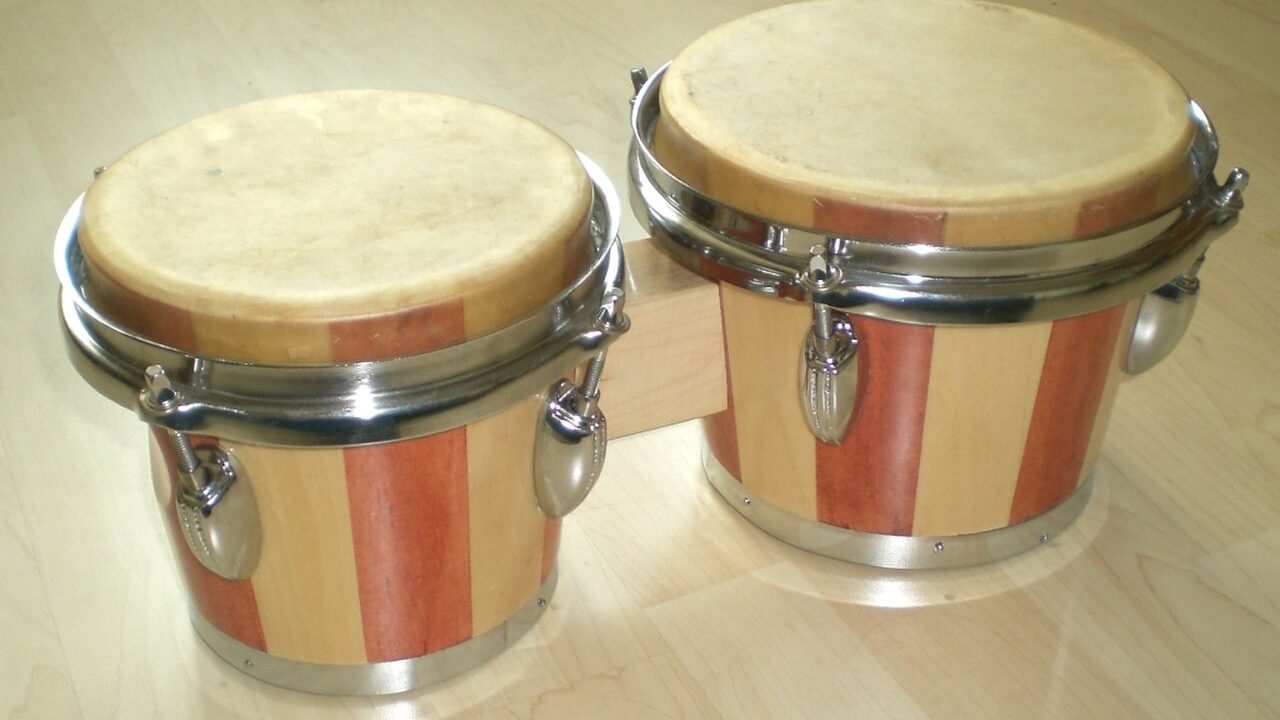
- Musicality. Dancers respond to the requinto lead guitar, the bongo and the güira, changing energy as the song changes.
Dominican, modern and sensual
Bachata travelled the world in the 1990s and 2000s, and teachers abroad reshaped it. The Dance Dojo explains that as bachata spread internationally from the late 1990s, dancers added structured turn patterns from salsa and a smoother, more open feel, giving modern bachata.
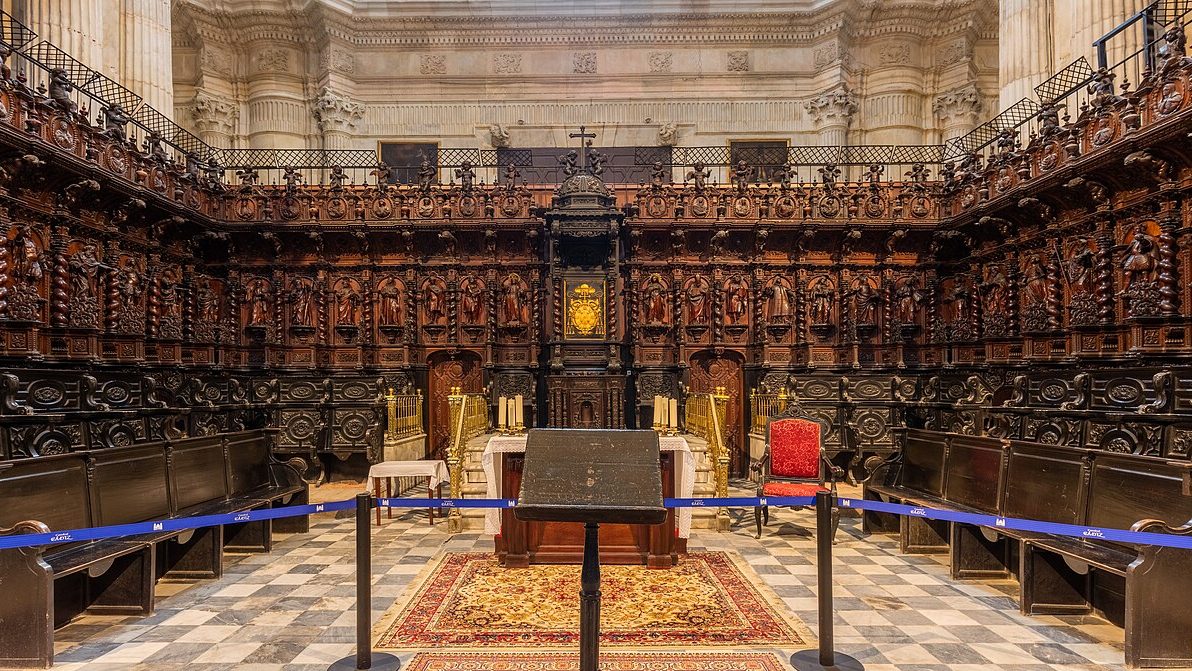
Sensual bachata, created in Cádiz, Spain, went further, bringing body waves and isolations into the dance. We tell that story in Bachata sensual: how a style from Cádiz conquered the world.
Salsa Vida notes that many dancers who want to centre the dance's roots prefer the word traditional to Dominican. Both terms point to the same thing: the way bachata is danced where it began.
Why dancers are going back to it
Dancers who learned only sensual or modern bachata often find that the Dominican style teaches them the music: its footwork follows the guitar and percussion closely, which sharpens musicality in any style.
There is also a question of respect. Bachata is a Dominican cultural expression, recognised by UNESCO in 2019, and learning its original style is a way to honour that history. For the background, start with What is bachata?.
Where to dance it
Naturally, the Dominican Republic is the place: bachata plays everywhere, from colmados to clubs. Outside the island, cities with large Dominican communities, such as New York and Miami, have strong traditional bachata scenes, and more and more festivals worldwide include Dominican footwork classes in their programmes.
FAQ
What is Dominican bachata?
The original way of dancing bachata in the Dominican Republic, usually upright, playful and rich in footwork, closely led by the music. In the Dominican Republic it is simply called bachata.
What is the difference between Dominican and sensual bachata?
Dominican bachata focuses on footwork, rhythm and playfulness. Sensual bachata, created in Cádiz, Spain, focuses on body waves, isolations and close, flowing movement.
Where can you dance Dominican bachata?
In the Dominican Republic above all, and in cities with large Dominican communities such as New York and Miami, as well as in classes and festivals that teach traditional bachata.
Sources
- Salsa Vida, "The different styles of bachata dancing"
- Wikipedia, "Bachata (dance)", citing Julie A. Sellers, Bachata and Dominican Identity, 2014
- The Dance Dojo, "How to dance bachata: a beginner's guide"