Prince Royce, born Geoffrey Royce Rojas on 11 May 1989 in the Bronx, New York, to Dominican parents, is one of the singers who carried bachata to a new generation. He broke through in 2010 with a bilingual bachata version of Ben E. King's "Stand by Me", the lead single from his self-titled debut album. Blending the guitars of bachata with pop and R&B, he followed Aventura in showing that bachata could be young, urban and bilingual, and he has stayed one of its biggest names since.
A Bronx kid with Dominican roots
Royce grew up in the Bronx, the second of four children of Dominican parents. Like many young Dominican-Americans, he heard bachata at home and pop, R&B and hip-hop outside. He started writing and recording as a teenager.
Through producer Andrés Hidalgo, his demos reached Sergio George, the salsa producer behind many hits. According to Wikipedia, George signed him to his label, Top Stop Music, after hearing three demos.
Stand by Me
Royce's self-titled debut album came out on 2 March 2010, produced mainly by Hidalgo and George. Its lead single was a bilingual bachata version of "Stand by Me", the 1961 soul classic by Ben E. King, sung partly in English and partly in Spanish.
The song reached the top ten of Billboard's Latin chart, according to AllMusic, and was followed by "Corazón Sin Cara", another hit. Royce later performed "Stand by Me" with Ben E. King himself at the Latin Grammy Awards, a moment that symbolised the bridge he was building between bachata and American pop.
The album also earned a Latin Grammy nomination for best contemporary tropical album and reached the top of Billboard's tropical albums chart, according to Wikipedia.
The urban bachata wave
Royce did not start the urban bachata movement. That credit goes largely to Aventura, the Bronx group whose story we tell in Aventura and Obsesión. When Aventura's singer Romeo Santos went solo, his career reached the scale we describe in Romeo Santos at Yankee Stadium.
Royce arrived in that wave with his own style: softer, romantic, and very bilingual. LaMezcla credits his debut with introducing a new, younger audience to bachata at a pivotal moment in Latin music.
His second album, Phase II, followed in 2012 with singles such as "Las Cosas Pequeñas" and "Te Me Vas", and he went on to collaborate with major Latin and pop artists.
Honoured at home
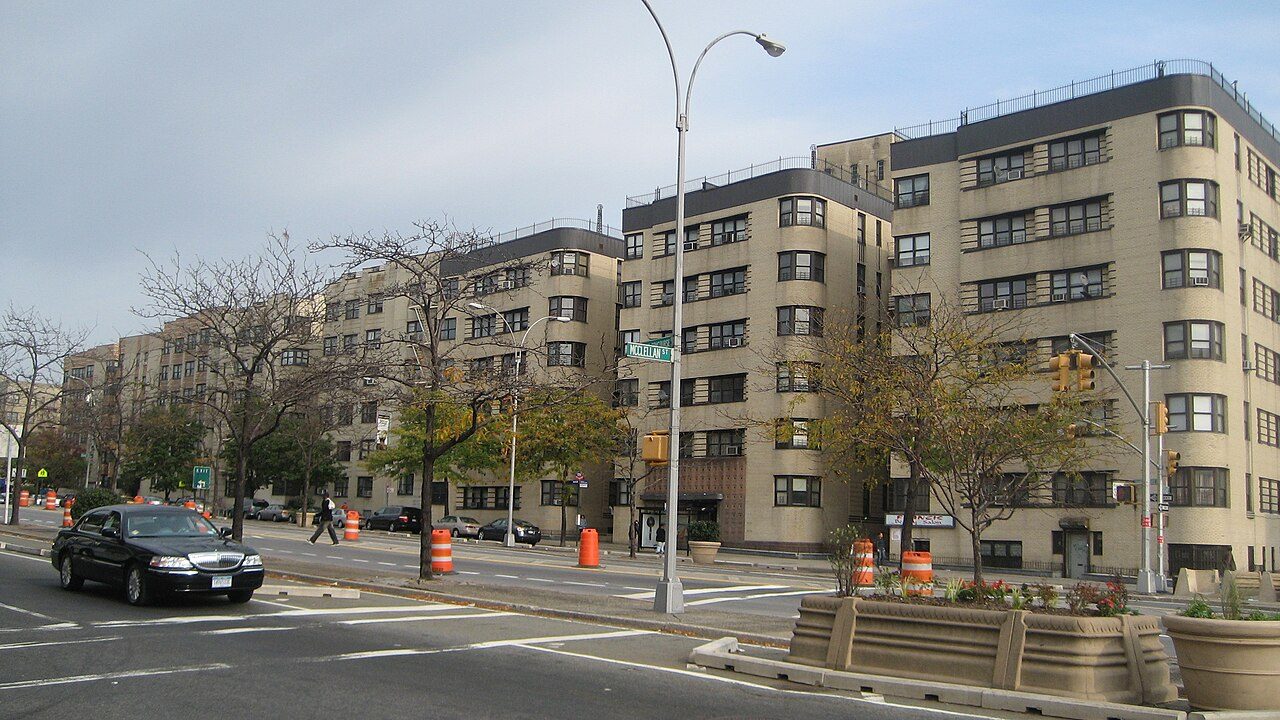
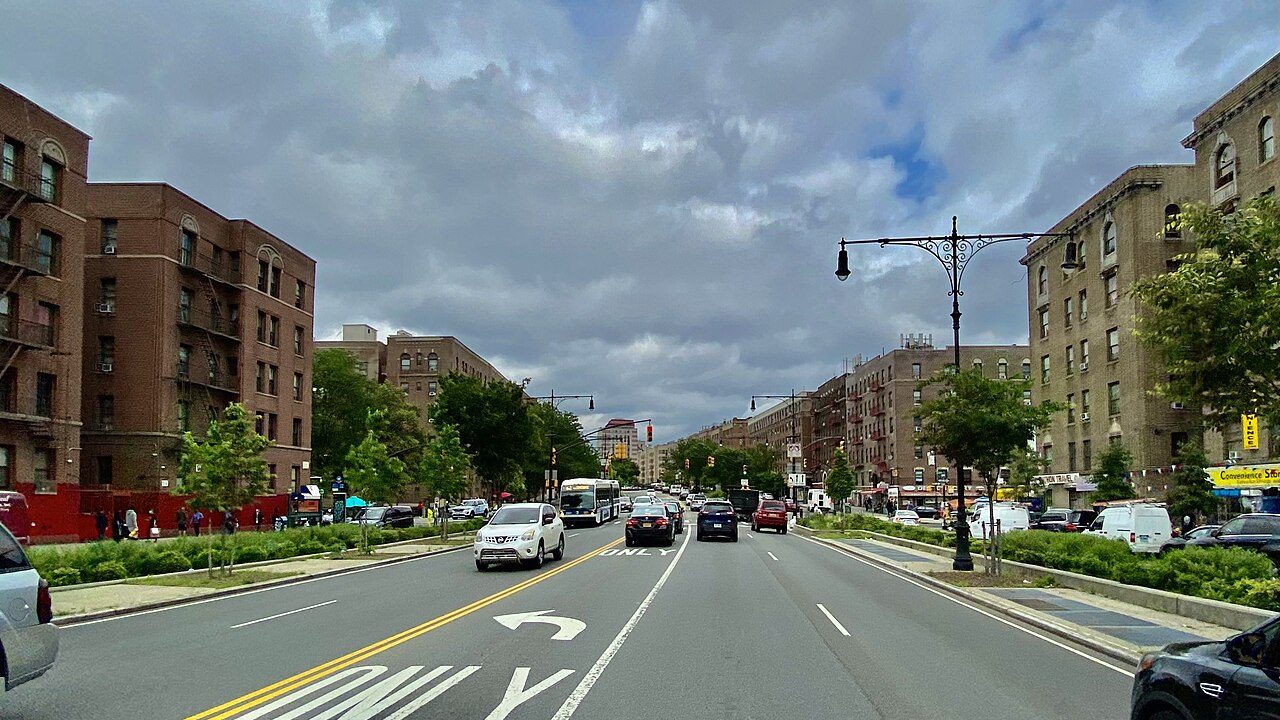
In 2017, Royce was inducted into the Bronx Walk of Fame, a sign of how much the borough sees him as one of its own. The Bronx, home to a large Dominican community, has been one of the great laboratories of modern bachata.
Why dancers know his songs
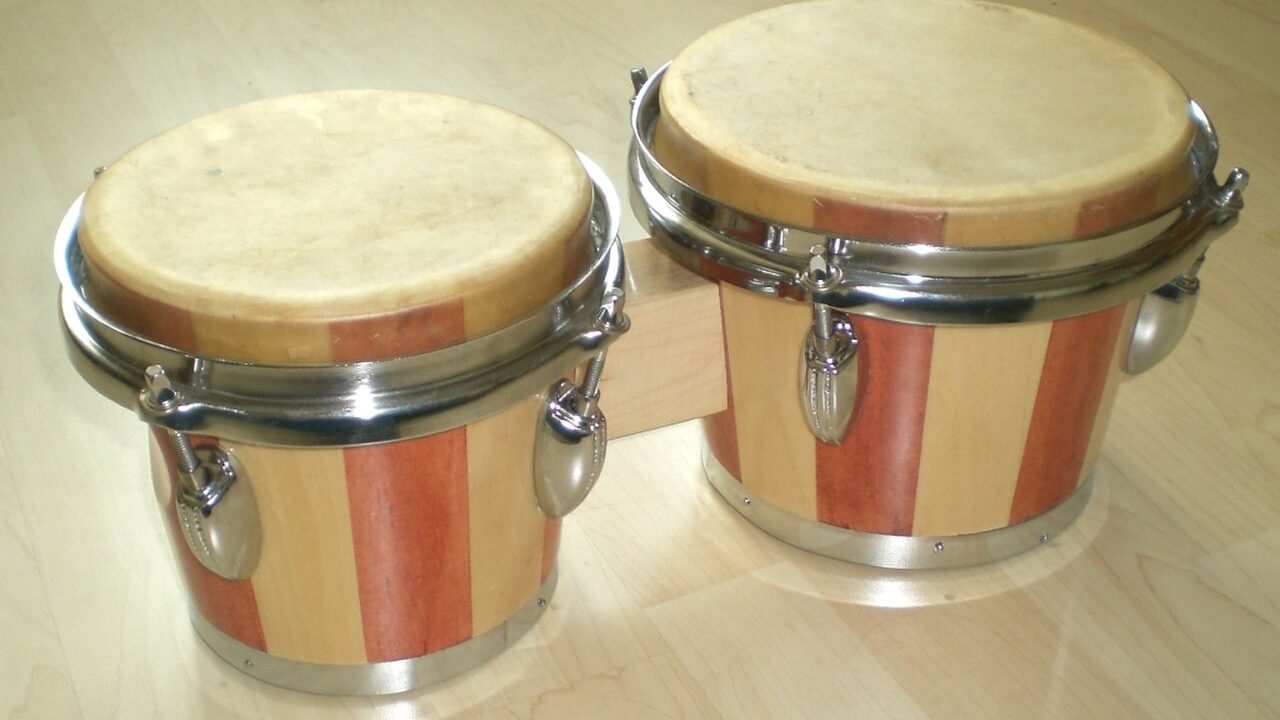
For bachata dancers, Prince Royce's smooth, romantic songs are easy to recognise on a social floor. They are built on the same core instruments as traditional bachata, requinto, segunda, bass, bongo and güira, which we explain in Bachata music explained, wrapped in pop production.
His career shows how bachata travelled from Dominican bars to international stages, carried by the diaspora in New York.
FAQ
Who is Prince Royce?
Geoffrey Royce Rojas, born on 11 May 1989 in the Bronx, New York, to Dominican parents, is a singer and songwriter known for modern bachata.
What was Prince Royce's first hit?
His bilingual bachata version of Ben E. King's 'Stand by Me', the lead single from his self-titled debut album released in March 2010.
Did Prince Royce perform with Ben E. King?
Yes. He performed 'Stand by Me' with Ben E. King at the Latin Grammy Awards.
Sources
- Wikipedia, "Prince Royce"
- AllMusic biography, via HIGHRESAUDIO
- Bronx Walk of Fame, "Prince Royce", 2017
- LaMezcla, "Prince Royce"