Timba is the hard-hitting Cuban dance music that took over Havana in the 1990s. It is built on Cuban son, like salsa, but adds the punch of funk and R&B, the harmonies of jazz, the rhythms of rumba and Afro-Cuban folklore, and sometimes rap. The band usually credited with creating it is NG La Banda, founded in 1988 by the flautist José Luis "El Tosco" Cortés. For dancers, timba is the soundtrack of much of today's Cuban-style salsa: intense, full of breaks, and impossible to sit through.
Where it comes from
Timba grew out of decades of Cuban dance music. The big influences were Los Van Van, founded by Juan Formell in 1969, and the virtuoso jazz-fusion band Irakere, founded in 1973. Cortés had played with both before starting his own band, according to Timba.com.
NG La Banda, where NG stands for nueva generación, new generation, made its debut on 4 April 1988 at the Café Cantante of the Teatro Bertolt Brecht in Havana, Cultura Cubana reports. The band gathered young, highly trained musicians, and its horn section became famous as los metales del terror, the metals of terror.
The scholar Vincenzo Perna, quoted in the Online Journal of Bass Research, describes Cortés's goal as producing dance music rooted in barrio life, mixing jazz, salsa, rumba and rap with elaborate arrangements for young virtuoso musicians.
The name
Wikipedia notes that the word timba came into use as a genre name, first as timba brava, around 1988. Several musicians claimed to be the first to use it, Cortés most famously. The word itself is older: in Cuban popular speech it was already linked to rumba and street music.
The Special Period
Timba's rise coincided with Cuba's Special Period, the severe economic crisis of the 1990s after the collapse of the Soviet Union. The Online Journal of Bass Research places the development of timba music and dance in Havana in the early 1990s, during those years.
Tourism grew, clubs and hotels filled with dancers, and timba became the sound of Havana nights. Its lyrics, often frank and full of street slang, spoke about everyday life in the barrios, and not everyone approved. Cortés himself answered critics by calling the dismissal of timba a racist concept, Wikipedia reports.
After NG La Banda's success, many more timba bands appeared throughout the 1990s, among them La Charanga Habanera, while Los Van Van kept evolving alongside them.
What it sounds like
Compared with most international salsa, timba is busier and more unpredictable. Expect:
- Breaks and gear changes. Songs shift tempo and texture, with sudden stops and new grooves.
- Funky bass and piano patterns, showing the influence of funk and R&B.
- Long improvised sections, where the singer trades lines with the chorus and the band answers.
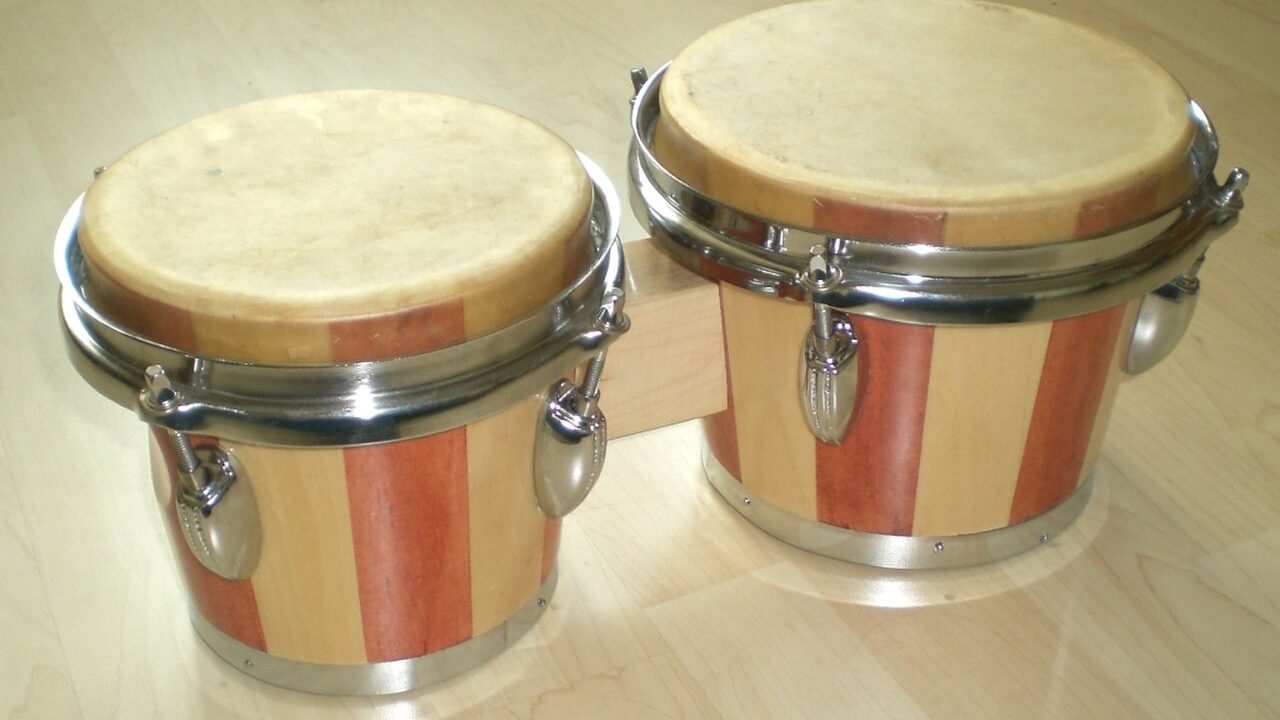
- Strong percussion, with a busy rhythm section driving the dancers.
Dancing to timba
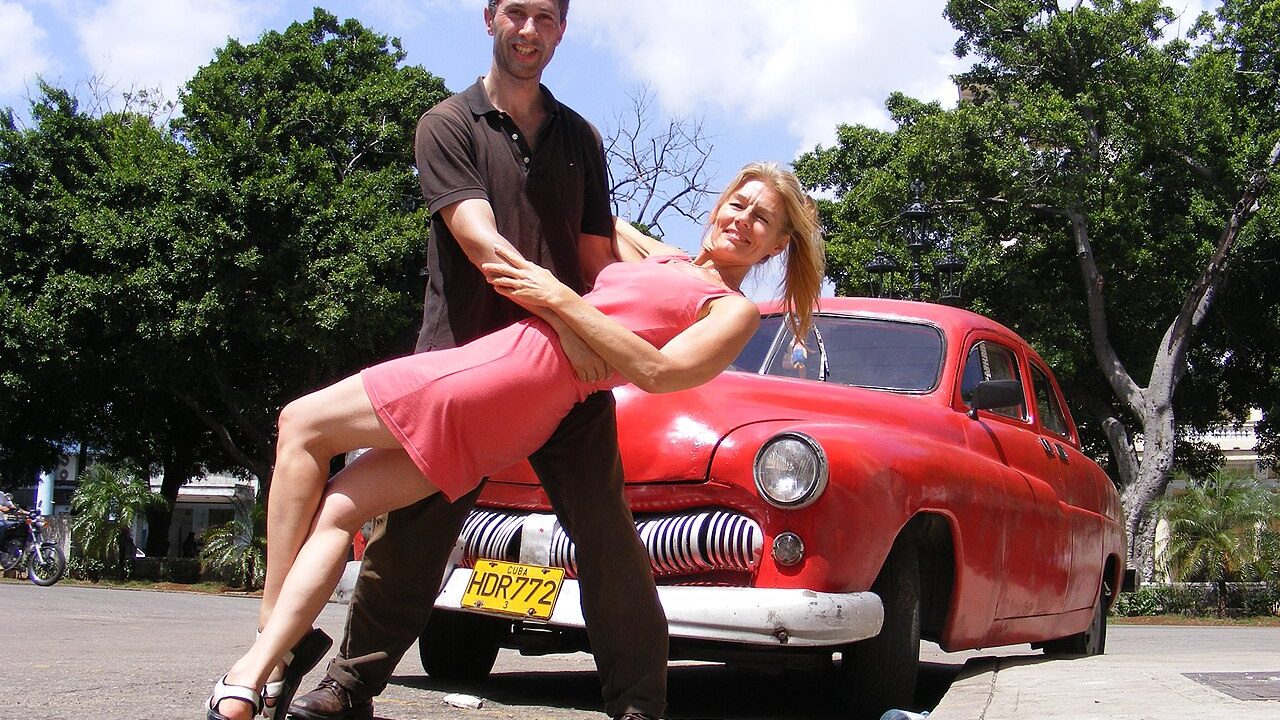
Timba is danced mostly in the Cuban way: casino partnerwork, rueda de casino and plenty of solo moves borrowed from rumba and Afro-Cuban dance. When the music breaks, dancers often let go of each other and play with the rhythm, then return to the partnerwork.
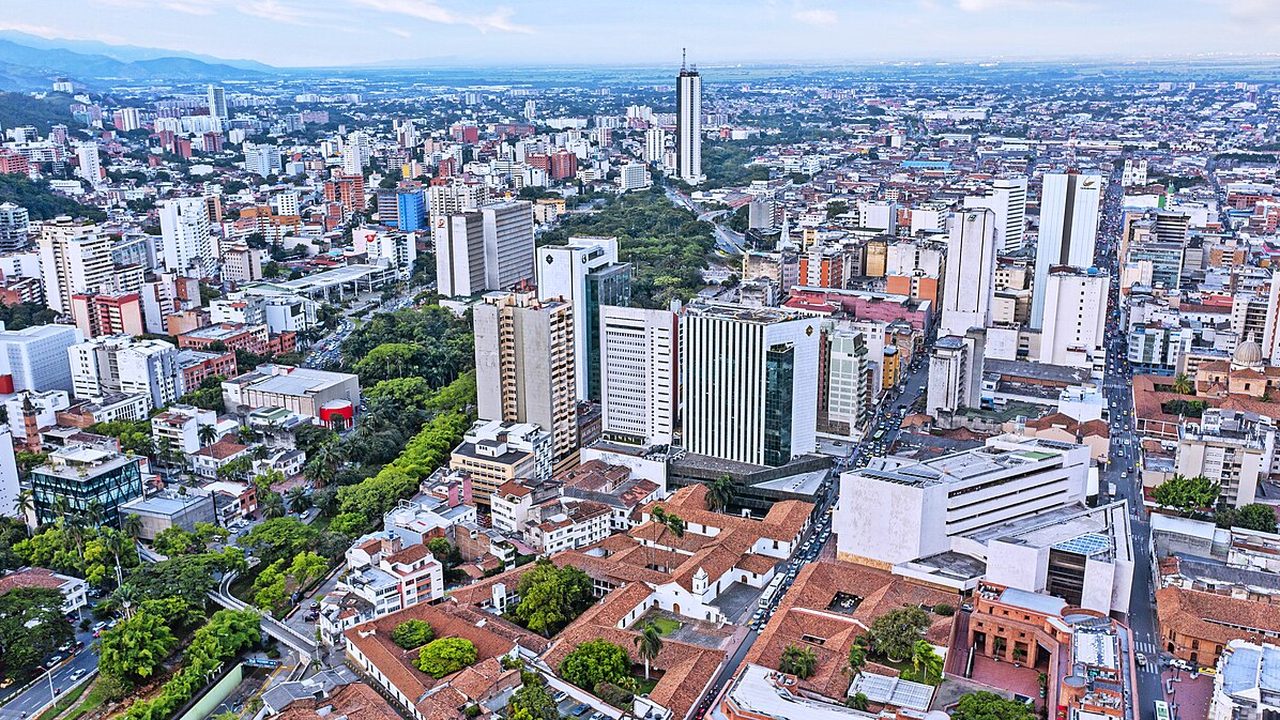
If you dance New York or LA style, timba can feel chaotic at first. The trick is to listen for the breaks and enjoy the changes rather than fight them. For a very different take on salsa, compare it with Colombia's Cali style, and for the roots of the whole family, read Where did salsa come from?.
FAQ
What is timba?
A Cuban genre of dance music based on son, with influences from salsa, funk, R&B, jazz and Afro-Cuban folkloric music. It developed in Havana in the late 1980s and 1990s.
Who created timba?
NG La Banda, led by the flautist José Luis 'El Tosco' Cortés, is usually credited as the first timba band, and Cortés claims to have coined the word.
Is timba the same as salsa?
They are close relatives. Timba grew from Cuban son and shares a lot with salsa, but it is usually more intense, with more breaks, more improvisation and stronger influences from funk, jazz and rumba.
Sources
- Wikipedia, "Timba" and "NG La Banda"
- Online Journal of Bass Research, vol. 11, December 2019, citing Vincenzo Perna
- Cultura Cubana, "NG La Banda"
- CubaPLUS Magazine, "NG La Banda, the symbol of Cuban timba"
- Timba.com, "NG La Banda" (Kevin Moore)