A riddim is the instrumental behind a Jamaican song: the drums, bass and other parts, without the vocal. The key is that a riddim is shared. One producer makes it, then many artists record their own songs over the same instrumental. A popular riddim can carry dozens, even hundreds, of different tracks. The word is simply the Jamaican pronunciation of "rhythm", and it sits at the heart of how dancehall is made and danced.
One beat, many songs
In most pop music, a song and its beat belong together. In Jamaica, they come apart. A producer builds a riddim, gives it a name, and invites singers and deejays to voice it. Each artist writes different lyrics and a different melody, and the producer often releases the results together, as a collection of songs on the same riddim.
For a listener, it means you can hear the same instrumental many times in one night, with a new voice each time. For a dancer, it means the beat becomes familiar fast. When a selector drops a well-known riddim, the crowd knows exactly what is coming and how to move to it.
Where the system comes from
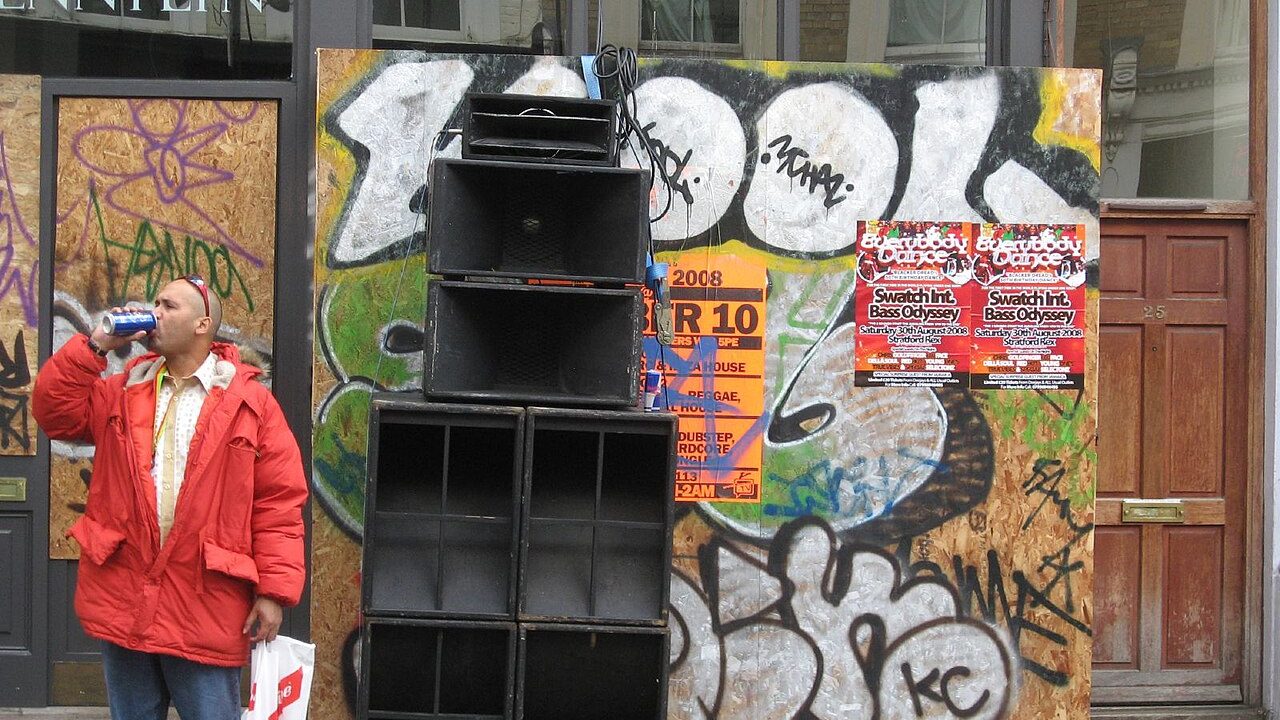
The riddim system grew out of Jamaica's sound system culture. Sound systems competed with exclusive tracks and instrumental versions that deejays could talk over live. Old riddims from the reggae years, such as "Stalag" or "Real Rock", have been voiced again and again for decades.
Riddims are usually named after the first song released on them, or by the producer who made them.
Sleng Teng: the digital turning point
The most famous riddim story is the Sleng Teng. In 1985, the singer Wayne Smith and his friend Noel Davey worked out a riddim on a small Casio keyboard, using one of its built-in rock patterns slowed down to reggae tempo. The producer Lloyd "King Jammy" James recorded it, and Smith voiced "Under Mi Sleng Teng" over it.
According to World Music Views, Jammy first played it at a sound clash against the Black Scorpio sound system on 23 February 1985. Okayplayer recalls that he won the clash with it. The riddim spread at once.
The Sleng Teng is usually described as the first fully digital riddim in reggae, though Red Bull Music Academy notes conflicting accounts that an earlier computer riddim called "Tempo" came first. Either way, its impact is not in doubt: it opened the digital era of dancehall, and Nippon.com counts as many as 450 songs built on it. The Casio pattern itself was programmed by a Japanese engineer, Okuda Hiroko, who had no idea it would end up changing Jamaican music.
Riddims after the Sleng Teng
Producers followed with digital riddims of their own. Wikipedia lists the "Punaany" and "Duck" riddims among King Jammy's digital productions, and many others came from studios across Kingston. Over the years, certain riddims became so popular that a single one could define a season of parties.
Why dancers should care
Dancehall dancing is built on the riddim. New dance moves often arrive with new songs, and a song's lyrics may even call out the steps. Because so many tracks share the same riddim, dancers can practise a move on one song and use it on the next. At street sessions like Passa Passa, the selector's choice of riddim shapes the whole night.
The riddim system also explains the competitive side of the culture. Artists voicing the same instrumental are compared directly, and the best version wins the crowd, the logic that reached its peak at stage shows such as Sting.
For the bigger picture, from sound systems to today's stars, start with What is dancehall music?.
FAQ
What is a riddim?
The instrumental backing track of a Jamaican song, used by many different artists who each record their own vocal over it.
What was the first digital riddim?
The Sleng Teng, produced at King Jammy's studio in 1985, is usually called the first fully digital riddim, although some accounts say an earlier computer riddim called 'Tempo' came first.
How is a riddim named?
Usually after the first song released on it, or by the producer. The Sleng Teng was named after Wayne Smith's 'Under Mi Sleng Teng'.
Sources
- Wikipedia, "Riddim" and "Sleng Teng"
- Red Bull Music Academy Daily, "The Essential Guide to Dancehall", 2019
- World Music Views, interview with King Jammy and Jack Scorpio, December 2023
- Nippon.com, on Okuda Hiroko and the Sleng Teng riddim
- Okayplayer, "The Most Influential Dancehall and Soca Riddims of All Time"