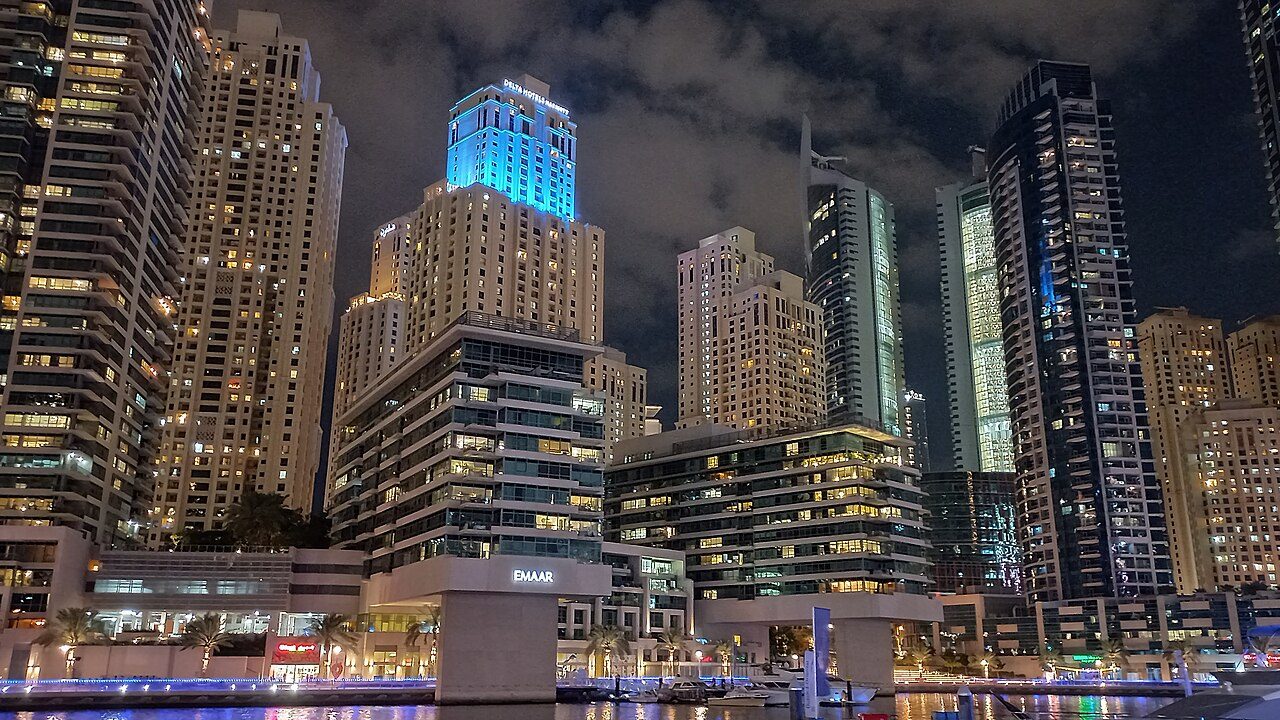
Dubai is a stop on the world tours of Afrobeats superstars, and it has a real, organised social dance scene for salsa, bachata and kizomba. But when you look for documented facts about its African and Caribbean music life, nearly everything you find concerns artists passing through. We found no documented community of resident African or Caribbean artists. Dubai is a stage, not yet a production centre.
#DANCE is edited from Dubai, which makes this a scene we know firsthand and one we wanted to describe carefully.
Who lives here
There are no official statistics for the UAE's population by African or Caribbean origin. Estimates exist by nationality: between 50,000 and 100,000 Nigerians lived in the UAE in 2024, and the Ugandan community is estimated at around 150,000. No Caribbean figure exists. Any confident number you read for "the African community in Dubai" is a guess.
The concerts
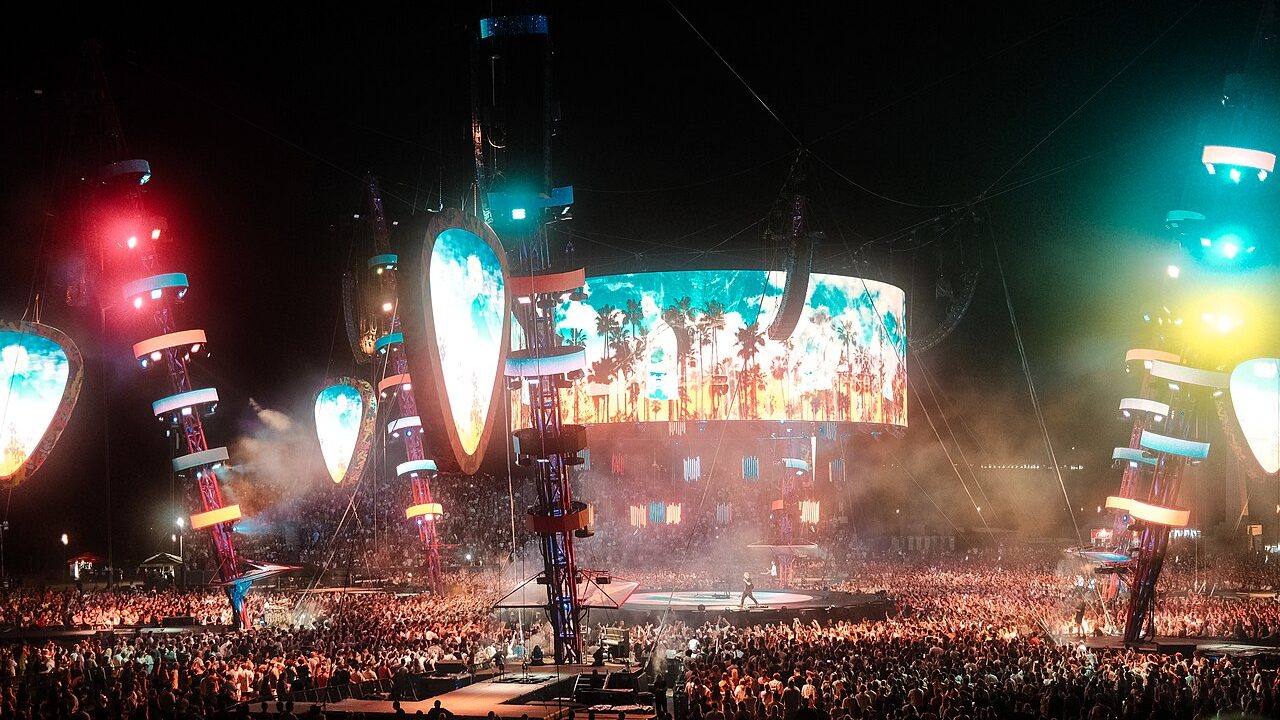
The big events are documented. One Africa Music Fest brought its 2019 edition to the Festival Arena at Dubai Festival City on 15 November 2019, with Wizkid, Burna Boy, Tiwa Savage and Davido, as Gulf News reported. A 2018 edition is confirmed by ticketing records, and a "Dubai Shutdown" edition took place on 26 November 2021 according to the festival's site. We could not confirm whether the festival continued after 2021.
Davido played the Coca-Cola Arena on his 2023 tour and again on 8 November 2025.
These are major nights, and they show the size of the audience. They are also visits.
The social dance scene
Dubai and Abu Dhabi have a genuine Latin social dance scene: regular salsa, bachata and kizomba nights, classes and events, organised and visible. For Afrobeats, amapiano, dancehall or kompa, we found no equivalent infrastructure of regular socials, schools or festivals. The music fills clubs and private parties; the dance culture has not been built into the same kind of network.
Licences and visas
Events are licensed by the Dubai Department of Economy and Tourism and, in the capital, by Abu Dhabi's Department of Culture and Tourism, which published an official manual in 2024. Recent music licensing fees for businesses, up to AED 50,000 a year, concern background music, not live performers. The two are often confused.
We found no artist visa category distinct from the general employment and visit regimes.
A distinction that must be kept
Human Rights Watch has documented abuses against migrant workers in the UAE, in domestic work and construction. That documentation does not concern artists, and we found no reporting on artists' working conditions here. The two subjects should not be merged, in either direction.
What it adds up to
Everything verifiable points the same way. Dubai brings in African and Caribbean stars, attracts large audiences from its diverse population, and hosts a strong Latin social dance scene. What it does not yet have, on the record, is a resident community of African and Caribbean artists making music and dance here.
That is not a criticism. It is a starting point. A city that already gathers the audience could become a place where the culture is made, not only consumed. For the economics behind those concerts, read Why African Music Is Dominating Global Pop Culture.
FAQ
How many Africans live in Dubai?
There are no official statistics by African or Caribbean origin. Estimates by nationality include 50,000 to 100,000 Nigerians in the UAE (2024) and around 150,000 Ugandans. No Caribbean figure exists.
Are there Afrobeats concerts in Dubai?
Yes. One Africa Music Fest held editions in Dubai, including on 15 November 2019 with Wizkid, Burna Boy, Tiwa Savage and Davido, and Davido played the Coca-Cola Arena in 2023 and on 8 November 2025.
Is there social dancing in Dubai?
Yes. Dubai and Abu Dhabi have an organised Latin social dance scene for salsa, bachata and kizomba. There is no equivalent infrastructure documented for Afrobeats, amapiano, dancehall or kompa.
Sources
- Gulf News, coverage of One Africa Music Fest, November 2019
- Dubai Department of Economy and Tourism, event licensing; Abu Dhabi DCT, 2024 manual
- Human Rights Watch, reports on migrant workers in the UAE