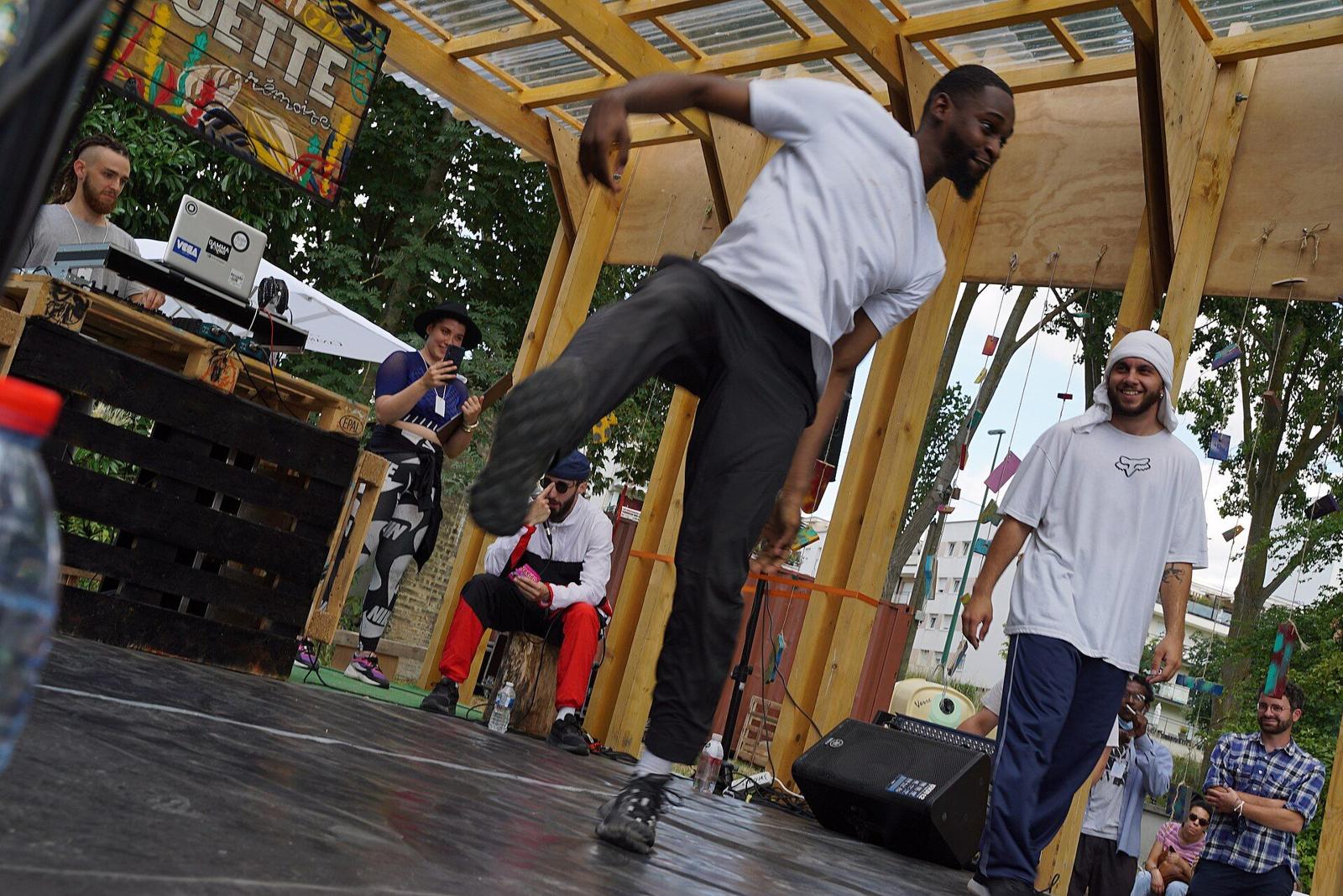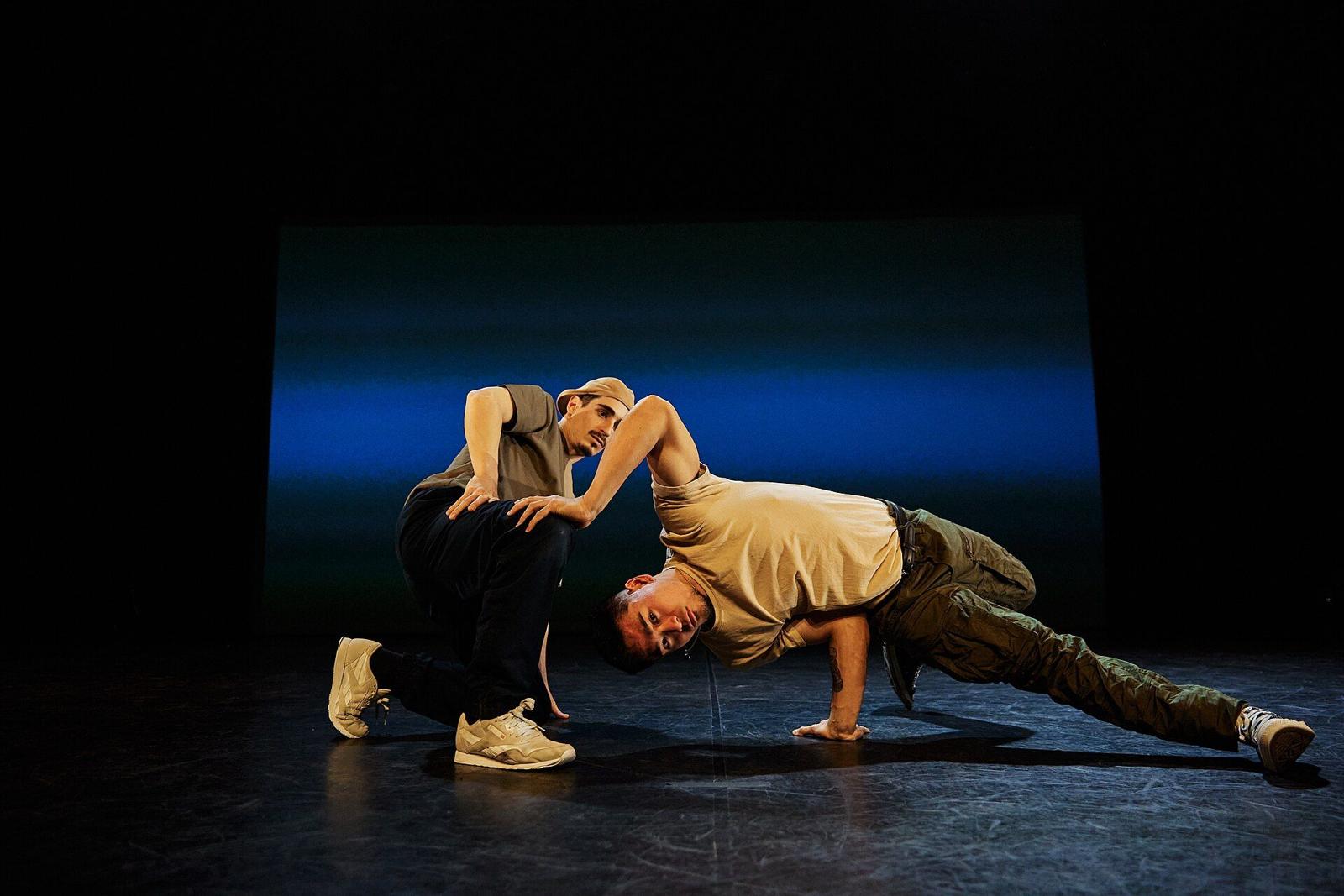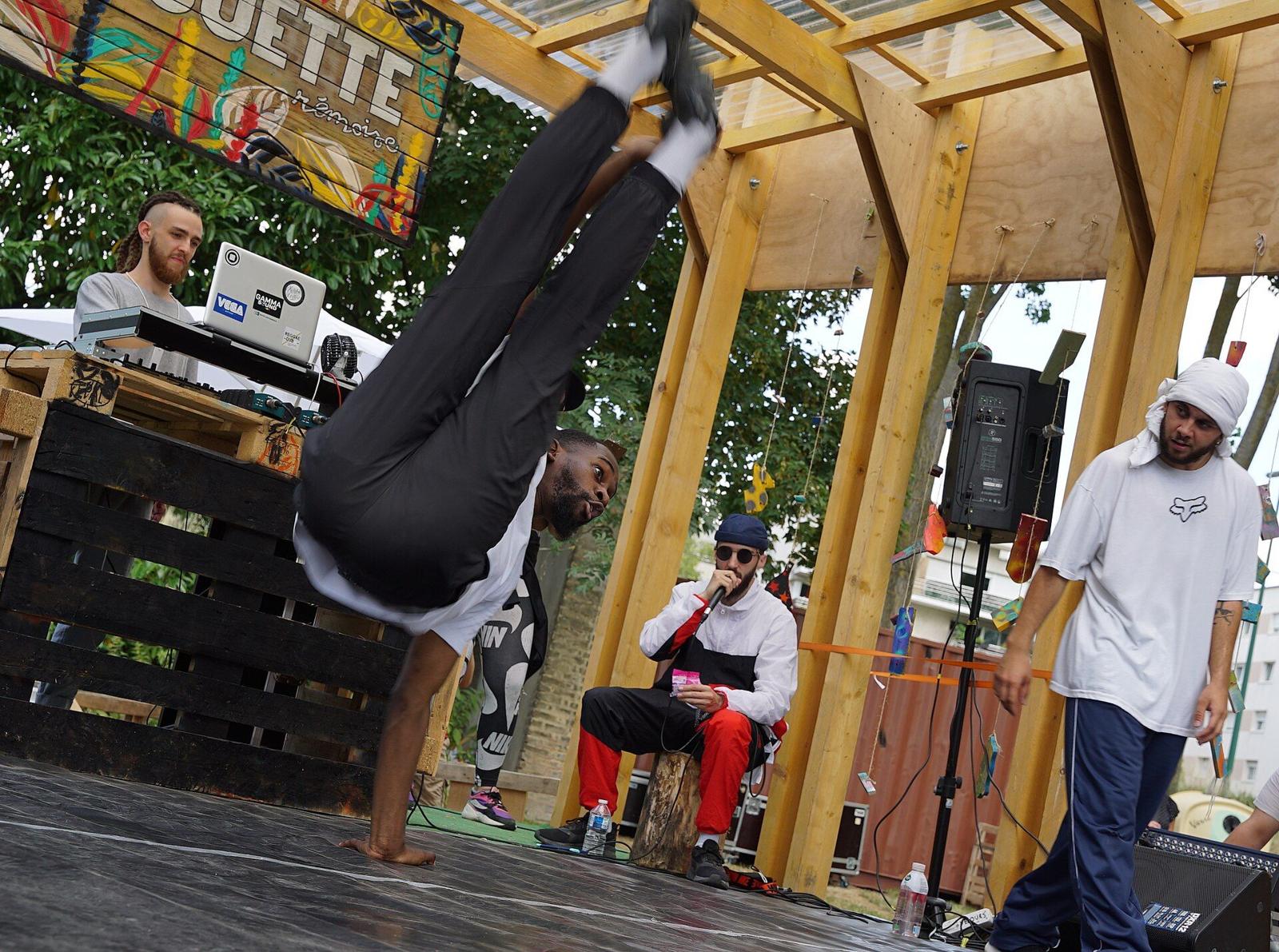
A street dance battle is a face-off: dancers or crews take turns in the middle of the floor, answering each other to the DJ's music, and someone decides who wins, usually a panel of judges, sometimes the crowd. The main formats are 1v1, 2v2 and larger crew battles, run as knock-out brackets after a preselection. Around them, organisers have invented popular variants such as seven to smoke, where the winner stays on, and concept battles with special rules. Each format rewards something different, so knowing how it works changes how you prepare.
The basic shape of a battle
Red Bull's guide to battle rules describes the core mechanism: dancers or crews dance one at a time, for an agreed number of turns called rounds. When all rounds are done, the judges each decide who won, by pointing at their choice or holding up a card. The MC keeps time, calls the end of each round and signals the judges at the end.
The winner moves on and the loser is knocked out, until two dancers or crews remain for the final. Red Bull notes that main events usually feature around 16 solo dancers or eight to 16 crews, though anything from four to 32 is possible.
Getting in: the preselection
Most battles start with a preselection, or prelims. Formats vary: solo rounds in front of the judges, rounds in small groups, or open cyphers where judges watch everyone and pick the strongest. Red Bull lists several ways in, including qualifying at the event, winning an earlier qualifier, or being invited.
The scale can be large. At the European Buck Session, the world's biggest krump event, tanzhaus nrw explained in 2022 that the preselection traditionally draws more than 250 dancers, and only 16 go through to the one-on-one battles. More on that in Krump in Europe.
1v1: the solo battle
The one-against-one battle is the classic format, and the one most people picture. Steezy notes that in a 1v1 the emphasis is on individual skill and style. Breaking's biggest solo event, Red Bull BC One, and the Olympic breaking competition both use it.
At the Paris 2024 Olympics, Olympics.com explained, judges did not award points to each athlete in isolation but compared the two breakers in the same battle, and the athlete who won two out of a maximum of three rounds took the battle. The five criteria were vocabulary, technique, execution, originality and musicality.
2v2 and crew battles
In 2v2, 3v3 and larger crew battles, each member takes turns in each round. Steezy points out that judges look for everything they would in a solo battle, plus chemistry: can the dancers move together, did they come prepared as a unit, are they enjoying it? Juste Debout, the Paris battle for standing styles, is famous for its 2v2 format.
Full crew battles can go much bigger. Red Bull describes crews of anything from two to eight or ten dancers, and full eight-on-eight battles in which judges may score up to 16 rounds per crew, within a time limit of around 15 minutes. Crews often perform routines, short choreographed passages for two dancers or the whole crew, during their rounds, which the other crew may answer or ignore. A newer format, Red Bull Combo, puts five-person, open-style crews against each other with mandatory routines, to bring crew chemistry back to the centre.
Single style or all styles
Some battles are for one style, such as 1v1 locking or 2v2 popping; others are all styles, where a krumper may meet a house dancer. In all-styles battles the DJ often plays music from any genre, and adaptability counts as much as technique.
Crowd-voted battles
Not every battle has a panel. Red Bull Dance Your Style is a one-on-one, all-styles battle in which the winner of each round is decided by a crowd vote, and the DJs play well-known commercial tracks from different genres. The format rewards performance, personality and connection with the audience before the technical details of each style.
Seven to smoke
Seven to smoke is one of the most popular variants. According to Red Bull, it was adapted by Tyrone, the Dutch promoter of the Notorious IBE event, who held the first official seven to smoke battle at IBE in 2002.
The rules, as one Amsterdam battle describes them:
- Eight dancers take part, usually picked in a preselection.
- One dancer starts in the winning spot; the others line up as challengers.
- Each battle is one against one, and the judges decide.
- The winner keeps or takes the winning spot and faces the next challenger. The loser goes to the back of the line.
- Each win is a point. A dancer who beats seven opponents in a row wins outright; otherwise, when the time runs out (often around 20 minutes), the dancer with the most points wins.
Seven to smoke rewards stamina and range: you need enough material to keep answering new opponents without repeating yourself.
Concept battles
Organisers also invent battles with a twist. Red Bull describes the Bonnie and Clyde format, in which each pair must be one woman and one man, and the Checkmate battle, which it calls probably the most strategic concept on the breaking scene. Krump has its own vocabulary of battles, call-outs and kill-offs, explained in Krump sessions, labs and battles.
How judges decide
Red Bull notes that there is no globally standardised judging system in breaking, though common categories include technique, vocabulary, execution, musicality and originality, and that panels usually have an odd number of judges, often three or five, so there is always a majority. For Olympic-style competition, the World DanceSport Federation publishes a detailed rules manual with preselection, round-robin and knock-out phases.
Outside sport-style events, the criteria are often less formal, but most judges look at the same things: musicality, foundations, originality, control, presence and how well you answer your opponent.
Before your first battle
- Read the rules of the event: number of rounds, time per round, style, how ties are broken.
- Prepare more rounds than you think you need, especially for seven to smoke.
- Listen to the DJ. Battles reward dancers who catch the music, not those who run a set routine regardless of the track.
- Respect your opponent. Burns and gestures are part of the culture, but touching or insulting someone is not.
- Go to cyphers first. The cypher is where most dancers learn to battle before they ever enter one.
FAQ
How does a seven to smoke battle work?
Eight dancers line up. Two battle one against one; the winner stays on and faces the next challenger, while the loser goes to the back of the line. Each win is a point, and the first to seven points, or the dancer with the most points when time runs out, wins.
How many judges are there in a dance battle?
Usually an odd number, often three or five, so that there is always a majority. Some events, such as Red Bull Dance Your Style, let the crowd vote instead.
What do judges look for in a battle?
There is no single global system, but common criteria include musicality, technique, vocabulary, execution, originality and, in crew battles, chemistry and preparation.
What is a preselection?
The qualifying stage before the main battle, often done in cyphers or short solo rounds, where judges pick the dancers or crews who go through.
Sources
- Red Bull, "The ultimate guide to dance battle rules and street competitions" (Emmanuel Adelekun)
- Red Bull, "Learn about 7 themed battle concepts used in breaking competitions"
- Red Bull, "Dance Battles Explained: Inside the world of competitive breaking"
- Red Bull, "Red Bull Dance Your Style" and "Red Bull Combo rules and format explained"
- Meervaart (Amsterdam), Break A Leg battle concept, on the Seven2Smoke format
- Steezy, "What you should know before going to a freestyle jam"
- Olympics.com, on the breaking judging system for Paris 2024
- WDSF, Breaking Rules and Regulations Manual, version 4, January 2023
- tanzhaus nrw, European Buck Session 2022