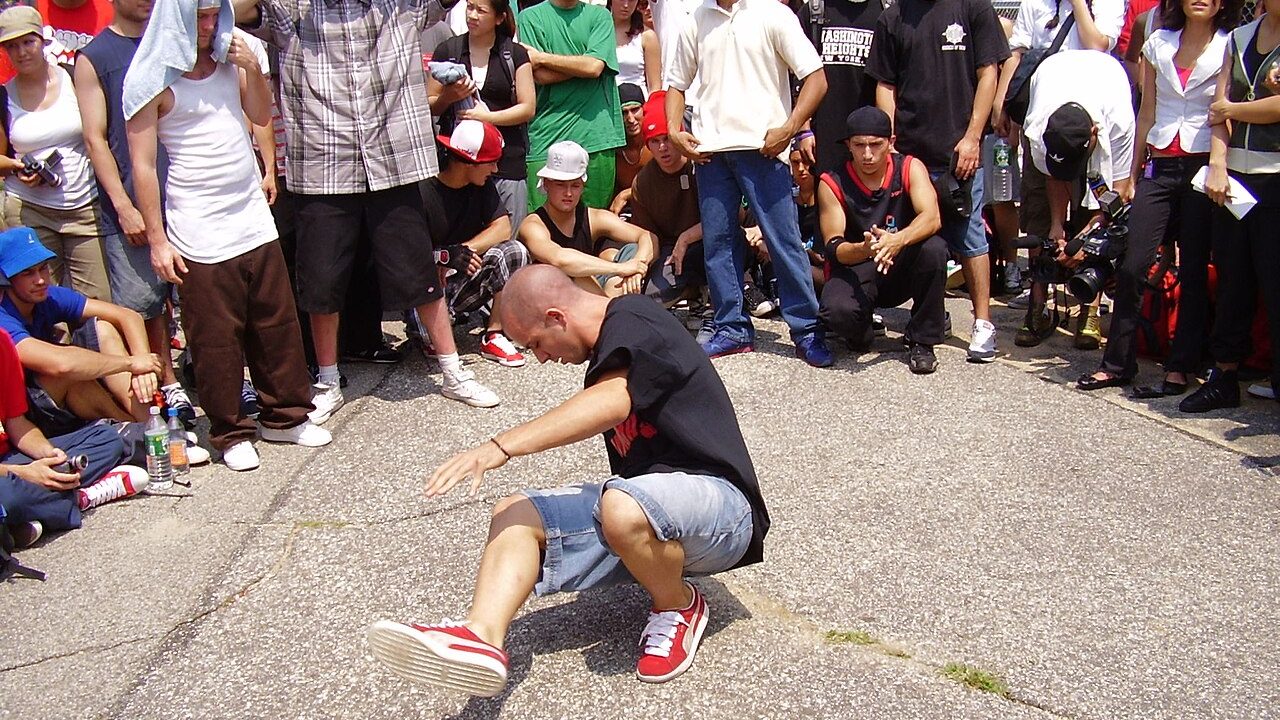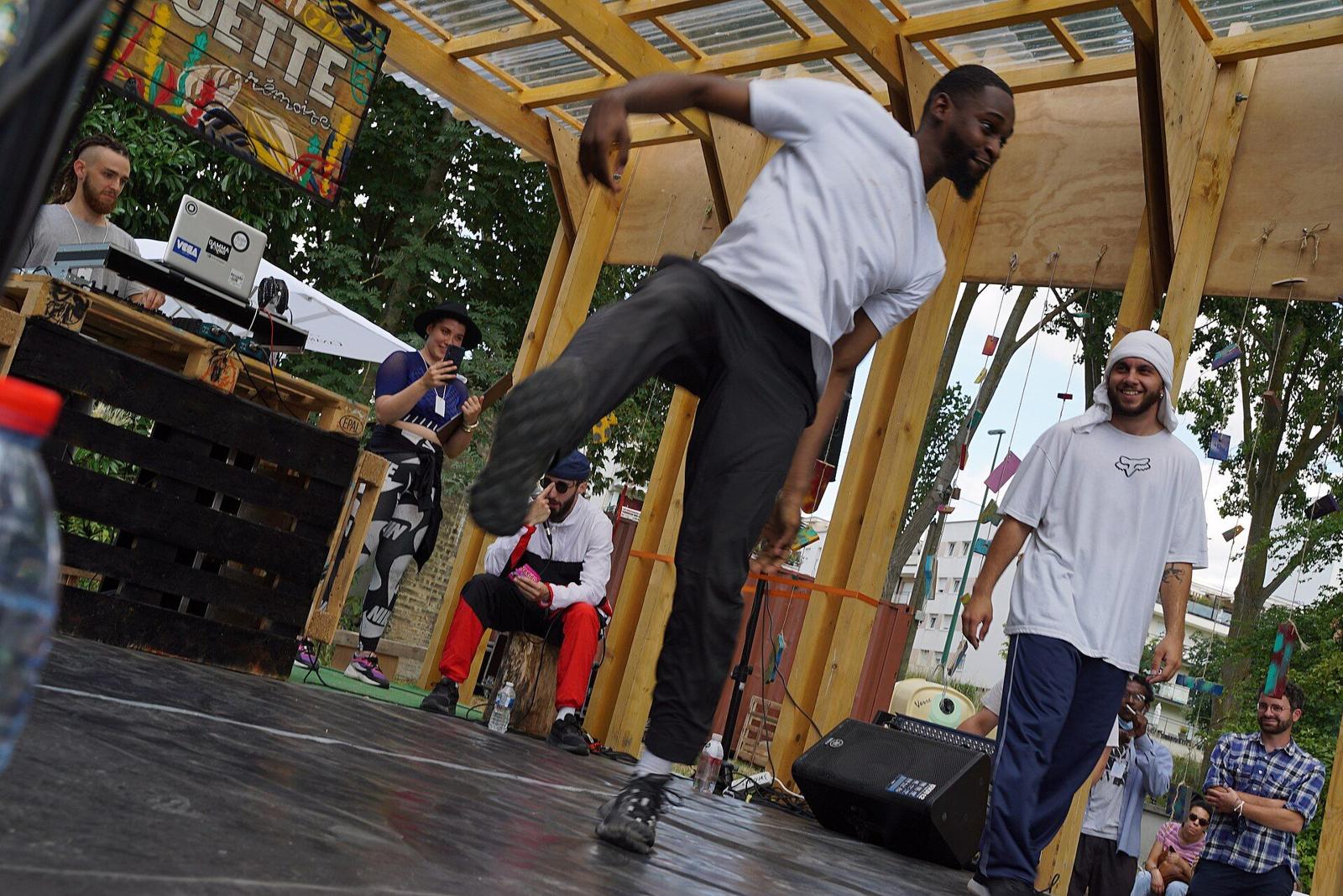
A cypher is the circle that dancers form so that, one at a time, someone can enter the middle and dance. It is where breakers and other street dancers practise, battle, share and test themselves, outside the rules of competitions. The word, also spelled cipher, comes from an old name for zero, the round symbol 0. Anyone can join a cypher, from beginners to champions, but it comes with unwritten rules: wait your turn, respect call-outs, and do not hog the floor.
A circle for everyone
Red Bull sums up why the cypher matters: unlike a competition, you do not have to qualify to cypher, you just do it. The circle is a place for everyone, from beginners to high-level breakers. People enter competitions for money, invitations or fame, but they form cyphers simply to dance, battle, exchange ideas and express who they are.
Cyphers can appear anywhere: at parties, in the street, at jams, or around the edges of a competition while the DJ plays between rounds. To dance in one is "to cypher".
Where the word comes from
The Breaks, a research site on breaking history, explains that cypher has an older meaning, the zero symbol, which passed into English through French from Arabic, as a translation of the Sanskrit word for "empty". The round shape of the zero matches the circle.
The practice is much older than the word. According to The Breaks, dancing inside a circle of onlookers is attested from the earliest years of breaking, and competitive dance in a circle has a long history across the African diaspora. The b-boy Ken Swift estimated that the word cypher entered breaking around 1994 or 1995, replacing or sitting alongside the older term "circle".
The unwritten rules
Red Bull lists the unwritten rules that breakers learn in the cypher. A few of the most important:
- Don't bomb the cypher. Going in again and again without letting others dance is bad etiquette. Share the floor so the energy grows together.
- Respect call-outs. If two dancers start a battle in the cypher, others should not enter until it is over.
- Don't repeat your moves. In battles and cyphers, showing the same thing twice is frowned upon.
- Know your history. Breaking is one of the elements of hip-hop culture, and respecting where it came from is part of the dance.
Beyond the rules, the cypher has its own rhythm: someone exits, the circle reacts, and the next dancer steps in. Timing your entry, not cutting someone off, and acknowledging the dancer before you all count.
Cypher, session, circle
Other dance cultures have their own versions of the cypher. In krump, the circle is usually called a session, which we describe in Krump sessions, labs and battles. House dancers, poppers and lockers all have circles too. The idea is the same: a shared space where everyone watches, supports and challenges each other.
Why it matters
The cypher is where much of hip-hop dance's creativity happens. New moves are tested there, dancers learn from each other, and reputations are built in front of peers rather than judges. It reflects a core hip-hop value, "each one, teach one", which we explore in The elements of hip-hop.
If you are new, start by watching from the circle, feel the energy, and step in when you are ready. Nobody expects perfection, but everybody expects respect. For the dance most closely tied to the cypher, read Breaking: from the Bronx to the Olympics.
FAQ
What is a cypher in dance?
A circle of dancers and onlookers in which dancers take turns entering the middle to dance. It is central to breaking and other street styles.
Where does the word cypher come from?
It comes from an older word for zero, the symbol 0, which looks like a circle. In breaking, the older word was simply 'circle'; the term cypher spread later.
What is 'bombing' the cypher?
Going into the circle again and again without letting others dance. It is considered bad etiquette.
Sources
- Red Bull, "Discover the meaning and importance of the cypher in breaking"
- Red Bull, "Get to know 10 unwritten rules of breaking and the cypher"
- The Breaks, "Cypher"
- Red Bull, "Breaking terminology basics"