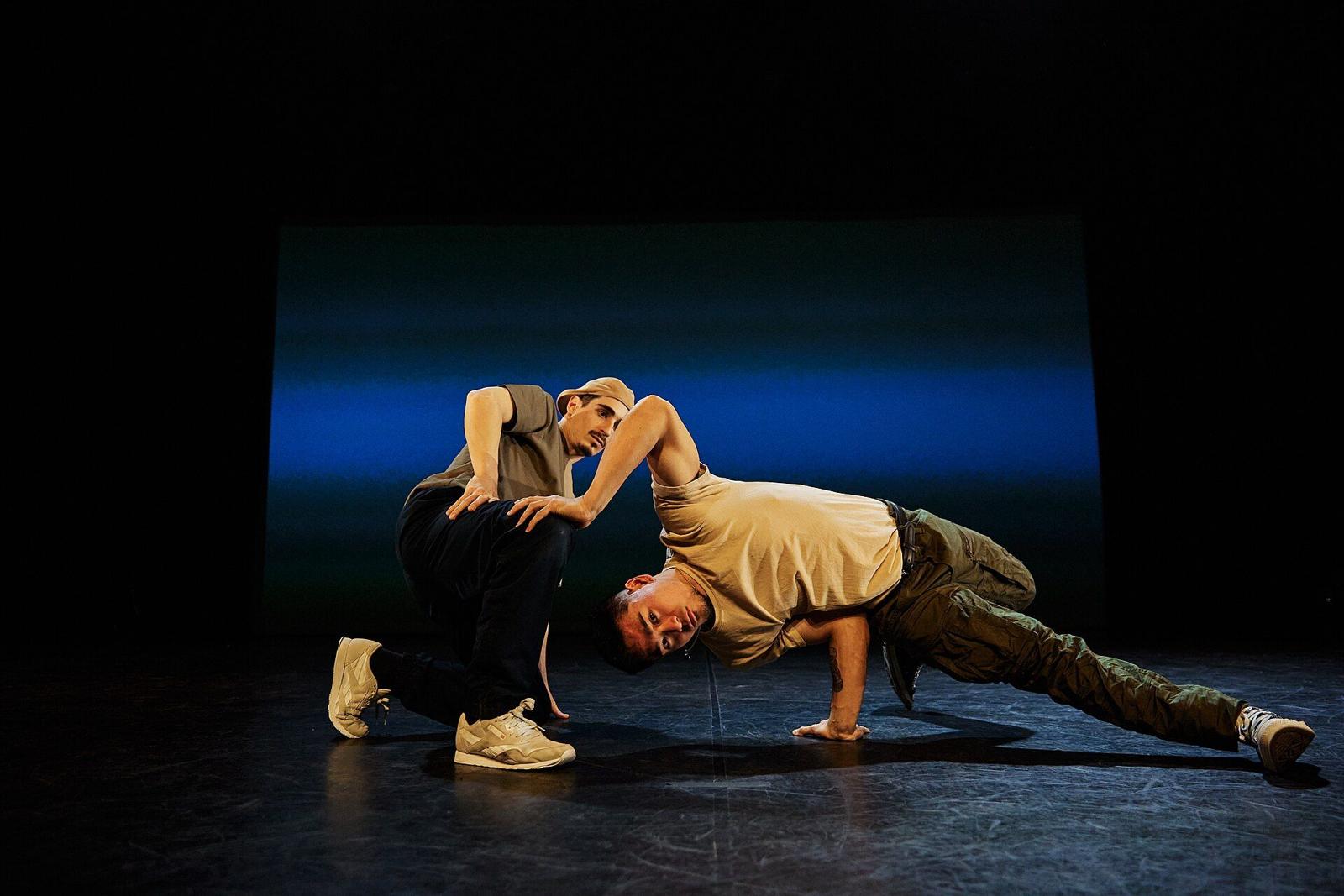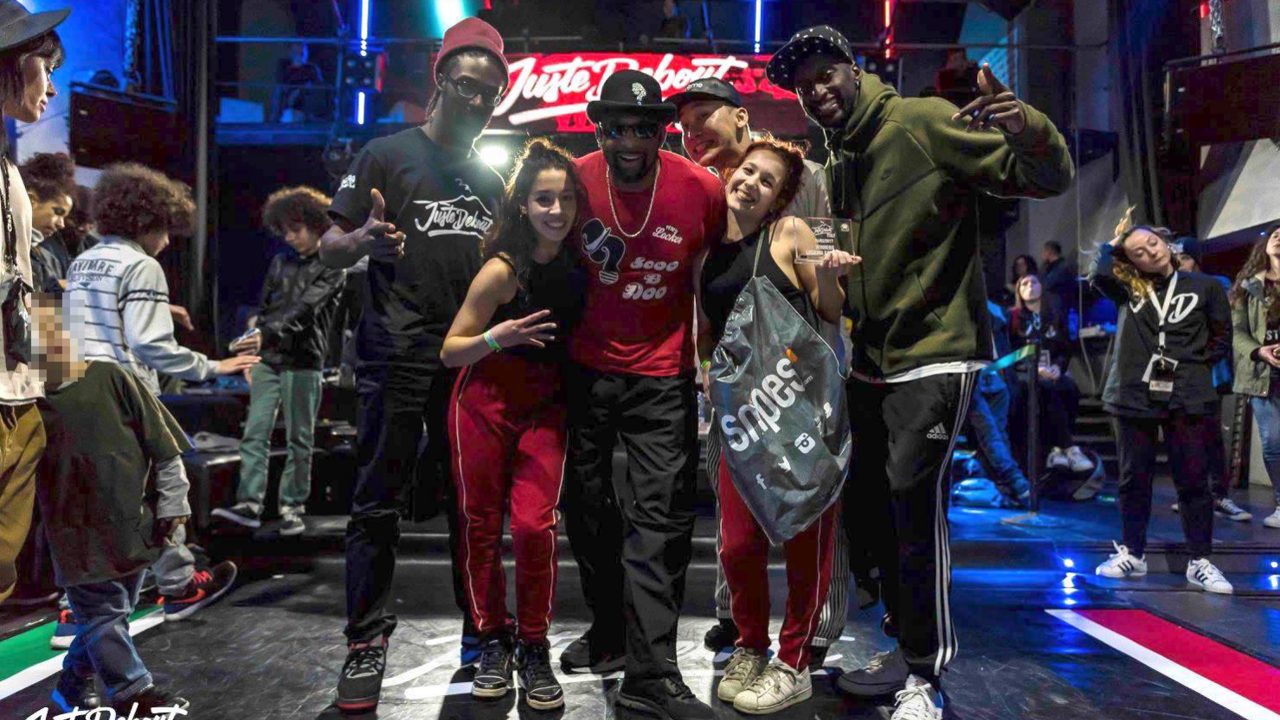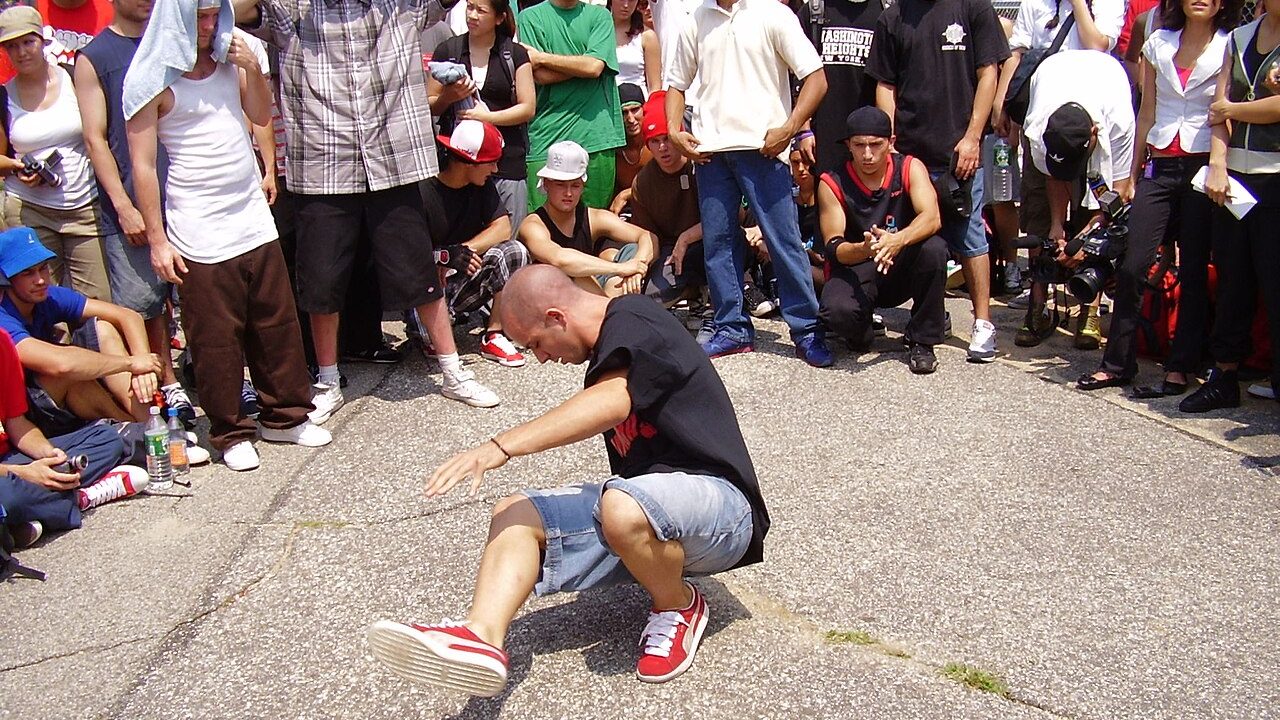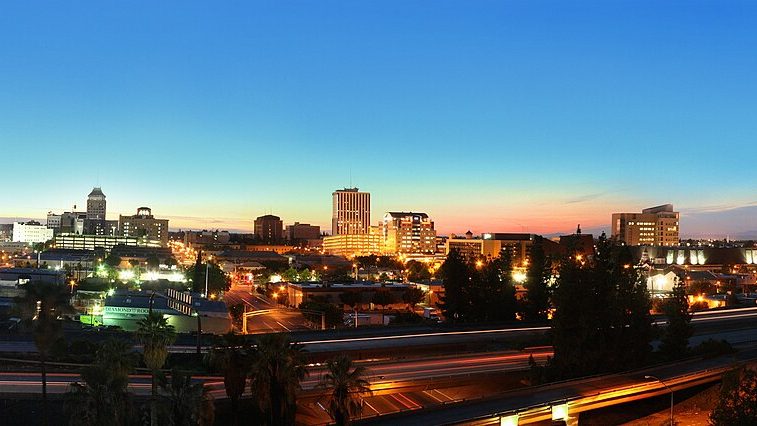
Popping's most famous origin story begins in Fresno, California. In the mid-1970s, Sam Solomon, known as Boogaloo Sam, developed a set of movements that became the styles we now call popping and boogaloo. In 1977 he founded a crew, first called the Electronic Boogaloo Lockers and soon the Electric Boogaloos, with his brother Popin' Pete and others. Their appearances on Soul Train took the style across the United States, and from there it spread worldwide.
West Fresno
Boogaloo Sam grew up in Fresno. Red Bull's history says he was inspired by the Soul Train dancers he watched on television and by the famous troupe The Lockers, whose style we explain in Locking.
He and his crew practised at the Mary Ella Brown Community Center in west Fresno, according to the historian Sean Slusser, quoted by PBS SoCal. Fresno State University has since collected oral histories from dancers of that era, part of an effort to document a scene that left few written records.
The name
The crew's original name, the Electronic Boogaloo Lockers, says a lot about the time: locking was the famous funk style, and the new crew started from it. "Lockers" was dropped soon after.
That first name has had a long life. In many places, popping is still called "poplocking", which blurs two separate dances. Popping is built on quickly contracting and releasing the muscles to create a "hit" on the beat. Locking is built on freezes and big, playful gestures. For the basics of popping today, read What Is Popping?.
Soul Train and beyond
The Electric Boogaloos' performances on Soul Train, the show created by Don Cornelius, turned them into a national reference. KQED quotes Slusser saying they helped popularise popping by appearing on Soul Train and working with artists such as Michael Jackson; Popin' Pete worked with Jackson on "Thriller".
The crew included several generations of dancers, among them Skeeter Rabbit, Sam's cousin, and later Mr. Wiggles from the South Bronx, also a member of the Rock Steady Crew.
A disputed history
Like most street dance histories, popping's origin is argued over. PBS SoCal's Artbound describes competing versions, including one that gives a central role to two other Fresno dancers, Will and Darnell, and one in which Fresno dancers reworked funk moves they had seen from Oakland's boogaloo dancers. The Electric Boogaloos' own account credits Boogaloo Sam.
The fairest summary is that Boogaloo Sam and his crew created, named and spread a style that drew on a wider West Coast funk culture. What is not in dispute is their impact.
Legacy
In 2012, the Electric Boogaloos received a Lifetime Achievement Award at The Carnival: Choreographer's Ball in Los Angeles. Popping is now taught and battled around the world, and the vocabulary of hits, waves and animation that began in Fresno is part of almost every hip-hop choreography.
FAQ
Who created popping?
Sam Solomon, known as Boogaloo Sam, is most often credited with creating popping and the boogaloo style in Fresno, California, in the mid-1970s. Some historians point to other influences, including Oakland's boogaloo dancers.
When were the Electric Boogaloos founded?
In 1977, in Fresno, first as the Electronic Boogaloo Lockers. 'Lockers' was later dropped from the name.
Why is popping called poplocking?
Partly because the Electric Boogaloos first called themselves 'Lockers'. Popping and locking are different dances, and many poppers dislike the mix-up.
Sources
- KQED, "The Hip-Hop Dance Craze Born in Fresno: Popping"
- PBS SoCal, Artbound, "Straight Outta Fresno: How the Popping Dance Movement Empowered Youth of Color"
- Red Bull, "Popping history: the Electric Boogaloos members"