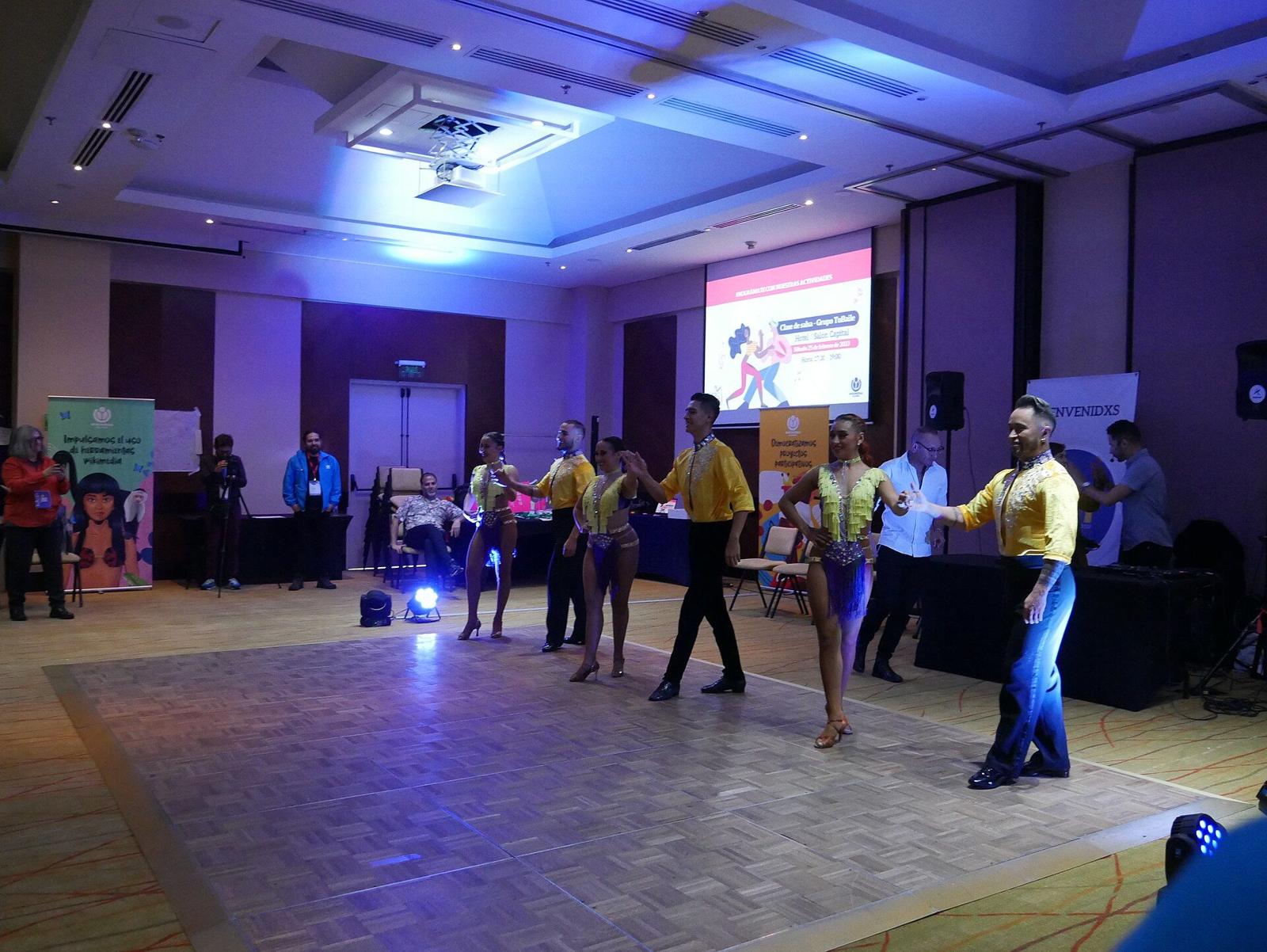
Many dance festivals run on volunteers: people who work the door, the wristbands or the info desk in exchange for a free pass. It feels like part of the community. Legally, it depends on who you are volunteering for. In the UK, the US and France, the law treats volunteering for a charity very differently from volunteering for a profit-making company, and most dance festivals are companies.
The UK: a narrow exemption
The National Minimum Wage Act 1998, section 44, exempts "voluntary workers" from the minimum wage. But the exemption is reserved for a charity, a voluntary organisation, an associated fund-raising body or a statutory body. A commercial company has no equivalent exemption. That is the pivot of the whole question.
HMRC's guidance describes a real volunteer as someone who can come and go as they please, with no obligation and no sanctions (NMWM05080). A rota of fixed shifts where you lose your pass if you miss one ticks the opposite boxes.
And the pass itself does not help the organiser. HMRC guidance (NMWM09130) says benefits in kind do not count toward the minimum wage. If a volunteer were found to be a worker, the free pass would not reduce what is owed.
UK case law cuts both ways, from Grayson (2004), where the volunteer label held, to MCA v Groom [2026] EWCA Civ 6, on the side of reclassification. We found no documented case involving a dance festival.
The United States
The US Department of Labor states that employees may not volunteer services to for-profit private sector employers. But there are exemptions. In Chen v. Major League Baseball Properties (Second Circuit, 2015), a claim by unpaid volunteers at a fan festival failed because of the exemption for seasonal amusement or recreational establishments. Each case depends on the facts.
France
French labour guidance from January 2023 says the nature of volunteering is hard to reconcile with a profit-making structure. The penalties for undeclared work are severe: up to €45,000 and three years' imprisonment for individuals (article L.8224-1 of the Labour Code), and up to €225,000 for companies.
What a fair model looks like
The charity sector shows a workable design. Oxfam's festival volunteering model asks for three shifts of 8 hours 15 minutes, takes a refundable deposit of £250, and provides accommodation and meals, which are exactly the kind of support the UK exemption permits for charities.
For a dance festival run as a company, a fairer approach could be:
- paying volunteers at least minimum wage for the hours worked, or
- keeping volunteering genuinely free: no fixed obligation, no penalty, flexible hours, or
- partnering with a real non-profit association to run the volunteer programme.
Why it matters
Volunteers are often the most committed people at an event. They are also the least protected. As the congress format grows into an industry, as we describe in Who Invented the Dance Congress?, how it treats the people working its doors is part of what kind of industry it becomes.
FAQ
Can a for-profit festival use volunteers?
It is risky. UK minimum wage law exempts voluntary workers only for charities, voluntary organisations and statutory bodies. The US Department of Labor says employees may not volunteer services to for-profit employers. French guidance says voluntary work is hard to reconcile with a profit-making structure.
Does a free pass count as pay?
Under UK rules, benefits in kind do not count toward minimum wage. If a volunteer were found to be a worker, the pass would not reduce the wages owed.
What does a fair volunteer setup look like?
Flexible shifts with no penalties, real freedom to come and go, and only genuine expenses covered. Some charity-run festivals use a refundable deposit, accommodation and meals.
Sources
- National Minimum Wage Act 1998, section 44
- HMRC National Minimum Wage Manual, NMWM05080 and NMWM09130
- Grayson (2004); MCA v Groom [2026] EWCA Civ 6
- U.S. Department of Labor, guidance on volunteers in the private sector
- Chen v. Major League Baseball Properties, Second Circuit, 2015
- Direction générale du travail (France), guide on volunteering, January 2023; Code du travail L.8224-1