Hip-hop is not only a music. It is a culture usually described through four elements: DJing, MCing (rapping), breaking and graffiti. Many add a fifth element, knowledge, meaning awareness of hip-hop's history and of the world around you. The idea of the elements is credited to Afrika Bambaataa and the Universal Zulu Nation, the Bronx organisation he founded in the 1970s. For dancers, the elements are a reminder that breaking grew up side by side with the DJ, the MC and the writer.
Where the idea comes from
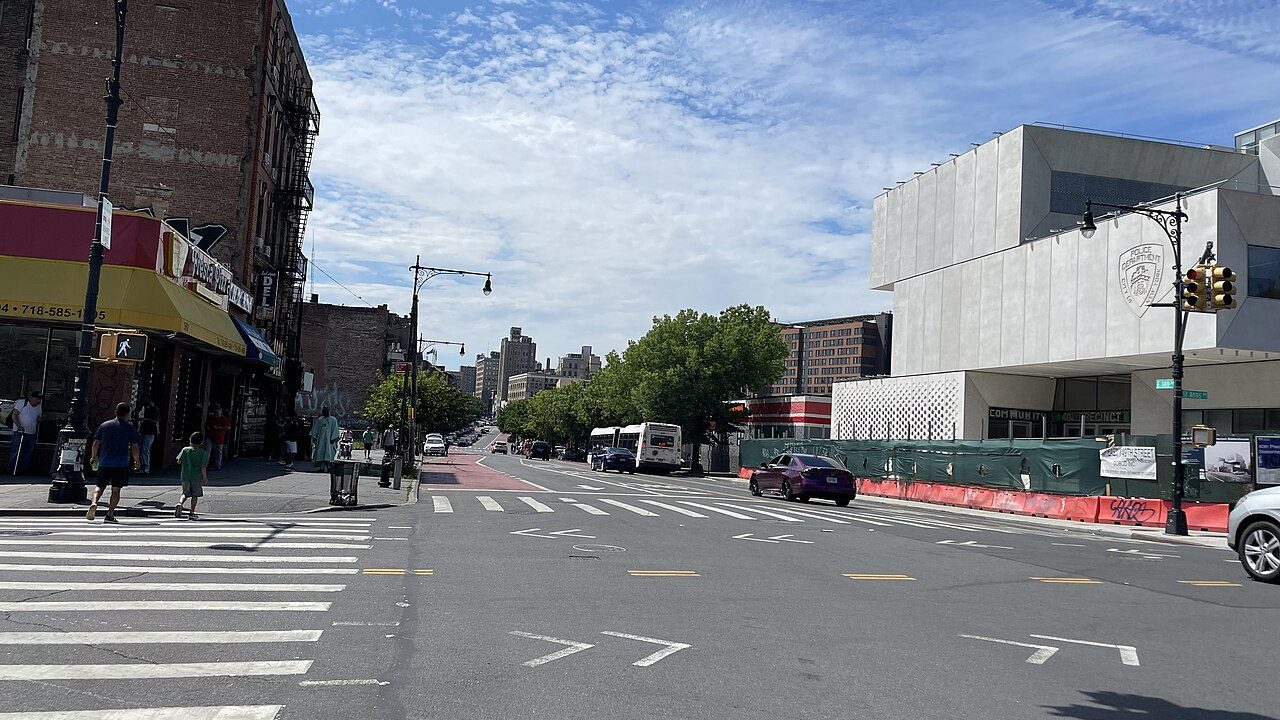
Hip-hop grew in the Bronx in the 1970s, from parties like the one we describe in Kool Herc, 1520 Sedgwick and the birth of hip-hop. As the culture spread, Afrika Bambaataa and the Zulu Nation used it to steer young people away from gangs and towards creativity, and Bambaataa grouped hip-hop's arts into four elements.
The Breaks notes that the four elements became a slogan in the early 1980s. Bambaataa himself later said, in the 2002 documentary The Freshest Kids, that there were far more than four: the way you walk, talk, look and communicate.
DJing
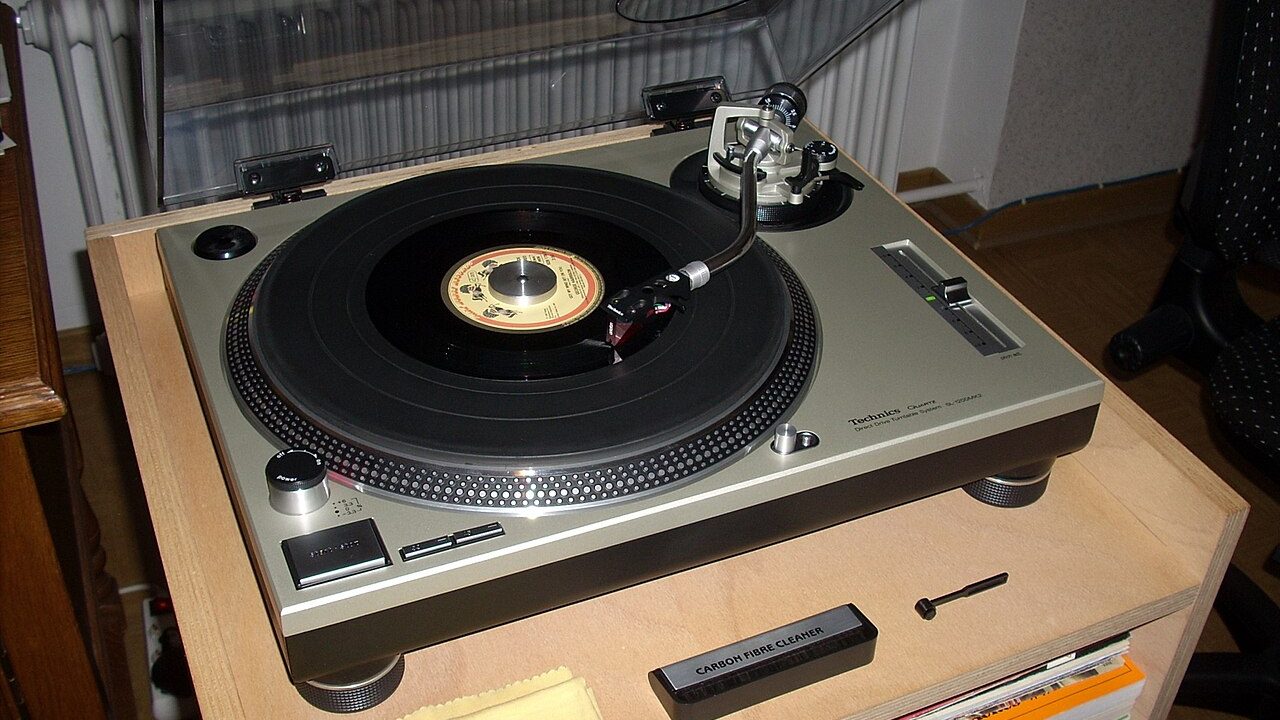
The DJ came first. Hip-hop began with DJs playing the breaks of funk and soul records, the instrumental passages where dancers went wild, and extending them with two turntables. Kool Herc, Grandmaster Flash and Bambaataa himself shaped the sound. DJing later grew into turntablism, scratching and beat production.
MCing
The MC, short for master of ceremonies, began by hyping the crowd over the DJ's breaks. Dictionary.com defines MCing as rhythmically rhyming while a DJ plays beats. Over time the MC became the rapper, and rap became the best-known part of hip-hop worldwide.
Breaking
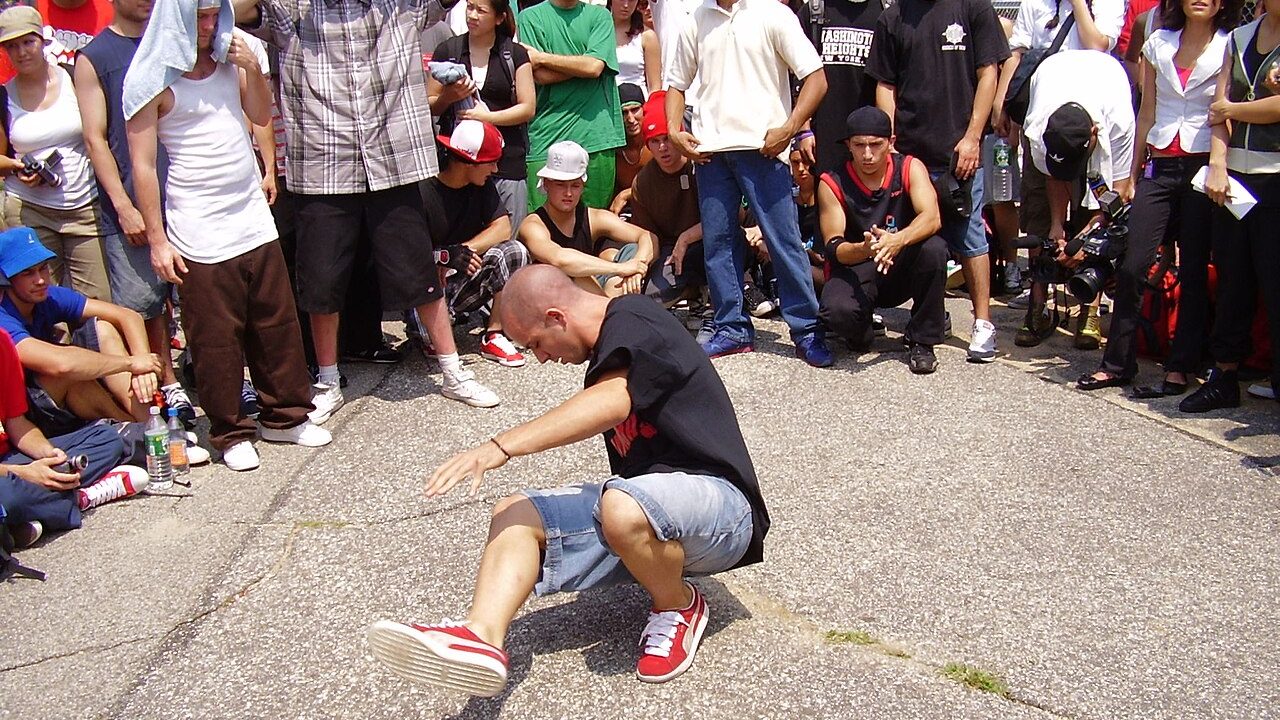
Breaking is hip-hop's dance element, danced by b-boys and b-girls to those extended breaks. It mixes toprock, footwork, power moves and freezes, and grew through crews such as the Rock Steady Crew. In 2024 it became an Olympic sport in Paris, a journey we follow in Breaking: from the Bronx to the Olympics.
Many other dances are linked to hip-hop culture, but breaking is the one usually named among the elements.
Graffiti
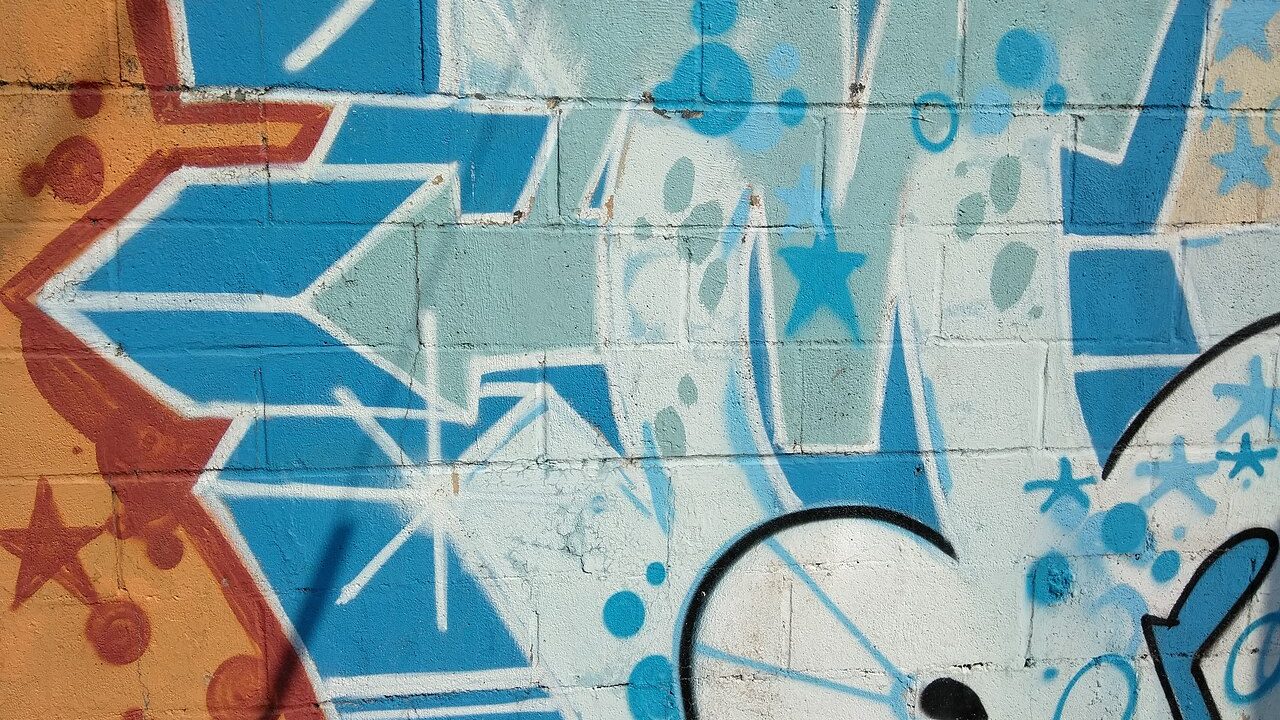
Graffiti writing is the visual element: names, letters and pieces on walls and subway trains. Writers built their own styles and reputations, just as dancers and MCs did.
Knowledge, the fifth element
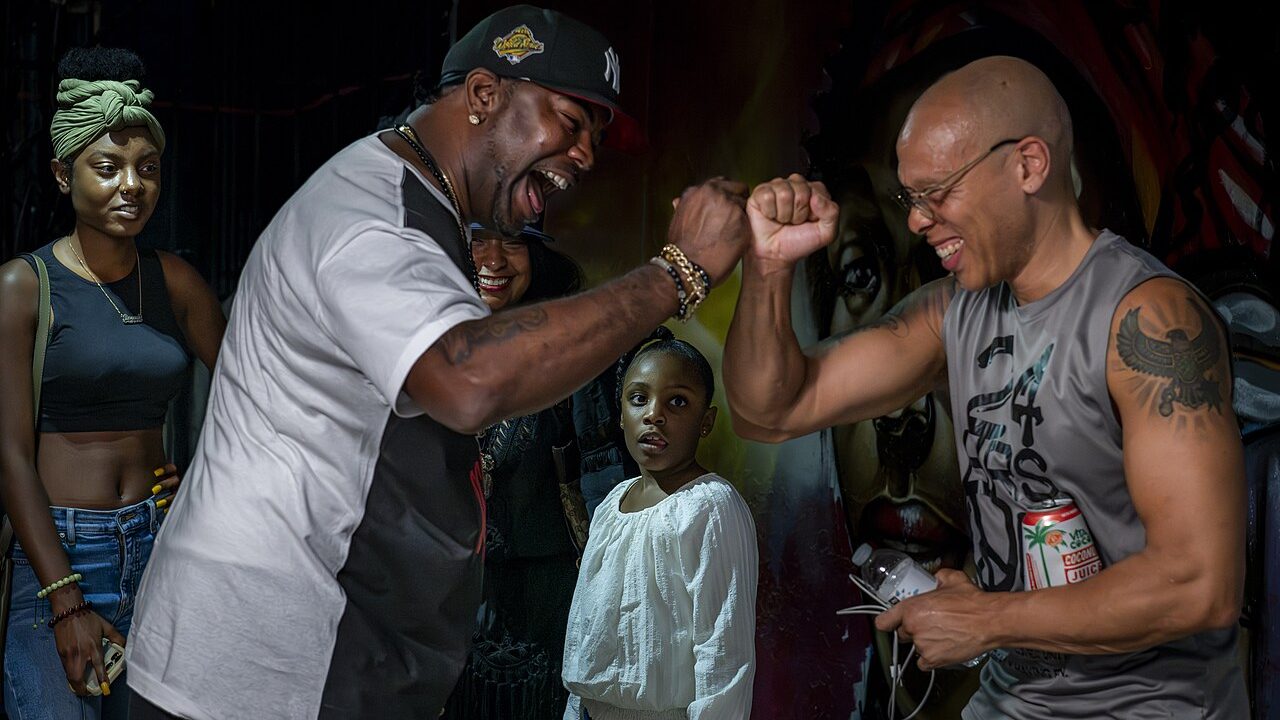
Dictionary.com credits the idea of knowledge as a fifth element to Afrika Bambaataa, who considers it the most important of all, the element that brings the others together. In The Cambridge Companion to Hip-Hop, the scholar Travis L. Gosa explains "knowledge of self" as a mix of spiritual and political consciousness meant to empower oppressed groups. Rock The Bells adds that KRS-One has done much to promote it.
For breakers, Red Bull notes, knowledge is valued so highly that it is always spoken of as the fifth element, linked to the principle "each one, teach one".
Other people propose different fifth elements, such as beatboxing or fashion. The list was never fixed, which suits a culture built on creativity.
Why dancers should care
Knowing the elements changes how you see a jam. The DJ is not just playing music, the MC is not just talking, and the walls around you may carry their own history. A dancer who understands the whole culture dances it with more respect, and usually better too.
FAQ
What are the four elements of hip-hop?
DJing, MCing (rapping), breaking (b-boying and b-girling) and graffiti writing.
What is the fifth element of hip-hop?
Most often knowledge, sometimes called knowledge of self: awareness of hip-hop's history and of social and political issues. Some people name other fifth elements, such as beatboxing or fashion.
Who came up with the elements of hip-hop?
The idea of four elements is usually credited to Afrika Bambaataa and the Universal Zulu Nation in the Bronx. He later added knowledge as a fifth.
Sources
- Dictionary.com, "The five elements of hip-hop, by definition"
- Rock The Bells, "Breaking down the 5 elements of hip-hop", 24 August 2021
- Travis L. Gosa, "The fifth element: knowledge", in The Cambridge Companion to Hip-Hop, Cambridge University Press
- Red Bull, "A breaker's POV on the ethos of hip-hop"
- The Breaks, "Hip hop" (on Bambaataa's later comments in The Freshest Kids, 2002)