Waacking is a dance born in the underground gay clubs of Los Angeles in the early 1970s, created largely by Black and Latino gay men. It was first called punking, after a slur used against gay men, which the dancers reclaimed. Its signature is fast, rotating arm movements above and around the head, sharp poses and big attitude, danced to disco and funk. Television's Soul Train carried it to the whole country, and today it is danced and battled worldwide.
Punking
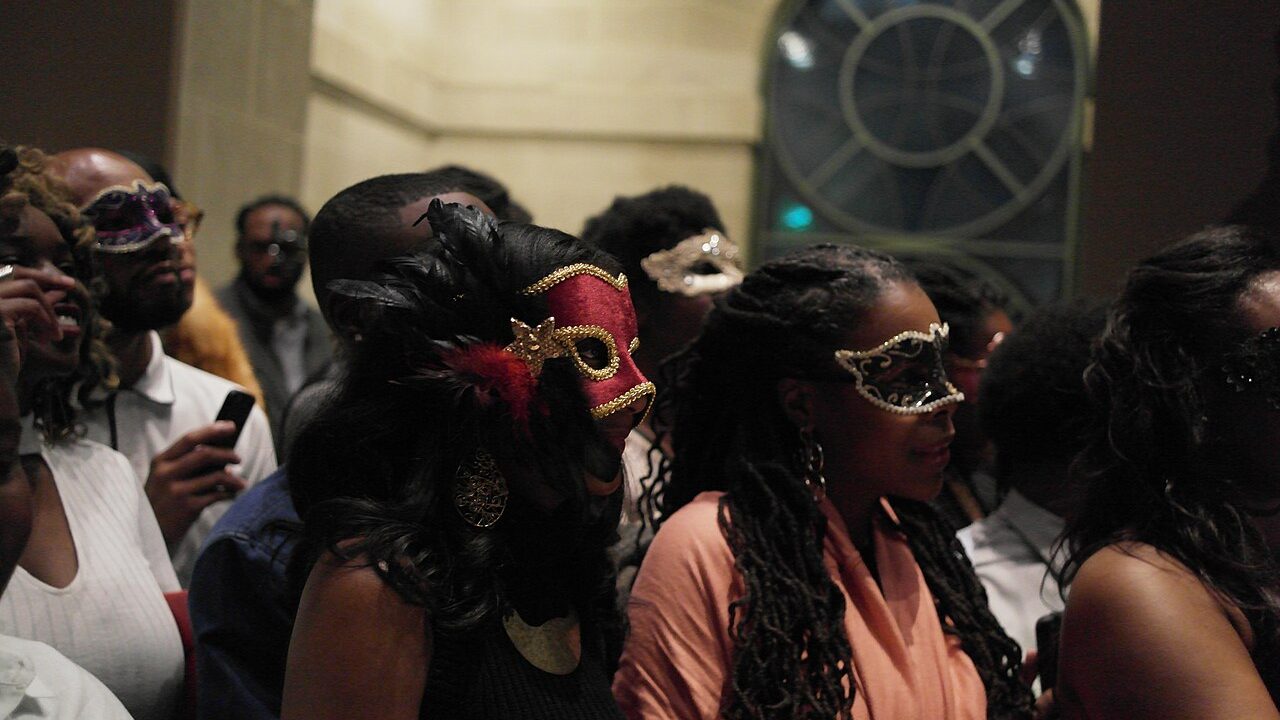
The clubs were refuges. As the gay community, particularly the Black gay community, looked for kinship in LA's underground scene, punking became a way to turn oppression into expression, as waacking teachers often put it. Clubs such as Gino's II in West Hollywood are named in the dance's origin story.
"Punk" was a derogatory term for gay men in the 1970s. Naming the dance after it was an act of pride. Over time, the style also became known as whacking, and later waacking.
Soul Train
Some of the original punkers danced on Soul Train, and the show took the style into homes across the United States. The best known is Tyrone "The Bone" Proctor (1953-2020), a regular on the show who is widely credited with popularising waacking. Legacy.com reports that in 1973 Don Cornelius chose him for the Soul Train Gang stadium tour.
Proctor was also part of the Outrageous Waack Dancers, a group that included Jeffrey Daniel and Jody Watley. ISTD credits him with adding the "g" to the word waacking.
The dance
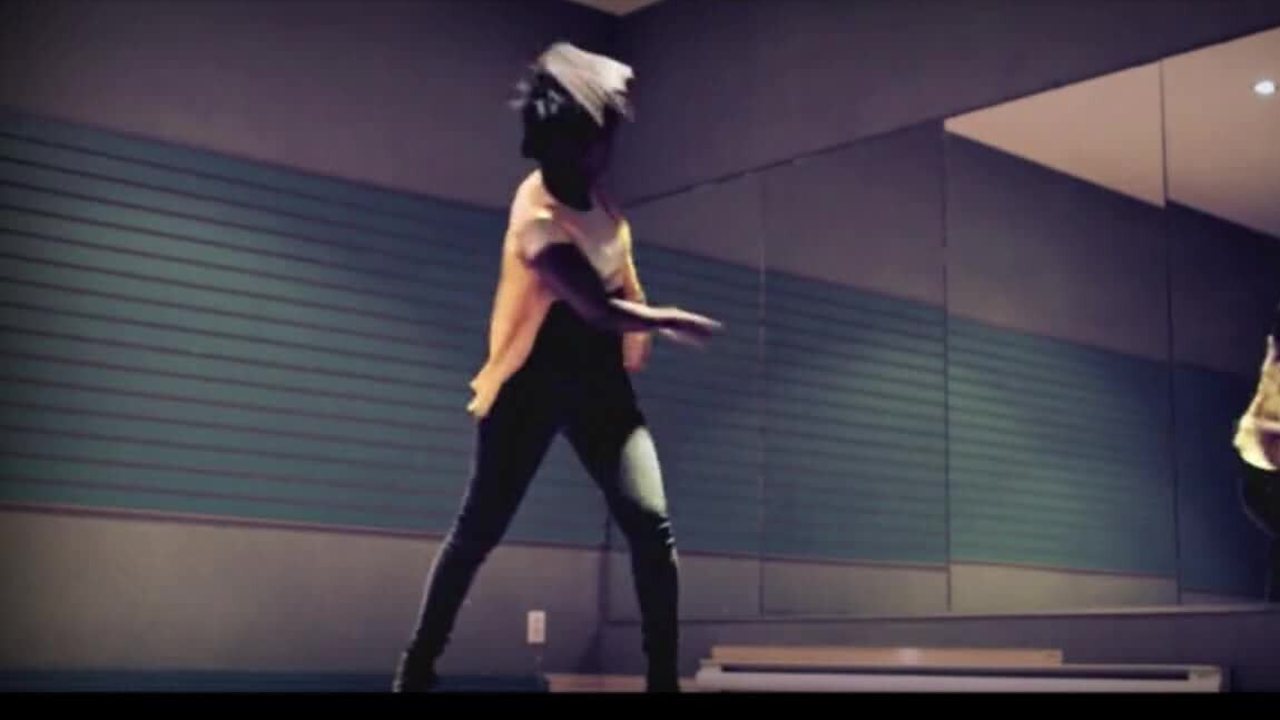
Waacking is built on the arms:
- waacks, fast rotations of the forearms over and behind the head
- poses, held for a beat like a model or a film star, in the spirit of the era's glamour
- arm lines and pointing, sharp and precise
- footwork and character, dancers often play a role, from diva to action hero
It is danced to the hits and breaks of 1970s disco, and musicality matters: the best waackers hit the strings, the vocals and the horns.
Decline and revival
Waacking nearly disappeared. Many of its originators died during the AIDS crisis of the 1980s and 1990s. Dance Australia notes that the dance had a resurgence in the early 2000s, when surviving pioneers such as Tyrone Proctor and Viktor Manoel, who danced for Grace Jones, began teaching again.
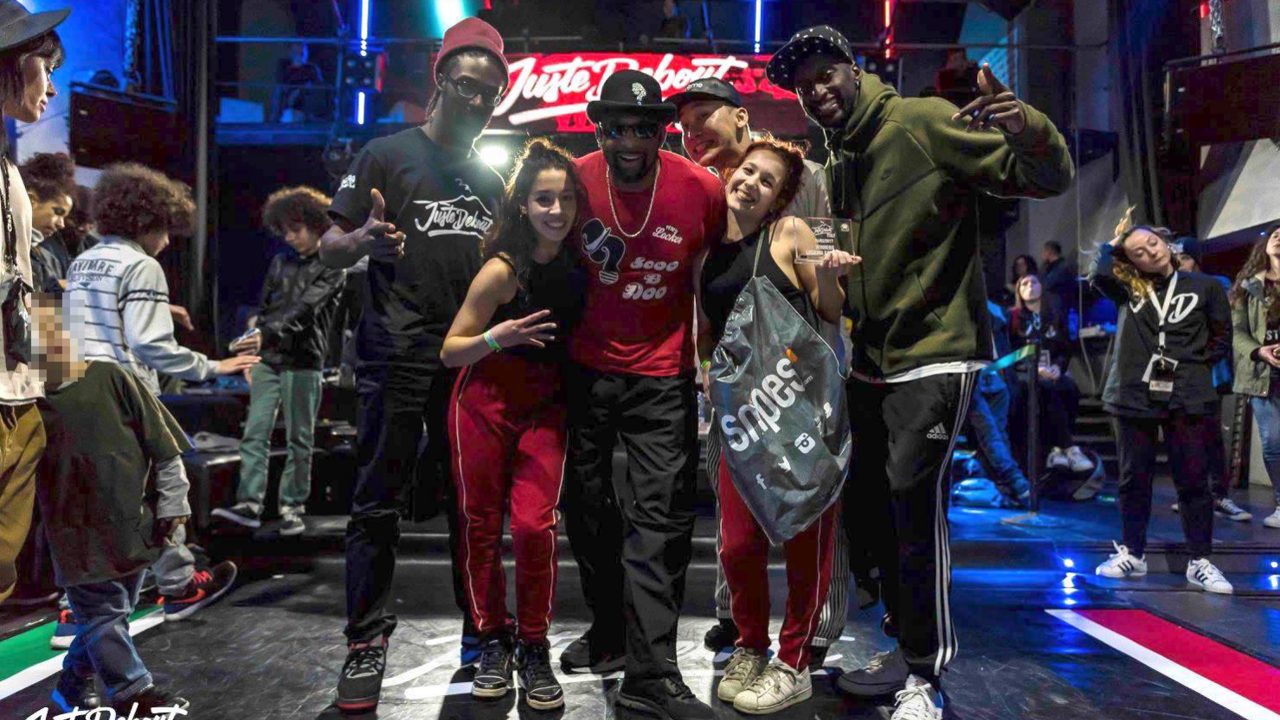
New generations took over. In 2022, the Los Angeles Times reported on artists preserving the history of punking, and teachers such as Princess Lockerooo, a student of Proctor, have taken waacking around the world and onto social media.
Waacking and heels
Waacking is a cousin of voguing: both come from queer communities of colour, both use the arms and the pose, but voguing grew in New York's ballroom scene and waacking in LA's disco clubs. Together they are two of the main sources of heels dance, and many heels choreographers train in both.
It also grew up next to locking, which shared the same city, the same television show and some of the same dancers.
FAQ
Where does waacking come from?
From the underground gay clubs of Los Angeles in the early 1970s, created largely by Black and Latino gay men. It was first called punking.
Why was it called punking?
'Punk' was a derogatory word for gay men at the time. The dancers reclaimed it as the name of their style.
What music is waacking danced to?
Mainly 1970s disco and funk, the music of the clubs where it was born.
Sources
- Legacy.com, "Tyrone Proctor (1953-2020), legendary 'Soul Train' dancer who pioneered waacking"
- The Philadelphia Inquirer, "Tyrone Proctor, 'Soul Train' dancer and innovator, dies at 66", June 2020
- ISTD, "The art of waacking"
- Los Angeles Times, Steven Vargas, "These artists are preserving the history of a dance style gay men created in '70s-era L.A.", 4 November 2022