Kompa was born in Port-au-Prince in 1955, when Nemours Jean-Baptiste launched compas direct. But from the 1970s, a large part of its story was written outside Haiti. Political repression under the Duvalier regimes and economic crisis pushed many Haitians to leave, musicians among them, and the music followed them to New York, Miami, Montreal and Paris. Bands formed or settled abroad, toured the diaspora and came back to Haiti with new sounds. Today the biggest kompa festival takes place in Miami, New York has an official Haitian Konpa Day, and Paris dances kompa in clubs and restaurants every week. For the basics of the music, start with What is kompa?.
Why kompa left Haiti
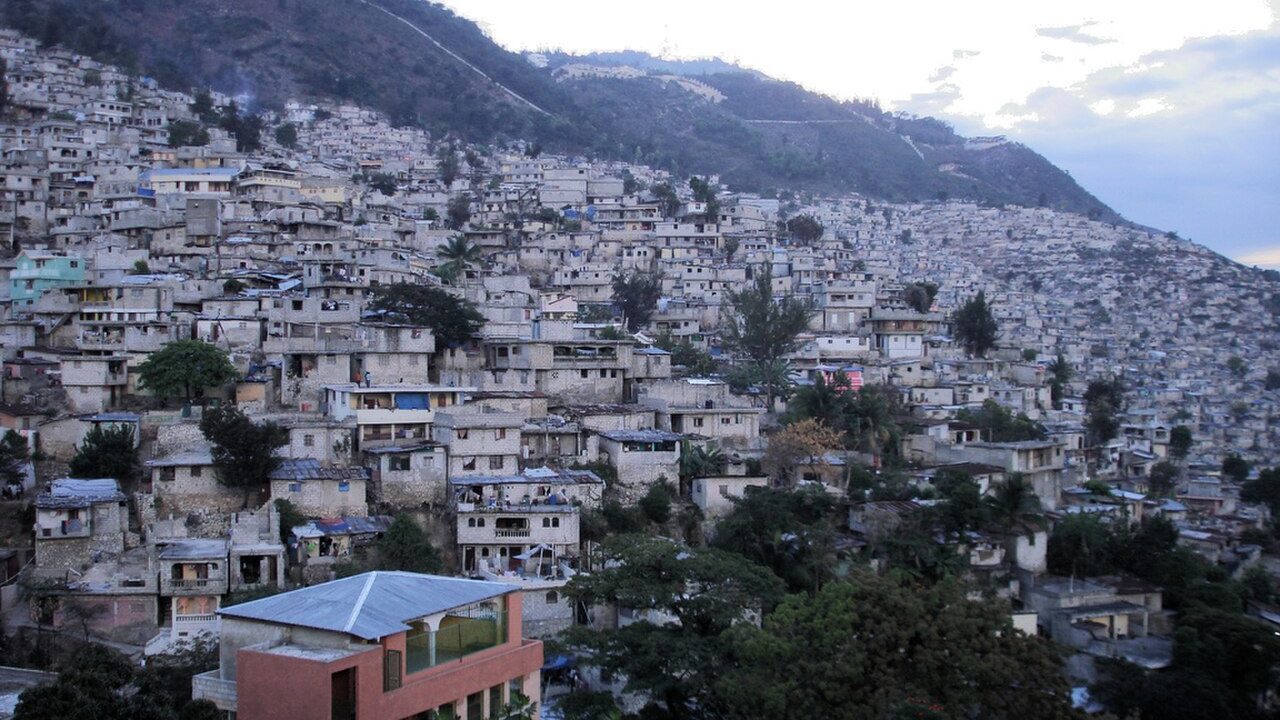
Kompa grew up alongside the Duvalier era. "Papa Doc" Duvalier came to power in 1957, and his son "Baby Doc" ruled until 1986. Florida International University's Commons for Justice project notes that these dictatorships accelerated Haitian emigration between the 1960s and the 1980s. Students, professionals and workers left, and so did musicians looking for work and freedom.
For a band, the diaspora was also a market. Haitian communities abroad wanted to hear their music at weddings, parties and dances, and they paid for it. By 1970, as we explain in Haiti's mini-jazz, groups such as Tabou Combo, Shleu-Shleu and Volo Volo de Boston were touring North American cities for Haitian audiences.
New York: where the bands settled
New York was the first big base. In 1970, the band Shleu-Shleu was hired to play at Casa Borinquen in New York and decided to stay. Tabou Combo, formed by teenagers in Pétion-Ville in 1968, moved to New York in 1971. Its song "New York City" became an international hit in 1974, and the band carried kompa from New York to Paris and West Africa. Its story is in Tabou Combo: the ambassadors of konpa.
The city still marks the music's birthday. On 4 December 2025, the New York City Council adopted a resolution declaring 26 July Haitian Konpa Day, the anniversary of the first performance of Nemours Jean-Baptiste's band in 1955. We explain the spelling debate and the UNESCO listing in Konpa or kompa?.
Miami: the diaspora's biggest stage
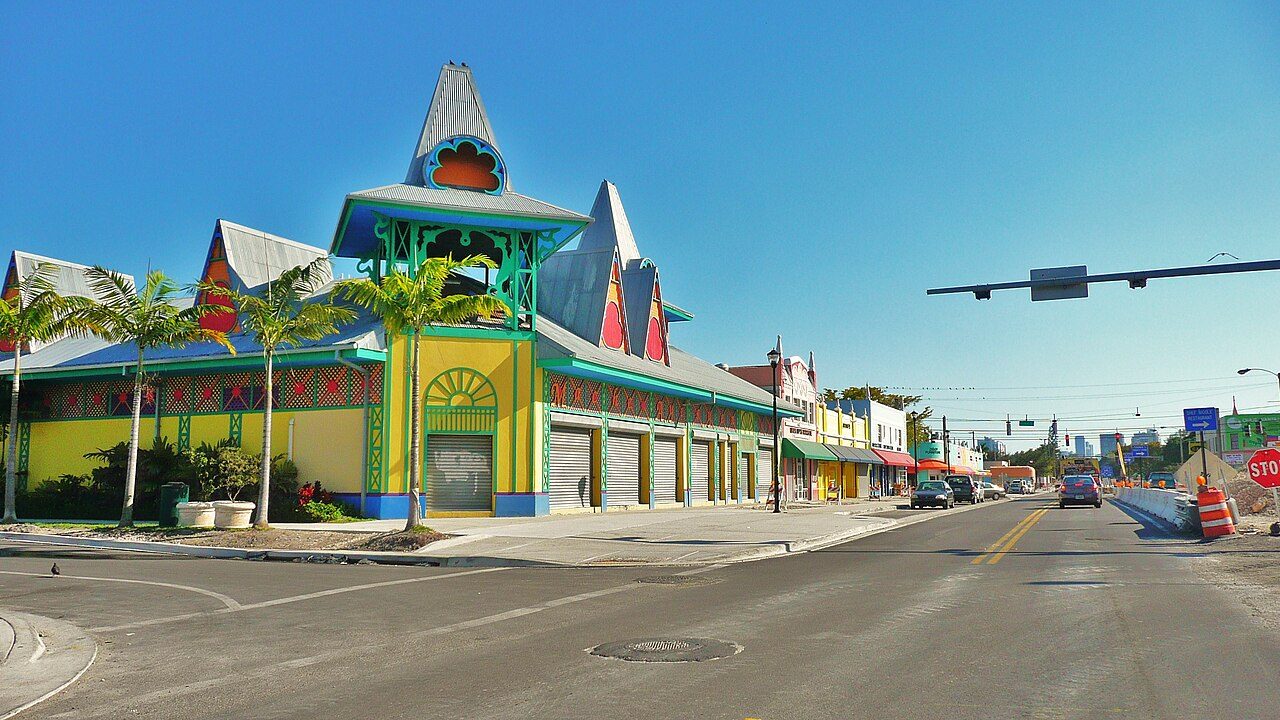
South Florida became the second capital. Haitians settled in the Miami neighbourhood that came to be called Little Haiti, and later in North Miami and nearby towns. On 24 June 1976, Magnum Band was founded in Miami, and it became one of the reference sounds of diaspora kompa.
Since the end of the 1990s, Miami has also hosted the Haitian Compas Festival, held every May around Haitian Flag Day on 18 May. It was founded by Rodney Noël and Jean Michel Cerenord to give the community a big public celebration of its music. Its 28th edition took place on 16 May 2026 at The NoMI Village in North Miami, with Klass, Kai, Vayb and T-Vice among the acts. The full story is in The Haitian Compas Festival.
Montreal: a francophone home
Montreal has a special place in the diaspora because it speaks French. The Canadian Encyclopedia traces a small Haitian student presence in the city back to the 1930s, which grew in the 1950s and became a large community from the late 1960s, when many arrived fleeing the Duvalier regime. The 2021 census counted 178,990 people of Haitian origin in Canada, slightly more than 87 per cent of them in Quebec. In 2001, Statistics Canada found that 83 per cent of Canada's Haitian community lived in Montreal.
That community supports a live scene. In an interview with Afropop Worldwide in November 2025, members of the Montreal band Baz Kompa described a large Haitian community still concentrated in the east of the city, with its businesses, gatherings and music, and estimated that some twenty kompa bands were active there. That figure is their own estimate, not an official count, but it gives an idea of how alive the music is in the city.
Paris: kompa meets the Antilles
In France, kompa found a different audience. Haitian bands had been popular in the French Antilles since the 1960s, where kompa fed the sound that became zouk, as we explain in Kompa vs zouk. In Paris and its suburbs, kompa lives alongside zouk, in the same parties, with the same dancers from Guadeloupe, Martinique, Haiti and beyond.
The city's own event listings show how regular it has become. Paris.fr's "Que faire à Paris" agenda lists weekly konpa classes in Haitian restaurants, retro zouk and konpa balls at Le 211 near the Parc de la Villette, gouyad nights, and a konpa party organised after Joé Dwet Filé's concert at the Accor Arena in December 2024. One organiser's listing describes kompa as booming in France, with French urban artists drawing on zouk and kompa from 2019. Much of the scene sits outside the ring road, in the Île-de-France suburbs.
What the diaspora gave back
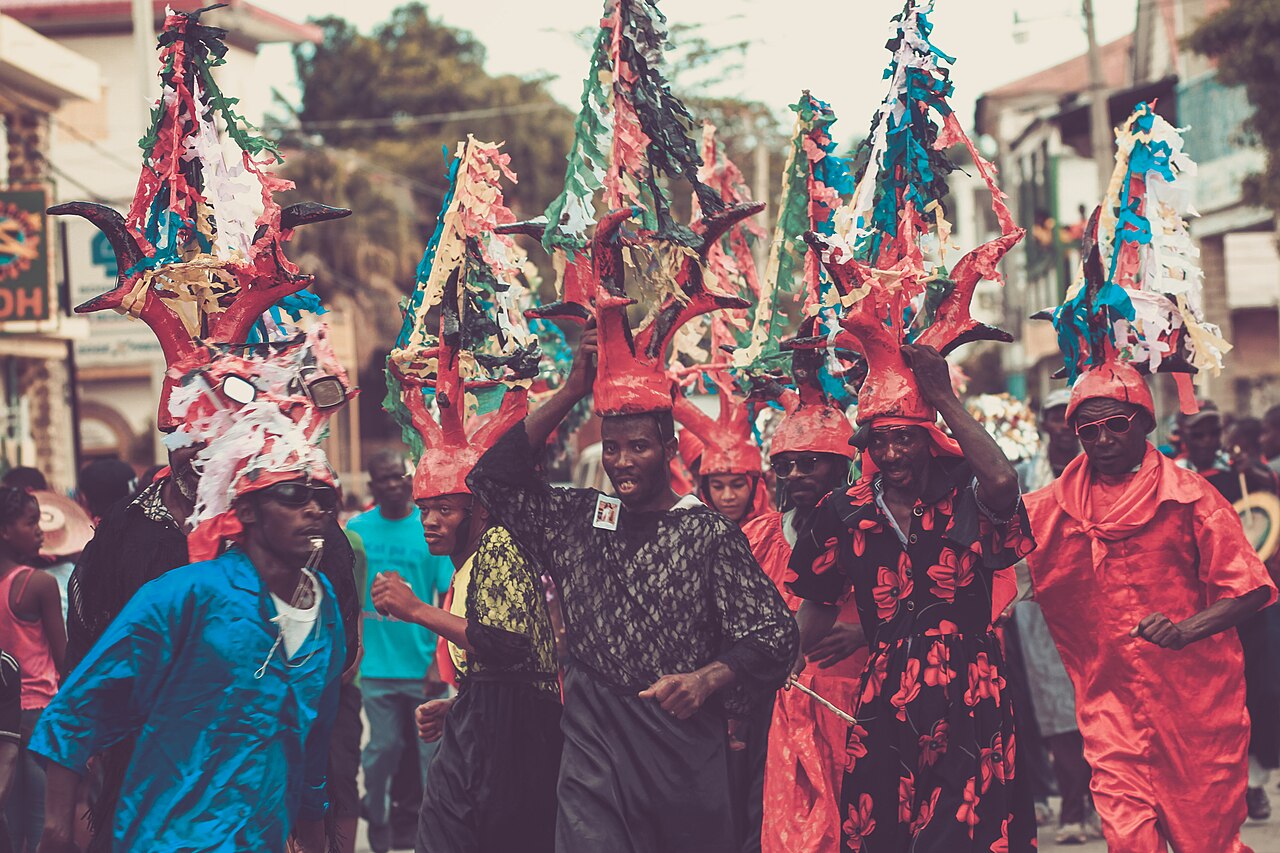
The diaspora did more than preserve kompa. Bands in New York and Miami recorded, toured and experimented, and their sound travelled back to Haiti. Later generations mixed kompa with R&B, hip-hop and zouk, and the slower, closer gouyad became a dance of its own on diaspora floors. The newer bands are profiled in Kompa: the new generation.
For dancers, the lesson is simple: wherever you learn kompa, you are learning a Haitian dance that travelled with its people. If you want to start, read How to dance kompa.
FAQ
Why did kompa spread to the diaspora?
Political repression under the Duvalier regimes and economic crisis pushed many Haitians, musicians included, to leave the country from the 1960s to the 1980s. Kompa followed them to New York, Miami, Montreal and Paris.
Which kompa bands were formed or based abroad?
Shleu-Shleu stayed in New York after a 1970 engagement, Tabou Combo moved to New York in 1971, and Magnum Band was founded in Miami on 24 June 1976.
What is the biggest kompa event in the diaspora?
The Haitian Compas Festival in Miami, held every May around Haitian Flag Day. Its 28th edition took place in North Miami on 16 May 2026.
How big is the Haitian community in Montreal?
The 2021 Canadian census counted 178,990 people of Haitian origin in Canada, about 87 per cent of them in Quebec, most in the Montreal area.
Sources
- #DANCE, "What is kompa?", "Haiti's mini-jazz", "Tabou Combo", "Konpa or kompa?" and "The Haitian Compas Festival", with their own sources
- The Canadian Encyclopedia, "Haitian Canadians" (2021 census figures), consulted November 2026
- Statistics Canada, "The Haitian Community in Canada", profile based on the 2001 census
- Afropop Worldwide, "Baz Kompa: a big sound from Haitian Montreal", 24 November 2025
- WXPN, "The birth of konpa" (first performance on 26 July 1955)
- FIU, Commons for Justice, "Little Haiti"
- Paris.fr, "Que faire à Paris" event listings for konpa classes and nights, 2024 to 2026