Kompa, spelled konpa in Haitian Creole, is the popular dance music of Haiti. It was launched in Port-au-Prince on 26 July 1955 by the saxophonist and bandleader Nemours Jean-Baptiste, and it is danced in couples, close and smooth, with a characteristic rolling of the hips. In December 2025 UNESCO inscribed "The Compas of Haiti" as intangible cultural heritage.
A date and a place
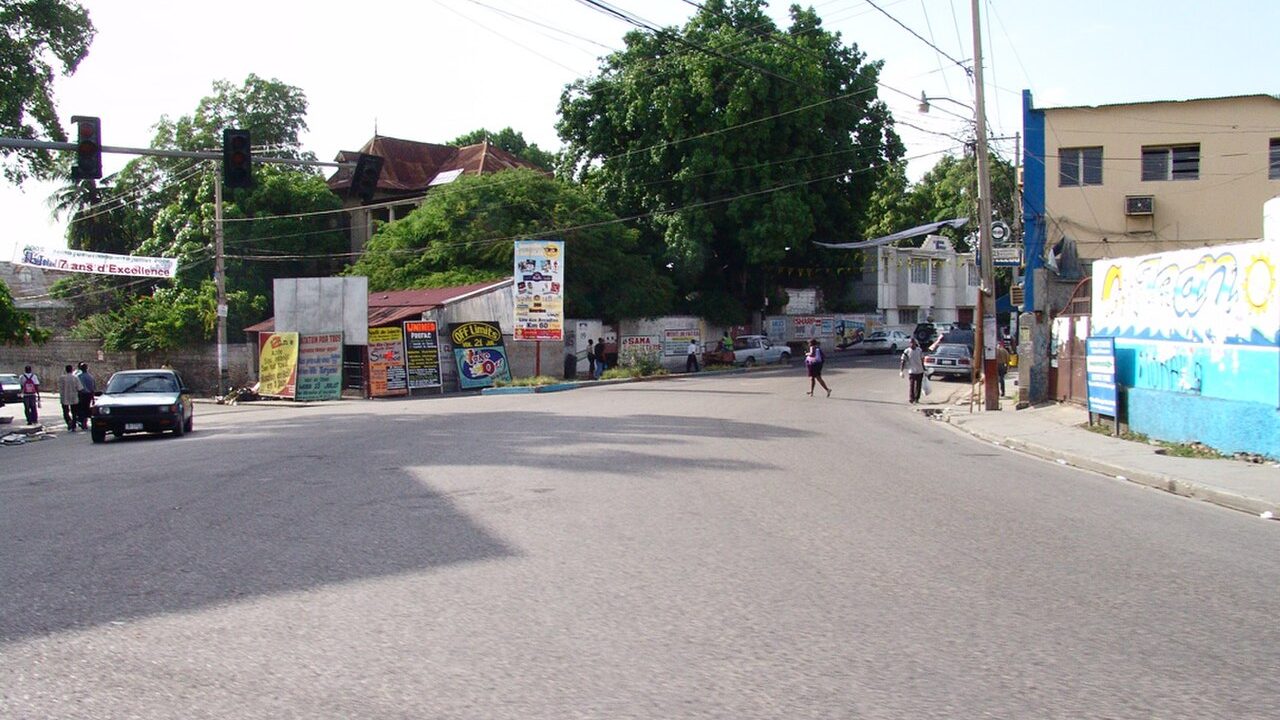
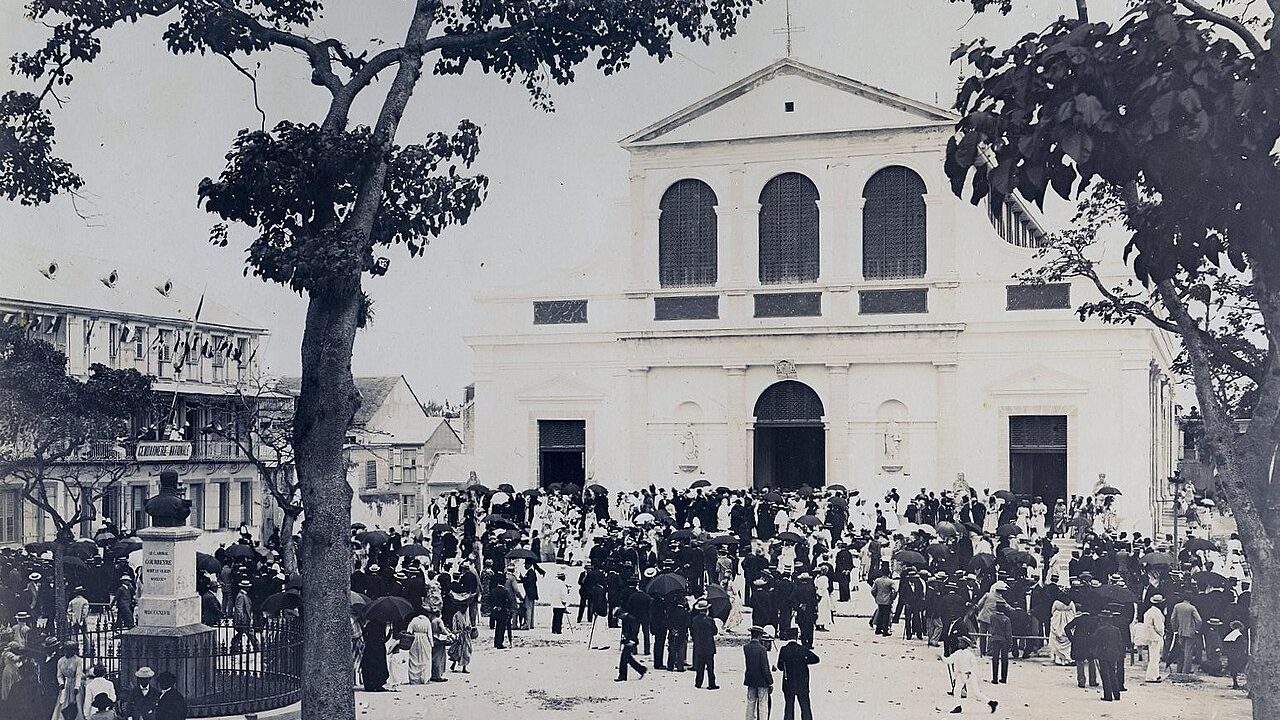
Few genres can name their birthday. Kompa can: 26 July 1955, near the Sainte-Anne church in Port-au-Prince, where Nemours Jean-Baptiste's band introduced the new rhythm. The name compas-direct is credited to Raymond Gaspard.
Nemours had played with the group Aux Calebasses before leading the Ensemble Nemours Jean-Baptiste, later the Super Ensemble from 1963. His sound took the energy of Dominican merengue and earlier Haitian forms and turned it into something steadier and easier to dance for a whole night.
A rivalry that built a genre
Kompa grew through competition. In the early 1960s, Webert Sicot, who had played with Nemours, left to lead his own band and promoted a rival style called cadence rampa. The two camps fought for audiences, radio play and carnival crowds.
That rivalry mattered beyond Haiti. Sicot's cadence travelled to the French Caribbean, where it fed the cadence of Guadeloupe and Martinique and, later, the zouk of groups like Kassav'. We tell the full story in Who Invented Kompa?.
Mini-jazz, Tabou Combo and the diaspora
From the mid-1960s, kompa was reshaped by mini-jazz groups: smaller bands with electric guitars, drums and a horn or two, more nimble than the big ensembles. Nemours himself renamed the band Shleu-Shleu "Mini Jazz".
Two bands carried kompa across borders. Tabou Combo, formed in 1968 in Pétion-Ville, scored an international hit with "New York City" in 1974. Magnum Band, founded on 24 June 1976 in Miami, became a reference for the diaspora sound. Political repression and economic crisis pushed many Haitian musicians abroad, and kompa followed them to New York, Miami, Montreal and Paris.
Gouyad: a movement, not a genre
You will often see "gouyad" listed as a separate style. In Haitian usage, gouyad names the rolling hip movement in kompa dancing and, by extension, the slower and more sensual side of the music. It is not a distinct genre. Treating it as one is a common mistake on the international dance circuit.
How kompa is danced
Kompa is a close partner dance. Couples hold each other near, with small steps and a constant, relaxed sway, the hips doing much of the talking. It is less about figures than about keeping a shared groove for a long time, which is why it has always been a party dance first.
There is no reliable tempo figure for kompa, and we do not publish one.
UNESCO recognition
Haiti entered kompa in its national register on 21 October 2019 and submitted the UNESCO dossier on 26 March 2024. "The Compas of Haiti", file 02273, was inscribed at the 20th session of the committee in New Delhi in December 2025, and the Haitian government announced the news on 10 December 2025.
For a country often described only through crisis, the inscription recognised something Haitians have long known: kompa is one of the Caribbean's great popular musics, and it is theirs.
FAQ
Is it kompa, konpa or compas?
All three spellings are used. Konpa is the standard Haitian Creole spelling. Compas and kompa are common internationally. "Compas Direct" is a name registered by Nemours Jean-Baptiste's heirs.
Is gouyad a separate genre?
No. In Haitian usage, gouyad names the hip movement in kompa dancing and, by extension, the slower, more sensual side of the music. It is not a distinct genre.
Is kompa on the UNESCO list?
Yes. "The Compas of Haiti" (file 02273) was inscribed on UNESCO's list of intangible cultural heritage at the 20th session of the committee in New Delhi in December 2025.
Sources
- UNESCO Intangible Cultural Heritage, The Compas of Haiti, file 02273 (2025)
- Government of Haiti, press release of 10 December 2025