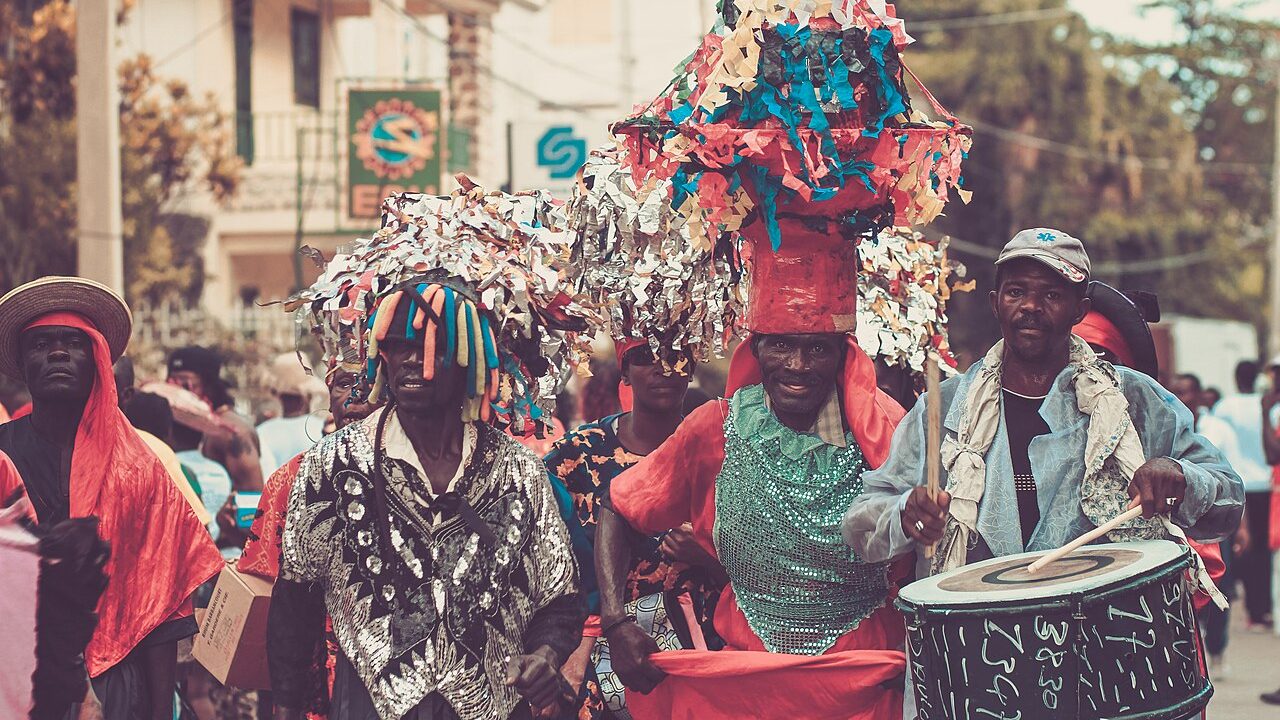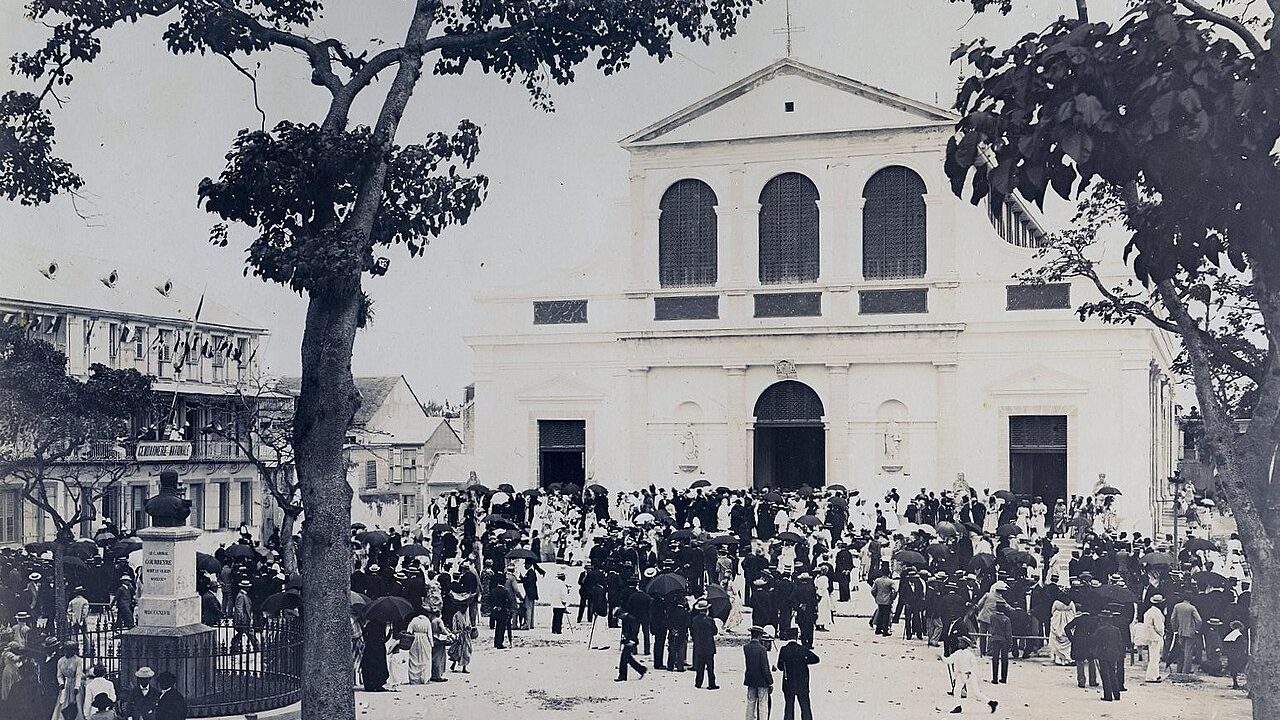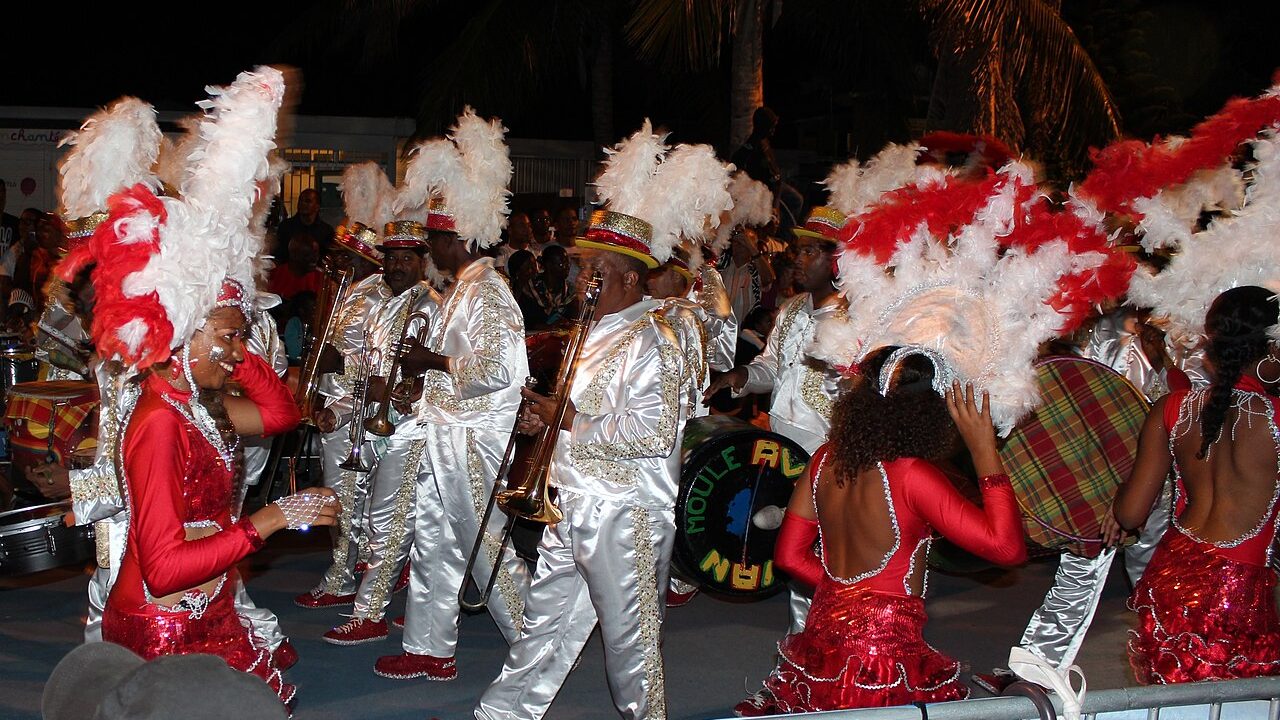
Kompa and zouk are two Caribbean dance musics that share dance floors, rhythms and many fans, but they come from different places and different times. Kompa is Haitian, created in the 1950s by Nemours Jean-Baptiste. Zouk comes from Guadeloupe and Martinique, the French Antilles, and was popularised by Kassav' in the 1980s. Zouk grew partly in kompa's shadow, then influenced it in return. Here is how they differ.
Kompa first
Kompa, or konpa, was born in Port-au-Prince in the mid-1950s, when Nemours Jean-Baptiste's band created a new, steady dance groove from Haitian méringue. We tell that story in Who Invented Kompa?.
Its influences are debated. Yves Joseph, a founder of Tabou Combo, told Bandcamp Daily that, although some friends would disagree, konpa is in his view a slow version of the Dominican merengue that reached Haiti.
From the 1960s, Haitian bands toured the Caribbean, and their music became hugely popular in the French Antilles.
Then zouk
In Guadeloupe and Martinique, musicians absorbed kompa into earlier French Caribbean forms, including the cadence it had influenced. In the late 1970s and 1980s, the band Kassav' combined those roots with synthesisers and studio production to create zouk, a word usually translated as "party". Our story of the band is in Kassav' and Zouk.
Bandcamp Daily notes that by the 1980s zouk had become so popular that it overtook konpa in Haiti itself, and Haitian musicians started incorporating it into their own styles.
How they sound
| Kompa | Zouk | |
|---|---|---|
| Origin | Haiti, 1950s | Guadeloupe and Martinique, 1980s |
| Key name | Nemours Jean-Baptiste | Kassav' |
| Rhythm | Steady, rolling groove led by drums and guitar | Fast and percussive (zouk béton) or slow and romantic (zouk love) |
| Language | Mostly Haitian Creole | Mostly Antillean Creole |
Kompa is usually built around a steady, mid-tempo groove, with guitars and a distinctive drum pattern. Zouk has two faces: the fast, festive sound of early Kassav', and the slower zouk love, whose romantic tone travelled to Angola and fed kizomba.
How they are danced
Both are danced in couples, close, with small steps and a gentle hip movement. A Haitian-American student writing for the University of Illinois Chicago described kompa as danced in pairs, with closeness and holding hands at its heart. The slow, intimate side of kompa is called gouyad.
In practice, many dancers move between kompa and slow zouk on the same night without changing much.
A family
Kompa and zouk are best seen as cousins in a Caribbean family that also includes cadence and, further away, kizomba. Knowing which is which helps you ask the DJ for the right song, and respect where each one comes from.
FAQ
What is the difference between kompa and zouk?
Kompa is Haitian dance music created in the 1950s. Zouk is a French Antillean music from Guadeloupe and Martinique, popularised by Kassav' in the 1980s. Zouk drew on kompa, and later influenced it in return.
Which came first, kompa or zouk?
Kompa, by about three decades. Haitian bands were already popular in the French Antilles before zouk emerged.
Can you dance kompa to zouk music?
Often, yes. Both are usually danced as close couple dances with small steps, and many dancers move between them.
Sources
- Bandcamp Daily, "A Guide to French Caribbean Popular Music"
- University of Illinois Chicago, "French Peer Tutor Ketura writes about Konpa", 15 March 2023
- Wikipedia, "Compas", consulted November 2026