Kompa was launched by the Haitian saxophonist and bandleader Nemours Jean-Baptiste in Port-au-Prince on 26 July 1955. The name compas-direct is credited to Raymond Gaspard. But the genre's growth came from a rivalry: in the early 1960s, Webert Sicot, who had played in Nemours's circle, launched a competing style, and the competition between the two shaped Haitian music and, through it, the music of the French Caribbean.
Nemours Jean-Baptiste
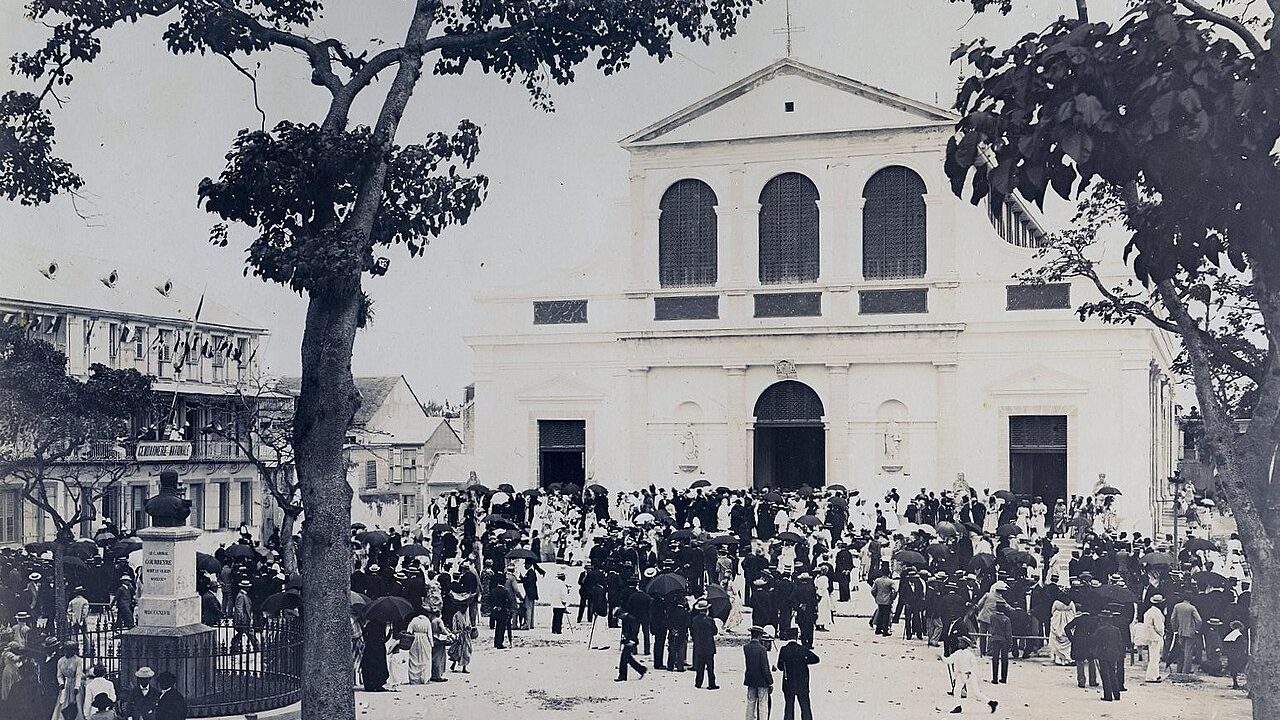
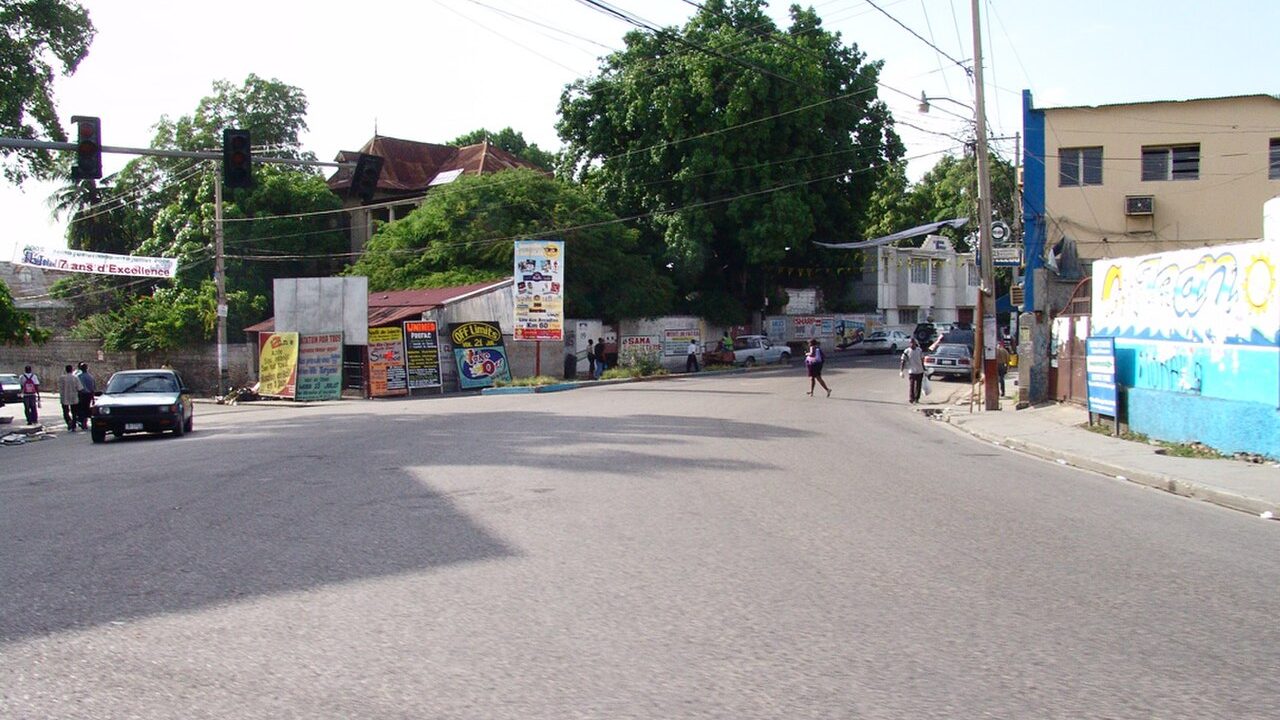
Nemours played with the group Aux Calebasses before leading the Ensemble Nemours Jean-Baptiste, which became the Super Ensemble in 1963. On 26 July 1955, near the Sainte-Anne church in Port-au-Prince, his band introduced the new rhythm. Few popular genres can name a day and a place so precisely.
His sound was steady, smooth and built for dancing all night, which is why kompa became the soundtrack of Haitian social life. Today, "Compas Direct" is a name registered by his heirs.
Webert Sicot and cadence rampa
In the early 1960s, Webert Sicot left to lead his own band and promoted a rival style he called cadence rampa. The two camps competed for audiences, radio play and, above all, carnival crowds, where bands proved their popularity in public.
Rivalry is often told as a feud. In music, it is also an engine. Each side pushed the other to innovate, and Haitian dance music flourished as a result.
How the rivalry crossed the sea
Sicot's cadence travelled. It reached Guadeloupe and Martinique, where it fed the local cadence scene. A generation later, French Caribbean musicians built zouk on that foundation, and Kassav' carried zouk to the world, including to Cape Verde and Angola, where it helped give birth to kizomba.
So a rivalry in 1960s Port-au-Prince sits somewhere in the family tree of the kizomba you dance today.
Mini-jazz and a new generation
From the mid-1960s, smaller groups called mini-jazz reshaped kompa with electric guitars and compact line-ups. Nemours himself is credited with renaming the band Shleu-Shleu "Mini Jazz". Then came Tabou Combo, formed in 1968 in Pétion-Ville, and Magnum Band, founded in Miami in 1976, who carried kompa through the diaspora.
Recognition
In December 2025, "The Compas of Haiti" (file 02273) was inscribed on UNESCO's list of intangible cultural heritage at the committee's session in New Delhi. The Haitian government announced it on 10 December 2025. For the full overview of the genre, read What Is Kompa?.
One inventor, many builders
Nemours Jean-Baptiste deserves the title of kompa's creator more clearly than most "inventors" in popular music: the date, the place and the band are documented. But kompa became what it is through Sicot's challenge, the mini-jazz generation and the diaspora bands that followed. The story of kompa is the story of a beginning and a long argument, and both made the music.
FAQ
Who invented kompa?
The saxophonist Nemours Jean-Baptiste launched kompa in Port-au-Prince on 26 July 1955. The name compas-direct is credited to Raymond Gaspard.
What was cadence rampa?
The rival style promoted by Webert Sicot after he left Nemours's circle in the early 1960s. It travelled to the French Caribbean and fed the cadence of Guadeloupe and Martinique, and later zouk.
Who owns the name Compas Direct?
"Compas Direct" is a name registered by the heirs of Nemours Jean-Baptiste.
Sources
- UNESCO Intangible Cultural Heritage, The Compas of Haiti, file 02273 (2025)
- Government of Haiti, press release of 10 December 2025