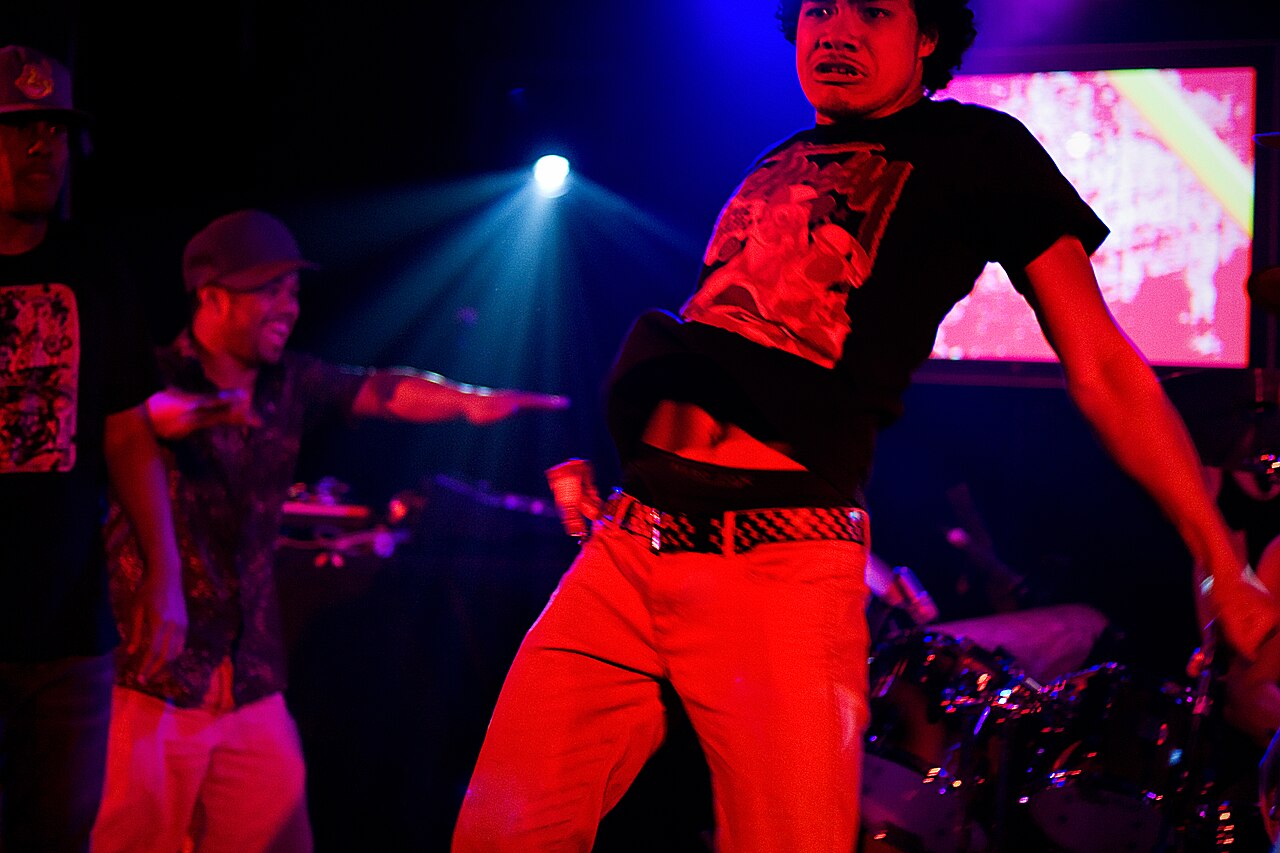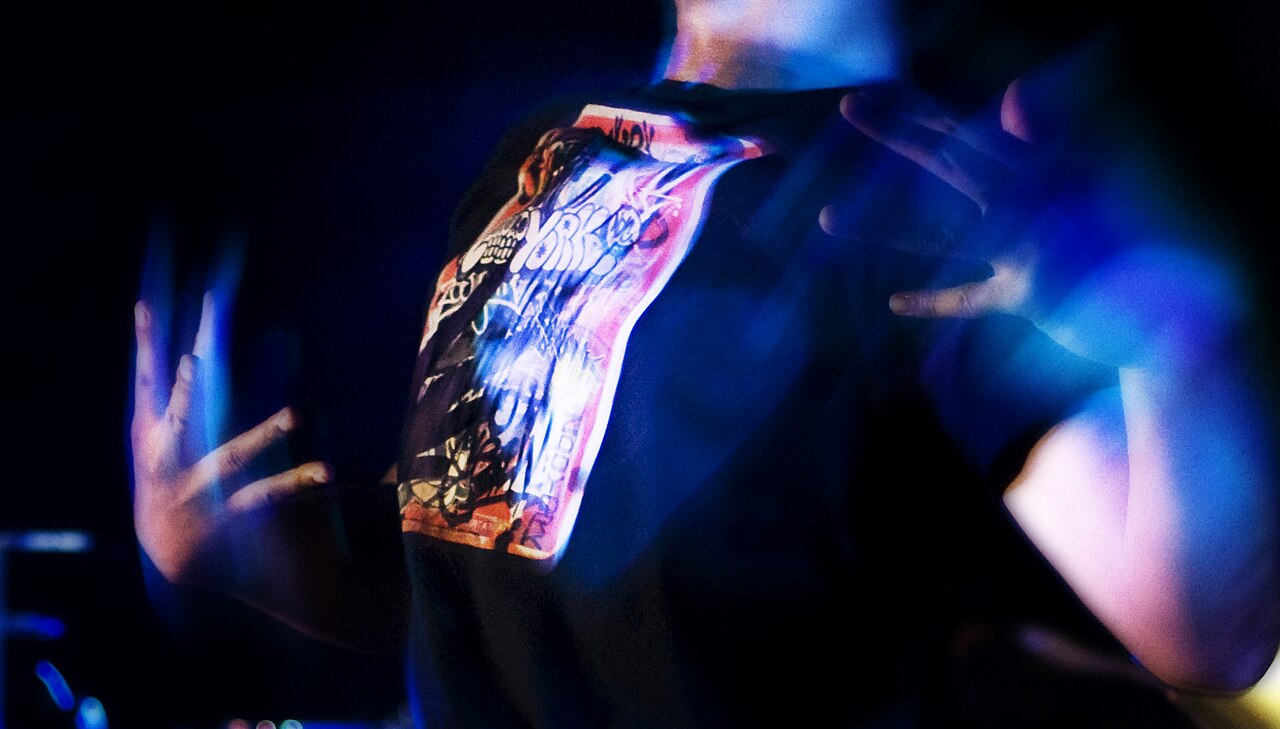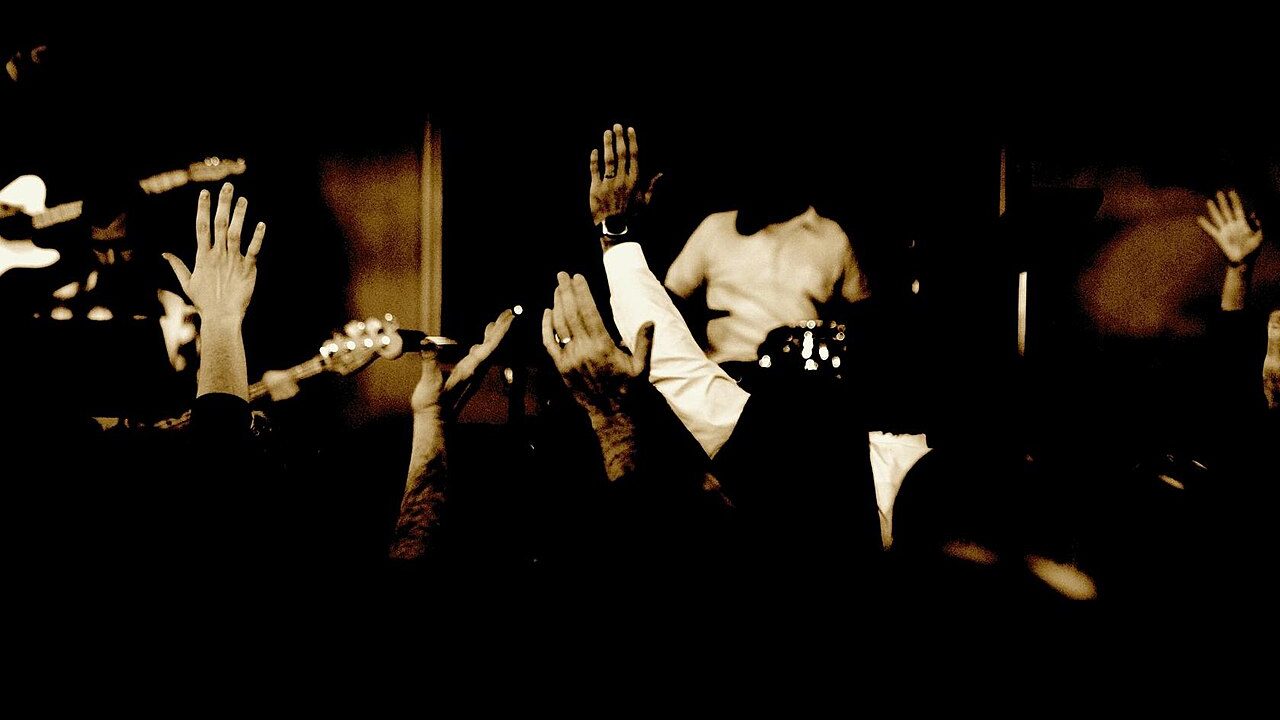
Krump looks like rage: stomps, chest pops, arms thrown like punches. Yet many krumpers describe what they do as praise. Faith has been part of krump's story from the beginning, through the pioneers who spoke about God, the praise krump danced in churches and crews that used the dance to keep teenagers in school and in church. The famous acronym "Kingdom Radically Uplifted Mighty Praise" came later, but the spiritual side is real.
First, the acronym
KRUMP is often spelled out as Kingdom Radically Uplifted Mighty Praise. It is a backronym: the word was in use before the phrase was attached to it. Saying so matters, because if the acronym is the only evidence, it is easy to conclude that the religious side was invented afterwards. It was not. The acronym simply put into words what many dancers already felt.
Anger turned into something else
Krump grew in South Central Los Angeles in the late 1990s and early 2000s, among young dancers who came out of Tommy the Clown's clowning scene. Talking to PBS, Miss Prissy, one of its originators, described krump as built from aggression and trauma: people tired of fighting with their fists who transferred that energy into dance.
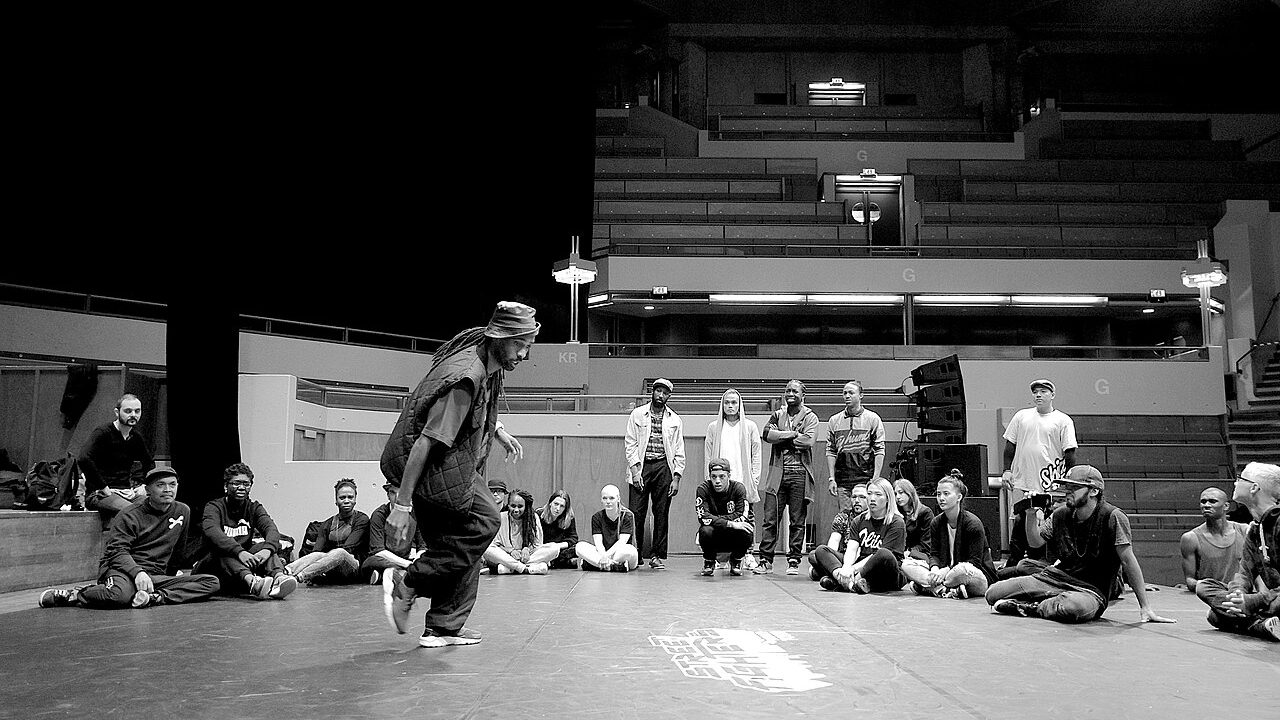
For many krumpers, that release has a spiritual dimension. A session can feel like a congregation, with the crowd lifting the dancer in the middle. Dancers talk about being taken over, about something bigger than themselves moving through them. The history and pioneers of the dance are in What Is Krump?.
Krump in church
In 2009, Religion News Service visited a krump crew in Chesapeake, Virginia, called the Kreative Mindz Crew, whose aim was to keep kids off the street and in church. One of its dancers, 17-year-old Demetrus Leslie, described the moment of greatest speed as the moment "when God takes over". A 15-year-old member summed it up: for them, krump was giving the glory to God.
The article noted how radical the style was compared to the liturgical and praise dance usually found in churches.
That is praise krump: the dance set to gospel and religious music, performed in services and church events.
The fair objection
Krump is not a church. It has never required belief, many of its dancers are not religious, and a living culture has the right to change. In many scenes outside the United States, krump travelled as technique and attitude, with little of its spiritual vocabulary.
The point is narrower. If you do not know that, for many of its creators, krump was also prayer, you can misread what you are watching. The rage is real, but so is the release, and the two belong together.
For dancers
You do not need to share anyone's faith to krump. But knowing where its words and its intensity come from will make you a better guest in the session. Start with the foundations in our krump glossary, and read the story of Miss Prissy, the "Queen of Krump".
FAQ
Is krump a Christian dance?
Not officially. Krump has no religious requirement, and many krumpers are not believers. But faith has been important to many of its pioneers and crews, and praise krump sets the dance to religious music.
Does KRUMP stand for Kingdom Radically Uplifted Mighty Praise?
That phrase is a backronym, created after the word was already in use. It reflects how many krumpers see the dance, but it is not where the word comes from.
What is praise krump?
Krump danced to religious music, often in church settings, as a form of worship.
Sources
- Religion News Service, via Beliefnet, "Krumping gives movement to the faithful", May 2009
- Wikipedia, "Krumping", consulted November 2026
- PBS, "How This West Coast Dance Style Took Over America"