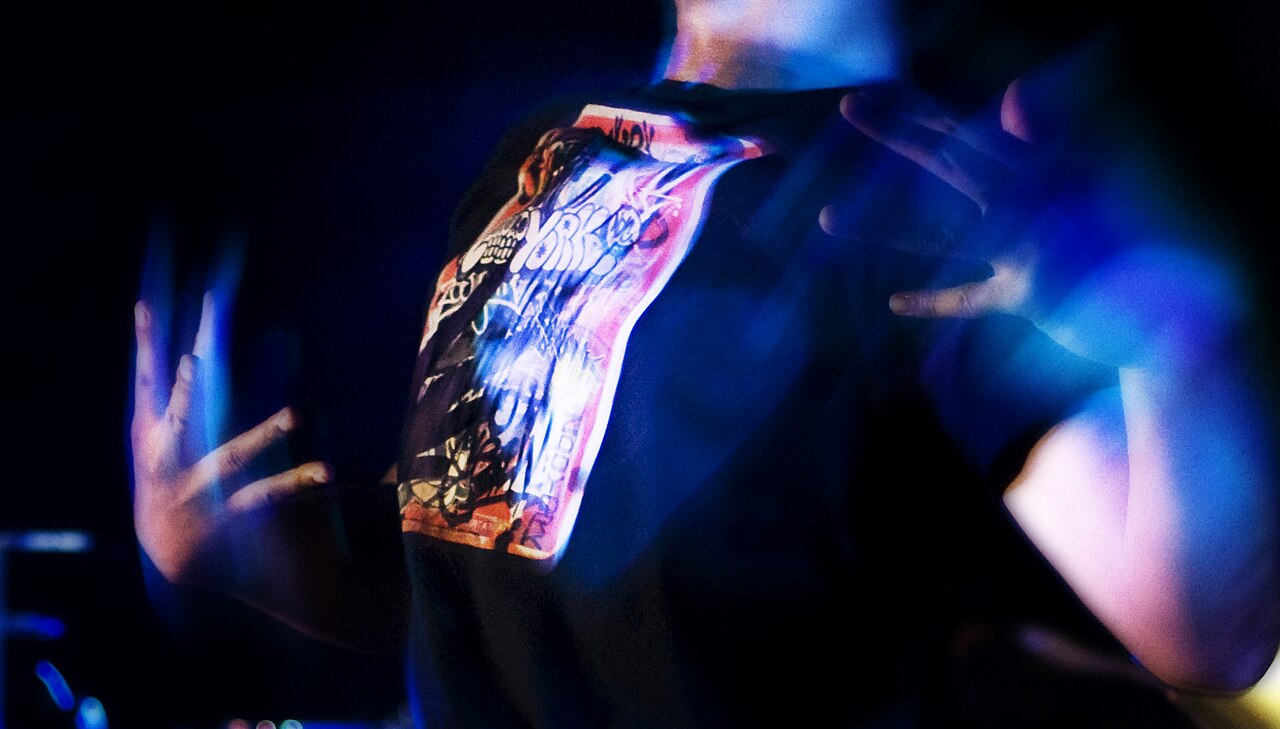
Marquisa "Miss Prissy" Gardner is one of the originators of krump and its best-known woman. A dancer from greater Los Angeles, she came up in Tommy the Clown's clowning scene, helped shape krump in the late 1990s and early 2000s, and became internationally known through the 2005 documentary Rize. Since then she has danced for major artists, taught at university, created a krump show and worked as a community activist. She is widely called the Queen of Krump.
From clowning to krump
According to the Kennedy Center, a student introduced her to krump, then a new form of dance becoming popular in Los Angeles in the late 1990s, and took her to a session. Like Lil' C and others, she had danced with Tommy the Clown, and the group's move from clowning to krump grew out of a desire to blend clown dancing with other dance forms.
Speaking at the University of Southern California in 2012, she described krump as a combination of street dance elements and African dance: still moving somewhat like clowns, but also "channeling our ancestors". On PBS, she called herself one of the five creators of the style and culture, and explained that krump was built from aggression and trauma turned into dance.
Rize
Rize, directed by David LaChapelle and released in 2005, followed clowning and krump dancers in South Central Los Angeles, and Miss Prissy was one of its stars. Her Loyola Marymount profile notes that the film's success led to her being labelled the Queen of Krump. We look at the film and its critics in Rize: The 2005 Film That Showed the World Krump.
A career, then a return home
After Rize, she toured arenas as a backup dancer for Madonna and appeared in films. Her university profile says she eventually put that career aside to become a local activist, investing in the community she came from, and directed a documentary about children in that community.
In 2012, for krump's tenth anniversary, she started a street dance company and show called The Underground, with Lil' C. She has also taught krump at Loyola Marymount University in Los Angeles.
A woman in the circle
Krump is often seen as a male, aggressive dance, and in many sessions women remain a minority. Miss Prissy's presence in the founding generation is a reminder that women were there from the start, not added later. Her mix of power and personality showed that krump's energy does not belong to one gender.
Women krumpers today are part of the global network we describe in Krump in Europe.
Why her story matters
Founding stories in street dance often shrink to one or two male names. Miss Prissy's career, from session to screen to classroom to community work, shows a fuller picture of what krump is: a dance, a culture and, as she has put it, a way to transform pain into something powerful. For the spiritual side of that story, read Krump and Faith.
FAQ
Who is Miss Prissy?
Marquisa Gardner, known as Miss Prissy, is an American dancer from Los Angeles and one of the originators of krump. She is often called the Queen of Krump.
Was Miss Prissy in Rize?
Yes. She was one of the dancers featured in David LaChapelle's 2005 documentary Rize.
What is The Underground?
A street dance show and company Miss Prissy started in 2012 with Lil' C, marking ten years of krump.
Sources
- The Kennedy Center, artist page "Miss Prissy"
- Daily Trojan, "Speakers discuss krumping documentary", 11 September 2012
- PBS, "How This West Coast Dance Style Took Over America"
- Loyola Marymount University, faculty profile of Marquisa Gardner