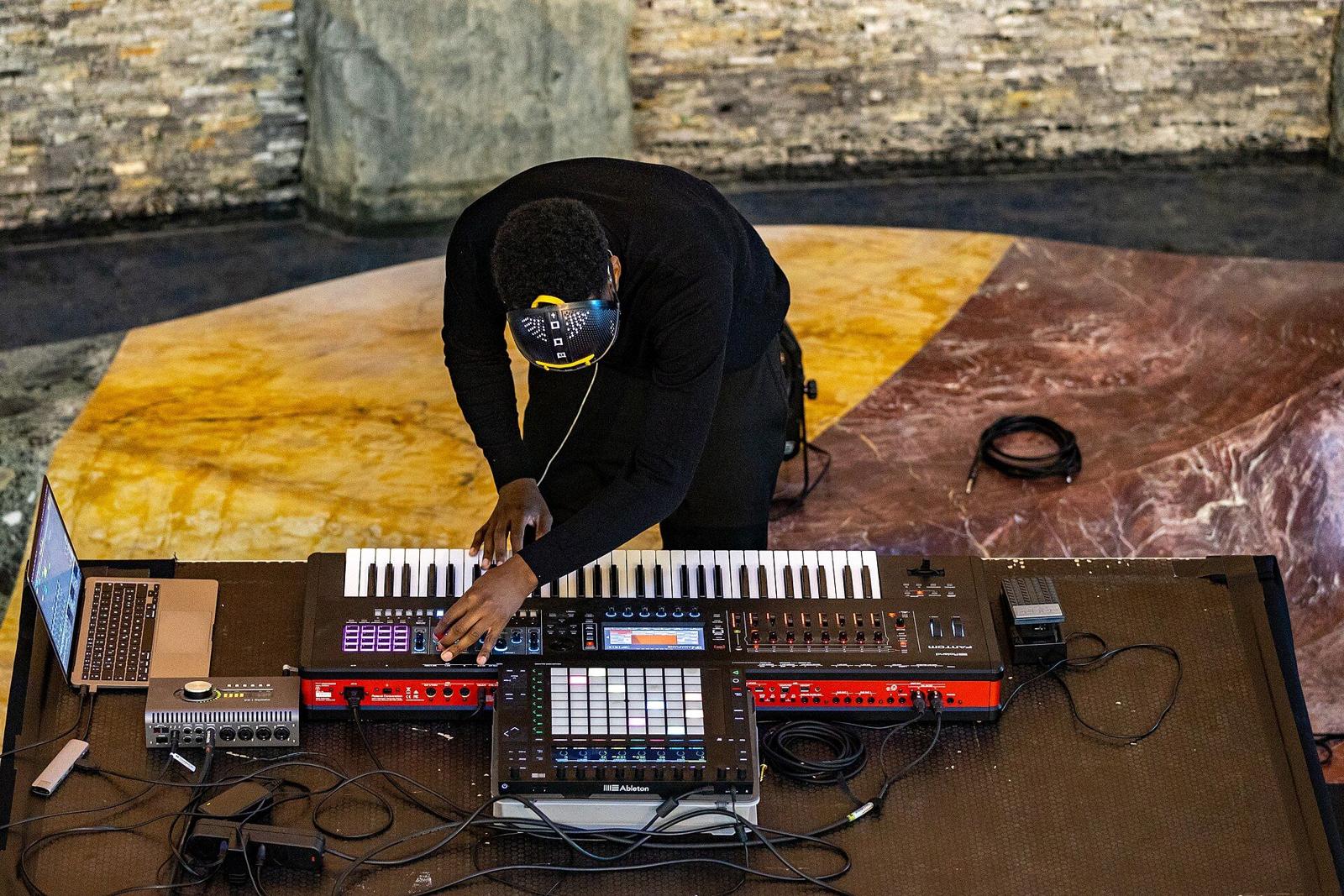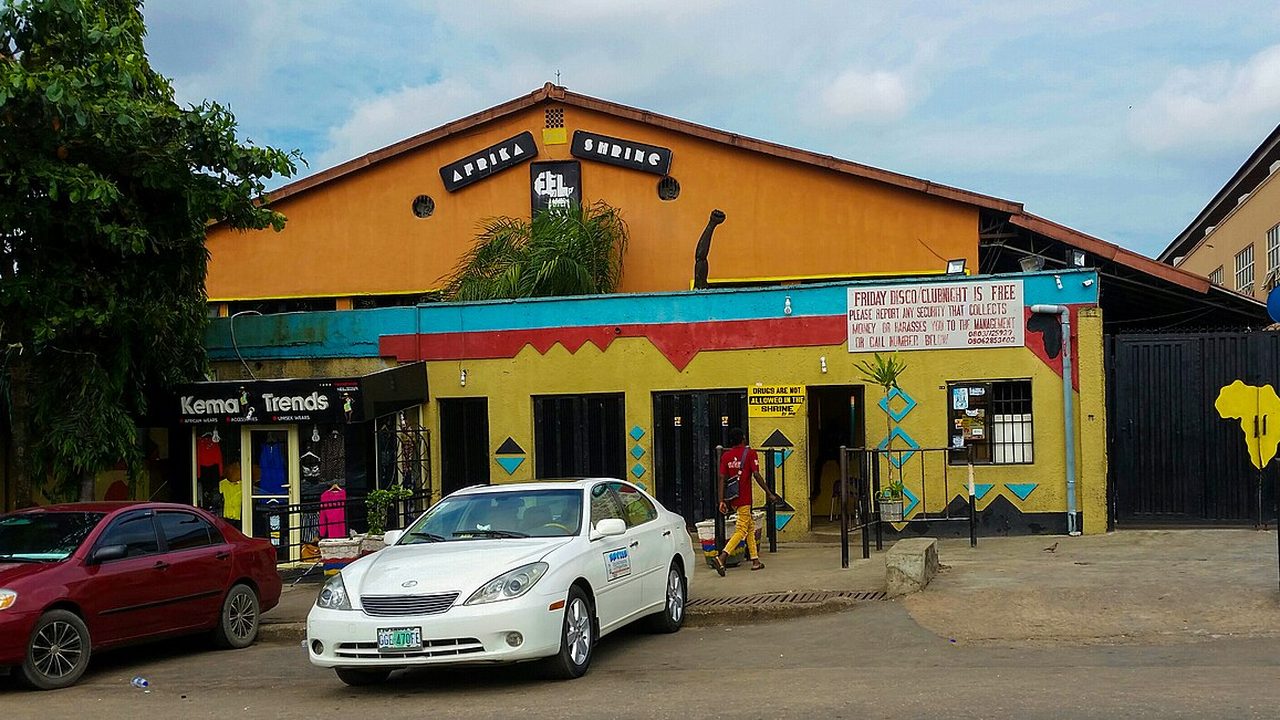
Kwaito and amapiano are two generations of the same township story. Kwaito emerged in Soweto, Johannesburg, between the late 1980s and the 1990s: a slowed-down, local take on house music, with deep bass lines, catchy loops and chanted vocals in township slang, and it became the sound of the first generation to come of age after apartheid. Amapiano grew in the townships of Gauteng and became a global craze in the 2020s, mixing deep house, jazz and lounge with piano melodies and the log drum bass. Kwaito is one of amapiano's ancestors, but the two sound clearly different. Here is how.
Kwaito: the sound of a new freedom
Kwaito emerged as a distinct genre between the late 1980s and the early 1990s and became a defining music of post-apartheid South Africa. It uses South African sounds and samples over a slower tempo than most house music, with catchy melodic and percussive loops, deep bass and vocals.
It was a music anyone could make. Township schools had few resources and rarely offered music classes, and kwaito required no formal music theory, rehearsal spaces or expensive instruments. That made it accessible to young people in disadvantaged communities.
The end of apartheid gave South African musicians easier access to international music and more freedom to express themselves. Kwaito became known as the expression of that freedom, and many anti-apartheid chants found their way into its lyrics. It has been called the music that defines the generation who came of age after apartheid.
Where the name comes from
The word comes from the township slang "kwaai", from Afrikaans, where it first meant angry or fierce. In youth culture it came to mean cool or hot. The pioneer M'du Masilela explained that when house music got popular, people from the ghetto called it kwaito because the tracks were hot, "kicking". A related slang word, amakwaitosi, means gangster, and Arthur Mafokate described kwaito as music revolving around ghetto life.
The stars
Key figures in early kwaito included M'du Masilela, Spikiri, Arthur Mafokate and Sandy B, and groups such as MM Deluxe, Boom Shaka, Trompies, TKZee and Bongo Maffin. Producers such as Oskido, Don Laka and Sello Chicco Twala also shaped the sound.
Boom Shaka, with Lebo Mathosa and Thembi Seete, became a voice for young women, and CNN counted them, alongside TKZee, among the most influential kwaito groups. In the late 1990s and 2000s, artists such as Mandoza, Zola, Mzekezeke and Brenda Fassie helped make kwaito a national industry, with labels such as Ghetto Ruff and Kalawa Jazmee leading the way.
Controversy
Kwaito often pushed boundaries. Boom Shaka were criticised by politicians for performing the national anthem over a kwaito beat. Arthur Mafokate's 2005 song "Sika Lekhekhe" was banned by the public broadcaster SABC for its suggestive lyrics, and he had to reshoot its video. Critics also accused kwaito of being commercialised and of relying on over-sexualised lyrics and dances.
Kwaito's family tree
Kwaito did not stay in Soweto. In Durban, a local kwaito sound developed and went on to influence bacardi house and later gqom. Gqom vs amapiano. In the late 2010s, "future kwaito" artists mixed it with gqom and industrial music. And in Gauteng, kwaito's DNA flowed into amapiano.
Amapiano: the pianos take over
Amapiano, Zulu for "the pianos", is usually described as a hybrid of kwaito, deep house, gqom, jazz, soul and lounge music, defined by piano melodies, synths and wide, percussive basslines. It grew in the townships of Gauteng, though there is no single founder and its exact birthplace is disputed. What is amapiano?
Its signature is the log drum, an electronic percussive bass. Kabza De Small credits a Soweto producer known as MDU aka TRP with figuring out the sound, while some trace an electronic log drum in South African music back to kwaito, possibly to M'du Masilela himself. The log drum explained.
Side by side
| Kwaito | Amapiano | |
|---|---|---|
| Born | Late 1980s to 1990s | Popular from the 2020s |
| Where | Soweto, Johannesburg | Gauteng townships |
| Roots | House music, slowed down, local samples | Kwaito, deep house, gqom, jazz, soul, lounge |
| Signature | Deep bass, catchy loops, chanted vocals | Piano melodies, log drum bassline |
| Vocals | Chanted or spoken in township slang | Sung and chanted in many languages |
| Moment | The post-apartheid generation | The streaming and TikTok generation |
| Key names | M'du, Arthur Mafokate, Boom Shaka, TKZee, Mandoza | Kabza De Small, DJ Maphorisa, Kelvin Momo, Uncle Waffles, Tyla |
The dances
Kwaito was never just music. It stood for a way of life, with its own way of talking, dancing and dressing, and its performers became known for their dance moves as much as their songs. Amapiano carried that tradition into the social media age, where moves such as the vosho spread around the world in weeks. Amapiano dance moves.
Why the comparison matters
Amapiano is not a break with the past so much as a continuation: kwaito is one of its ingredients, and the log drum itself may go back to a kwaito pioneer. Listening to the two side by side shows how township music keeps reinventing itself every generation, each time with the tools of its time: samplers and keyboards in the 1990s, laptops and streaming in the 2020s.
Where to start listening
- Kwaito: Boom Shaka, TKZee, Mandoza, Arthur Mafokate, Brenda Fassie.
- Amapiano: Kabza De Small and DJ Maphorisa, Kelvin Momo, Uncle Waffles, Tyla.
Frequently asked questions
What is the difference between kwaito and amapiano? Kwaito is the slowed-down, local house music of 1990s Soweto; amapiano is the piano and log drum sound of the 2020s.
What does kwaito mean? From the slang "kwaai", from Afrikaans: first "angry", then "cool" or "hot".
Is amapiano a type of kwaito? Not exactly, but kwaito is one of its ingredients.
Who are the pioneers of kwaito? M'du Masilela, Spikiri, Arthur Mafokate, Sandy B and Oskido, with Boom Shaka, TKZee, Trompies and Bongo Maffin.
FAQ
What is the difference between kwaito and amapiano?
Kwaito emerged in Soweto between the late 1980s and the 1990s as a slowed-down, local take on house music, with chanted vocals in township slang. Amapiano, popular from the 2020s, mixes deep house, jazz and lounge with piano melodies and the log drum bass.
What does kwaito mean?
It comes from the township slang 'kwaai', from Afrikaans, where it first meant angry or fierce, then came to mean cool or hot. The pioneer M'du Masilela said township people called house music kwaito because the tracks were 'kicking'.
Is amapiano a type of kwaito?
Not exactly, but kwaito is one of its ingredients. Amapiano is usually described as a hybrid of kwaito, deep house, gqom, jazz, soul and lounge music.
Who are the pioneers of kwaito?
Key early figures include M'du Masilela, Spikiri, Arthur Mafokate, Sandy B and Oskido, with groups such as Boom Shaka, TKZee, Trompies and Bongo Maffin.
Sources
- Wikipedia, "Kwaito", "Amapiano", "Arthur Mafokate" and "Brenda Fassie"