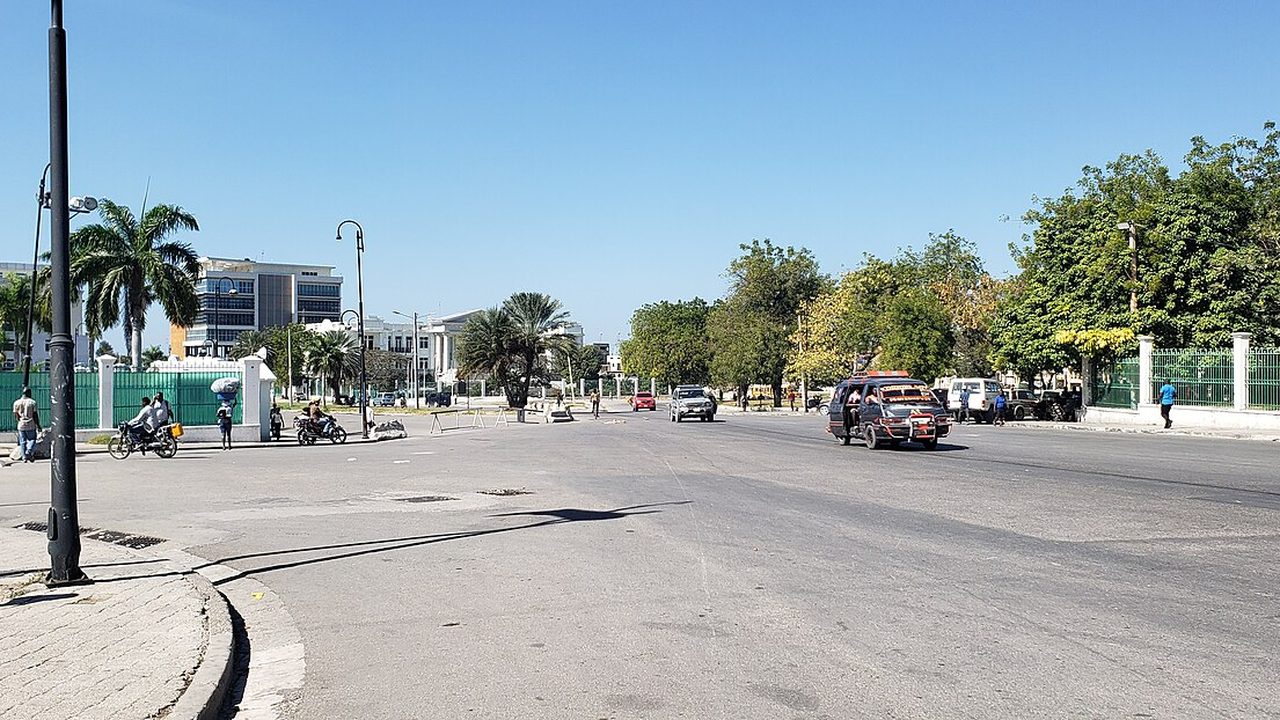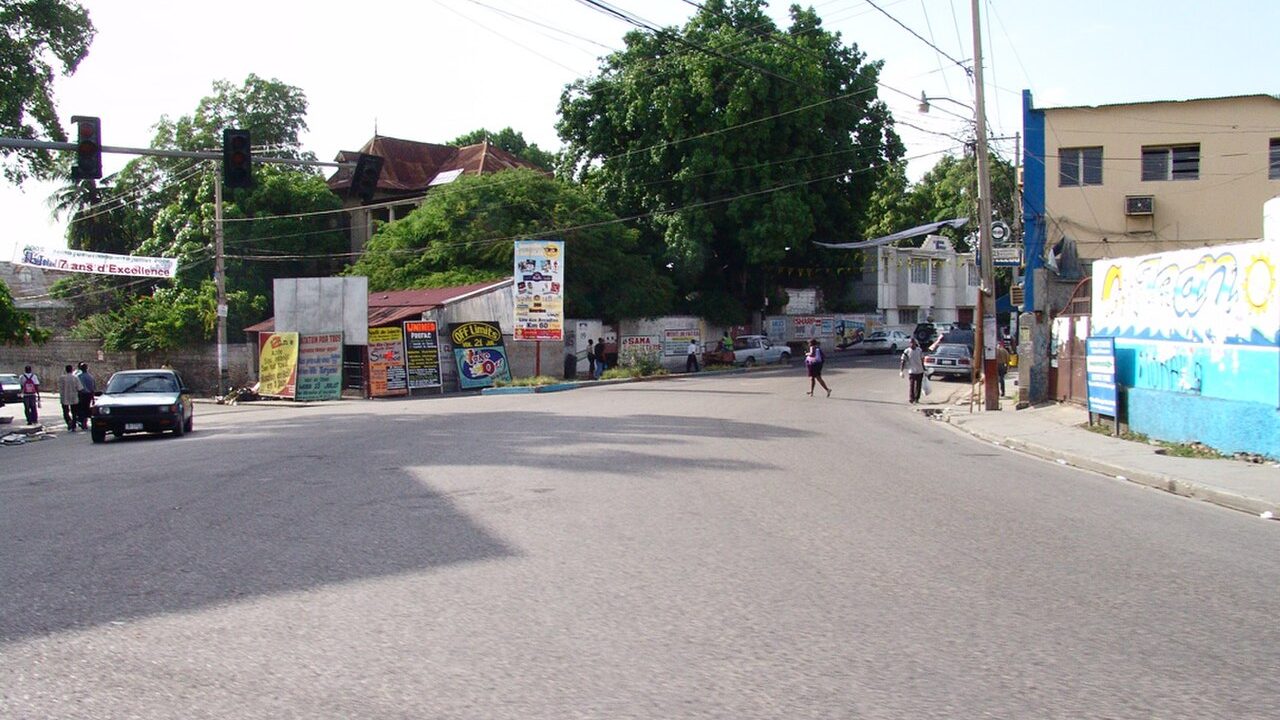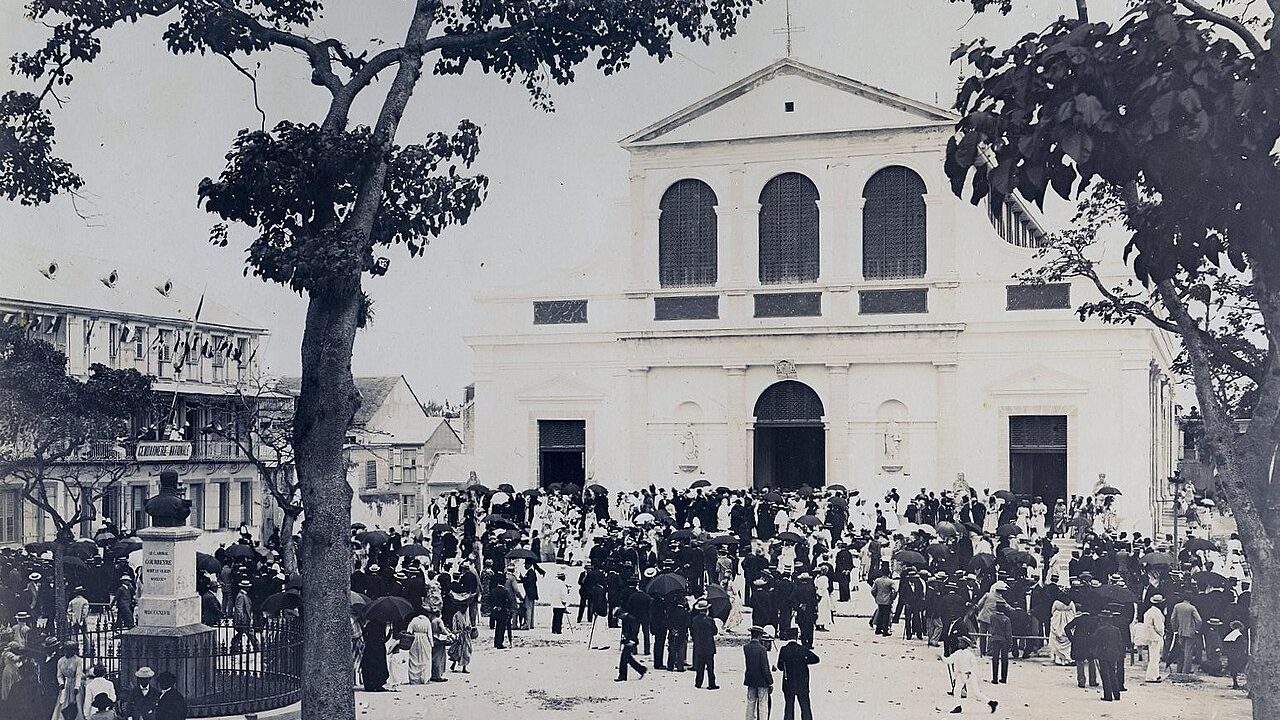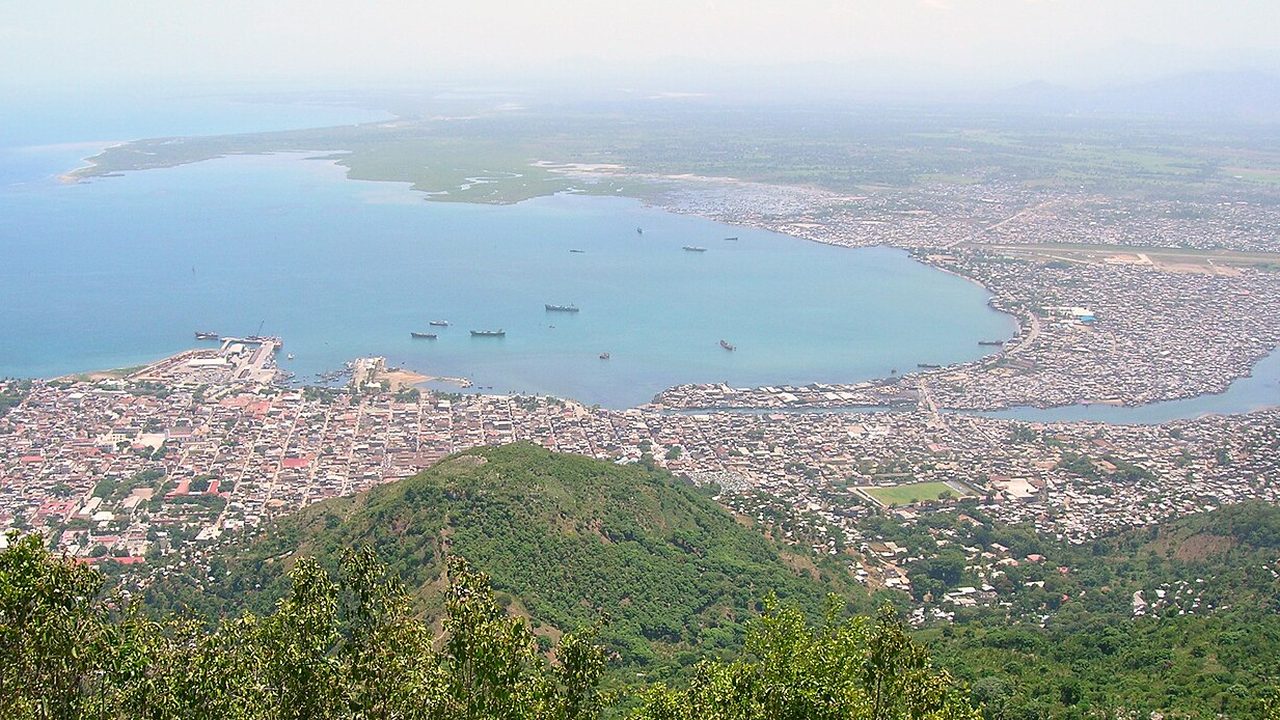
Orchestre Septentrional, known affectionately as Septen, is Haiti's oldest band. It was founded in 1948 in Cap-Haïtien, the big city of northern Haiti, by the saxophonist Hulric Pierre-Louis and six other young musicians. Its sound, nicknamed the "boule de feu", ball of fire, mixes Haitian dance rhythms with big-band swing and Cuban flavour. Through dictatorships, coups, earthquakes and every change in musical fashion, Septen has kept playing, and in July 2025 it celebrated its 77th anniversary in Cap-Haïtien in front of huge crowds.
Two groups become one
Septentrional was born from a merger. Writing for Américas magazine, the journalist Jane Regan explains that Hulric Pierre-Louis, who taught himself flute and saxophone, led a trio that joined a quartet in 1948 to form a new band, named after their home region. Septentrional simply means "northern" in French.
Caribbean Life, reviewing the documentary about the band, describes the founding as the fusion of two groups who decided to get together rather than compete.
A big band from the north
In the 1950s and 1960s, Haitian dance music belonged to big orchestras, with brass and saxophone sections, rhythm sections and singers. Septentrional was one of the greatest. A Haitian musician quoted by PRI's The World recalled that a band like Septentrional might have four saxophones, three trumpets and at least fourteen musicians.
Its music drew on many sources. Inter Press Service describes the boule de feu rhythm as born of compas and its merengue-influenced beat, Vodou ritual rhythms and Cuban flavour picked up from the radio. Jazz, popular across the world in 1948, also left its mark, HaitiLibre notes.
That big-band world is the backdrop to the rivalry between Nemours Jean-Baptiste and Webert Sicot in Port-au-Prince, which we tell in Who invented kompa?. Septen, based in the north, followed its own path.
Surviving everything
What makes Septen unique is its staying power. The New York Times, writing about the 2012 documentary When the Drum Is Beating, noted that since 1948 Haiti had lived through the Duvalier dictatorship, many other governments, foreign intervention, a devastating earthquake and a cholera epidemic, while the band kept going.
Inter Press Service credits the band's survival to fiercely guarding its musical independence and commenting carefully on Haitian life. Unusually for a Haitian band, it also owns its own venue in Cap-Haïtien, the Feu Vert (Green Light) nightclub, which serves as a rehearsal space and business office.
When the mini-jazz bands took over in the 1960s and 1970s, with their guitars and smaller line-ups, Septen stayed a big band. The new sound is described in Mini-jazz: the small bands that rebuilt kompa.
The diaspora's band
For Haitians abroad, Septen is a link to home. Inter Press Service described thousands of Haitians, some living in the United States for thirty or forty years, turning out for its concerts. One fan from Cap-Haïtien told the agency that Septentrional is "like our child".
The PBS documentary When the Drum Is Beating, by Whitney Dow, tells Haiti's history through the band and the memories of Hulric Pierre-Louis.
Still playing
Every 27 July, Cap-Haïtien celebrates Septen's anniversary. In 2024, the city's municipal commission wished the band a happy 76th, calling it not only the oldest Haitian musical group but also a pillar of the country's cultural heritage. In 2025, Le Nouvelliste reported traffic jams stretching along the city's boulevard as fans from across Haiti and the diaspora came for the 77th.
For dancers
Septen's music is made for dancing: compas, boleros, merengues and more. If you dance kompa, listening to Septen is a way to hear where the music's big-band roots lie. For the basics, start with What is kompa?.
FAQ
When was Orchestre Septentrional founded?
In 1948 in Cap-Haïtien, northern Haiti. The band celebrates its anniversary on 27 July.
Who founded Septentrional?
Saxophonist Hulric Pierre-Louis and six other young musicians, who merged a trio and a quartet into one band.
What does Septentrional mean?
It means 'northern' in French, a nod to the band's home in the north of Haiti.
Sources
- Inter Press Service, on Septentrional's concerts in the United States
- Américas magazine (Jane Regan), "Haiti's ball of fire"
- iciHaiti, "76th anniversary of the Orchestre Septentrional", 29 July 2024
- Le Nouvelliste, "Septen celebrates its 77th anniversary in Cap-Haïtien", 28 July 2025
- PBS Independent Lens, "When the Drum Is Beating"