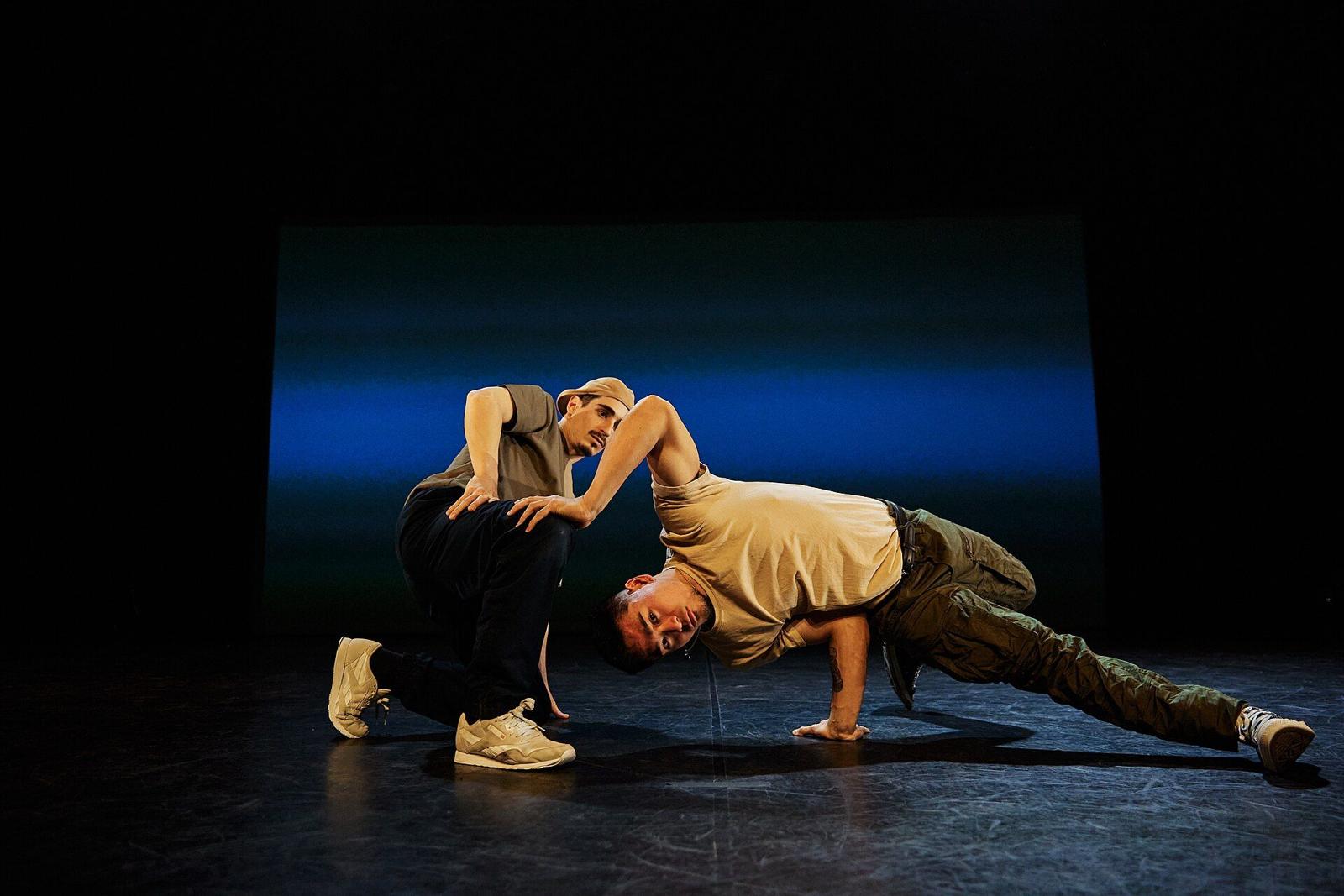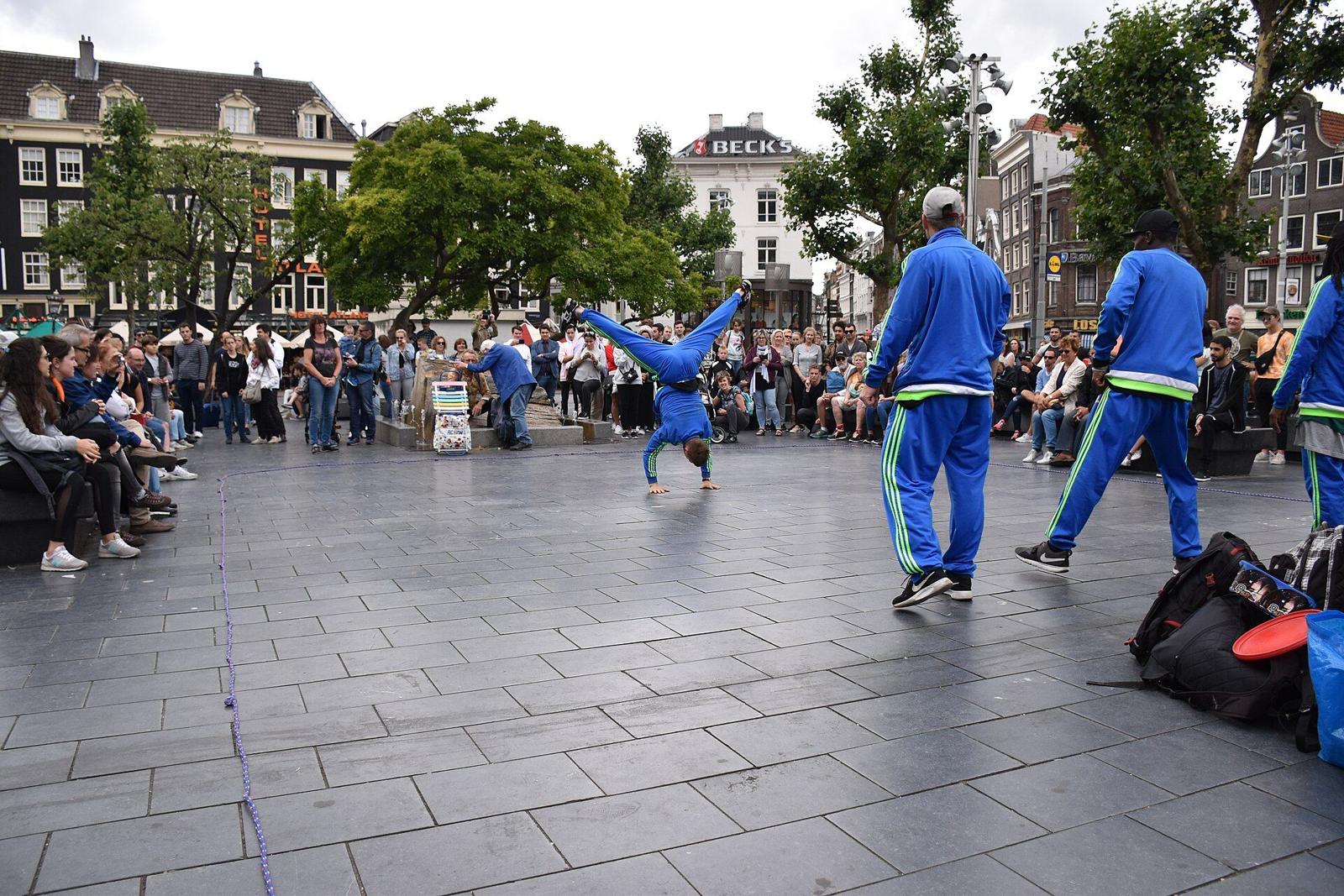
Popping has two meanings. Strictly, it is a technique: quickly contracting and relaxing the muscles to create a jerk, called a pop or a hit, on the beat. More broadly, it is a family of styles that grew around that technique, including animation, strobing, waving, tutting and the boogaloo. Wikipedia notes that these can be seen as separate styles related to popping, or as part of popping when the word is used as an umbrella term. Most poppers mix them freely.
The pop itself
Everything starts with the hit. The dancer tenses a muscle group, the chest, arms, neck or legs, for a split second and releases it, in time with the music. Done continuously and combined with poses and movements, it gives popping its electric look. Tropics of Meta sums up the common thread of all these styles: the popping, or hitting, of the joints and muscles.
The origins of popping are told in The Electric Boogaloos and the Fresno roots of popping, and the basics in What is popping?.
Animation
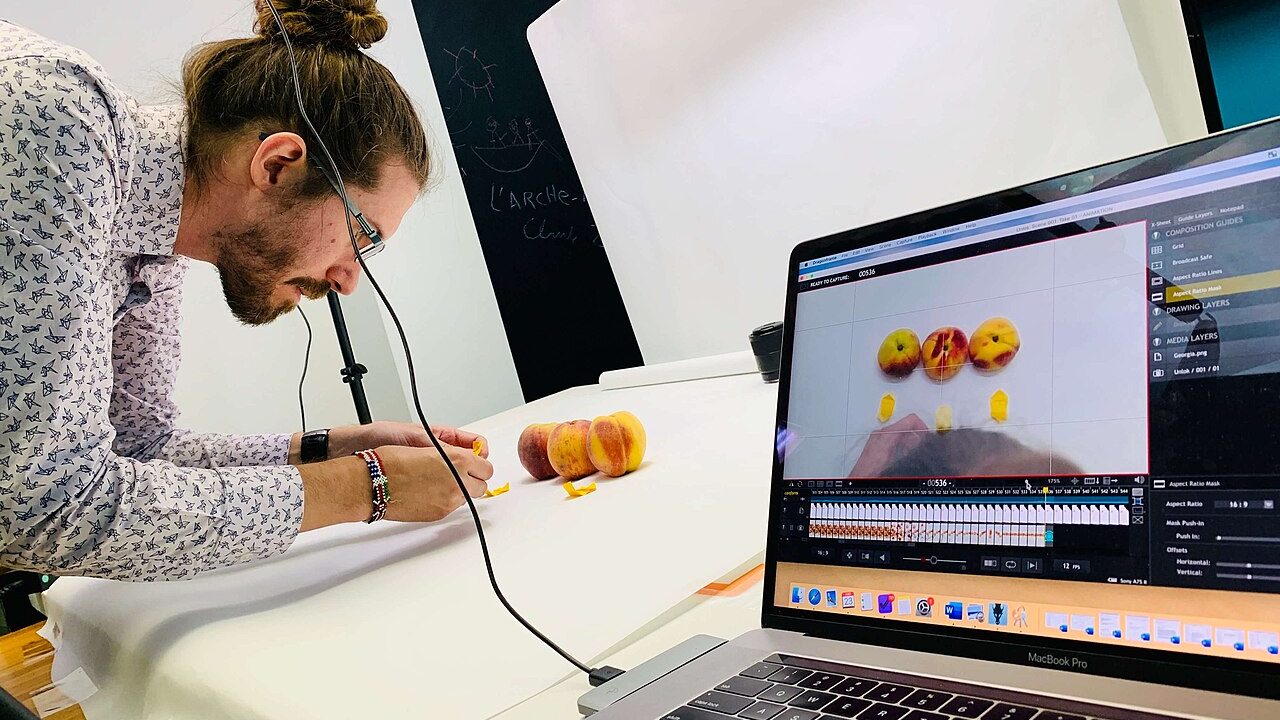
Animation imitates characters in stop-motion films. The dancer moves as if each position were a separate frame, with tiny jerks between them, so the body seems to be animated rather than alive.
Steezy uses the word more loosely for fluid rolls and waves through the body. The two meanings show how flexible the vocabulary is: dancers from different cities and generations sometimes use the same word for different things.
Strobing
Strobing gives the impression that the dancer is moving under a strobe light. A movement is broken into a series of short, sharp stops, so a simple arm swing or walk looks like a sequence of still images. It is closely related to animation and often used inside it.
Waving
Waving is the fluid side of the family. The dancer sends a wave through the body, from fingertips through the arms and shoulders and back, or from the head down to the legs, as if a current were passing through. Many dancers use waves to contrast with sharp hits: liquid one moment, frozen the next.
Tutting
Tutting uses the arms and hands to make right angles and geometric shapes, inspired by the poses of ancient Egyptian art. It has grown into a detailed art form of its own, with finger tutting and complex shapes. We explain it in What is tutting?.
Boogaloo
The boogaloo is the older style from which popping grew, a loose, rolling way of moving the hips, knees and head, with roots in Oakland. Wikipedia notes that in the original boogaloo you do not pop; combined with popping, it becomes the electric boogaloo, the signature style of the Electric Boogaloos crew.
Putting it together
A good popping solo moves between these styles: a few strong hits on the beat, a wave through the arms, a strobed walk, a burst of animation on a break. The skill is in choosing which texture fits the music at each moment.
If you want the names of the individual moves see our popping glossary.
FAQ
What is animation in dance?
A style linked to popping in which the dancer imitates film characters animated by stop motion, with jerky, frame-by-frame movement.
What is strobing?
A style that gives the impression the dancer is moving under a strobe light, by breaking a movement into small, sharp steps.
Is waving part of popping?
Waving, like animation and strobing, is usually seen either as a separate style related to popping or as part of popping when the word is used as an umbrella term.
Sources
- Wikipedia, "Popping"
- Steezy, "What is popping dance?"
- Tropics of Meta, "Straight Outta Fresno: How the popping dance movement empowered youth of color", 2017