Soul Train was the American television show that brought young Black dancers, and the street dances they were inventing, into living rooms across the country. Created by Don Cornelius and launched in 1970, it mixed live music with a studio full of dancers, and its famous Soul Train line let each of them show off their style. Groups such as The Lockers and the Electric Boogaloos used it as a stage, and Wikipedia credits the show with giving early street styles, locking and popping among them, mainstream exposure. When it ended in 2006, NPR noted, it was the longest-running syndicated show in history.
A show built on dancers
Most music shows of the time focused on the artists. Soul Train put the dancers at the centre. Every week, young people came to the studio in their best outfits and with their newest moves, and viewers at home could see dances they might never have met otherwise.
The Soul Train line became the show's signature: dancers formed two rows and took turns moving down the middle, solo or in pairs. It was a runway, a cypher and a showcase at once.
Locking takes the stage
Locking was one of the first street styles to break through on the show. Red Bull tells how Don "Campbellock" Campbell created it almost by accident, in his school lunch room, putting his own sharpness on popular moves until friends shouted "Do that lock, Campbell!". The style became known as the Campbellock, then locking.
Campbell and Toni Basil formed The Lockers, originally the Campbell Lockers, in the early 1970s; Wikipedia gives 1971. Red Bull notes that Campbell and his crew ended up on Soul Train, performing alongside stars like James Brown. Adolfo "Shabba Doo" Quiñones, one of the group's members, told NPR that Soul Train was "fertile soil" for them, a place to work out their moves coming down the line.
For the style itself, read What is locking?.
Popping arrives
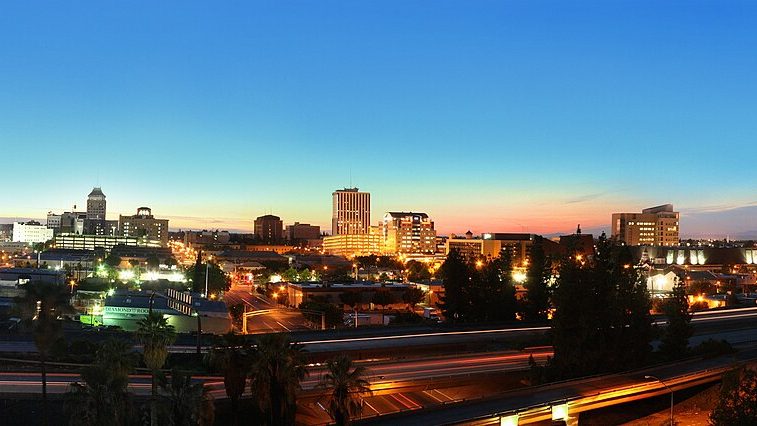
A few years later, a crew from Fresno brought a different sound and look. Tropics of Meta recounts how Soul Train creator Don Cornelius called Boogaloo Sam to request a performance by the Electric Boogaloos, and how the group delivered two now-iconic numbers on the show. Those appearances spread popping and boogaloo across America, and inspired dancers elsewhere to create their own versions. The full story is in The Electric Boogaloos and the Fresno roots of popping.
Because both styles appeared on the same show, many viewers lumped them together. We explain the difference in Popping vs locking.
From television to the world
Soul Train was not alone. Wikipedia notes that the show, together with 1980s films such as Breakin', Beat Street and Wild Style, showcased the crews and styles that would shape hip-hop dance. Members of The Lockers and the Electric Boogaloos went on to appear in those films and to work with major artists.
But Soul Train came first, and it showed something new on national television: young Black dancers presenting their own culture, in their own style, every week.
Why it still matters
For dancers today, Soul Train archives are a treasure. They show early locking, popping and social dances as they were danced at the time, and they remind us that many street styles grew up in front of a camera as well as on the street. If you dance funk styles, watching the old Soul Train lines is a history lesson with a beat.
FAQ
What was Soul Train?
An American music and dance television show created by Don Cornelius, launched in 1970. When it ended in 2006 it was the longest-running syndicated show in American television history.
What is the Soul Train line?
The show's signature moment: dancers formed two lines and couples or solo dancers took turns moving down the middle, each showing their own style.
Which street dance groups appeared on Soul Train?
Among others, The Lockers, created by Don Campbell and Toni Basil, and the Electric Boogaloos, the popping crew from Fresno.
Sources
- NPR, "How 'Soul Train' got America dancing" (Talk of the Nation)
- Red Bull, "Unlock it: tracing the history and cultural significance of street dance"
- Red Bull, "Street dance history: locking pioneers"
- Wikipedia, "The Lockers" and "Hip hop dance"
- Tropics of Meta, "Straight Outta Fresno", 2017