Bikutsi is the fast, driving dance music of the Beti people, also called Ewondo, who live around Yaoundé in central Cameroon. Its name means roughly "beat the ground". It began with women's songs and stamping, was electrified with guitars made to sound like the balafon, and in the late 1980s the band Les Têtes Brûlées turned it into one of Cameroon's best-known musical exports. Wikipedia describes it as the great rival of makossa, the more urban music of Douala.
"We hit the ground"
Wikipedia translates the Beti name loosely as "beating the ground continuously". A 2021 article by the journalist François Essomba in ChinAfrica gives the Ewondo pronunciation as biakut si, meaning "we hit the ground". Both point to the same thing: a music made to be stamped out with the feet.
Bikutsi is played at parties, weddings and funerals. According to Wikipedia, Beti gatherings traditionally had two phases. The Ekang phase dealt with imaginary, mythological and spiritual matters. The bikutsi phase dealt with real life.
A women's music
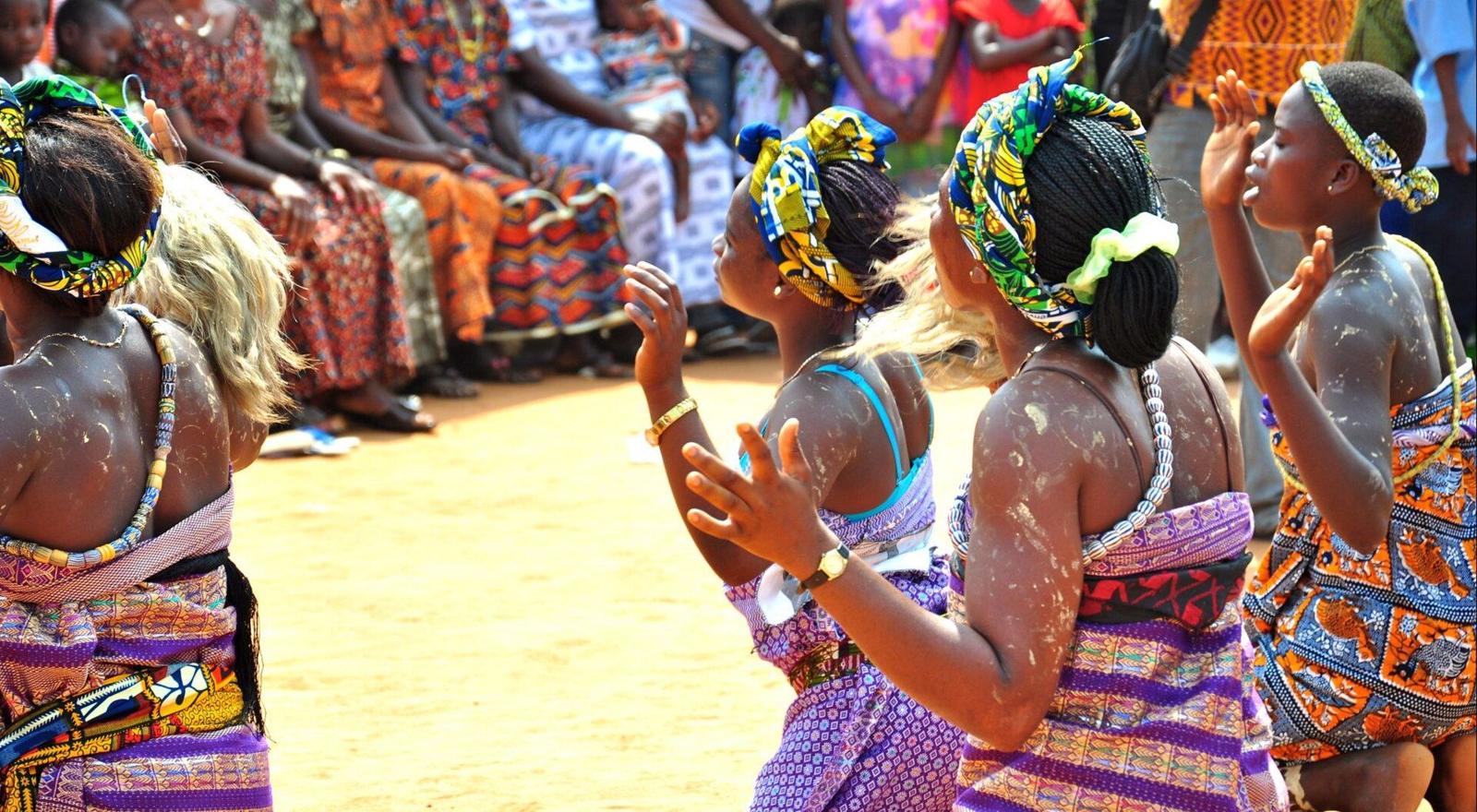
Essomba's article reports that, according to Beti elders, bikutsi started with women. In a society where women were not allowed to speak in public or in front of men, they held festive gatherings where they could sing. Their songs denounced husbands' infidelities, soothed illness and grief, and released frustration, while the women clapped and stamped in rhythm. Men later took up these rhythms and mixed them with other traditional music, especially initiation dances and instruments.
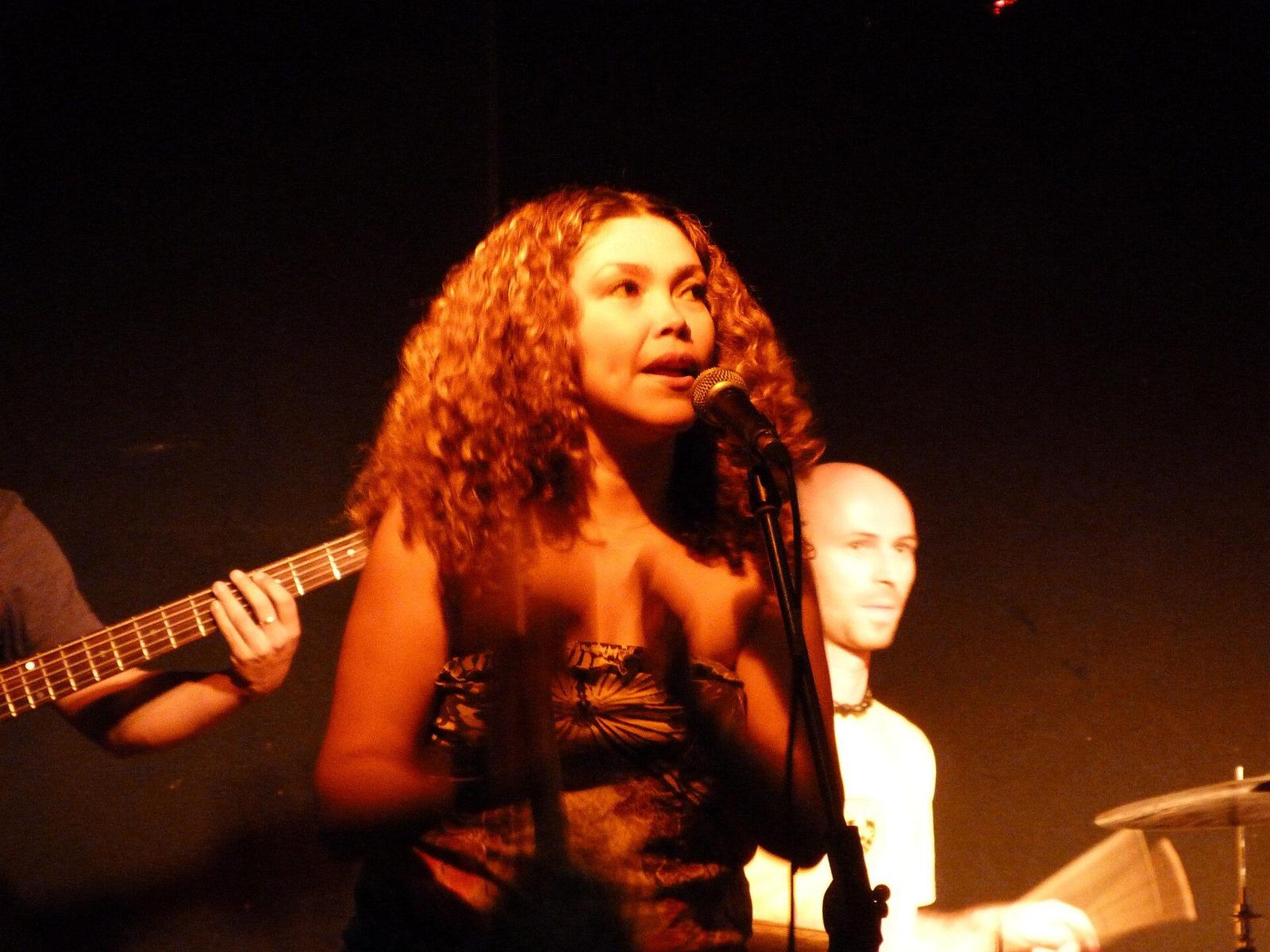
That origin still shows. Wikipedia calls the female choruses "an integral part of bikutsi" and says their intense dancing and screams are characteristic of the genre. The lyrics deal with everyday problems, love and marriage, and often sexual fantasies, which has made bikutsi both very popular and regularly criticised.
The dance
Essomba describes bikutsi dancing as undulations of the upper and lower body set to a fast, amplified tempo. The stamping and clapping of the original women's gatherings, and the shouts of the female chorus, are part of it too.
From the balafon to the electric guitar
The traditional sound of bikutsi relied on the balafon, a wooden xylophone. The modern sound came from guitarists who tried to copy it.
Wikipedia names Anne-Marie Nzié as perhaps the most important of the early innovators and says bikutsi first reached a wide audience in the 1950s. Then came Messi Me Nkonda Martin, frontman of Los Camaroes, known as "the father of modern bikutsi". He had learned guitar listening to Spanish-language radio from neighbouring Equatorial Guinea, as well as Cuban music and Congolese rumba. According to Wikipedia, he linked his guitar strings with paper to get a damped tone, and his songs "Mengalla Maurice" and "Bekono Nga N'Konda" were radio favourites. The African Music Library says he used the guitar to reproduce the sound of the balafon.
Essomba also credits Ange Ebogo and Elanga Maurice with making bikutsi a major force in Cameroonian music in the 1960s and 1970s.
Les Têtes Brûlées
In 1984, Wikipedia says, a new wave of bikutsi musicians appeared, among them Sala Bekono, formerly of Los Camaroes, the bassist Atebass and the guitarist Zanzibar. In 1987, Jean-Marie Ahanda formed Les Têtes Brûlées, "the scorched heads", with Zanzibar on guitar.
Zanzibar, whose real name was Théodore Epémé Zoa, found the trick that defined their sound: he damped his strings with a strip of foam rubber at the bridge, so the guitar gave the dry, percussive "thunk" of a balafon. Visually, the band stood out just as much, with eccentric costumes, half-shaved heads and white body paint inspired by Beti scarification.
Their first national television appearance in 1987 was a hit, and Wikipedia says it took only a few weeks for them to knock makossa off the top of the Cameroonian charts. They toured Africa, Europe, the United States and Japan. The film director Claire Denis followed their 1988 French tour for her documentary Man No Run (1989). In 1990 they went with Cameroon's national football team to the World Cup in Italy, which brought them many new fans.
Not everyone loved the result. Wikipedia notes that many critics and fans disliked their aggressively electric sound.
The 1990s and after
The Yaoundé journalist Anong Alémao, quoted by Essomba, calls the 1990s bikutsi's golden age, naming Les Têtes Brûlées alongside Nkodo Sitony, Mbarga Soukouss, Zélé le Bombardier, Sala Bekono, Abanda Aviateur, K-Tino, Lady Ponce and Majoie Ayi. Among the women artists, Essomba also names Mani Bella, Letis Diva and Sally Nyolo.
The sexual themes kept growing. In the early 1990s, Wikipedia notes, the singer Katino Ateba released "Ascenseur: le secret de l'homme", and the lyrics remain a subject of debate. Commentators quoted by Essomba worry that some young musicians go too far, while agreeing that the genre remains very popular in Cameroon.
Where to start
Begin with Les Têtes Brûlées to hear the foam-rubber guitar, then go back to Messi Martin and Los Camaroes, and forward to K-Tino and Lady Ponce. For the other side of Cameroon's music, read What is makossa?, and for the wider picture, our guide to African music genres.
FAQ
What is bikutsi?
A dance music from the Beti, or Ewondo, people who live around Yaoundé in central Cameroon. It is played at parties, weddings and funerals, and its modern, electric form became a rival to makossa as Cameroon's popular music.
What does bikutsi mean?
Roughly "beat the ground". Wikipedia translates it loosely as "beating the ground continuously", and a 2021 ChinAfrica article gives the Ewondo pronunciation "biakut si", meaning "we hit the ground".
What is the difference between bikutsi and makossa?
Makossa comes from Douala, the port city, and is built on funky bass and horns. Bikutsi comes from the Beti of the Yaoundé region and is driven by fast guitars that imitate the balafon. Wikipedia describes bikutsi as a rival to the more urban makossa.
Who are the main bikutsi artists?
Early figures include Anne-Marie Nzié and Messi Me Nkonda Martin with Los Camaroes. Les Têtes Brûlées made it famous abroad from 1987. Later names include K-Tino, Lady Ponce, Sala Bekono and Zélé le Bombardier.
How is bikutsi danced?
Sources describe undulations of the body, stamping and clapping, with female choruses whose intense dancing and screams are part of the genre.
Sources
- Wikipedia, "Bikutsi", consulted 23 November 2026
- Wikipedia, "Music of Cameroon", consulted 23 November 2026
- Wikipedia, "Les Têtes Brulées", consulted 23 November 2026
- François Essomba, "Bikutsi: a musical genre from the equatorial forest of Cameroon", ChinAfrica, reprinted by Beijing Review, 30 August 2021
- African Music Library, "Bikutsi", consulted 23 November 2026
- Anja Brunner, Bikutsi: A Beti Dance Music on the Rise, 1970–1990, Equinox, 2021